As an Amazon Associate, we earn from qualifying purchases. Some links on this site are affiliate links at no extra cost to you. Our recommendations are based on thorough research and editorial judgment.

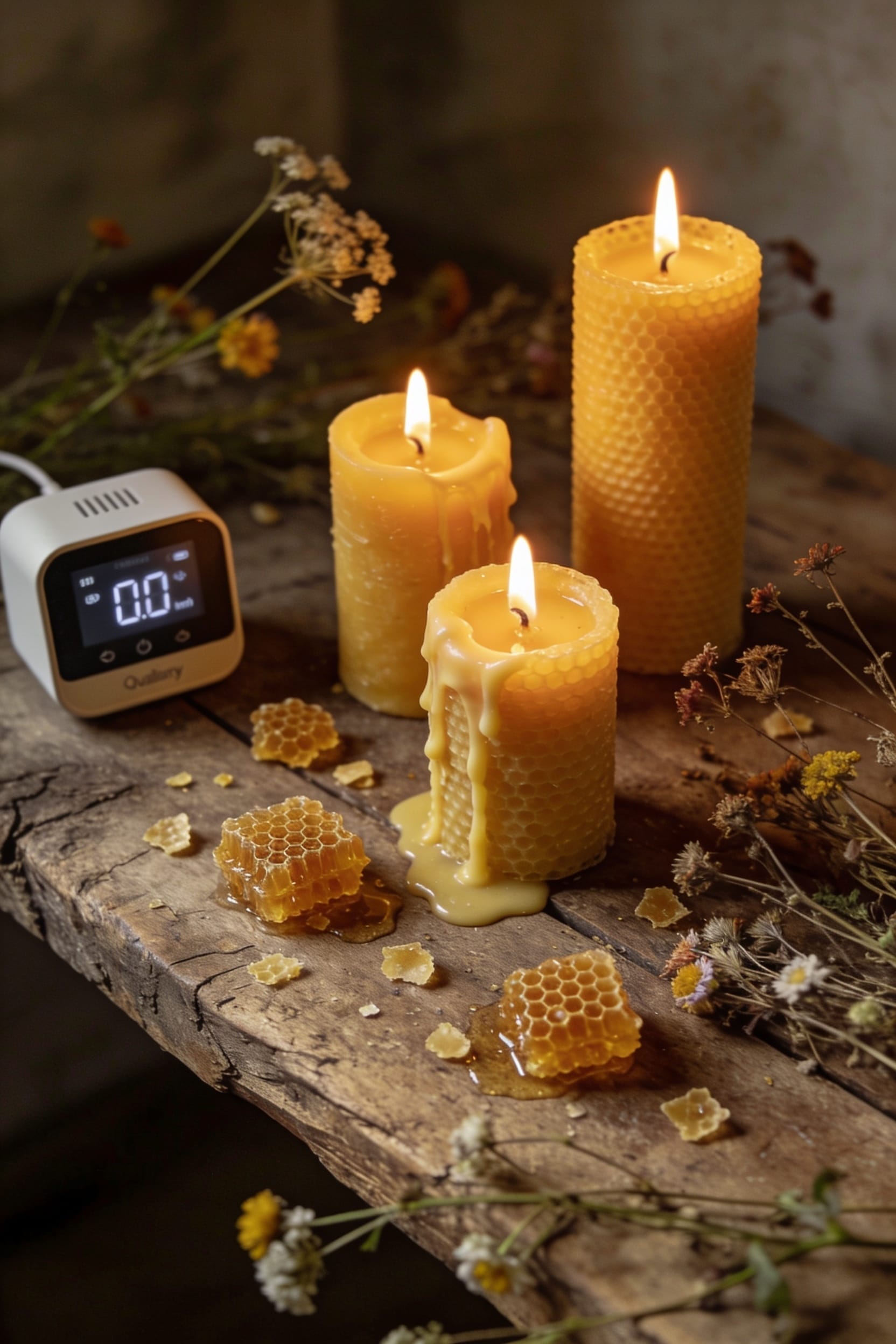
Do Beeswax Candles Actually Purify the Air?

Look, beeswax candles don’t purify air the way a HEPA filter does—they’re not actively removing pollutants from your space. What they *do* is burn cleaner than paraffin, so you’re not adding toluene, benzene, and soot into your home. If you’ve got allergies or chemical sensitivity, that difference matters. You’ll likely notice fresher air and easier breathing, but that’s harm reduction, not purification. Real air purifiers filter thousands of cubic feet per hour; beeswax offers something quieter and cheaper—just keep your expectations honest, and you’ll understand where the actual benefits come from.
Key Takeaways
- Beeswax candles do not actively purify air like HEPA filters; they burn cleaner than paraffin, reducing harmful emissions.
- No peer-reviewed studies prove beeswax candles release negative ions or remove existing pollutants from indoor air.
- Perceived air freshness likely stems from absence of paraffin toxins like benzene and toluene, not active purification.
- Users report eased allergies and clearer sinuses, likely due to reduced exposure to paraffin byproducts and synthetic fragrances.
- Beeswax offers harm reduction through cleaner combustion, not pollutant removal; expect better air quality, not medical-grade purification.
The Negative Ion Claim: What Science Actually Says
Now, here’s the thing about beeswax candles and their supposed air-purifying superpowers: you’ve probably heard the pitch about negative ions, right? Here’s where I have to be straight with you—there’s basically no peer-reviewed science backing this up. We’re talking zero controlled combustion chemistry studies measuring actual ion output from beeswax candles. The claims rely entirely on anecdotal reports and marketing language, not hard ion measurements from labs. Some research suggests *maybe* negative ions get released, but the evidence is thin enough to see through. The air-purifying effect? Still unproven. That said, beeswax does burn cleaner than paraffin without toxic byproducts, so you’re not making your air worse. The benefits you might notice likely stem from what beeswax *doesn’t* release rather than what it does.
Why Beeswax Candles Aren’t Real Air Purifiers (But Help Anyway)
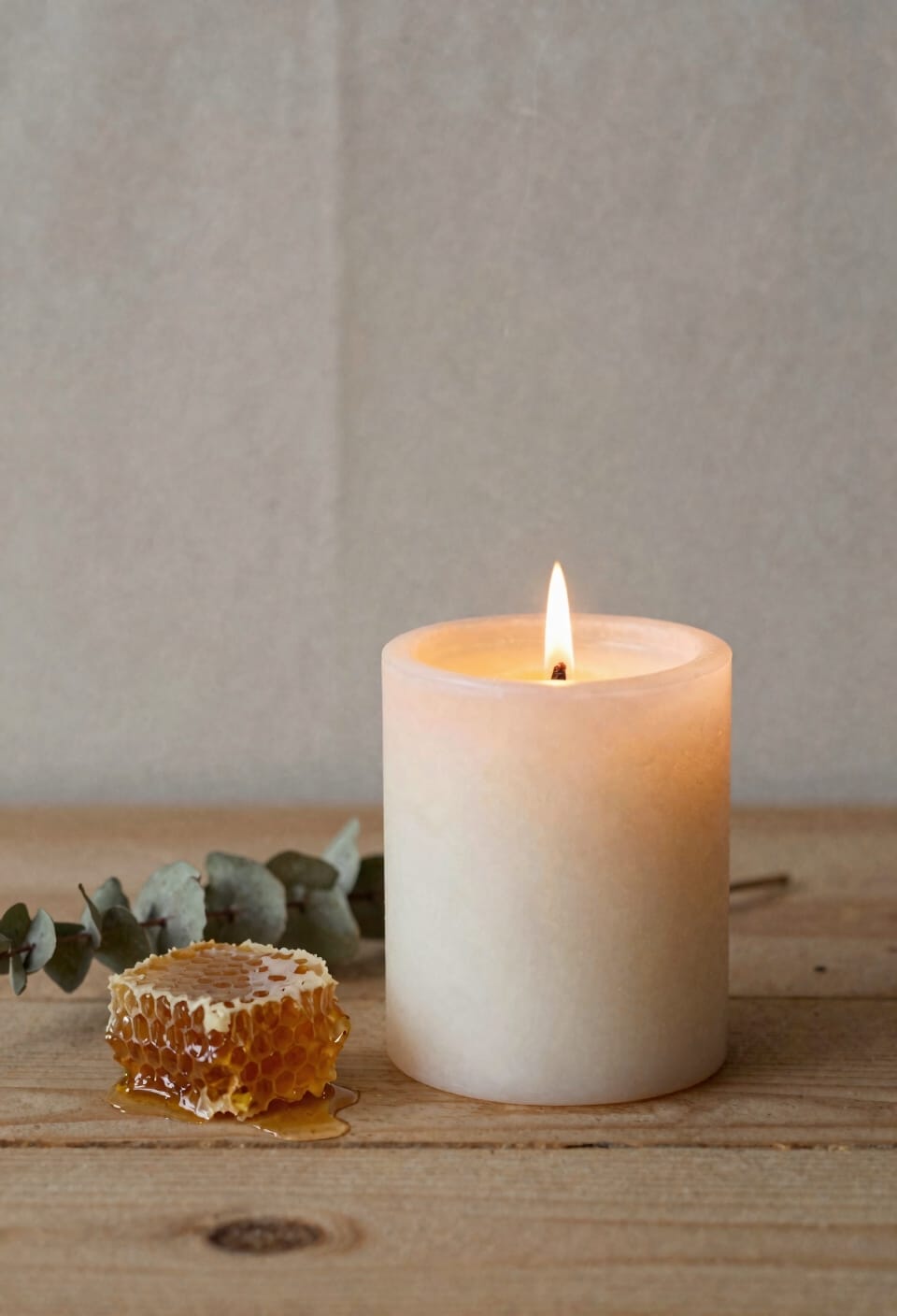
If you’re hoping beeswax candles will work like a Dyson air purifier running 24/7, I’ve got some honest news for you—they won’t. Here’s the thing: beeswax does burn cleaner than paraffin, releasing fewer toxins into your space. That’s genuinely helpful. But it’s not the same as active air purification. You’re not getting medical-grade filtration or serious pollutant removal. What you *are* getting is the absence of harm—no benzene, no toluene, just a natural ambiance without the chemical assault. The real benefit comes from what beeswax *doesn’t* do rather than what it does. Pair that with proper wick maintenance, and you’ve got a cleaner burn. Not a purifier, but a genuinely smarter choice for your indoor air quality.
Recommended Products

Religious Supply Center

Religious Supply Center

DIMENSIONS: 22cm x 5-6mm SKINNY (9" by 7/32 inch); Height: 22 cm (9 inches), thickness at base: 0.21 inch (5-6mm): 22cm x 7mm (9" by 5/16 inch); Height: 22 cm (9 inches), thickness at base: 0.28 inch (7mm); 27cm x 7mm (11" by 5/16 inch); Height: 27 cm (11 inches), thickness at base: 0.28 inch (7mm); 32cm x 7mm (13" by 5/16 inch); Height: 32 cm (13 inches), thickness at base: 0.28 inch (7mm);
How Beeswax Removes Soot and Toxins Paraffin Releases
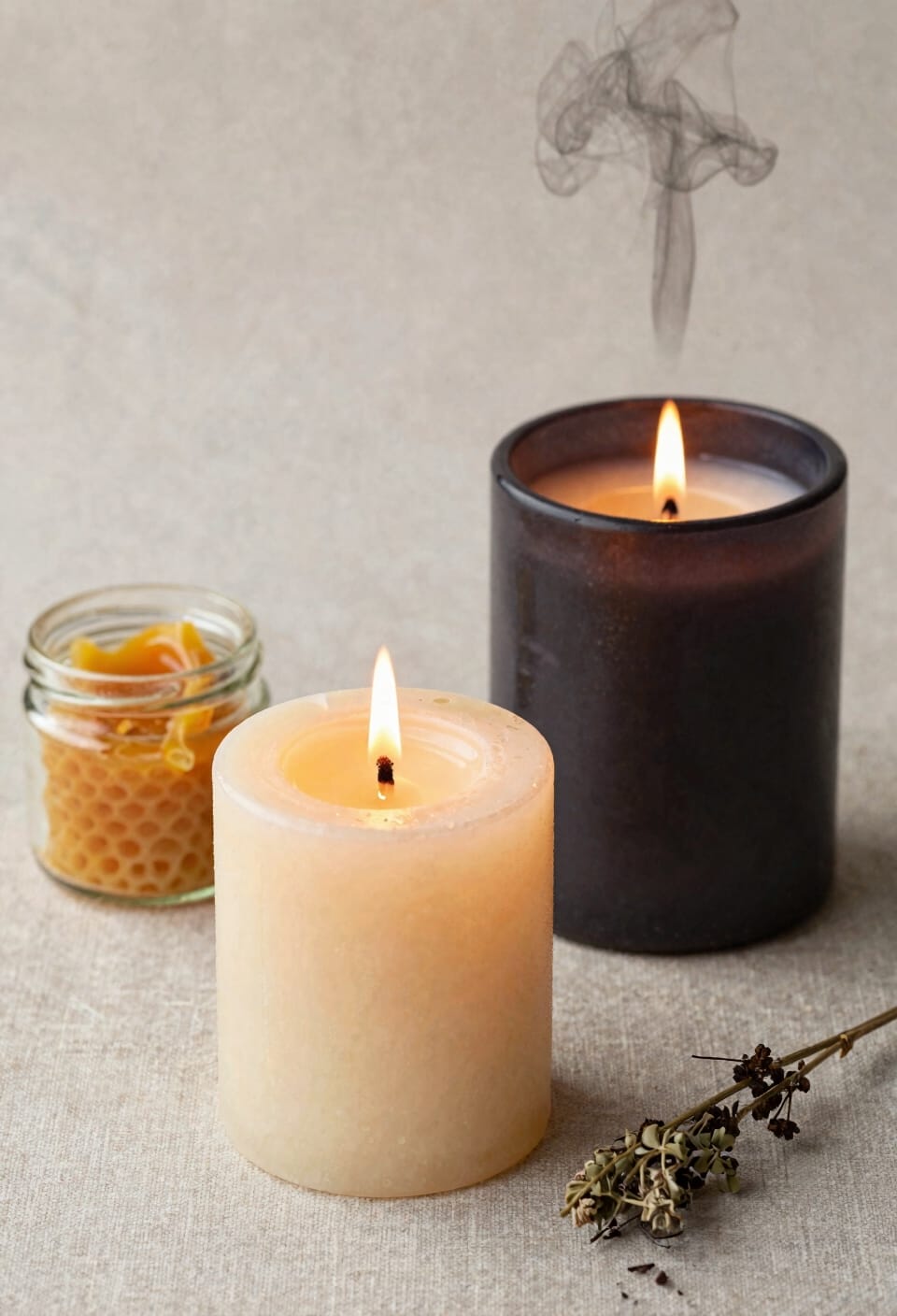
When you burn a paraffin candle, you’re effectively releasing a cocktail of synthetic byproducts—toluene, benzene, and particulate soot that’ll coat your walls and lungs if you’re not careful. Now, here’s where beeswax filtration actually matters. Beeswax burns cleaner. It produces minimal soot compared to paraffin’s heavy residue, which means you’re not constantly adding pollutants to your indoor air. The soot chemistry is straightforward: paraffin’s petroleum-based composition creates more combustion byproducts, while pure beeswax requires no chemical processing and burns with a brighter, cleaner flame. You won’t get air purification in the medical sense, but you’re at least avoiding the toxic mess that paraffin creates. That’s a meaningful difference for your home’s air quality.
Recommended Products

BURNING TIME: 22cm (9 inches) SKINNY - approximately 1 hour; 22cm (9 inches) - approximately 1 - 1.5 hours; 27cm (11 inches) - approximately 1.5 - 2 hours; 32cm (13 inches) - approximately 2 hours; For maximum burn time place the candles in an area with minimal air movement. Avoid drafty areas such as near open windows, vents, or fans.
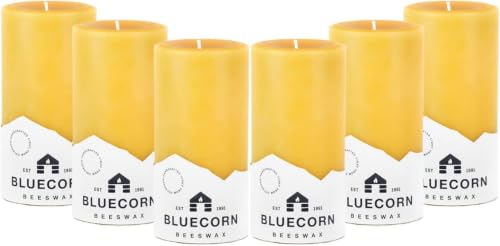
100% Pure Beeswax Candle: Hand-poured from naturally filtered beeswax for a rich, golden glow. These clean burning candles are free from paraffin, soy, and synthetic fragrances. Each 1-wick dripless pillar candle features natural cotton candle wicks and pure candle wax for a long-lasting burn and warm, cozy candle light.
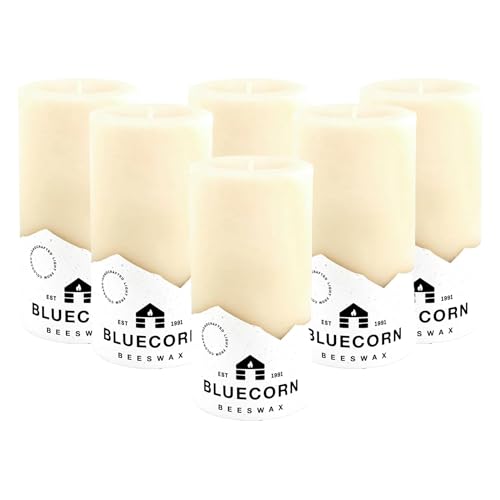
100% Pure Beeswax Candles — Non Toxic & Hypoallergenic: Hand-poured from naturally filtered beeswax for a truly unscented, hypoallergenic white beeswax candle. Each pure beeswax candle features a cotton wick for a clean, dripless burn, completely free from paraffin, soy and synthetic fragrances. A natural, non toxic candle alternative that adds warm, cozy candlelight to any setting.
Do Negative Ions From Beeswax Candles Really Work?
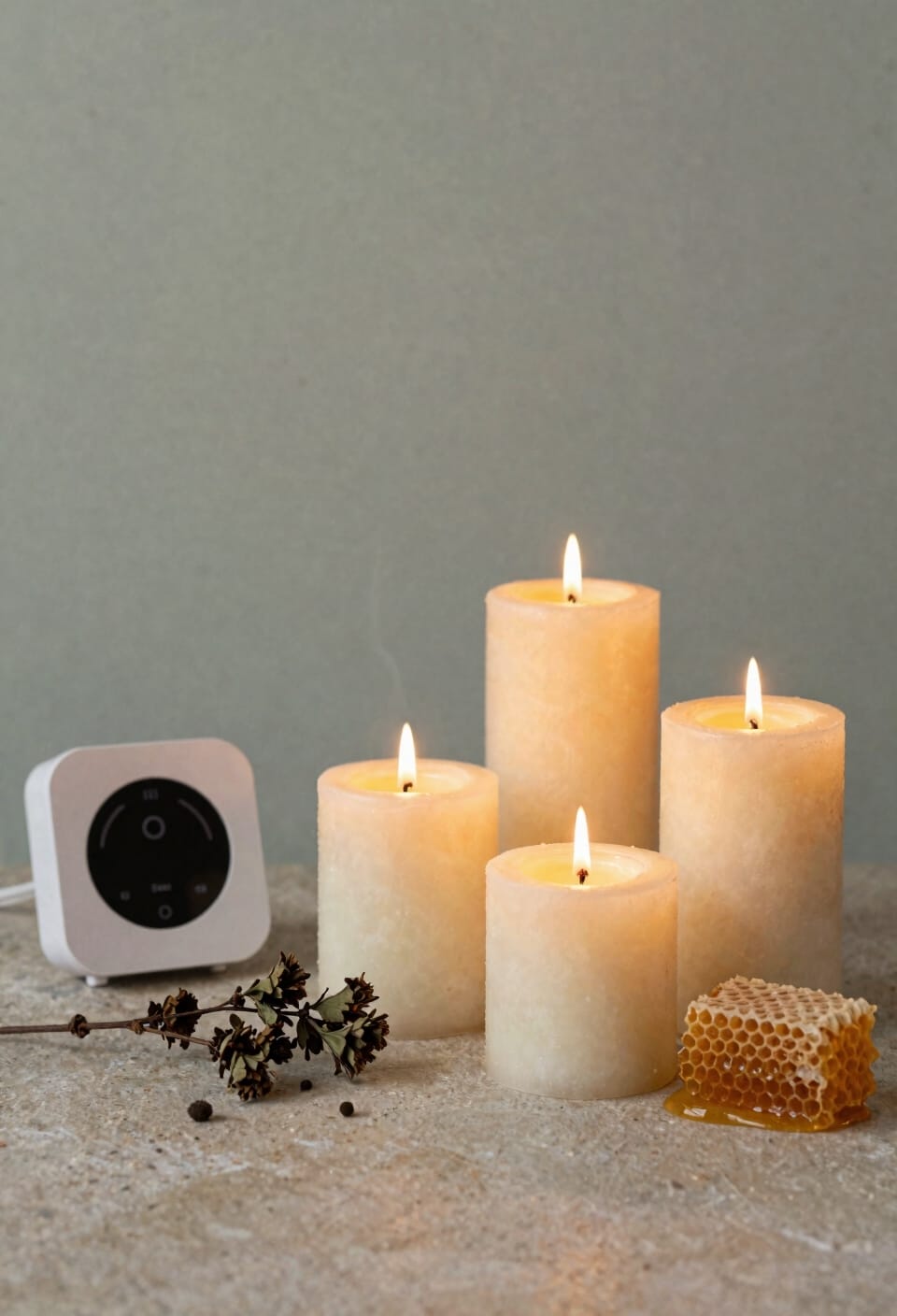
So we’ve established that beeswax won’t coat your lungs with benzene like paraffin will, and that’s genuinely valuable—but here’s where the marketing gets fuzzy. The negative ionation skepticism is real. Beeswax supposedly releases negative ions that neutralize pollutants, making your air cleaner. Sounds great, right? Here’s the problem: no peer-reviewed combustion mechanisms study actually measures this happening. We’re working with anecdotal reports and marketing claims, not controlled research. Some studies hint at possible ion release, but the evidence is thin at best. Your air probably *feels* fresher around beeswax candles, but that’s likely because you’re not breathing in paraffin’s toxic byproducts. The actual air-purifying effect? Still unproven.
Real User Experiences: What People Actually Notice
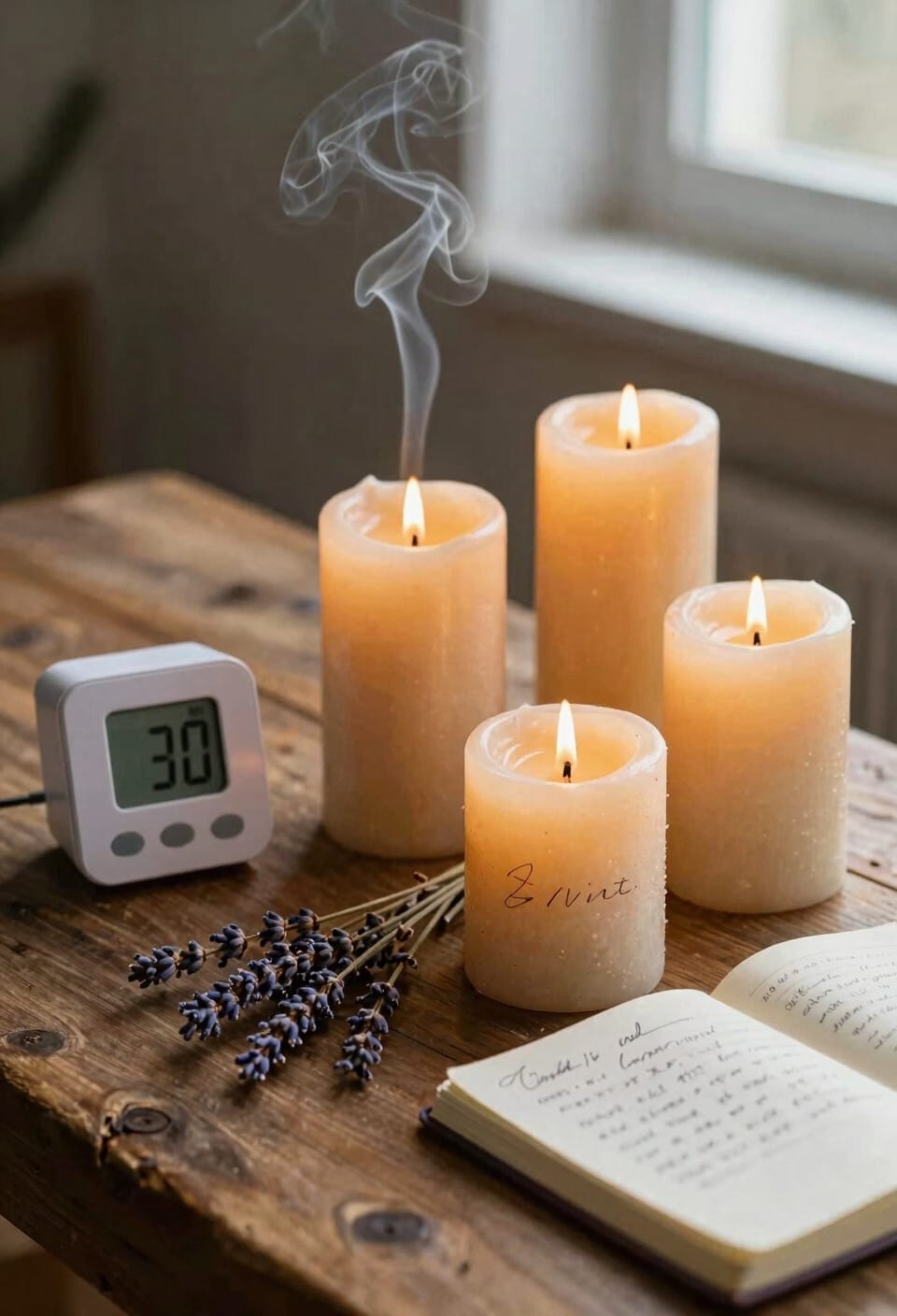
The testimonials are wild—people swear they’ve ditched their allergies, cleared their sinuses, and finally stopped waking up wheezing the moment they switched to beeswax candles, and I don’t want to dismiss that out of hand because there’s clearly *something* happening in their lived experience. User testimonials paint sensory comparisons that feel genuine: air feels lighter, fresher, less heavy. Many describe it as finally breathing without that chemical coating in their throat. Here’s the thing though—these improvements might stem less from negative ions and more from what beeswax *isn’t* doing. You’re not burning paraffin’s toluene and benzene. You’re not inhaling synthetic fragrance compounds. The relief people feel could simply be absence of irritation rather than active purification. That’s still valuable.
Beeswax vs. Real Air Purifiers: Managing Expectations
Now, here’s where I need to be straight with you: beeswax candles are genuinely better than paraffin at not poisoning your air, and that matters—but they’re not air purifiers, and pretending they are sets you up for disappointment. Medical-grade air purifiers actively filter thousands of cubic feet per hour. Your beeswax candle? It’s doing something more modest. Consumer expectations often get inflated by marketing language, and the cost comparison makes sense: why spend $40 on a fancy candle when a real HEPA purifier runs $100-300 and actually works? Think of beeswax as harm reduction—eliminating toxins rather than removing existing pollutants. It’s still worth it if you’re sensitive to paraffin’s chemicals, but manage your expectations accordingly.
Recommended Products

Advanced HyperHEPA Filtration: Designed to remove and trap 99.995% of all airborne particles down to 0.003 microns, the Atem X supplies unequaled protection against dust, pollen, pet dander, smoke from wildfires, and more. True HEPA filtration

3-Stage Filtration System: AlorAir Cleanshield HEPA 550 Air Scrubber build with Airflow 270-550 CFM with Variable Speed as a portable HEPA air purifier. It can be used with up to 3 levels of filtration, pre-filters, activated carbon/HEPA filters.

Who Might Benefit Most: Allergies, Asthma, and Sensitivities
If you’re buying beeswax candles because paraffin makes you wheeze or triggers your allergies, you’ve actually found something genuinely useful—and I’m not overstating that. Here’s the thing: beeswax doesn’t release the toxic byproducts like toluene and benzene that paraffin does. For sensitive households dealing with pediatric asthma or chronic allergies, that absence alone matters more than any negative ion marketing claim. You’re not getting miraculous air purification, but you’re removing a known irritant. Users consistently report cleaner-feeling air and fewer symptoms when they switch. The benefit isn’t flashy or measurable like a HEPA filter, but if paraffin triggers your symptoms, beeswax genuinely offers relief. That’s worth something.
Recommended Products

BURNING TIME: 22cm (9 inches) SKINNY - approximately 1 hour; For maximum burn time place the candles in an area with minimal air movement. Avoid drafty areas such as near open windows, vents, or fans.

100% Pure Beeswax Votives: Hand-poured from naturally filtered beeswax, these small candles offer a warm, golden glow and clean, natural candlelight for cozy evenings, holiday gatherings, or everyday home decor

✨ Luxurious Gold Finish for Elegant Decor:Add a touch of opulence to your celebrations with our stunning gold pillar candles. Each candle features a rich, metallic gold exterior over a natural beeswax-colored core, creating a warm and radiant glow that exudes sophistication for both Christmas and wedding settings.
Choose and Burn Beeswax Candles Right
All right, so you’ve decided beeswax is worth the investment—maybe because paraffin was messing with your breathing, or maybe you just want to stop pumping synthetic toxins into your home. To actually get benefits, you need proper wick management. Trim it to a quarter inch before each burn to prevent excessive smoke. Your ventilation strategy matters too—crack a window slightly so fresh air circulates while the candle burns. Room placement is key; position your candle away from drafts that cause uneven melting. Efficient trimming prevents tunneling, where wax pools unevenly and wastes product. Burn your beeswax candle for at least two hours so the melt pool reaches the edges. These steps maximize what beeswax actually offers you.
Recommended Products

Beeswax candle kit: Orange Wax Melter with LED Display 1pcs,5lbs natural beeswax,8in candle wicks 30pcs,6in candle wicks 30pcs,3.5in candle wicks 30pcs,beeswax wicks 30pcs,wick stickers 100pcs,wick holder 10pcs,measuring cup 1pcs,manual instruction 1pcs.Includes Everything you need to make your own candles.

100% Pure Beeswax – Natural & Non-Toxic: Sustainably sourced beeswax, free of paraffin, toxins, and synthetic additives for a clean burn.

Self-extinguishes when the flame reaches the clip
Why Beeswax Candles Aren’t Air Purifiers (But Are Worth It Anyway)
Look, I’m going to level with you—despite what the marketing claims and those glowing testimonials you’ll find online, beeswax candles aren’t actually purifying your air the way a HEPA filter does. They won’t trap pollutants or eliminate allergens through negative ions, because science hasn’t proven that mechanism works. What beeswax *will* do is eliminate the problem altogether by offering clean burning techniques that paraffin simply can’t match. With proper beeswax sourcing, you’re getting a candle that burns without toxic byproducts. So yeah, you’re getting fresher air—just not through purification. You’re getting it by removing the junk that regular candles introduce. That’s honestly worth more than the hype suggests.
Frequently Asked Questions
How Long Should I Burn Beeswax Candles Daily for Noticeable Air Quality Improvements?
I’d recommend burning beeswax candles 3-4 hours daily for potential air quality improvements, though measurable effects aren’t scientifically guaranteed. You’ll likely notice fresher air over weeks rather than days.
Are Beeswax Candles Safe to Use Around Pets and Children Continuously?
I’d say beeswax candles are safer than paraffin—like comparing filtered water to tap water. They’re generally safe around pets and children continuously since they’re non-toxic, though I’d still supervise and guarantee proper ventilation.
What’s the Cost Difference Between Beeswax and Paraffin Candles Over One Year?
Beeswax’s initial cost runs two to three times higher than paraffin, but I’ve found the ongoing savings justify it—they burn longer, lasting markedly more hours annually, reducing replacement frequency and total yearly expenses.
Can Beeswax Candles Help With Specific Odors Like Smoke or Cooking Smells?
I’ve found beeswax candles work like sponges for odors. They neutralize smoke and cooking smells through natural deodorization and odor adsorption. You’ll notice fresher air without artificial fragrance masking, though they’re not miracle workers for heavy odors.
How Many Beeswax Candles Do I Need to Effectively Treat a Room?
I’d recommend considering your room volume and candle density—typically one per 100 square feet works. Optimize wick placement for proper burn time, though results won’t match medical-grade purifiers.
Conclusion
Look, I’m not going to tell you beeswax candles‘ll single-handedly purify your entire home—that’d be like expecting a birthday candle to heat your house. But here’s what I’ve learned: they’re genuinely worth burning if you’ve got sensitivities or allergies. They’re not miracle workers, though. Pair them with actual air purifiers, open your windows, and you’re golden. Skip the hype, embrace the ambiance.