As an Amazon Associate, we earn from qualifying purchases. Some links on this site are affiliate links at no extra cost to you. Our recommendations are based on thorough research and editorial judgment.

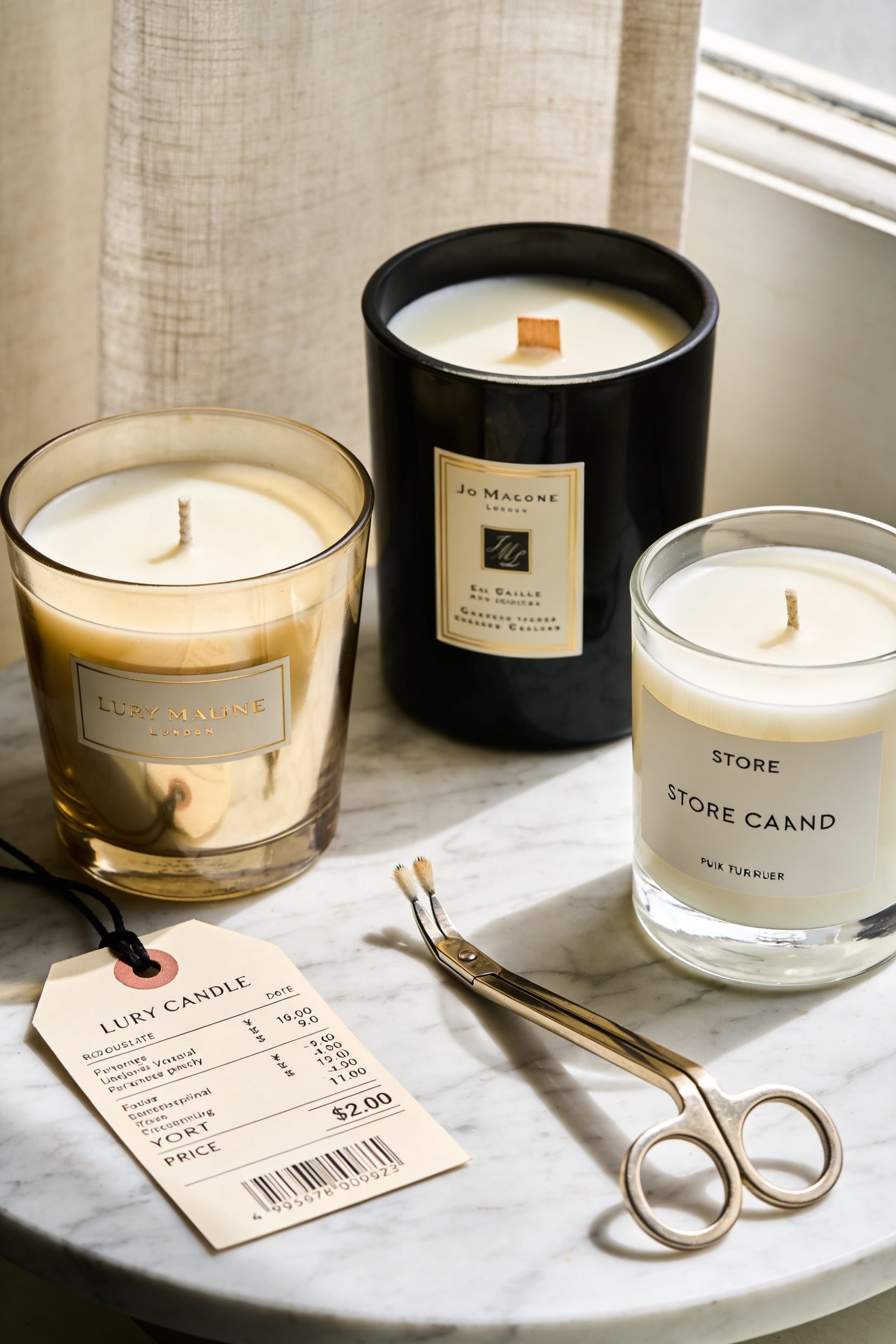
Are Expensive Candles Worth It? Honest Breakdown

All right, here’s the truth: expensive candles aren’t inherently worth it, but they’re not a scam either. Premium waxes like soy and coconut burn slower and cleaner than cheap paraffin, and complex fragrance layering actually smells better. You’ll pay more upfront, but if you burn candles daily, the longevity and scent throw justify the cost. Budget candles work fine for occasional use or guest bathrooms. The real question isn’t price—it’s how often you actually burn them, and what happens when you dig into the specifics matters more than you’d think.
Key Takeaways
- Premium candles burn 40–50 hours with clean wax; budget options burn 15–20 hours and produce more soot.
- Complex fragrance layering with essential oils maintains scent presence longer than synthetic, one-dimensional budget fragrances.
- Reusable vessels from premium candles become functional decor; budget containers are typically disposable.
- Cost-per-hour varies by quality, but daily burners justify premium investment; occasional users suit budget options.
- Premium candles make memorable gifts; budget candles feel forgettable and lack lasting impression.
The Real Difference: What Premium Candles Actually Offer
When you’ve burned through enough cheap candles to know the specific smell of disappointment—that acrid, sooty tang mixed with a scent that’s somehow both overwhelming and invisible within five minutes—you start wondering if the expensive ones are actually different or just better at marketing themselves.
They’re different. Here’s what you’re actually getting: premium vessels designed to be keepsakes rather than trash. Superior wax blends like soy or coconut that burn cleaner and longer than petroleum-based paraffin. But the real magic? Sensory layering. Premium candles feature complex fragrance profiles with distinct top, middle, and base notes—like fine perfume rather than one-dimensional synthetic scent. That means the aroma evolves as it burns, developing depth instead of fading into background noise. You’re not just buying wax; you’re investing in a genuinely different experience.
Do They Really Burn Longer? Testing the Longevity Claims
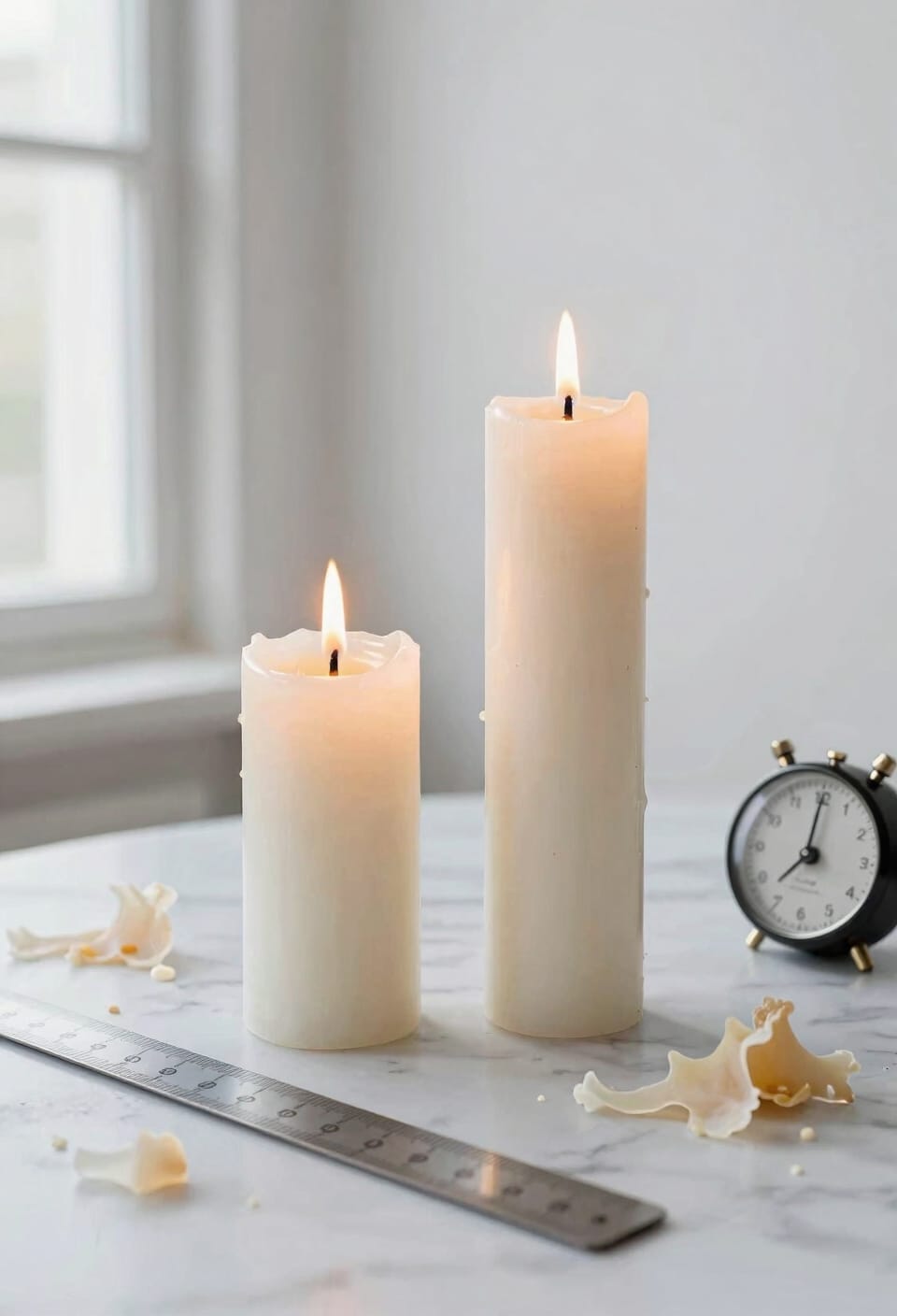
Now, here’s where the rubber meets the road—or more accurately, where the wick meets the wax. I’ve tested this obsessively, and yes, premium candles genuinely burn longer. The difference? Quality wax and candle wick construction. Cheap paraffin candles tunnel and burn through faster, especially at room temperature where cheaper wicks can’t maintain even combustion. Premium soy or vegan blends? They’re engineered differently. I’m talking 40-50 hour burn times versus 15-20 hours with budget options. That’s not marketing fluff—that’s measured performance. The superior wax density means slower, steadier consumption. You’re not imagining it when a luxury candle lasts weeks while cheap ones vanish in days. The longevity genuinely justifies the upfront cost.
Scent Quality: Why Complex Fragrances Cost More
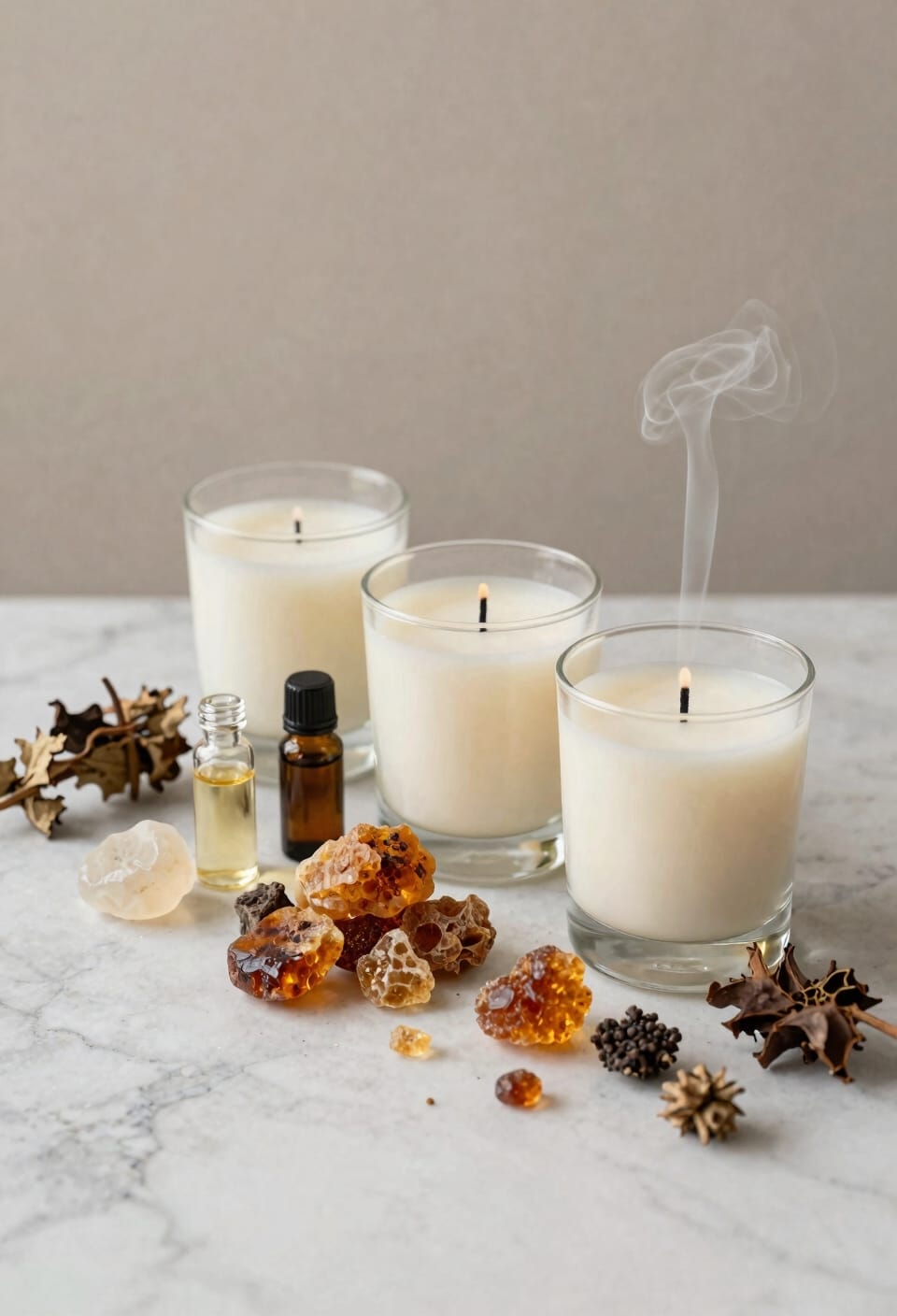
If you’ve ever spritzed a cheap candle and caught that flat, one-note synthetic smell—like someone decided “vanilla” needed no nuance whatsoever—you’ve experienced the fragrance gap that explains why premium candles command higher prices.
Here’s the thing: layered perfumery isn’t just marketing speak. Luxury candles employ olfactory architecture with top, middle, and base notes that unfold over time, much like fine perfume. A $15 candle might have synthetic vanilla. A $60 one blends Madagascar vanilla, amber, and sandalwood sourced separately by expert perfumers.
This complexity costs money. Essential oils run pricier than petroleum-based synthetics. Crafting those layered blends requires actual expertise. You’re not just buying fragrance—you’re investing in a scent experience that actually *changes* as it burns, rather than fading into nothingness within hours.
The Soot Factor: Health Impact of Budget vs. Premium
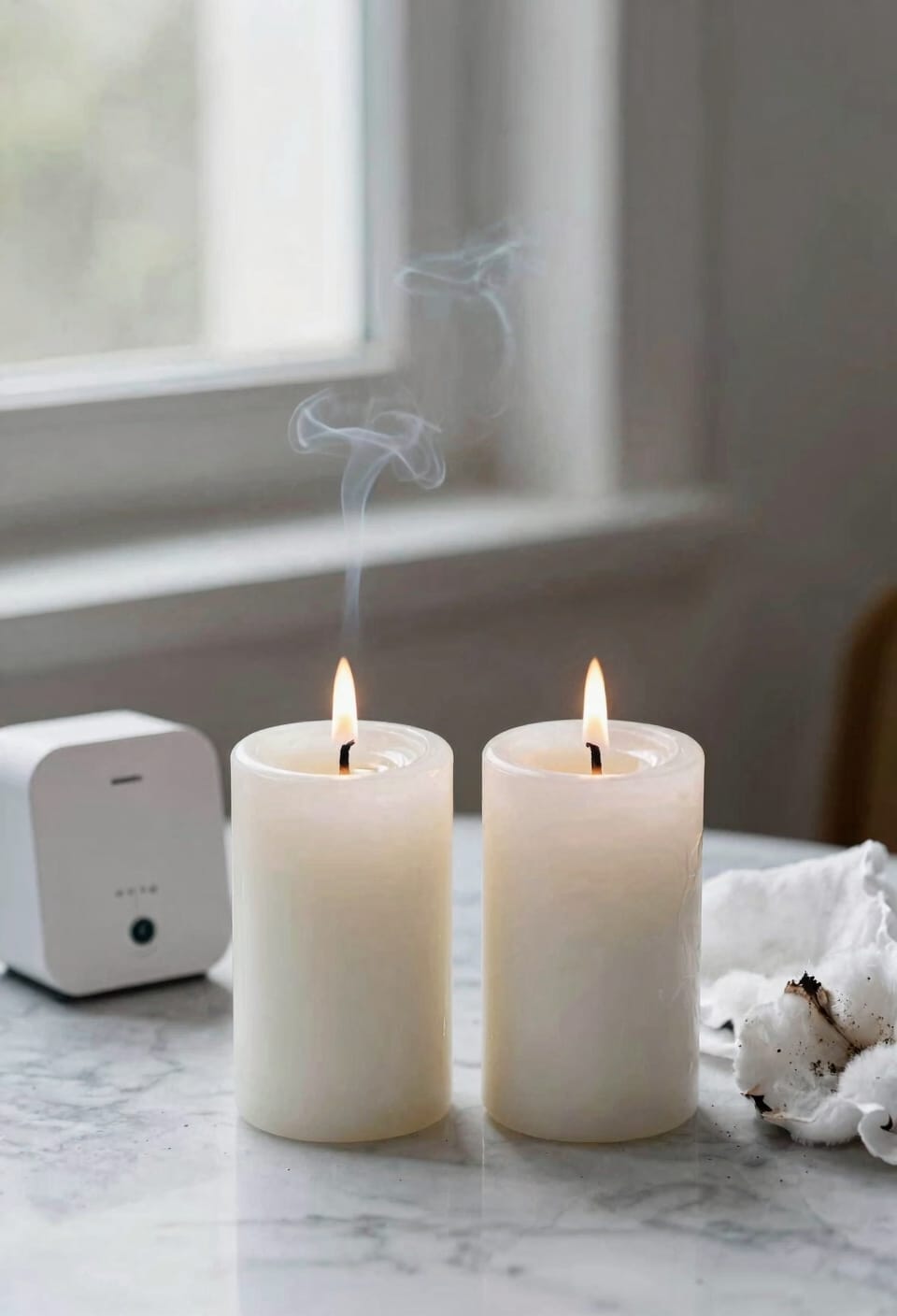
The real cost of a cheap candle isn’t always visible until you’re wiping black residue off your ceiling—that’s soot, the byproduct of burning inferior wax that’s silently coating your walls, your lungs, and basically everything you hold dear. Paraffin candles produce markedly more soot than premium alternatives, directly impacting your indoor air quality. You’re literally breathing in particulates every time that budget candle burns. Premium waxes like soy or coconut burn cleaner, producing minimal soot and protecting your respiratory risks. Look, I’m not saying cheap candles will send you to the hospital, but why compromise your home’s air quality when quality options exist? Your lungs deserve better than petroleum byproducts masquerading as ambiance.
Burn Consistency and Performance in Real Conditions

Beyond what’s happening on your walls and in your lungs, there’s another performance gap that separates premium candles from their budget counterparts, and it’s one you’ll notice the moment you light them up: how they actually burn. Cheap candles tunnel—that’s when wax builds up around the edges while the center melts down, wasting product and creating an uneven mess. Premium waxes? They burn consistently and evenly, regardless of ambient airflow in your space. You won’t deal with wick mushrooming either, where the wick balls up and smolders. Quality wicks self-extinguish properly, maintaining a controlled burn rate that actually lasts. It’s the difference between a candle that disappoints you halfway through and one that performs reliably until the very end.
Craftsmanship and Reusable Design as Hidden Value
While you’re evaluating whether that $60 candle is worth the investment, here’s what most people overlook: you’re not just buying a burn experience, you’re buying an object that’ll sit on your shelf long after the wax is gone.
Premium candles come in hand-poured vessels—think hand-blown glass or ceramic containers—that shift seamlessly into decor once the wick’s exhausted. I’ve repurposed mine as pen holders, succulent planters, even tea light holders. That’s genuine added value.
The craftsmanship matters too. Artisanal production means each candle’s meticulous attention to detail reflects in its finish and construction. These reusable containers aren’t afterthoughts; they’re designed with intention, converting a consumable into something lasting and functional for your space.
Sustainability and Ethical Sourcing: Premium or Marketing?
When you’re dropping $60 on a candle, you’ve probably noticed the brand’s talking points about ethically-sourced wax and sustainable production—and I don’t blame you for wondering if that’s genuine commitment or just premium pricing with a green label slapped on it. Look, some brands genuinely prioritize ethical transparency and fair trade practices throughout their supply chain. They’ll detail where their soy or coconut wax originates, how they’re reducing carbon footprint, and actually back it up. Others? Marketing fluff. The honest move: dig into a brand’s certifications before buying. Real sustainability costs more upfront but means you’re funding responsible practices, not greenwashing. You’re investing in products that don’t compromise your values alongside your wallet.
The Math: Cost Per Burn Hour and Long-Term Savings
Let me break down the actual economics of expensive candles, because here’s what I’ve learned after burning through (literally) way too much money on wax and fragrance: a $60 luxury candle that burns for 50+ hours costs you roughly $1.20 per hour, while that $12 bargain-bin option with a 15-hour burn time runs you 80 cents per hour—but that math falls apart the second you factor in what you’re actually getting. The hourly cost tells only part of the story. That cheap candle produces heavy soot, tunnels after three burns, and smells like artificial vanilla for exactly two minutes. Your premium candle maintains consistent scent throw, burns cleanly, and lasts through its full lifespan. When you calculate lifespan math honestly, you’re not comparing dollars per hour—you’re comparing actual usable experience versus waste.
When Budget Candles Actually Make Sense
Now, I’m not saying you should abandon quality candles altogether—but the math I just laid out assumes you’ll actually use that expensive candle correctly, which, let’s be honest, most of us don’t. Budget candles genuinely shine in specific situations. Seasonal bargains during clearance sales work perfectly for guest bathrooms or spaces you don’t frequent daily. Travel tins are ideal; you’re not committing serious cash to something you’ll burn sporadically or risk losing. Short-term mood boosts matter too—sometimes you just want ambient scent without the investment. If you’re still figuring out your fragrance preferences, cheaper options let you experiment guilt-free. The key’s matching the candle’s expected lifespan to your actual usage patterns. Not every burn deserves a luxury wax.
How to Decide: A Quick Evaluation Checklist
Three questions should guide your candle purchase decision: How often will you actually burn it? Consider your scent memory—do certain fragrances genuinely improve your mood and space, or do you light candles once yearly? Next, think about gift suitability. Are you buying for someone specific, or just yourself? Premium candles make stellar gifts; budget options feel forgettable. Finally, assess your expectations. Want something that lasts months with strong scent throw, or just occasional ambiance? If you’re burning candles daily and value complex fragrance profiles, premium wax and quality wicks justify the investment. If you’re an occasional burner with minimal scent sensitivity, budget options work fine. Honest self-assessment beats guilt-driven spending either way.
Frequently Asked Questions
Can Expensive Candles Improve My Mood or Mental Health Through Scent Alone?
Absolutely. I’ve found that quality candles’ complex fragrances genuinely support mood enhancement through aromatherapy principles. Premium essential oil blends offer psychological benefits that cheap synthetic scents can’t match, creating meaningful emotional shifts in your space.
How Do I Store Luxury Candles to Maximize Their Lifespan and Performance?
I’ll keep your candles carefully stored in cool, dark places—away from direct sunlight and heat sources. Ideal trimming of wicks to quarter-inch lengths prevents tunneling and prolongs performance, preserving your premium investment’s pristine potential.
Are There Specific Brand Recommendations for Beginners Trying Premium Candles?
I’d recommend starting with Jo Malone for approachable luxury—their single-note fragrances are perfect for beginners. If you’re ready to invest deeper, Diptyque Ambiance offers complex, layered scents that justify premium pricing beautifully.
What’s the Difference Between Essential Oil and Fragrance Oil Performance Over Time?
Essential oils’ll fade lightning-fast compared to fragrance oils’ rock-solid performance. I’ve found essential oil longevity diminishes within hours, while fragrance oil consistency maintains that scent throw for days. It’s night-and-day different.
Do Expensive Candles Work Better in Large Rooms Versus Small Spaces?
I’ve found expensive candles absolutely excel in larger rooms—their superior scent throw disperses effectively across expansive spaces, while their extended burn time guarantees sustained fragrance without frequent relighting that cheaper options demand.
Conclusion
I’ve learned this the hard way: you don’t need to spend $60 on a candle, but the cheapest option’ll disappoint you. A mid-range soy blend ($20–30) burns cleaner, smells better, and lasts longer than budget paraffin. You’re paying for quality wax, proper fragrance concentration, and decent wicks. Skip the extremes. Find your sweet spot, and you’ll actually enjoy burning them.