As an Amazon Associate, we earn from qualifying purchases. Some links on this site are affiliate links at no extra cost to you. Our recommendations are based on thorough research and editorial judgment.

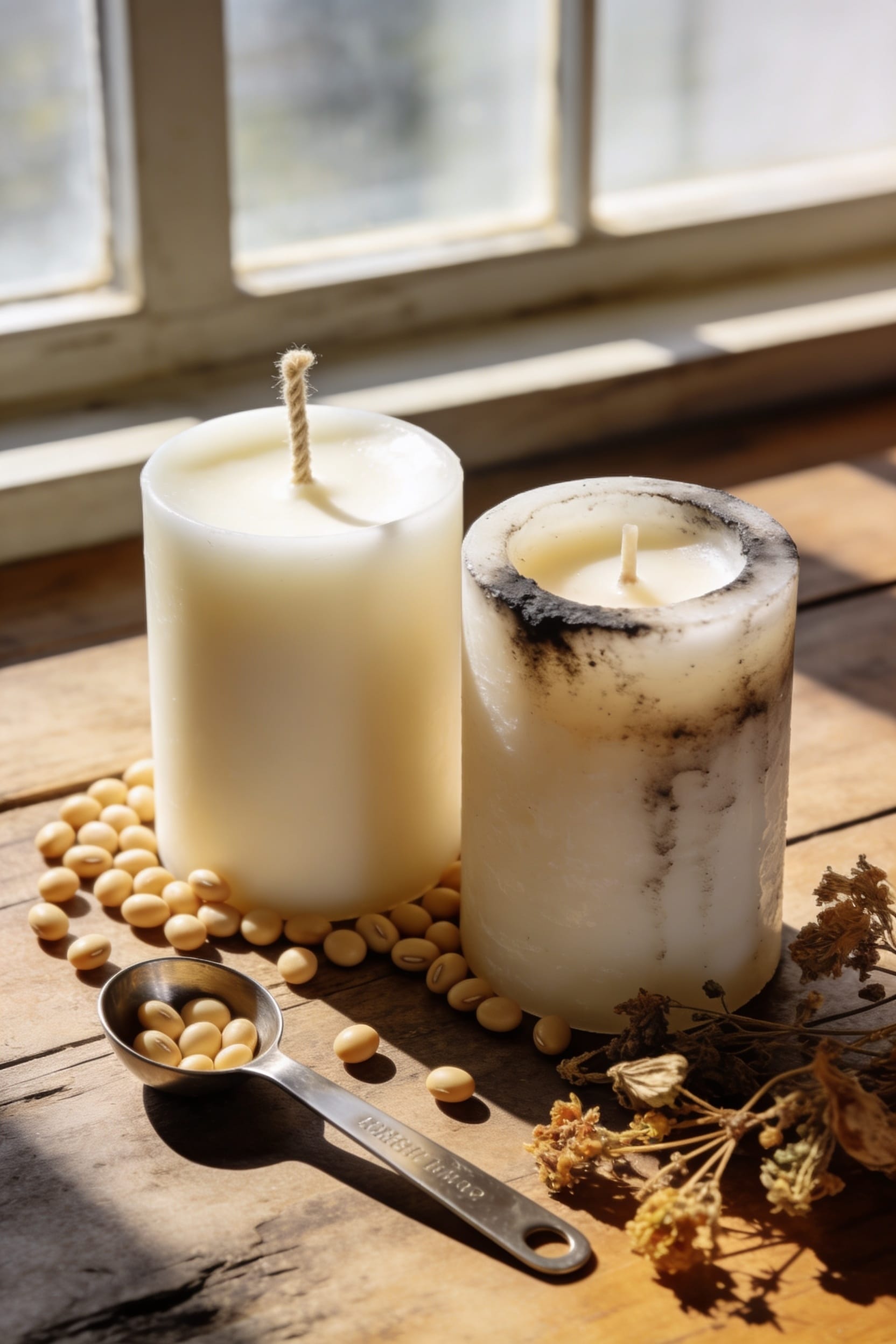
Soy Candles vs Regular Candles: Which Should You Buy?

Look, soy candles burn roughly 50% longer than paraffin, which means you’re actually spending less per hour even though the upfront cost stings more. They throw scent more evenly, produce way less soot, and don’t release benzene or toluene into your air like paraffin does. You’ll notice the difference in how long fragrance lingers and how clean your walls stay. The environmental argument’s solid too—renewable versus fossil fuel byproducts. Your wallet and your lungs will thank you, though the choice ultimately depends on your priorities and budget.
Key Takeaways
- Soy candles burn 50% longer than paraffin, offering better value despite higher upfront costs.
- Soy wax burns cooler and cleaner, producing less soot and harmful emissions like benzene.
- Soy provides consistent, even fragrance throw compared to paraffin’s intense initial release then fade.
- Soy comes from renewable soybeans while paraffin relies on petroleum extraction and fossil fuels.
- Calculate cost-per-hour by dividing price by burn time; soy often proves cheaper long-term.
Soy vs. Paraffin: What’s the Real Difference?
When you’re standing in front of a candle display trying to decide what’s worth your money, the wax type matters way more than most people realize—and I learned that the hard way after burning through a bunch of paraffin candles that smelled amazing for about five minutes before fading into nothing.
Here’s the thing: soy and paraffin differ fundamentally in wax chemistry and production methods. Paraffin comes from petroleum byproducts and burns hot and fast, releasing your fragrance quickly but unevenly. Soy wax derives from renewable soybeans, burns cooler and slower, holding scent longer for consistent throw. You’ll notice paraffin fades within hours; soy keeps delivering that true fragrance you paid for. The production process matters too—soy’s gentler burn means less soot, cleaner air in your home.
Burn Time and Value: Which Candle Lasts Longer?
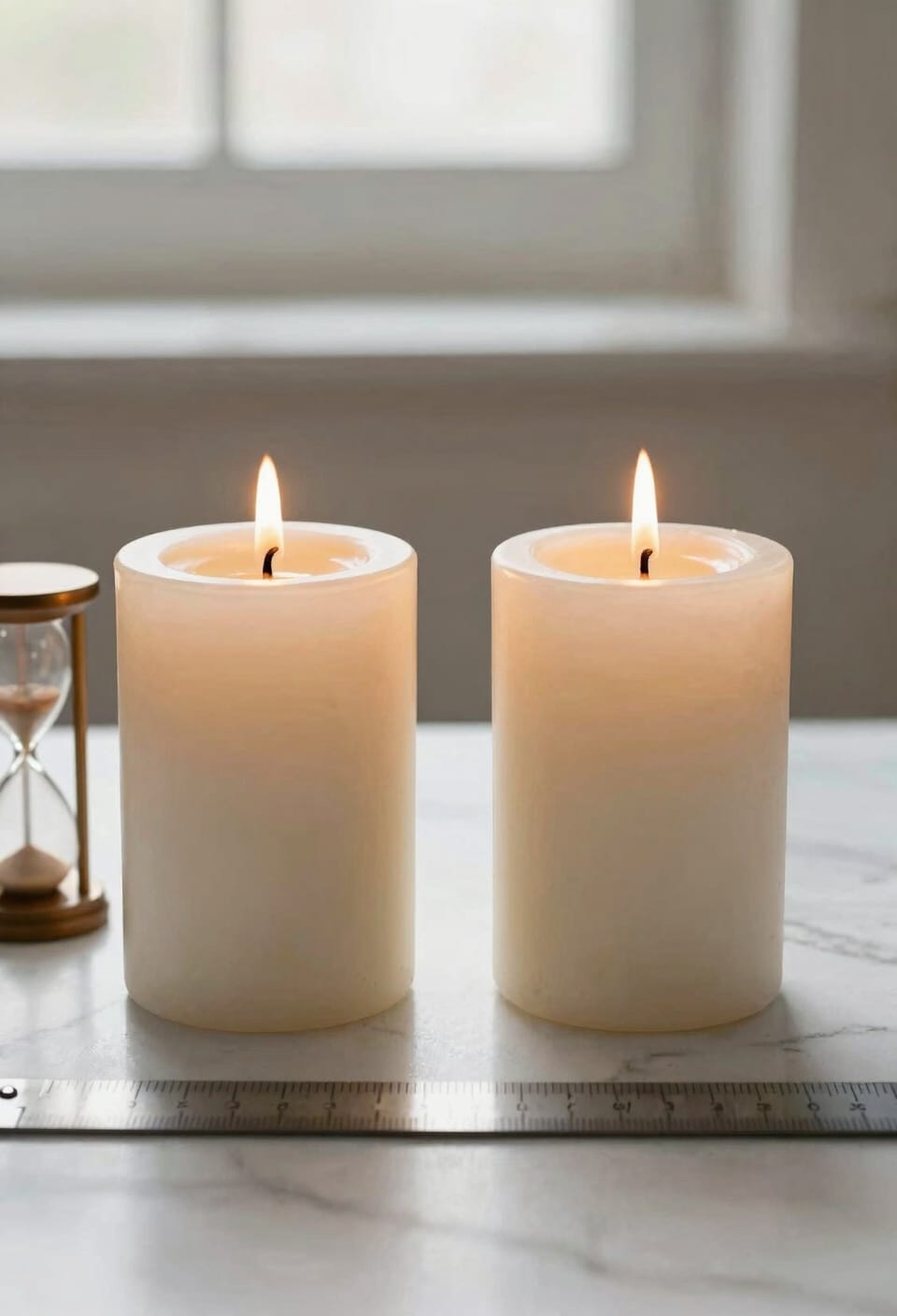
Because you’re probably not keen on replacing candles every other week, burn time‘s actually one of the most practical reasons to contemplate switching to soy. Soy wax burns roughly 50% longer than paraffin, meaning you’ll get markedly more hours of use per candle. That longer burn time matters—especially when you factor in candle maintenance like wick trimming, which helps optimize performance. Room ventilation and ambient conditions affect how efficiently any candle burns, but soy’s cooler, slower melt gives you more control. Yes, soy costs more upfront. But when you’re not constantly replacing spent candles, that premium price balances out fast. You’re fundamentally getting more value per candle, which makes the investment genuinely worthwhile long-term.
Recommended Products

Elegant Rose Design: Handcrafted rose shaped soy wax candles topped with real dried flowers — perfect for weddings and romantic events.


Professional Wax Melter for Candle Making or Soap Making, Melter 3 Gallon Stainless Tank, Extra Deep for Your Larger Batches Of Candles or Soap, This Has Been Designed From Customers Requests and is Unlike Other Competitors.
Cost Per Hour: Which Candle Wins Long-Term?
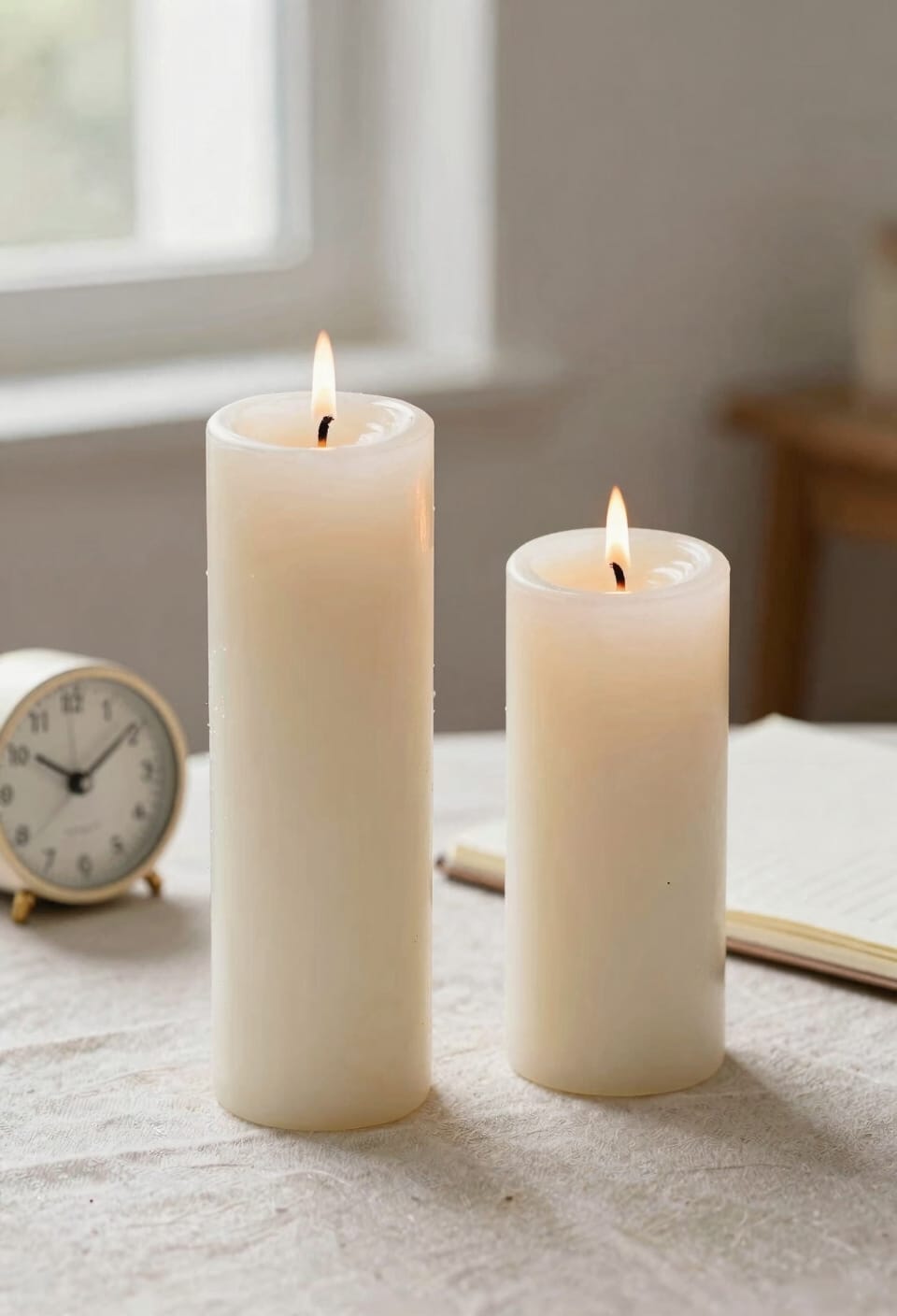
Let’s do the math that actually matters—not just the sticker price you’re paying upfront, but what you’re really spending per hour of burn time. Soy candles cost more initially, sure. But here’s where the initial investment pays off: soy burns fifty percent longer than paraffin, which means you’re getting dramatically more hours per candle. When you divide that premium price by actual burn hours, soy wins. You’ll replace paraffin candles constantly, racking up maintenance costs that quietly add up. I’ve watched people grab cheaper paraffin repeatedly, thinking they’re saving money until they realized they’d spent twice as much. Soy’s higher upfront cost gets offset by longevity. You’re not really paying more—you’re just paying smarter.
Recommended Products

100% Pure Beeswax Candle: Hand-poured from naturally filtered beeswax for a rich, golden glow. These clean burning candles are free from paraffin, soy, and synthetic fragrances. Each 1-wick dripless pillar candle features natural cotton candle wicks and pure candle wax for a long-lasting burn and warm, cozy candle light.
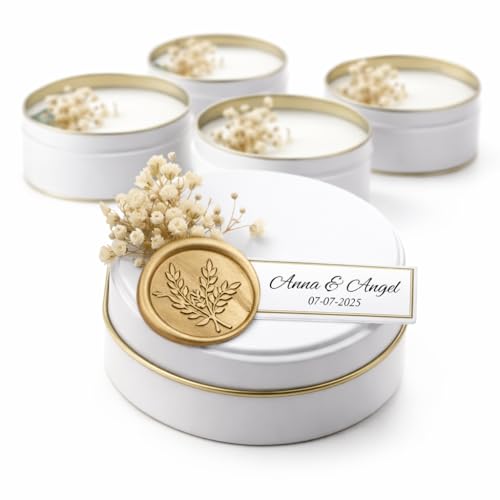
Elegant Wedding Candle Favors: Hand-poured soy candles with mini bouquets — perfect for weddings, showers, and engagement parties.

SCENT - Feu de Bois evokes fresh pine falling on curls of sandalwood & rare Virginia cedarwood. Smoky leather accords, frankincense & nuances of vanilla are tranquil and comforting.
Soy vs. Paraffin: Health Impact Comparison
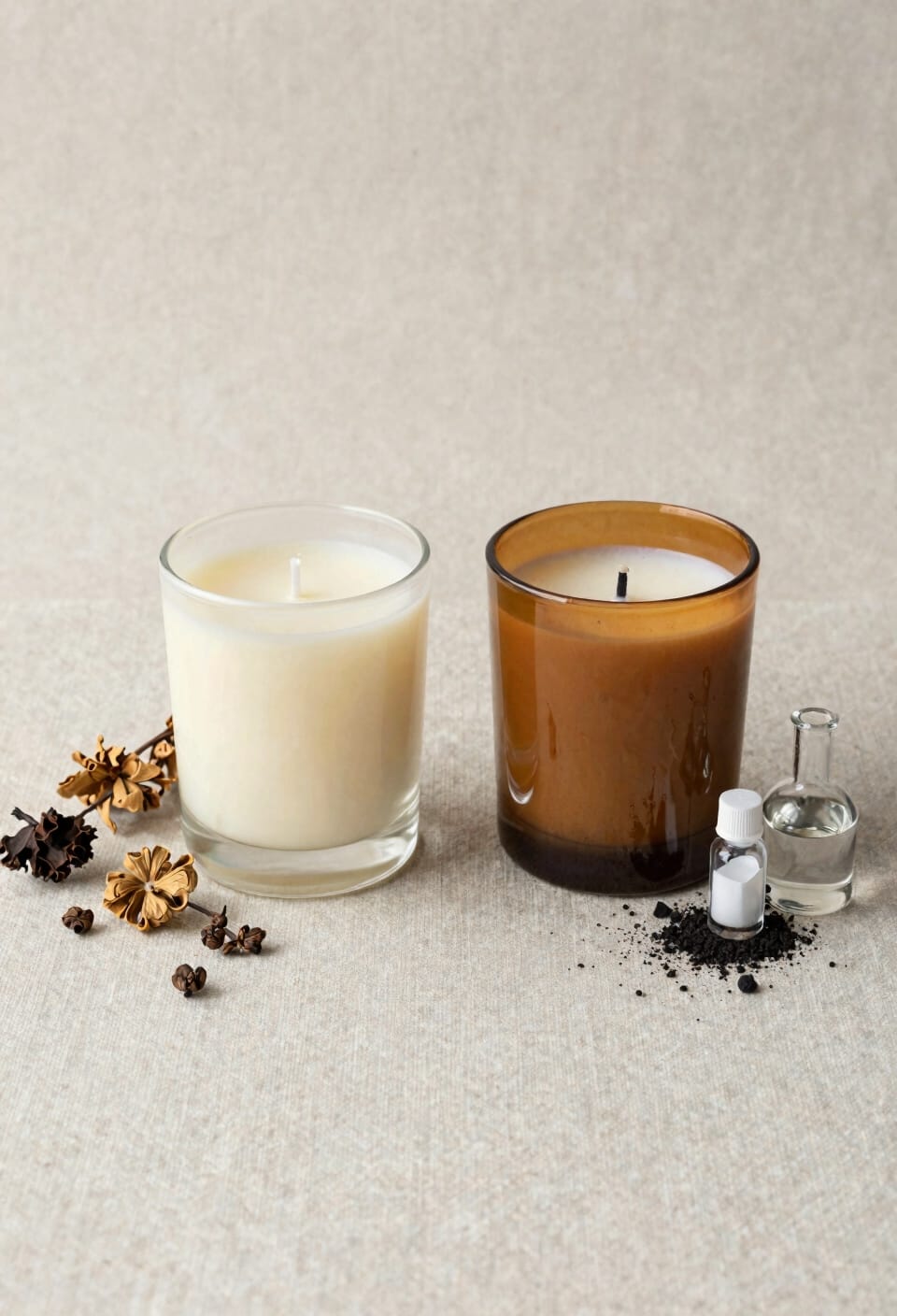
While cost-per-hour matters for your wallet, what you’re actually breathing in matters more—and this is where soy and paraffin diverge pretty dramatically. Paraffin candles release benzene and toluene as they burn—toxins that accumulate with consistent inhalation. Soy candles? They produce virtually no harmful emissions. If you’ve got respiratory issues or allergen considerations, this difference is real and worth taking seriously. Soy burns cleaner, which means better indoor air quality over time. You’re not just getting a prettier flame; you’re protecting your lungs. I know paraffin’s cheaper upfront, but breathing easier? That’s priceless. Your home deserves better air, and your body will thank you for choosing soy.
Recommended Products
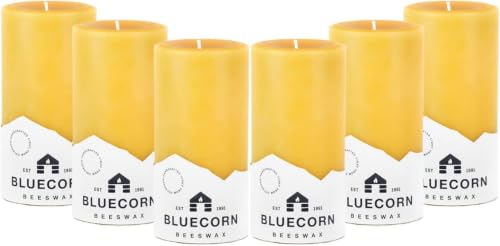
100% Pure Beeswax Candle: Hand-poured from naturally filtered beeswax for a rich, golden glow. These clean burning candles are free from paraffin, soy, and synthetic fragrances. Each 1-wick dripless pillar candle features natural cotton candle wicks and pure candle wax for a long-lasting burn and warm, cozy candle light.
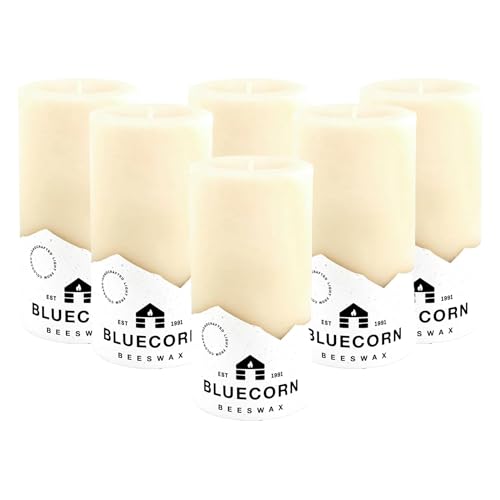
100% Pure Beeswax Candles — Non Toxic & Hypoallergenic: Hand-poured from naturally filtered beeswax for a truly unscented, hypoallergenic white beeswax candle. Each pure beeswax candle features a cotton wick for a clean, dripless burn, completely free from paraffin, soy and synthetic fragrances. A natural, non toxic candle alternative that adds warm, cozy candlelight to any setting.

100% Pure Beeswax Votives: Hand-poured from naturally filtered beeswax, these small candles offer a warm, golden glow and clean, natural candlelight for cozy evenings, holiday gatherings, or everyday home decor
Scent Performance: Fragrance Strength and Duration
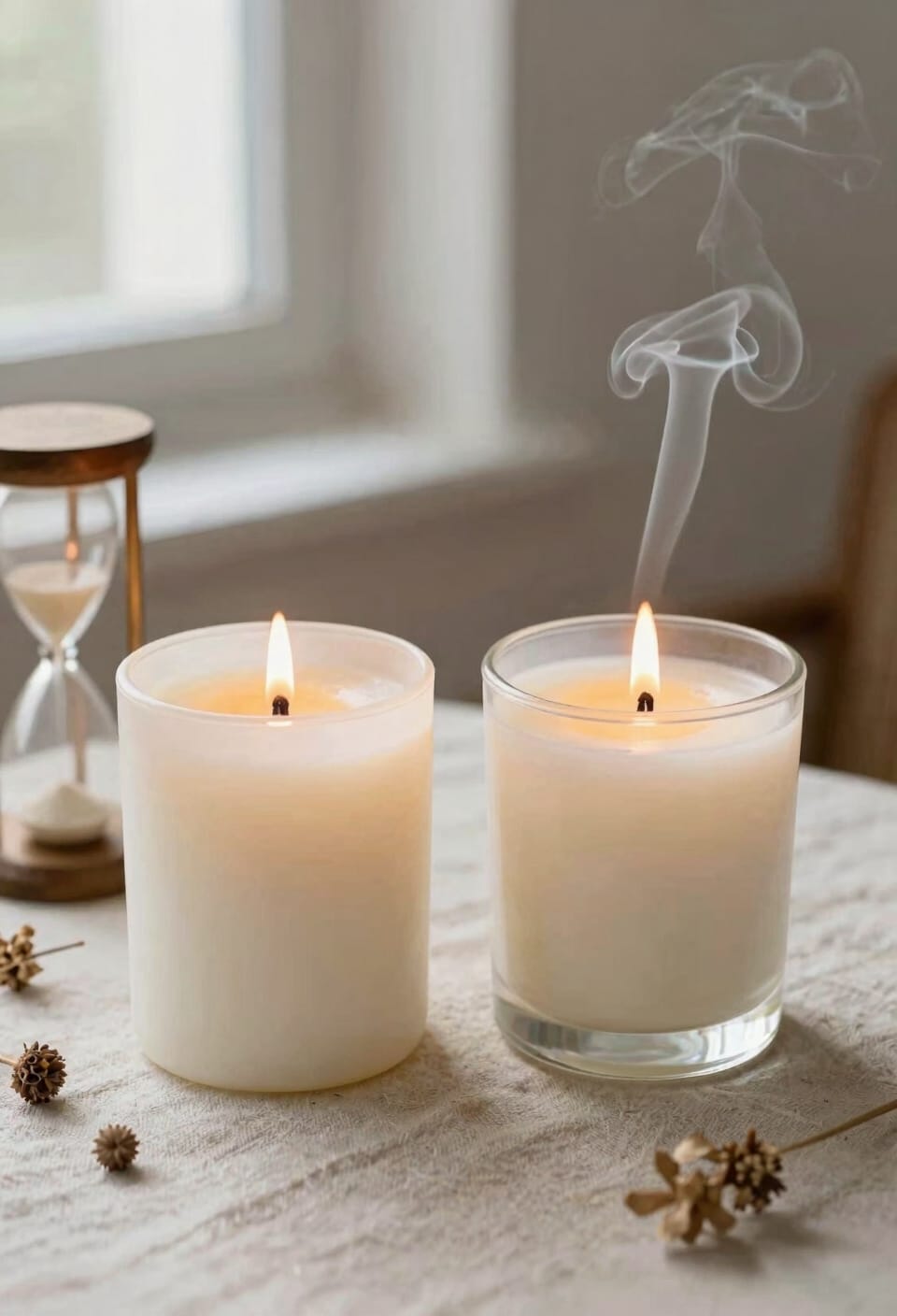
Now that we’ve covered what you’re breathing in, let’s talk about what you’re actually smelling—because a candle’s scent performance is where soy and paraffin show some genuinely interesting differences.
Soy wax holds fragrance more evenly, which means better fragrance diffusion throughout your space. You’ll notice the scent stays consistent rather than hitting you hard at first then fading into nothing. That’s partly because soy allows for scent layering—those top, middle, and base notes actually have time to develop and shift naturally.
Paraffin? It releases fragrance quickly but unevenly. You get an intense initial hit, then it’s gone. Soy candles burn cooler, so those essential oils release gradually. If you care about experiencing a candle’s full scent profile, soy delivers that experience more reliably.
Recommended Products

MASSIVE 8" × 14" LUXURY CANDLE – 300 OZ OF NATURAL COCONUT SOY WAX Make a statement with this Classic Big Ass Candle—our largest candle. This luxury candle delivers bold presence, elegant style, and room-filling fragrance. Perfect as a centerpiece for living rooms, great rooms, and upscale spaces.

UNIQUELY HANDMADE: Perfect for a relaxing ambiance! Each scented candle is crafted from real wood, providing a unique and sustainable touch. Heart shape elevates aesthetic!

Wax Weight: 3,632 g/ 128.12 oz
Soy vs. Paraffin: Environmental Footprint
Once you start thinking about what goes into making candles, the environmental story becomes pretty hard to ignore. Soy wax comes from renewable soybeans—a crop we can grow year after year—while paraffin‘s a petroleum byproduct that depletes non-renewable resources. That matters for your carbon footprint, especially when you multiply it across millions of candles burned annually.
Now, land use factors in too. Soy farming does require agricultural space, but it’s regenerative. Paraffin extraction? That’s fossil fuel dependency with all the baggage that comes with it. Plus, soy releases less soot and carbon dioxide when burning, which means cleaner air in your home and less atmospheric pollution overall.
Look, if environmental impact influences your purchases, soy’s genuinely the better choice here.
Making Your Choice: A Decision Framework
Boiling it down, you’re weighing trade-offs—and that’s really what choosing between soy and paraffin comes down to. Budget matters first. Paraffin’s cheaper upfront, but soy’s 50% longer burn time means fewer replacements. Next, consider your priorities. Want cleaner air and stronger scent throw? Soy wins. Need something affordable for every room’s aesthetics? Paraffin works fine. Think about gift suitability too. Soy feels more premium, aligns with eco-conscious values. Paraffin suits casual gifting. Health-conscious? Soy’s non-toxic emissions beat paraffin’s benzene and toluene. Honestly, if you’re burning candles daily across multiple rooms, soy’s cost-per-hour justifies the premium. If you’re occasional burner decorating specific spaces, paraffin does the job without guilt.
Top Soy Candle Brands and Where to Buy
If you’ve decided soy’s worth the investment, the next step is actually finding quality—and I’ll be honest, not all soy candles are created equal. Look, you’ve got solid options. Artisan makers like Paddywax and North Fork Soap Company prioritize clean burns and genuine scent throw. For convenience, subscription boxes from Cratejoy connect you with smaller producers monthly, letting you sample without committing to full-price candles. Major retailers carry decent soy options too—Target and Amazon stock brands worth trying. The real move? Check reviews specifically mentioning burn time and scent performance, not just aesthetics. Quality soy candles should burn evenly without tunneling and deliver consistent fragrance for hours. That’s what separates the keepers from the disappointing purchases.
Recommended Products

SCENT - Chamomile Lavender features lavender with warm & enveloping bergamot. Calming chamomile melts into a heart of eucalyptus to create a feeling of well-being. Smoky patchouli is enhanced by hints of sage & rosemary for a quiet, relaxing finish.
![VINEVIDA [128oz] (Our Version of) Jean Paul Gaultier Le Male Fragrance Oil for Candle Making and Soap Making - Premium Candle Scents for Soy Candles](https://m.media-amazon.com/images/I/41C7odlYVsL._SL500_.jpg)
HIGHEST QUALITY - Our candle fragrance MADE IN THE USA using pure, natural, and raw ingredients. All VINEVIDA products are vegan, free of phthalates, parabens, and other potentially dangerous chemicals.

Safer Ambience for Everyday Moments: Our sand wax candle design with self-extinguishing sand candle wicks minimizes fire risk if tipped and prevents hot wax spills; ideal for homes with pets or kids that won’t renounce stylish décor, offered in White, Red, Nude, and Black for cozy luxury
Frequently Asked Questions
Can Soy Candles Trigger Allergies or Sensitivities Despite Using Natural Ingredients?
While soy candles use natural ingredients, I’d say allergic reactions and fragrance sensitivities remain possible. Some people experience reactions to essential oils or soy itself. I’d recommend testing small amounts first if you’re prone to sensitivities.
How Do I Properly Store Soy Candles to Maximize Their Shelf Life and Quality?
I’d store your soy candles in cool storage away from direct sunlight and heat sources. Temperature control is key—keep them between 55-75°F to prevent warping and preserve their quality and scent longevity.
Are Soy Candles Safe to Burn Around Pets and Children Continuously?
I’d recommend soy candles around pets and children, but they’re not completely risk-free continuously. You’ll need proper pet safety measures and constant child supervision. Keep them away from curious hands and paws always.
What Causes Tunneling in Soy Candles and How Can I Prevent It?
I’ll tell you—tunneling’s like a soy candle’s silent assassin. Trim wicks to quarter-inch, make certain your melt pool reaches the edges, monitor burn temps, and don’t overload fragrance. These steps prevent that wasteful tunnel.
Do Soy Candles Work Well in Large Rooms or Only Small Spaces?
I’d say soy candles work great in large rooms thanks to their excellent scent throw. They hold and release fragrance evenly, so you’ll experience consistent scent distribution throughout bigger spaces without needing multiple candles.
Conclusion
You’ve got to pick the candle that fits your life, not the one with the prettiest label. Soy candles are like investing in quality shoes—they cost more upfront but reward you with longer burn times and cleaner air. Paraffin’s cheaper, sure, but you’ll replace it faster. What matters most? How a candle actually performs in your space. Buy smart, burn better.