As an Amazon Associate, we earn from qualifying purchases. Some links on this site are affiliate links at no extra cost to you. Our recommendations are based on thorough research and editorial judgment.

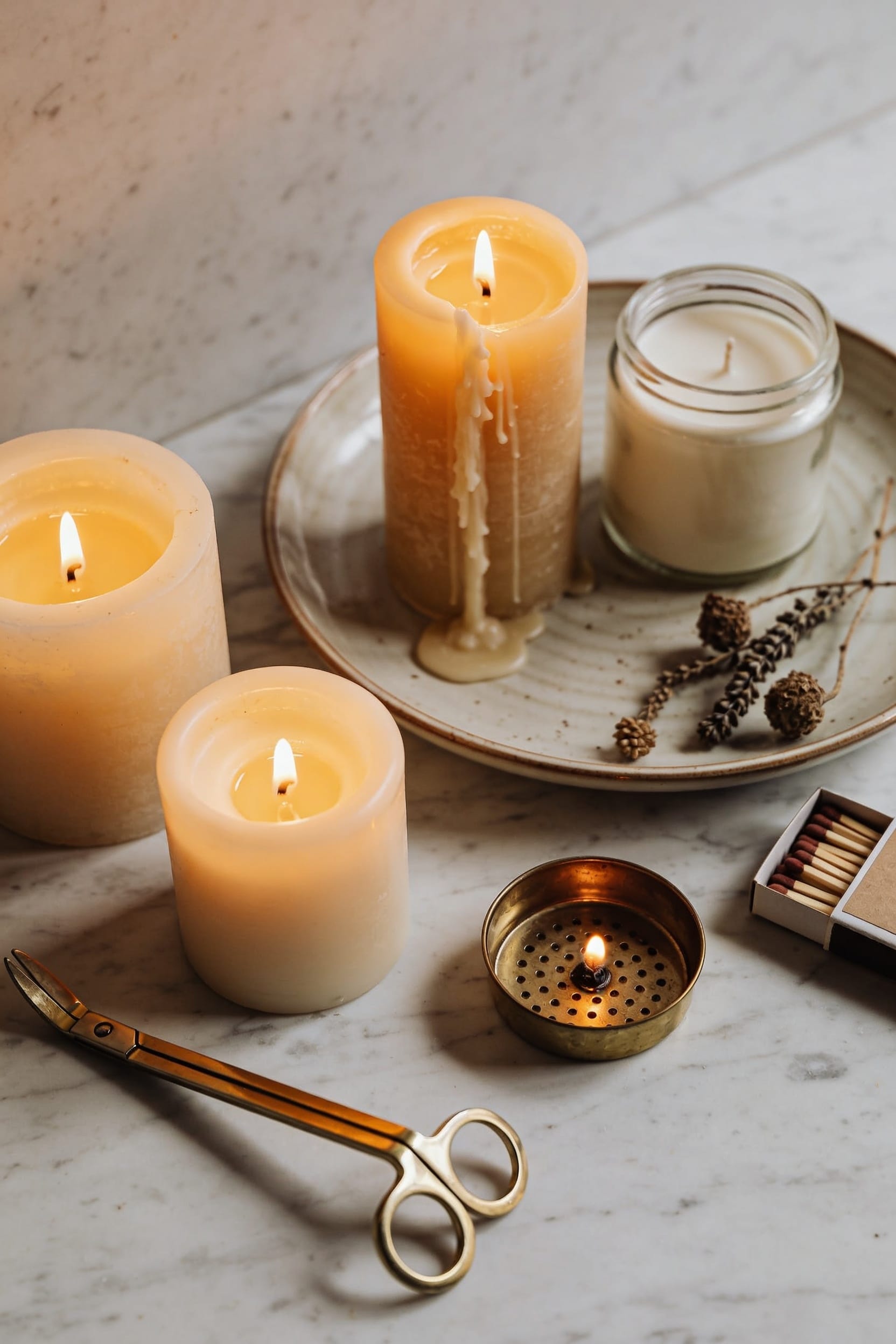
Scented Candle Safety Tips Every Buyer Should Know

I’ve learned candle safety matters way more than most people think. Trim that wick to a quarter inch, keep your candle twelve inches from anything flammable, and never leave it burning unattended—especially past four hours. Use a snuffer instead of blowing it out, choose soy or beeswax over paraffin, and avoid cheap synthetic fragrances that’ll fog up your room. These basics save you from fire hazards, wasted wax, and mysterious soot stains. Stick around though, because there’s plenty more to maximize your candle’s performance.
Key Takeaways
- Trim wicks to quarter inch and inspect containers before first use to prevent high flames, soot, and uneven burning.
- Place candles at least 12 inches from flammables and use sturdy, fireproof holders to prevent tipping and fire hazards.
- Never leave burning candles unattended and limit burn time to four hours maximum for safe, controlled use.
- Use a snuffer or wick-dipping method to extinguish candles; never blow them out to avoid wax splatter and smoke.
- Choose soy or beeswax candles with essential oils over paraffin to avoid harmful VOCs and respiratory irritation.
Prepare Your Candle Before the First Light
Before you light that new candle for the first time, I’m going to ask you to do something that takes about thirty seconds and will genuinely change how well it performs: trim the wick to a quarter inch. High flames create soot, uneven burning, and wasted wax—basically everything you don’t want. Now, inspect the container itself for any scratches or cracks that could cause breakage during burning. Remove all packaging debris and wick trimmings from the wax pool. Look, I’ve learned this the hard way after burning through candles that performed terribly because I skipped these basic steps. Once you’ve prepped properly, you’re set up for better scent throw, cleaner burns, and frankly, better bang for your buck. These two minutes matter more than you’d think.
Recommended Products
This is a genuine OEM (Original Equipment Manufacturer) part

Pick Your Favorite Finish: No matter your interior design preference, we have a wick trimmer tailored for you. Choose from Black, Gold, Rose Gold, Silver, Brushed Gold, and Brushed Copper to complement your candles, decor, and gifting style

Position Your Candle Safely Away From Fire Hazards
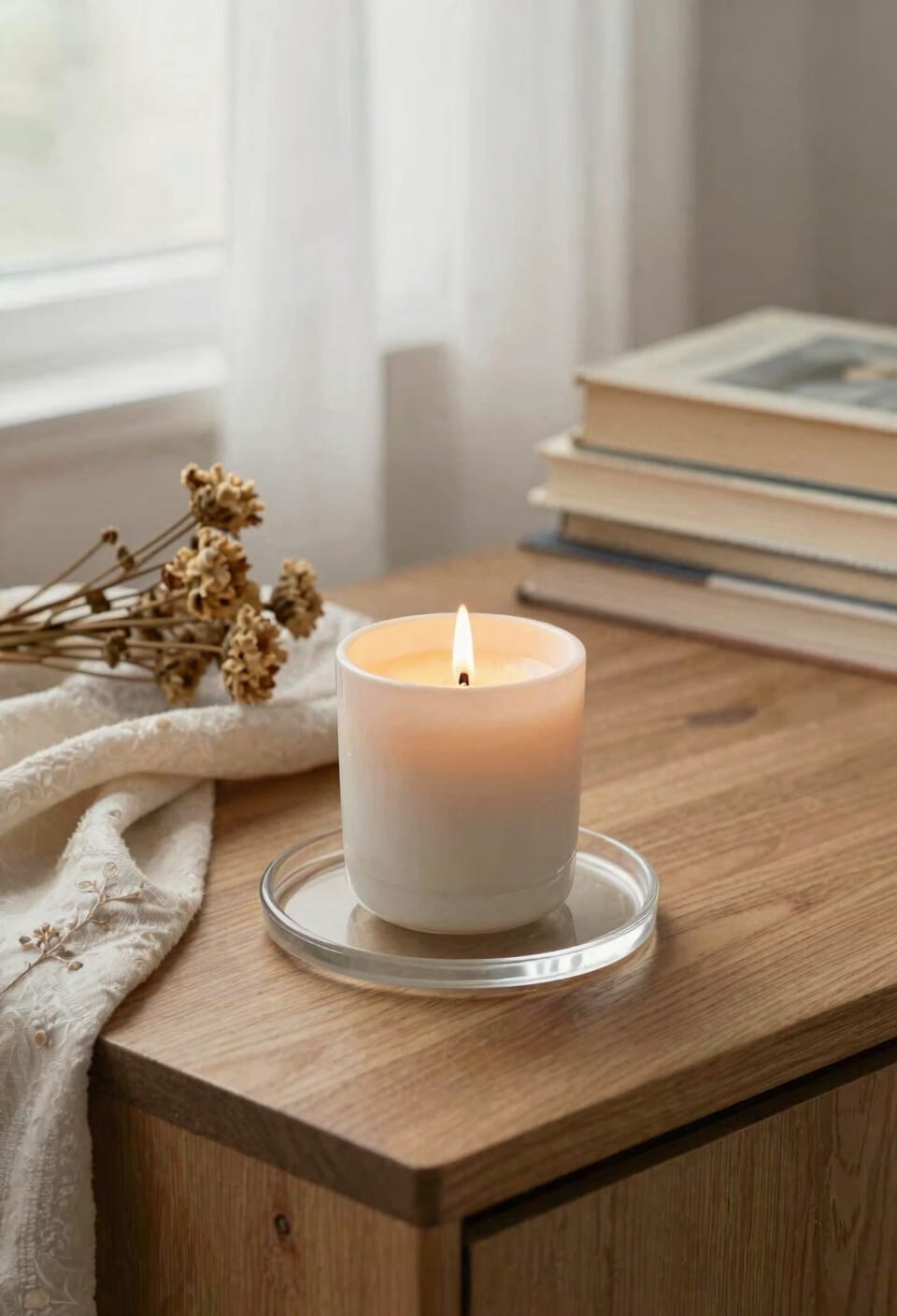
Now that your candle’s prepped and ready to go, location is everything—and I mean everything. You’ll want to establish a clearance radius of at least 12 inches from curtains, bedding, furniture, and other flammables. I learned this the hard way after nearly singeing my bookshelf. Place your candle on a fireproof base—a sturdy holder that won’t tip, because melted wax pooling on your nightstand isn’t the aesthetic you’re going for. Space multiple candles at least 3 inches apart to prevent heat damage and drafts that mess with your scent throw. Keep them away from vents, fans, and open windows. These invisible air currents wreak havoc on even burn, causing uneven melting and wasted fragrance. Position matters more than you’d think.
Monitor and Burn Safely During Each Use
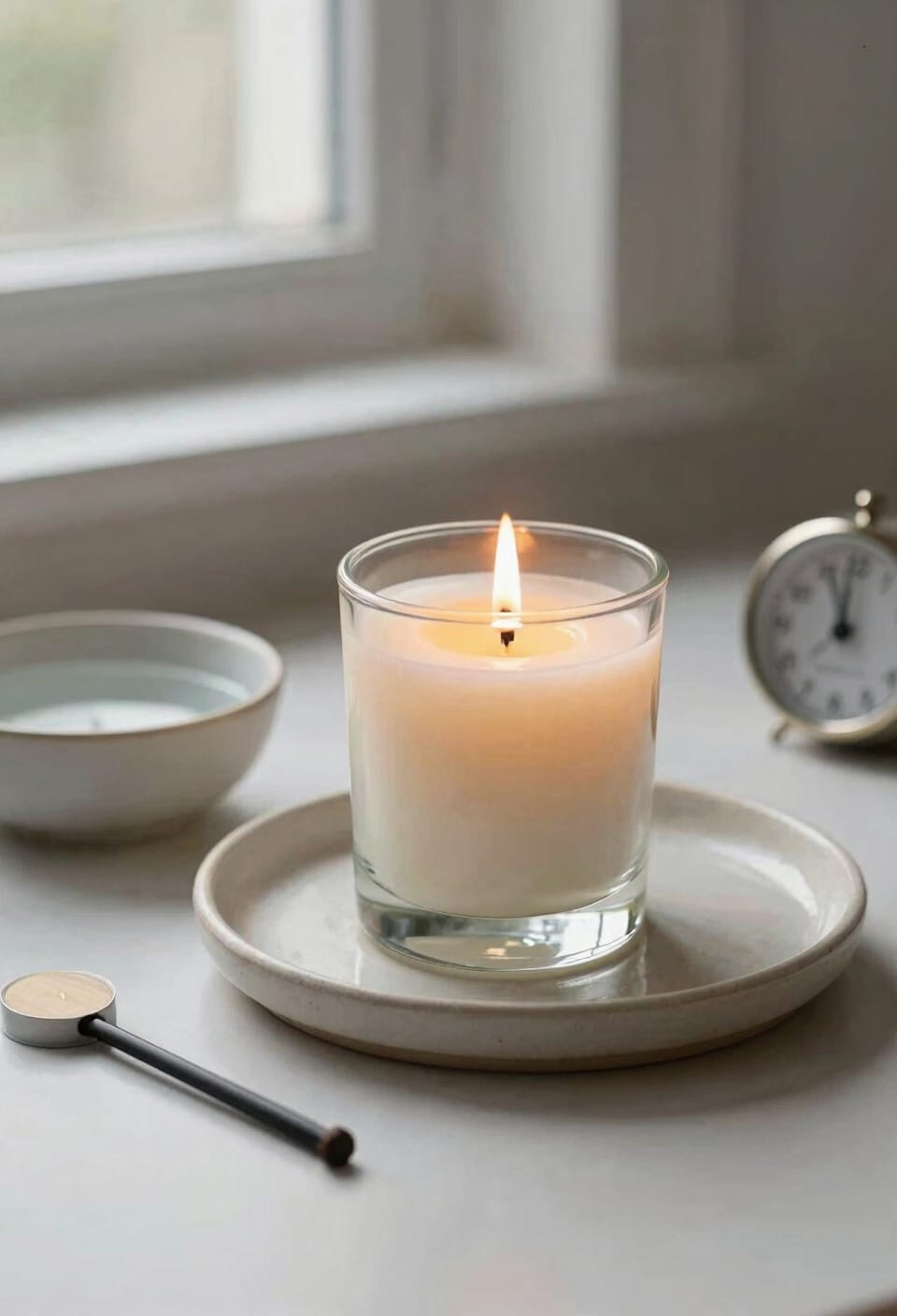
Once that wick’s lit, you’re basically entering a contract with your candle—you’ve got to actually pay attention to what’s happening in that flame. Never leave a burning candle unattended or out of sight, even for a quick bathroom run. I’ve learned this the hard way. Wick care matters too—if you’re seeing excess soot or an overly tall flame, that’s your signal something’s off. Stick to four-hour burn intervals maximum, and stop burning when there’s only half an inch of wax left. Use sturdy holders that won’t tip, and keep your hands away from hot wax. When you’re done, use a snuffer or metal lid to extinguish it properly. Your attention span directly impacts how safely and effectively that candle performs.
Recommended Products


★ A WARM AND SEDUCTIVE SCENT - This luxurious cozy, sexy, and downright alluring scented candle Features a rich blend of warm and exotic spices, Ginger, Brown Sugar, and Cinnamon. Carefully blended with the seductive scent of Champagne & Whipping cream, they offer consistent fragrance release during their longer burn time of 150 hours. Light it up for a moment of indulgence, on a special occasion, or every single evening, or gift it to someone dear and warm their heart and home.

MEET YOUR NEW FAVORITE HOBBY ... Indulge your love for crafts and aromatherapy with the Fragranthetic candle maker kit. It comes with soy wax, a candle melting pot, thermometer, glass jars, scents, and more accessories to make candles from scratch.
Safely Extinguish Your Candle the Right Way
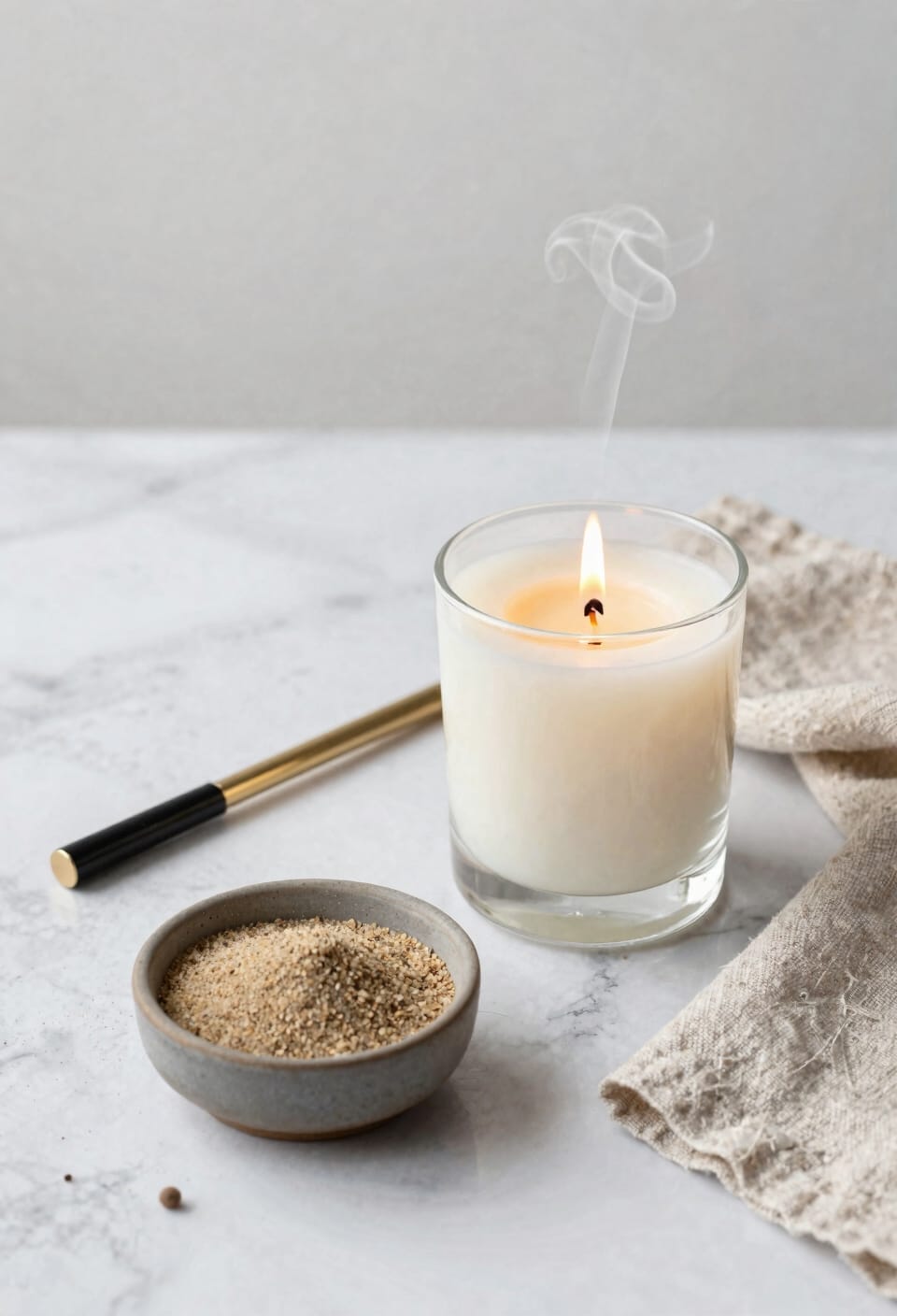
Blowing out your candle might seem like the quickest exit strategy, but it’s actually one of the worst things you can do—you’ll send wax splattering everywhere, create unnecessary smoke, and potentially damage that wick you’ve been so carefully maintaining. Instead, grab a snuffer or use the wick dipping technique by gently pressing the wick into the melted wax pool with a metal tool, then pulling it back out. Either method extinguishes the flame cleanly without the chaos. Let your jar cool completely before touching it—that wax is deceptively hot. Double-check that your wick isn’t still glowing before you leave the room. Water? Skip it entirely. Hot wax and water don’t mix well, and you’ll regret the splatter.
Recommended Products

[MUXSAM CANDLE ACCESSORY FUNCTION] -- The candle accessory set can provide you with extra candle wick care to make sure you enjoy the best from your candle. Trim candle wick to prevent soot and also add to candle burn time; Snuff candle using a wick dipper to prevent wick smoldering; Snuff tapered candles with bell snuffer to prevent wax flying off tip of the candle, allowing to lengthen the life of candles

[MUXSAM CANDLE ACCESSORY SET] : Set package include candle snuffer 8.3 inches long, wick dipper 7.8 inches and wick trimmer 7 inches to trim the wicks easily. Made of polished stainless steel, it is durable for long time use, not easy to rust or bend. Ensures a clean trim and cleaner, safer candle burning
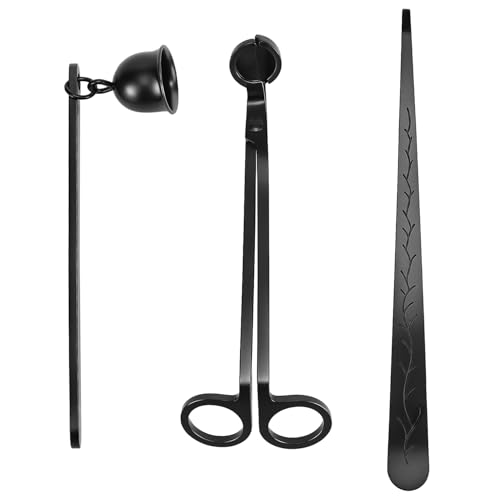
Material:Made of polished stainless steel with an elegant black finish for long term use.
Select Soy or Beeswax Over Paraffin for Your Health
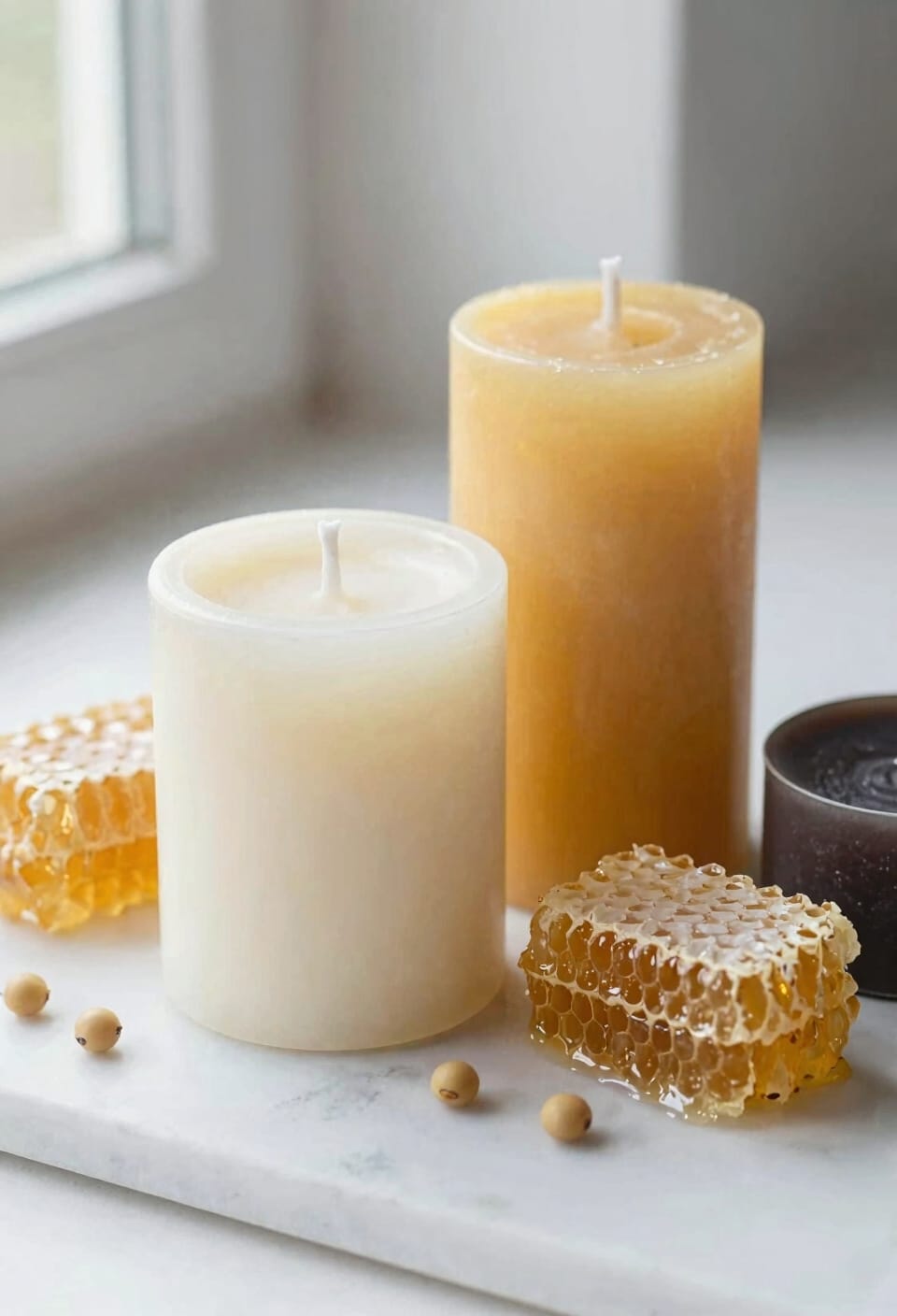
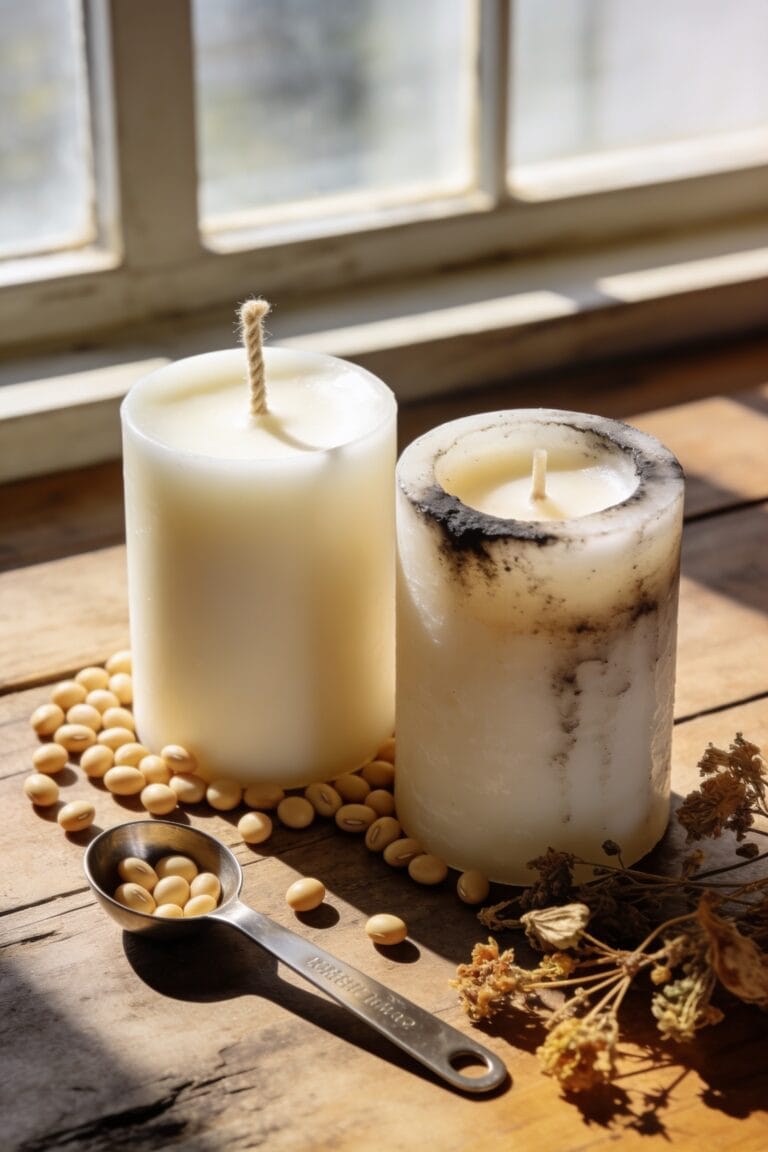
While you’re mastering the mechanics of candle care—the trimming, the snuffing, the patience—there’s something equally important happening inside that jar: what you’re actually breathing in. Paraffin candles release formaldehyde, toluene, and other VOCs that can trigger headaches, respiratory issues, and worse with frequent use in poor ventilation. I’ve learned this the hard way. Now, ingredient transparency matters. Soy and beeswax are natural alternatives that burn cleaner without the chemical cocktail. Yes, they cost more upfront. But they won’t leave you feeling foggy after an hour of burning. Look for candles made with these waxes paired with essential oils rather than synthetic fragrances. Your lungs—and your wallet long-term—will thank you.
Recommended Products

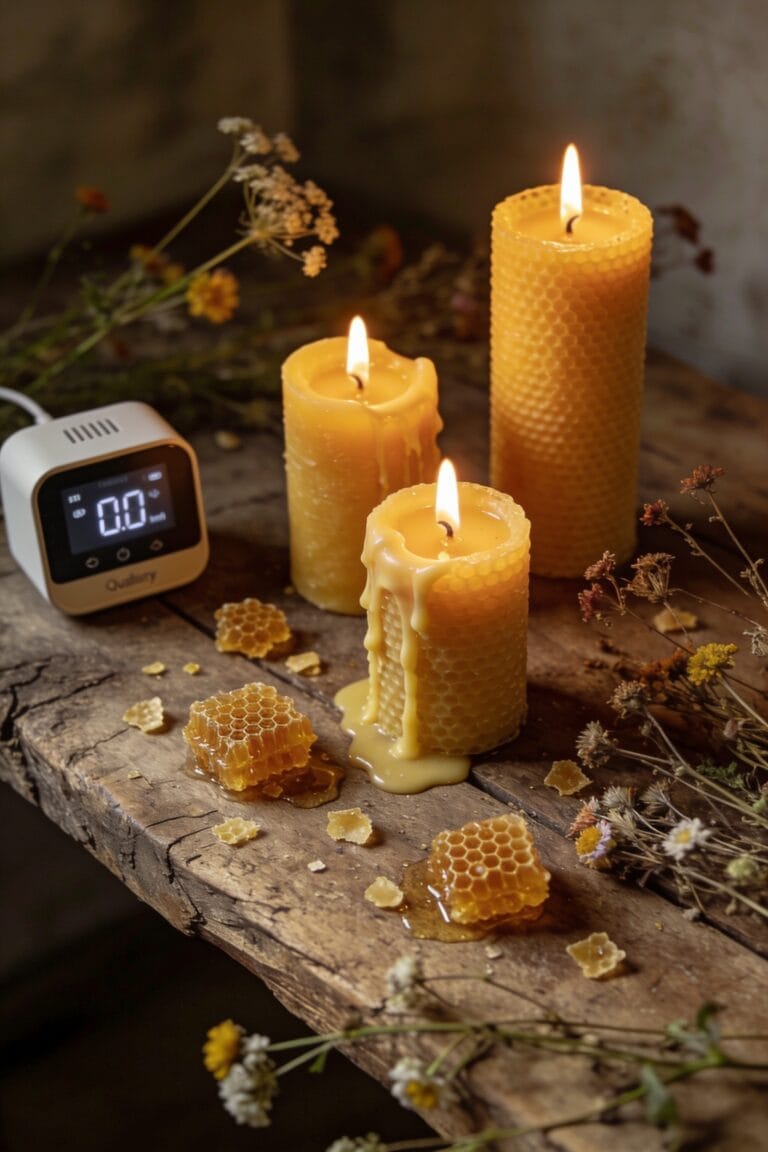
100% Pure Beeswax Candle: Hand-poured from naturally filtered beeswax for a rich, golden glow. These clean burning candles are free from paraffin, soy, and synthetic fragrances. Each 1-wick dripless pillar candle features natural cotton candle wicks and pure candle wax for a long-lasting burn and warm, cozy candle light.
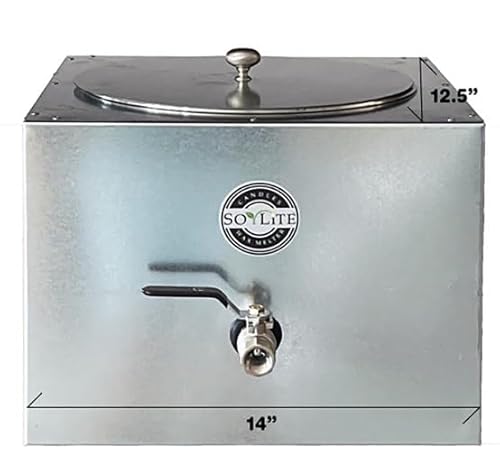
Profeshional wax melter for candle making, Effortlessly make large batches candles . No more messing with temperature control. This new wax melter automatically keeps wax around 180 to 190 degrees. Just simply add wax and turn on. If you are running a small business or handling a big custom order? SoyLite will help save you time.

TWENTY POUNDS of PREMIUM FLORIDA SPRING BLOSSOM BEESWAX: 100% Natural, clean burning, sweet floral, with the honey-like fragrance typically associated with beeswax, cosmetic ready and suitable for food contact. Our pure beeswax bars are perfect for a wide variety of applications. Packaged in a one-pound bars (5″ x 3.5" x 1.75").
Avoid Synthetic Fragrances and VOC-Heavy Candles
Now, here’s where a lot of people—myself included, back when I was burning whatever smelled good without thinking twice—make a costly mistake: they assume all synthetic fragrances are created equal, and that if a candle smells amazing, it must be fine to burn. Not quite. Cheap synthetic fragrances pump out volatile organic compounds—those VOCs I mentioned earlier—that your lungs really don’t appreciate. Check fragrance labeling carefully. Look for candles listing essential oils or high-quality fragrance oils instead of vague “fragrance” listings. Synthetic avoidance doesn’t mean rejecting all lab-created scents; it means avoiding low-quality knockoffs loaded with chemical nasties. Quality matters more than whether something’s natural or synthetic. Your nose—and your respiratory system—will thank you.
Recommended Products

Quality - We produce our Hyssop essential oil using pure, natural, and raw ingredients.
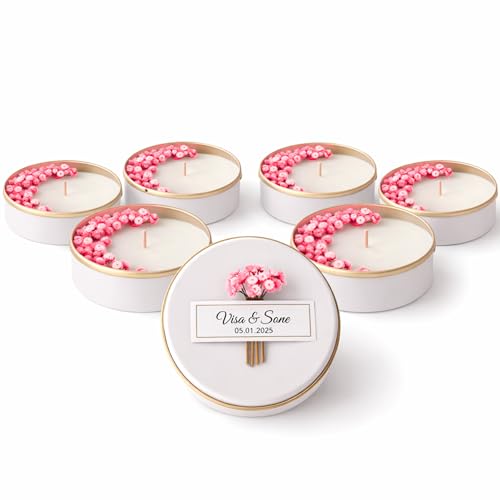
100% NATURAL SOY WAX : Hand-poured in small batches with natural soy wax and premium fragrance oils for a clean and long-lasting burn

HIGHEST QUALITY - Our candle fragrance MADE IN THE USA using pure, natural, and raw ingredients. All VINEVIDA products are vegan, free of phthalates, parabens, and other potentially dangerous chemicals.
Your Daily Candle Safety Checklist
Once you’ve picked quality candles with the right fragrance oils, the real work begins—and I don’t mean the complicated kind. I’m talking about your daily checklist before lighting anything.
First, trim that wick to a quarter inch. I know it seems fussy, but it genuinely prevents soot and uneven burning. Check your burn location—is it at least twelve inches from curtains and flammables? Space multiple candles three inches apart minimum.
Now here’s where an emergency plan matters. Never leave a burning candle unattended, and don’t exceed four-hour burn sessions. Keep a snuffer nearby instead of blowing it out, which damages the wick and creates unnecessary smoke.
Before bed or leaving the room, verify the flame’s completely extinguished. Let the wax cool fully. These small daily habits protect your home and maximize your candle’s performance.
Frequently Asked Questions
Can I Burn Scented Candles in My Bedroom While Sleeping Safely?
No, you shouldn’t burn scented candles in your bedroom while sleeping—supervision is advised, and you should never sleep with a burning candle. Fire hazards and air quality risks make this unsafe.
How Often Can I Safely Use Scented Candles Before Health Risks Increase?
Haven’t you wondered when your cozy ritual becomes risky? I’d recommend limiting daily use to 4-hour intervals in well-ventilated spaces, monitoring your exposure closely. Choose soy or beeswax candles to minimize health risks markedly.
What Specific Chemicals Should I Avoid When Selecting Scented Candles?
I’d avoid paraffin wax, synthetic fragrances, and low-quality materials when selecting scented candles. Look out for phthalate exposure and synthetic musks in formaldehyde-releasing products. Instead, I’d choose natural waxes like soy or beeswax with essential oils.
Is It Safe to Use Scented Candles in Poorly Ventilated Bathrooms?
No, I’d avoid it—like inviting trouble into your sanctuary. Poor ventilation traps harmful VOCs, and bathrooms’ moisture promotes mold growth. I’d recommend well-ventilated spaces instead for your candle burning.
How Long After Extinguishing Should I Wait Before Handling a Candle Jar?
I’d wait until the jar’s completely cooled before touching it. The glass risk is real since hot wax stays dangerously warm. Give it a full cooling period—usually 30 minutes—to guarantee safe handling and prevent burns.
Conclusion
You’ve got this. Like Odysseus voyaging between Scylla and Charybdis, you’re now equipped to steer clear of candle disasters while chasing that perfect scent throw. Your home deserves better than tunneling wicks and synthetic headaches. Trust your instincts, check that wick, and remember—you’re not just burning wax. You’re investing in moments that actually matter. Burn smart.