As an Amazon Associate, we earn from qualifying purchases. Some links on this site are affiliate links at no extra cost to you. Our recommendations are based on thorough research and editorial judgment.

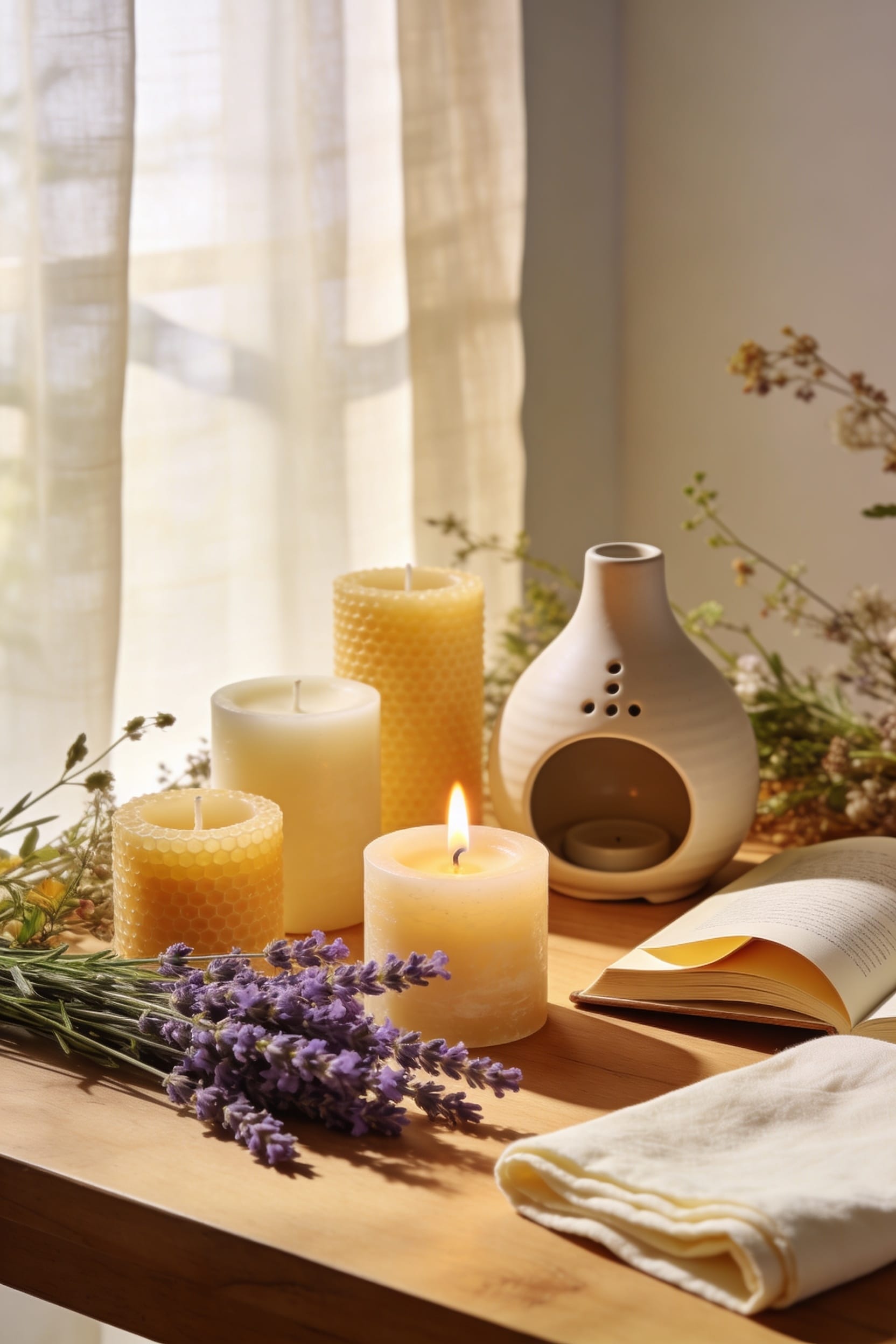
Are Candles Safe During Pregnancy? What You Need to Know

All right, here’s the thing: candles aren’t automatically off-limits during pregnancy, but most store-bought ones aren’t your safest bet either. Paraffin wax and synthetic fragrances release compounds that can cross the placenta, especially during your first trimester when your baby’s organs are developing. You’ll want to prioritize beeswax or soy candles with 100% cotton wicks and skip synthetic scents entirely—or go unscented. The specifics on what makes one brand genuinely safer than another, though, get pretty interesting.
Key Takeaways
- Paraffin candles release benzene and toluene when burned, which can cross the placenta and harm fetal development.
- Beeswax and soy wax candles burn cleaner with minimal soot and fewer toxic emissions than paraffin alternatives.
- Synthetic fragrances often contain phthalates that disrupt hormones; unscented candles offer the safest option during pregnancy.
- 100% cotton wicks without metal cores prevent heavy metal and synthetic residue release into indoor air.
- First trimester requires greatest caution; check labels for specific wax type, wick material, and fragrance transparency.
Paraffin Wax and Synthetic Fragrances: Why They’re Risky
Look, I get it—you want your nursery to smell amazing, and those cheap paraffin candles at the big-box stores are everywhere and practically free. But here’s the thing: paraffin combustion releases benzene and toluene, chemicals that trigger headaches and breathing difficulties. Throw in fragrance additives loaded with phthalates, and you’re exposing yourself and your developing baby to endocrine disruptors that mess with hormone function during the most critical organ-development window.
I know it sounds dramatic, but these toxins cross the placenta. Your heightened pregnancy sensitivity means you’re absorbing more of what’s floating around. The soot buildup alone from paraffin candles isn’t worth it. Skip the synthetic-scented paraffin altogether—your lungs and your baby’s development will thank you.
Recommended Products

SCENT - Feu de Bois evokes fresh pine falling on curls of sandalwood & rare Virginia cedarwood. Smoky leather accords, frankincense & nuances of vanilla are tranquil and comforting.

MASSIVE 8" × 14" LUXURY CANDLE – 300 OZ OF NATURAL COCONUT SOY WAX Make a statement with this Classic Big Ass Candle—our largest candle. This luxury candle delivers bold presence, elegant style, and room-filling fragrance. Perfect as a centerpiece for living rooms, great rooms, and upscale spaces.

UNIQUELY HANDMADE: Perfect for a relaxing ambiance! Each scented candle is crafted from real wood, providing a unique and sustainable touch. Heart shape elevates aesthetic!
How Candle Chemicals Reach Your Baby Through the Placenta

While it might seem like candle fumes stay contained to your nursery or bedroom, here’s what’s actually happening: when you breathe in those chemical particles—benzene, toluene, phthalates, and all the rest—they enter your bloodstream, and your placenta doesn’t filter them out the way you might hope. That’s placental transfer in action. Your maternal metabolism processes these toxins, but here’s the problem: chemical placentation means harmful compounds cross directly to your developing baby. Fetal exposure during the first trimester is especially risky since your baby’s organs are forming. The placenta’s job is nourishment, not protection from airborne pollutants. So when you’re choosing candles, you’re not just choosing for yourself—you’re choosing what reaches your baby. That’s why switching to beeswax or soy with cotton wicks actually matters.
Which Waxes Are Safest During Pregnancy?
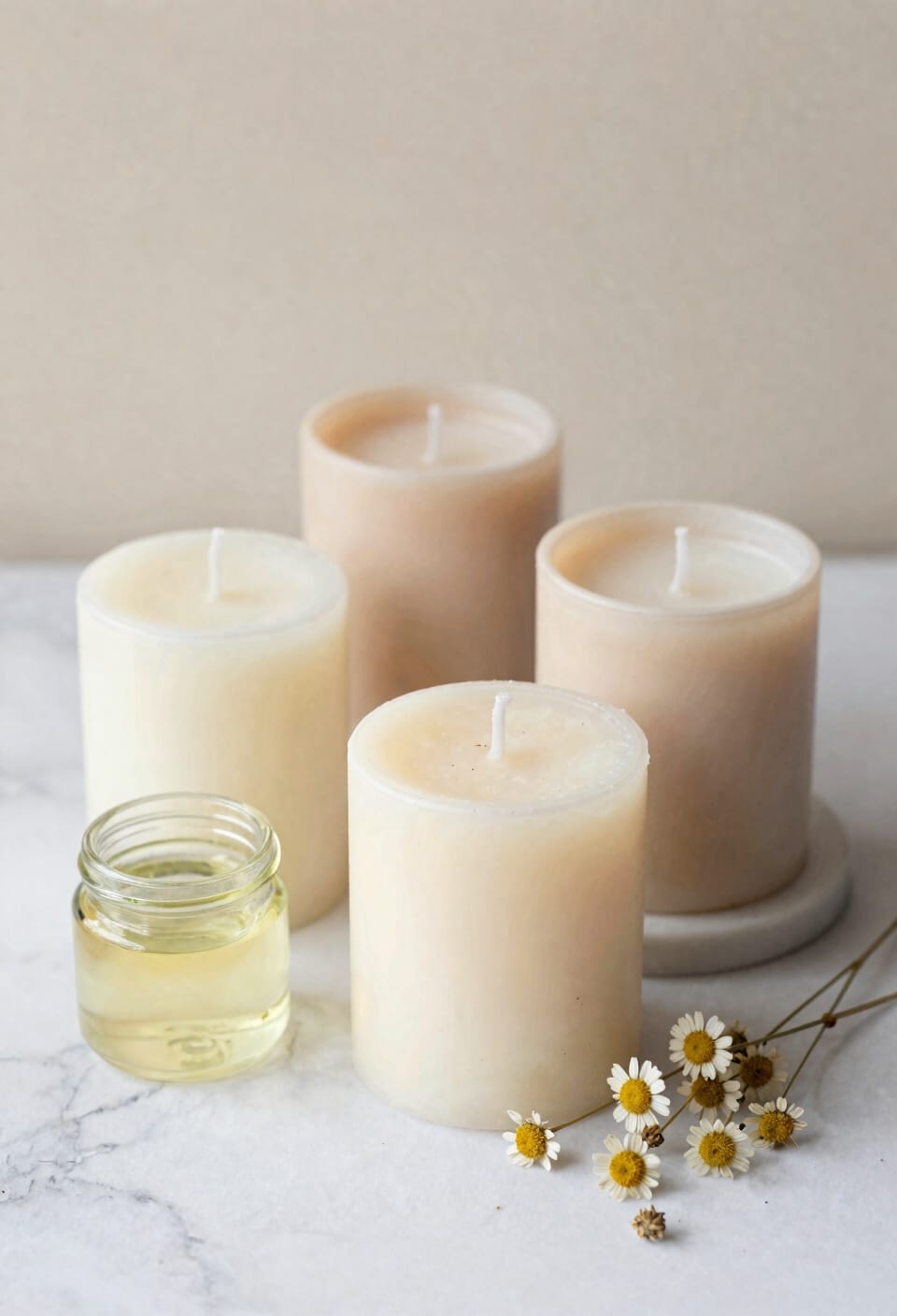
Now that you understand how chemicals travel through your placenta straight to your baby, the obvious next question is: what candle wax should you actually be burning instead?
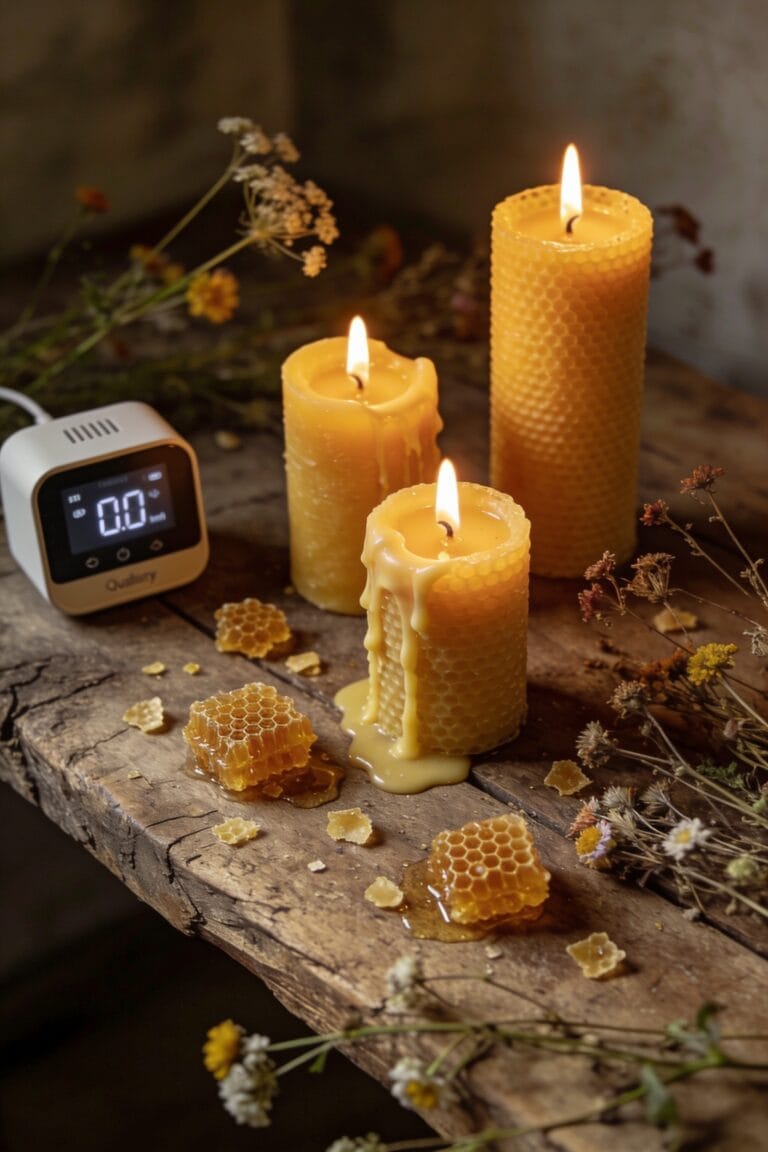
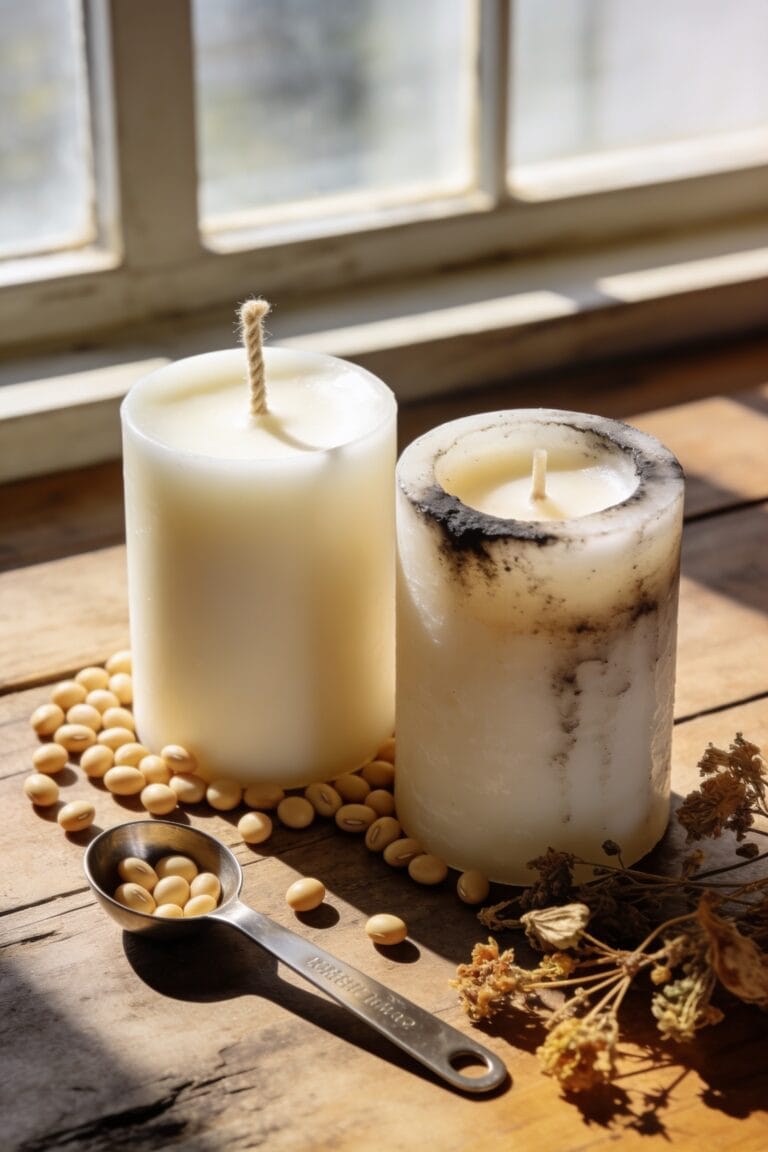
Look, beeswax benefits are genuinely impressive. It burns cleaner than paraffin, emits negative ions that neutralize indoor pollutants, and comes with a natural honey aroma you don’t need to fake. Soy wax is your other solid option—minimal soot, no toxic chemicals.
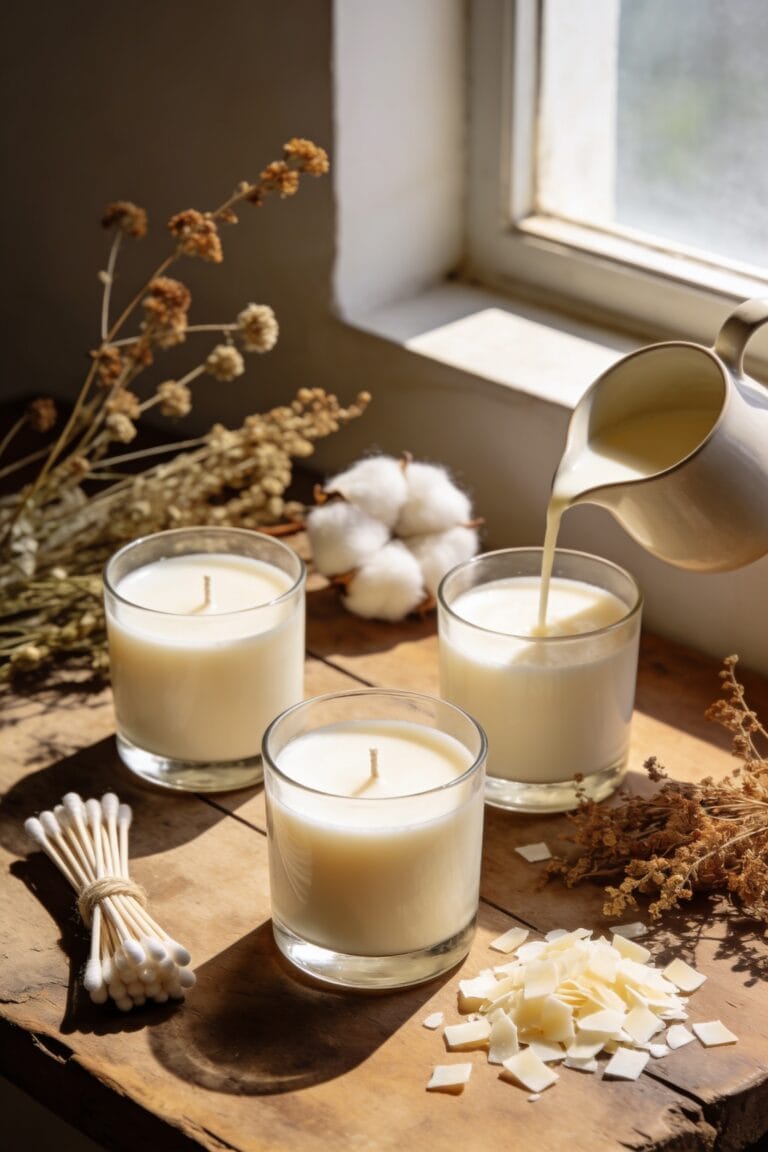
Pair either with 100% cotton wicks, which burn without releasing heavy metals or synthetic residue. Skip anything blended with paraffin or containing metal cores. The combination of clean wax plus quality cotton wicks creates the safest burn for your nursery. It’s not complicated, just intentional.
Recommended Products

DIMENSIONS: 22cm x 5-6mm SKINNY (9" by 7/32 inch); Height: 22 cm (9 inches), thickness at base: 0.21 inch (5-6mm): 22cm x 7mm (9" by 5/16 inch); Height: 22 cm (9 inches), thickness at base: 0.28 inch (7mm); 27cm x 7mm (11" by 5/16 inch); Height: 27 cm (11 inches), thickness at base: 0.28 inch (7mm); 32cm x 7mm (13" by 5/16 inch); Height: 32 cm (13 inches), thickness at base: 0.28 inch (7mm);

BURNING TIME: 22cm (9 inches) SKINNY - approximately 1 hour; 22cm (9 inches) - approximately 1 - 1.5 hours; 27cm (11 inches) - approximately 1.5 - 2 hours; 32cm (13 inches) - approximately 2 hours; For maximum burn time place the candles in an area with minimal air movement. Avoid drafty areas such as near open windows, vents, or fans.

100% Pure Beeswax Candle: Hand-poured from naturally filtered beeswax for a rich, golden glow. These clean burning candles are free from paraffin, soy, and synthetic fragrances. Each 1-wick dripless pillar candle features natural cotton candle wicks and pure candle wax for a long-lasting burn and warm, cozy candle light.
Why Your Candle Wick Material Matters
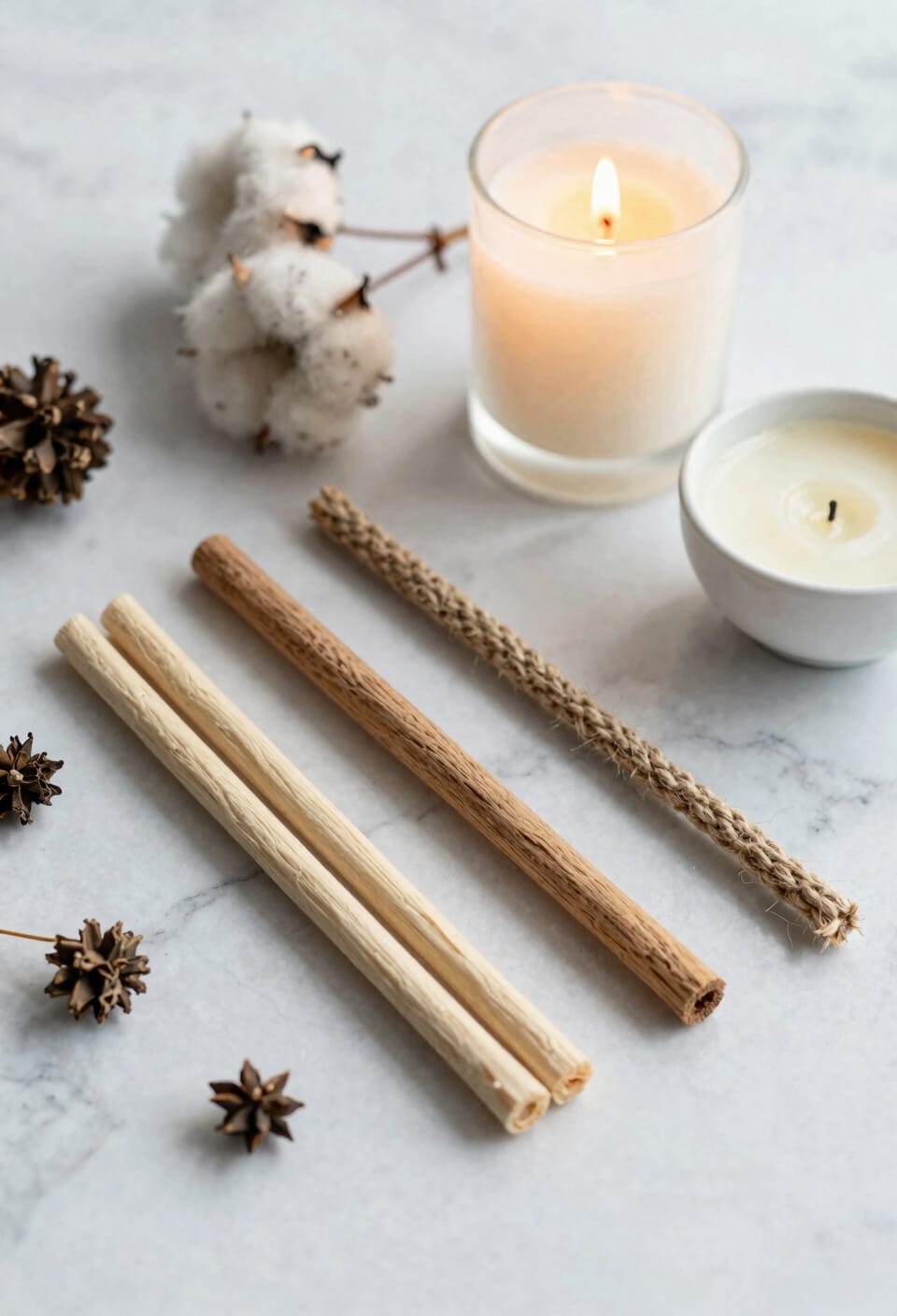
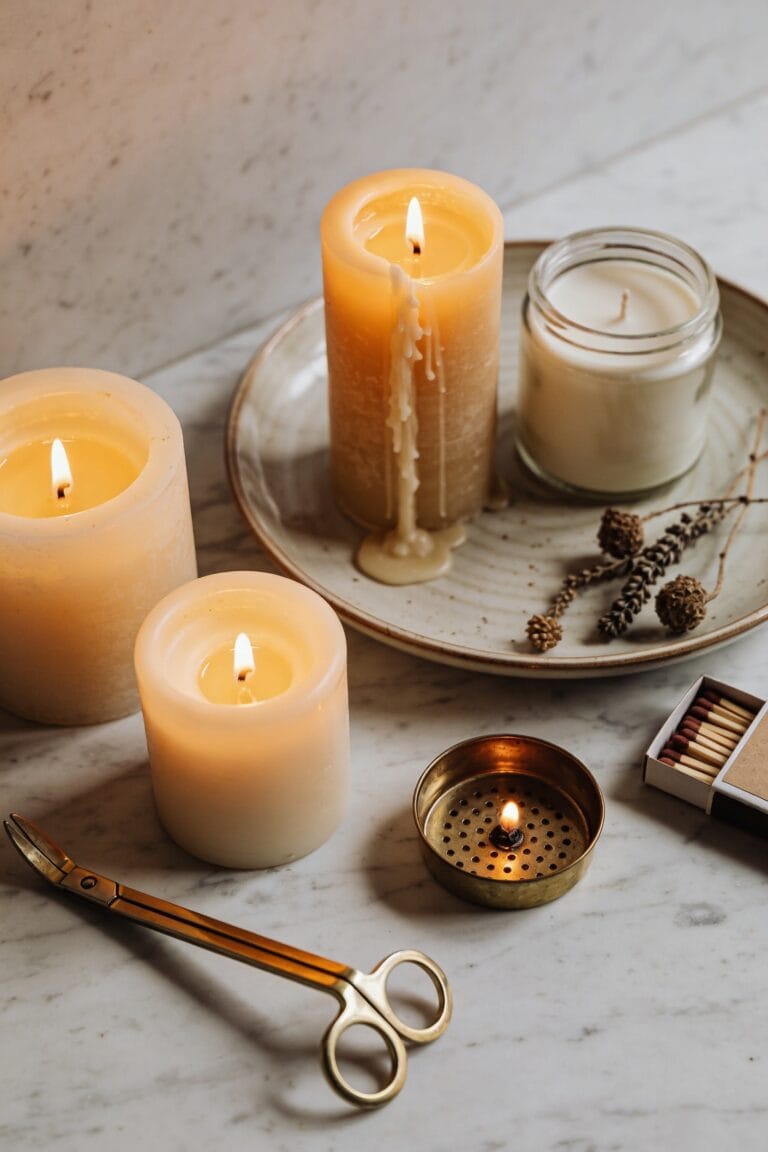
The wick’s the part most people ignore until their candle’s smoking up the nursery like a tiny chimney, and by then it’s too late. Here’s the thing: you’ll want 100% cotton wicks, period. They burn cleanly without releasing heavy metals or synthetic stiffeners that create residue and airborne contaminants. Skip anything with metal cores—those are trouble during pregnancy when your sensitivity to toxins is already heightened. Wick maintenance matters too. Trim your cotton wicks to a quarter-inch before each burn to prevent excessive smoking and soot buildup. A well-maintained cotton wick guarantees you’re getting clean combustion without compromising air quality in your nursery. It’s genuinely one of the easiest pregnancy-safe precautions you can take.
Recommended Products

Safer Ambience for Everyday Moments: Our sand wax candle design with self-extinguishing sand candle wicks minimizes fire risk if tipped and prevents hot wax spills; ideal for homes with pets or kids that won’t renounce stylish décor, offered in White, Red, Nude, and Black for cozy luxury
100% NATURAL SOY WAX : Hand-poured in small batches with natural soy wax and premium fragrance oils for a clean and long-lasting burn

Exclusive burning material and cotton wick – yellow monastery candles contain natural beeswax additive of high quality. Thin candles made in-house for church and ritual use
Which Essential Oils and Fragrances Should You Avoid?
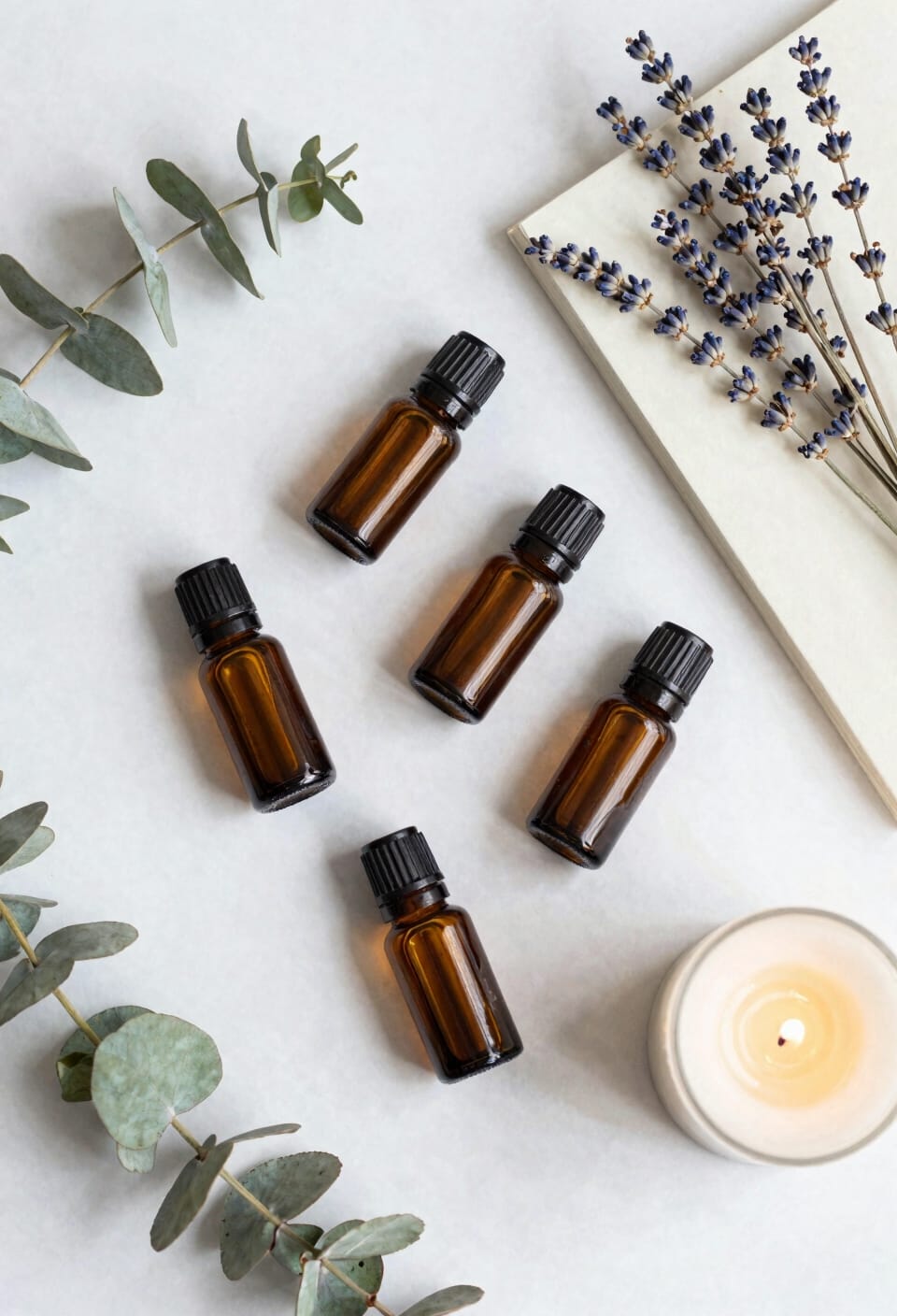
When you’re pregnant, fragrance choices become genuinely complicated because your nose is already doing weird things—heightened sensitivity, aversions you didn’t expect—and now you’ve got to worry about what’s actually safe to breathe in. Here’s the thing: synthetic fragrances contain phthalates that disrupt hormones, and some essential oils create unexpected problems when burned. You’ll want to avoid citrus oils, patchouli risks, and avoid ylang ylang entirely—these are respiratory sensitizers that can trigger breathing difficulties during pregnancy. Even “natural” scents like rosemary and cinnamon become unpredictable when heated; burning alters their chemistry in ways we can’t fully predict. Stick with lavender or chamomile instead—both support relaxation without fetal concerns. Honestly, unscented candles might be your safest bet right now.
Recommended Products

What is included in the package? You will receive 4 PCS beeswax Jar candles. This beeswax jar candle is made of 100% pure beeswax, pure natural and organic, It is free from any harmful chemicals, great candle for her

What is included in the package? You will receive 4 PCS beeswax Jar candles. This beeswax jar candle is made of 100% pure beeswax, pure natural and organic, It is free from any harmful chemicals, great candle for her

Unscented Soy Candle – Naked is made for those who prefer a clean, fragrance-free candle experience, offering the warm glow of a soy candle without added scent.
Lavender and Chamomile: Safe Scents During Pregnancy
While you’re steering clear of the unpredictable stuff—those oils that transform into something sketchy when heated—lavender and chamomile stand out as the rare exceptions that actually work in your favor during pregnancy. Lavender benefits extend beyond just smelling pleasant; it genuinely supports relaxation and sleep without the endocrine-disrupting baggage that synthetic fragrances carry. Chamomile relaxation works similarly, easing tension without triggering fetal concerns. The thing is, these two actually maintain their safe properties when burned in candles, unlike clary sage or rosemary which get chemically weird under heat. Pair lavender or chamomile with high-quality soy or beeswax candles featuring cotton wicks, and you’ve created a nesting environment that actually feels good—not just smells good.
Trimester-by-Trimester: When Candle Safety Matters Most
Steering candle safety through pregnancy means understanding that your body’s vulnerability to environmental toxins shifts dramatically depending on which trimester you’re in. Your first trimester demands the most caution—that’s when your baby’s organs are developing, and your scent sensitivity peaks alongside hormone surges. I’d honestly skip candles entirely during these pivotal weeks, or stick exclusively to unscented beeswax options if you need that ambient comfort.
How to Read Candle Labels and Find Pregnancy-Safe Brands
How do you actually know what’s in that jar before you light it? Look for brands that prioritize ingredient transparency on their labels. You’re hunting for specific label terminology—words like “100% beeswax” or “soy wax,” not vague claims like “natural wax blend.” Check if they list fragrance type: pure essential oils versus synthetic. Red flags? Anything labeled “fragrance” without further detail, or absence of wick material info. Reputable pregnancy-safe brands break down their ingredients completely, often right on the jar or their website. They’ll tell you the wax type, wick composition, and whether fragrances are phthalate-free. Don’t hesitate to email companies if their labeling seems unclear. Your respiratory health during pregnancy deserves that extra diligence.
Recommended Products
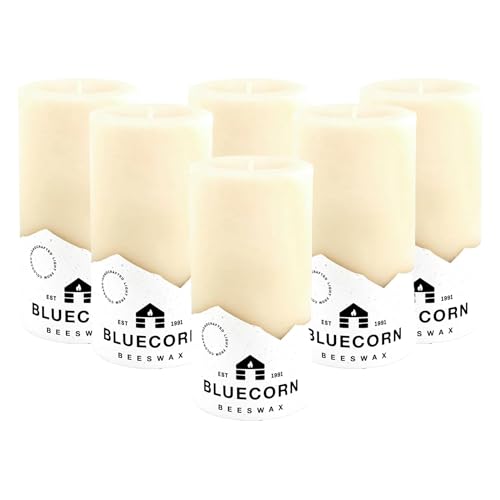
100% Pure Beeswax Candles — Non Toxic & Hypoallergenic: Hand-poured from naturally filtered beeswax for a truly unscented, hypoallergenic white beeswax candle. Each pure beeswax candle features a cotton wick for a clean, dripless burn, completely free from paraffin, soy and synthetic fragrances. A natural, non toxic candle alternative that adds warm, cozy candlelight to any setting.

Warm Vanilla Sugar Fragrance Oil - A yummy combination of sweet brown sugar, buttery vanilla with a soft undertone of musk.

French Vanilla Fragrance Oil - Tempting, delicious, rich & creamy with a buttery vanilla scent
Frequently Asked Questions
Can I Burn Candles in My Bedroom While Pregnant, or Should I Avoid Enclosed Spaces?
I’d avoid candles in enclosed bedrooms while pregnant. If you burn them, I’d prioritize ventilation strategies by cracking windows to reduce toxin exposure. Pure beeswax or soy candles support better sleep quality safely.
How Long Can I Safely Burn a Candle Each Day During Pregnancy Without Health Risks?
I’d recommend short sessions—maybe 15-30 minutes daily—with open windows, a low wick, and unscented alternatives like pure beeswax. This minimizes your exposure to harmful chemicals while you’re pregnant.
Are Unscented Candles Completely Safe, or Do They Still Pose Pregnancy-Related Concerns?
Picture a flickering flame dancing safely in your nursery. While unscented candles eliminate fragrance risks, I’d encourage you to verify the unscented ingredients and wick emissions—100% beeswax with cotton wicks remains your safest pregnancy option.
What Should I Do if I’ve Already Been Exposed to Paraffin Candles During Pregnancy?
Don’t panic—occasional exposure rarely causes harm. I’d recommend discussing it with your doctor about prenatal testing if you’re concerned. Going forward, I suggest switching to beeswax candles and using air purifiers to minimize risks.
Do Pregnancy-Safe Candles Cost Significantly More Than Regular Commercial Candles?
I’ll be honest—pregnancy-safe candles are like investing in a sturdy foundation for your nest. Natural waxes cost more upfront, but the price comparison shows they’re worth it for your baby’s protection and your peace of mind.
Conclusion
Here’s the irony: you’re carrying the most precious thing in the world, yet a flickering candle feels like the riskiest decision you’ll make all week. The truth? You’re not wrong to be cautious. But you’re also not powerless. Read those labels, choose soy or coconut wax, ditch synthetic fragrances, and crack a window. Your nursery can smell lovely without sacrificing safety. Smart choices don’t require martyrdom.