As an Amazon Associate, we earn from qualifying purchases. Some links on this site are affiliate links at no extra cost to you. Our recommendations are based on thorough research and editorial judgment.

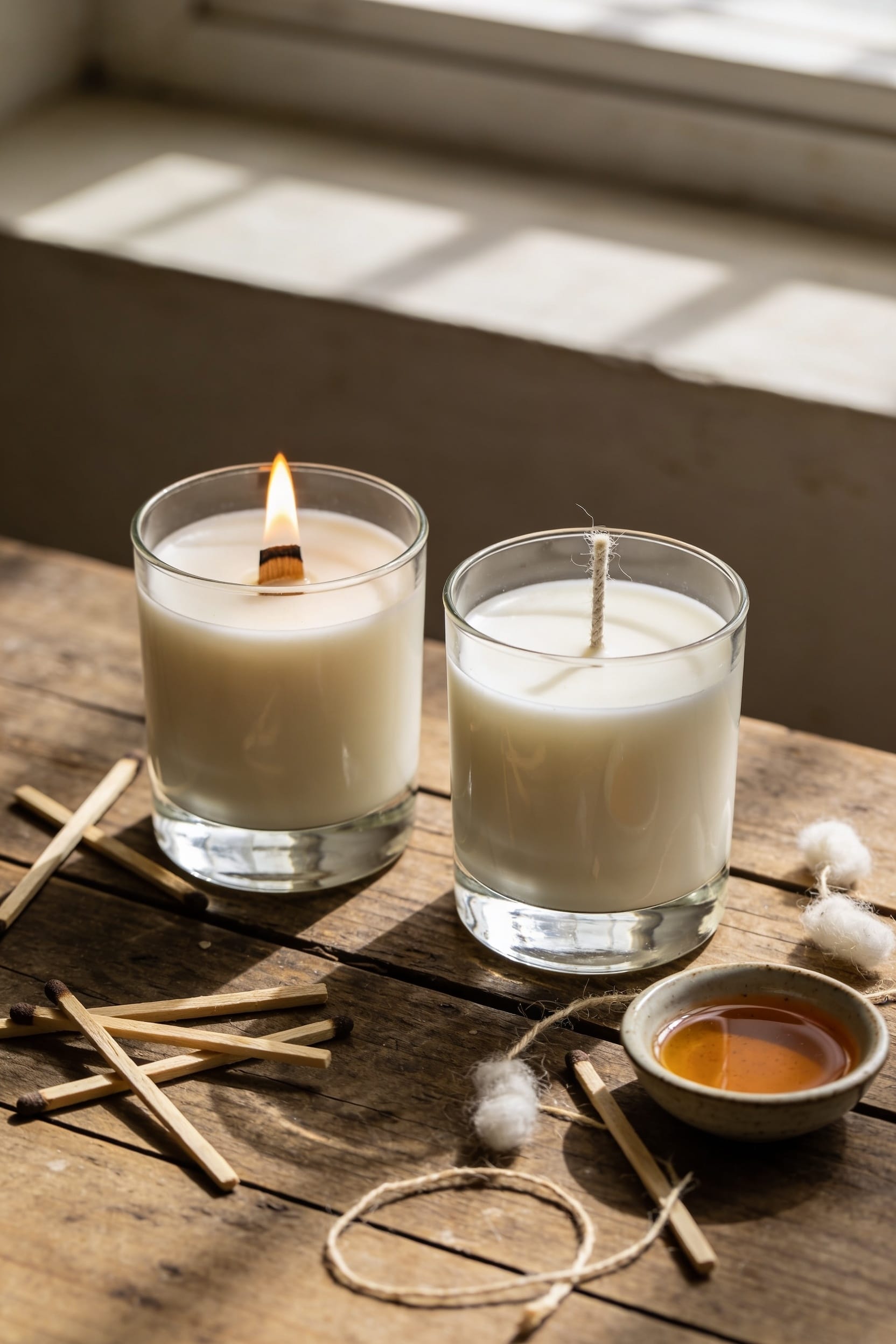
Are Wood Wick Candles Better Than Cotton Wick?

Wood wick candles throw fragrance about 35% stronger than cotton wicks because they burn hotter and release scent molecules more aggressively. That said, you’re trading longevity for power—that intensity consumes wax faster and can shorten your candle’s life. Wood wicks also demand patience to light and create that coveted crackle ambiance. Cotton wicks? They’re simpler, last longer, and cost less. Neither’s objectively “better”—it depends on whether you prioritize scent projection or burn time, ritual or convenience. The real answer lies in matching your priorities to what each wick actually delivers.
Key Takeaways
- Wooden wicks deliver up to 35% more fragrance throw, making them ideal for larger spaces and serious scent projection needs.
- Cotton wicks typically burn longer for single-wick candles, offering better longevity despite weaker scent dispersal capabilities.
- Wooden wicks create a distinctive crackling sound and fireplace-like ambiance, enhancing mood and ritual for aesthetic-focused users.
- Wooden wicks require more effort to light and maintain, while cotton wicks offer convenient “light and forget” simplicity.
- Wooden wicks cost more due to sourcing and manufacturing complexity, but provide stronger scent performance and perceived craftsmanship value.
Which Wick Throws Fragrance Stronger?
if you’re buying a scented candle primarily for how far that fragrance travels, you’d better be burning it in a wooden wick. Wooden wicks push up to 35% more fragrance into your room because they burn hotter, releasing scent molecules as the flame interacts with the wood itself. That’s just physics working in your favor.
Now, the wick geometry matters here. Cotton wicks might win on that initial fragrance burst—they’ve got taller flames that feel more dramatic. But wooden wicks deliver longer, more consistent scent layering throughout the candle’s entire burn. You’re not getting a quick hit and fade. You’re getting sustained fragrance throw that actually fills your space. I’ve tested this in my own living room, and the difference is real. Wood wins for serious scent projection.
How Long Do Wooden vs. Cotton Wicks Burn?
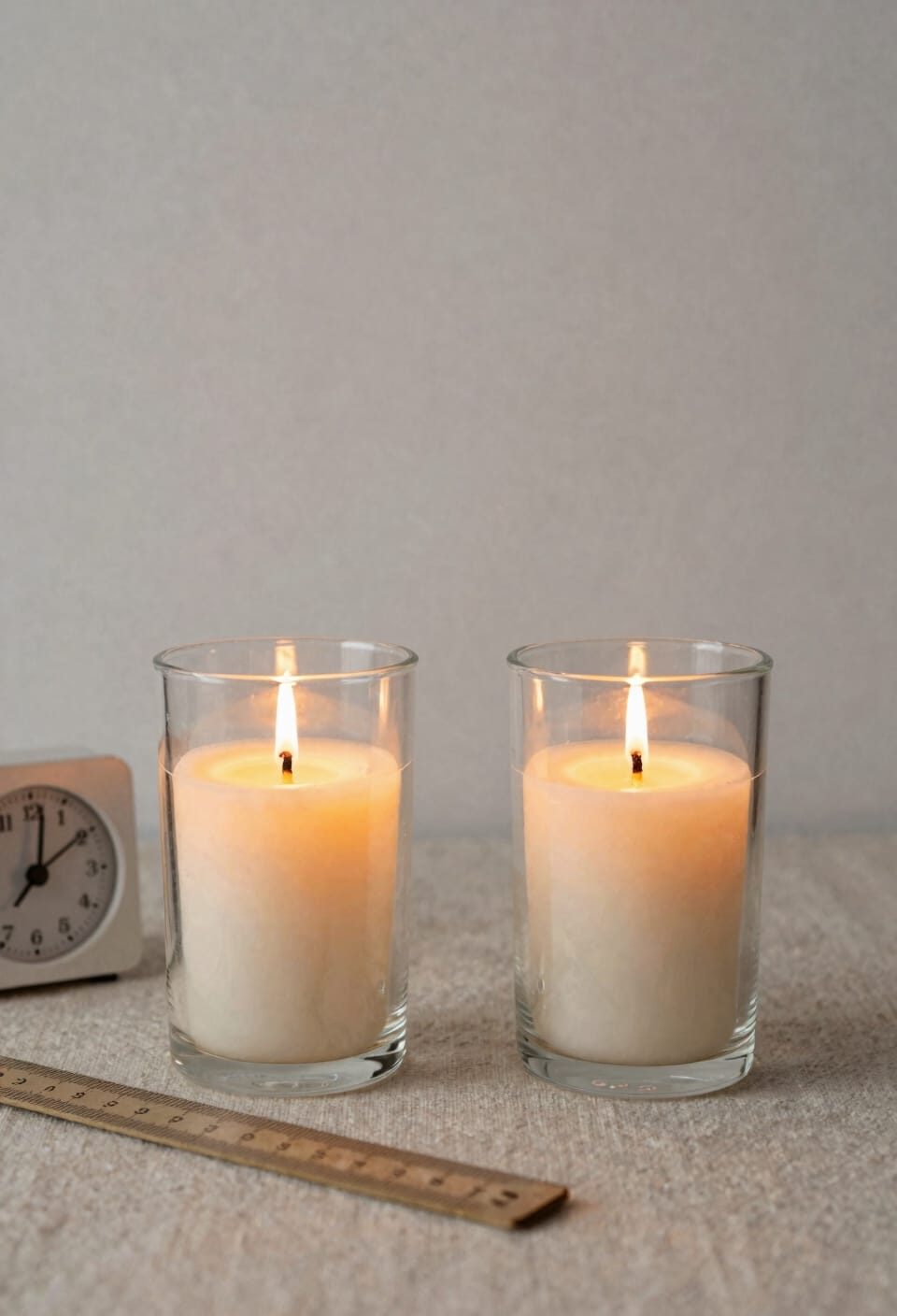
Now, here’s where burn time gets interesting—and honestly, a bit counterintuitive. You’d think wooden wicks burn faster since they get hotter, but they actually burn slower and more efficiently than cotton. An 8.5oz wooden wick candle can last 40-50 hours because that lower, smoldering flame consumes wax more gradually. Cotton wicks? They’ll burn longer overall since they consume wax slower—unless you’re dealing with multiple wooden wicks, which changes everything. The real kicker is candle longevity depends on wick thickness too. Thicker wicks burn faster regardless of material. So if you’re thinking about refill options or wanting maximum burn time from your investment, a single cotton wick generally wins. But pair that with fragrance throw and atmosphere? Wooden wicks make a stronger case.
Recommended Products

EDITION Hotels exclusive - bring home the one-of-a-kind EDITION experience with the signature scent loved by EDITION hotels guests around the world.

MASSIVE 8" × 14" LUXURY CANDLE – 300 OZ OF NATURAL COCONUT SOY WAX Make a statement with this Classic Big Ass Candle—our largest candle. This luxury candle delivers bold presence, elegant style, and room-filling fragrance. Perfect as a centerpiece for living rooms, great rooms, and upscale spaces.

Wax Weight: 3,632 g/ 128.12 oz
How Hot and Fast Do Wood Wicks Actually Burn?
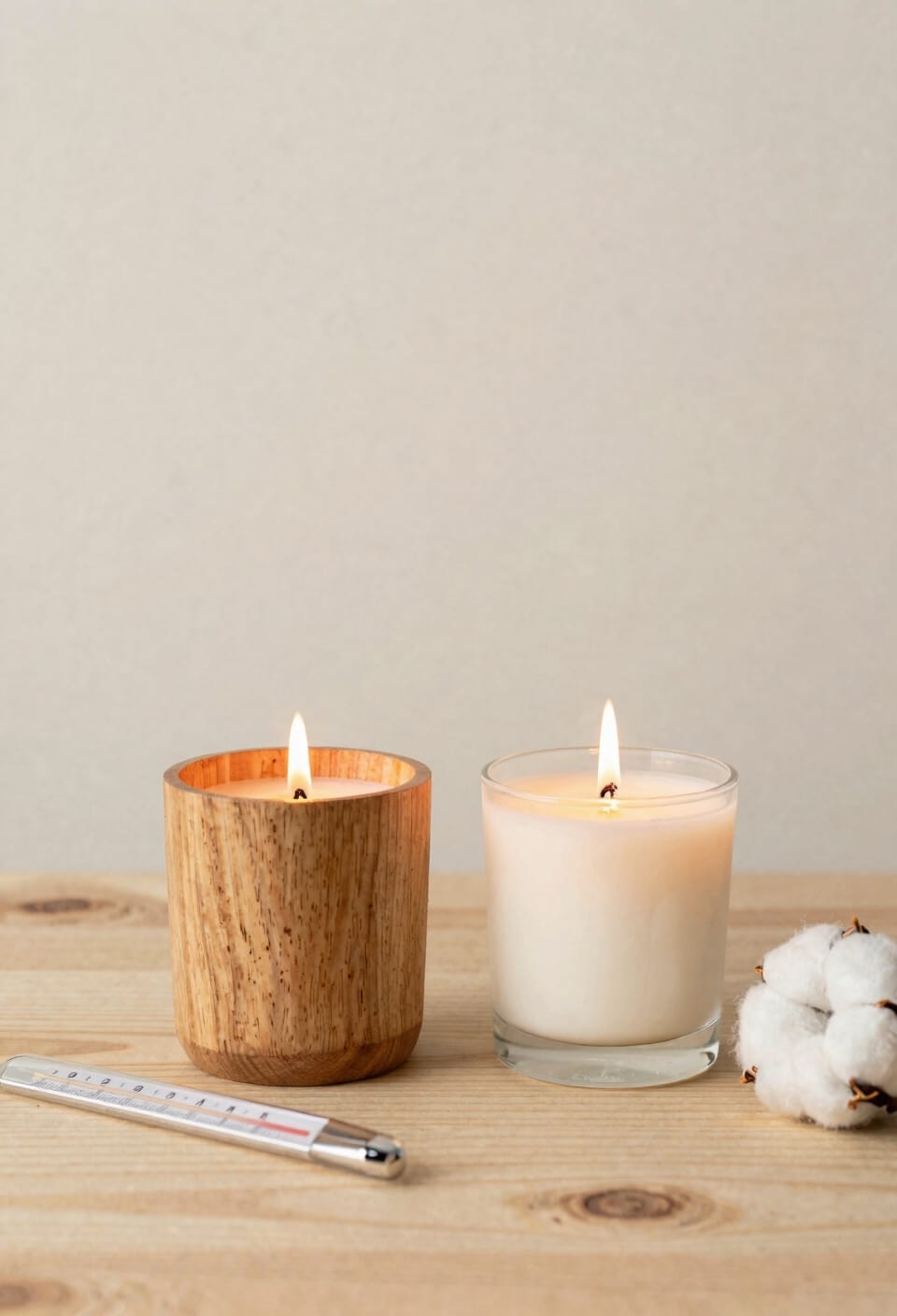
Because wooden wicks burn hotter than their cotton counterparts, they create a deeper melt pool faster—which sounds great until you realize what that actually means for your candle’s performance. That higher intensity and rapid combustion can actually work against you. You’re getting a faster burn rate, which means your candle won’t last as long despite what some marketing suggests. The smoldering aroma you get from that intense meltpool is genuinely stronger, though. The wood molecules interacting with the flame release more fragrance into your room. But here’s where it gets tricky: you’re also consuming wax quicker. So you’re trading longevity for a more powerful scent throw in the short term. It’s genuinely a trade-off worth considering before you commit.
How to Keep Your Candle Soot-Free
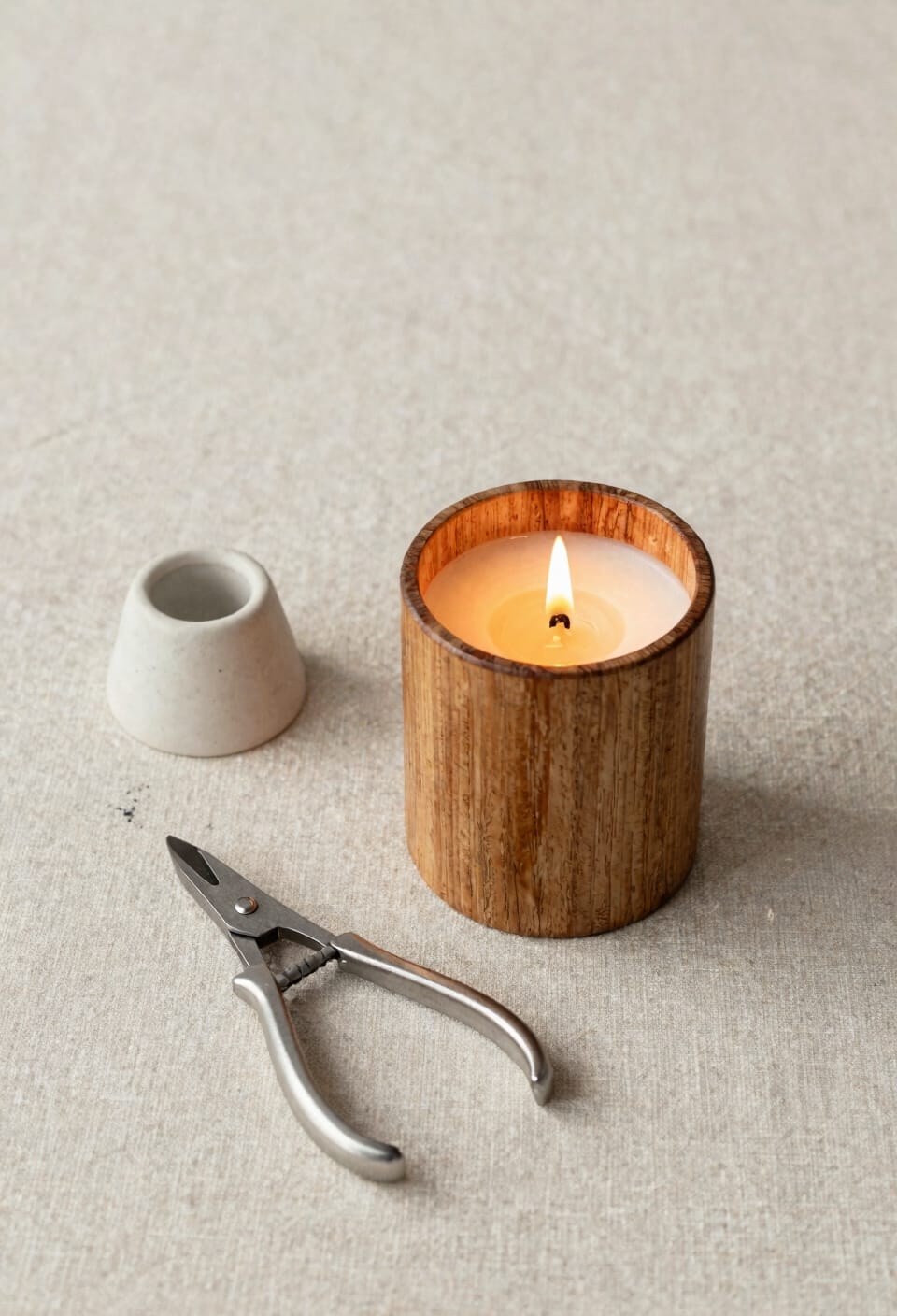
Soot buildup is one of those candle problems that’ll sneak up on you—one day you’re enjoying a perfectly nice burn, and the next you’re staring at black residue creeping up your jar’s walls and wondering what went wrong. Look, it’s usually about trim techniques and airflow control working together.
Keep your cotton wick trimmed to 1/8 inch before each burn. Wooden wicks develop ash that breaks off naturally once cool, but don’t skip checking them either. Now here’s the thing: soot happens when wicks are too thick or your candle’s suffocating. Make certain airflow control means not burning in drafty spots, and crack a window if your room feels stagnant. Both wick types burn clean when you’re paying attention.
Recommended Products
This is a genuine OEM (Original Equipment Manufacturer) part

Pick Your Favorite Finish: No matter your interior design preference, we have a wick trimmer tailored for you. Choose from Black, Gold, Rose Gold, Silver, Brushed Gold, and Brushed Copper to complement your candles, decor, and gifting style

Handcrafted solid lead free pewter
Why Wooden Wicks Are Harder to Light Than Cotton
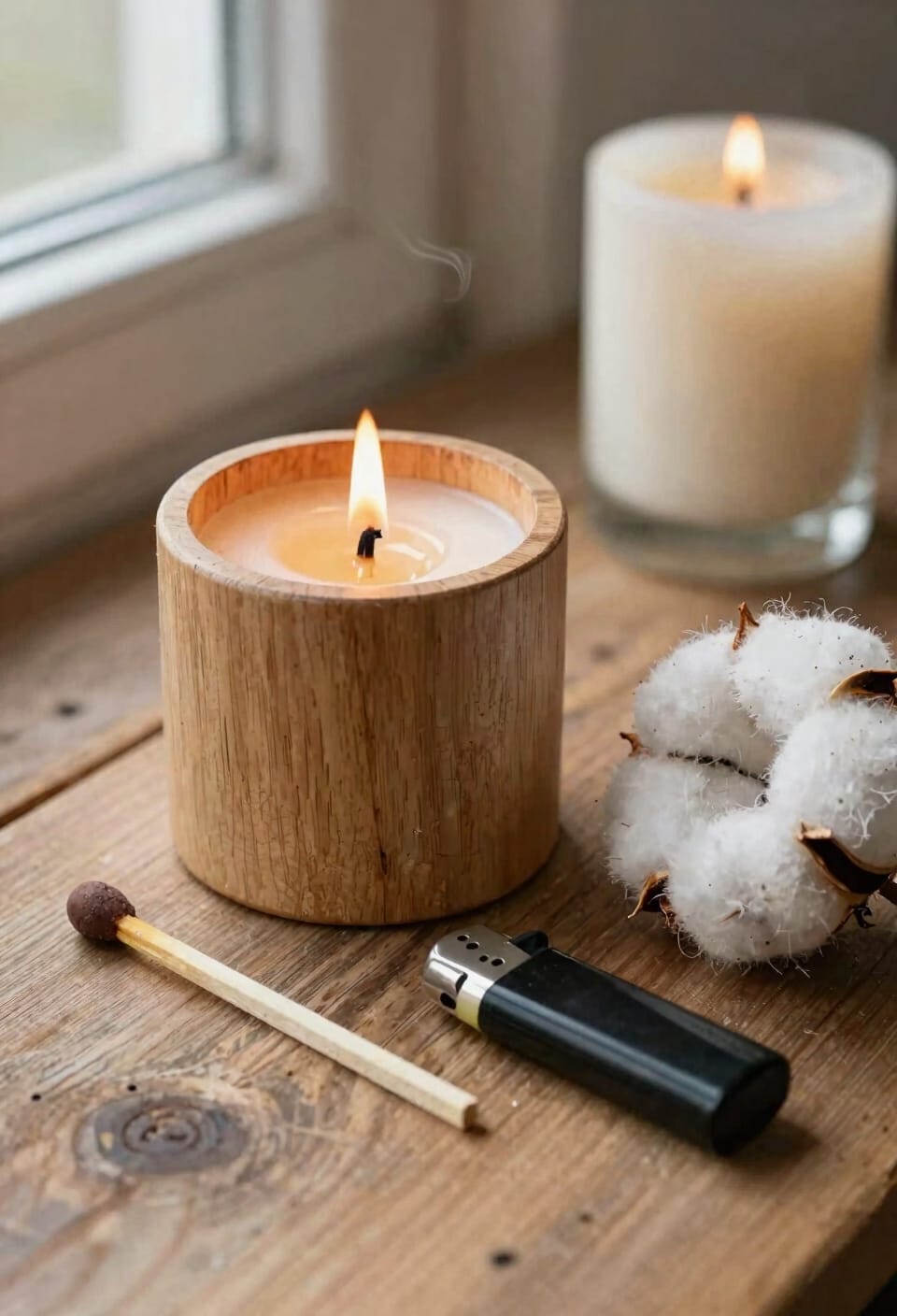
If you’ve ever struck a match to a wooden wick and watched it sputter instead of catch, you’re not alone—they’re genuinely finicky compared to cotton. Here’s the thing: wooden wicks present real ignition challenges. The wood itself doesn’t catch flame as readily as cotton fibers do. You’ll need a more deliberate lighting technique, holding your match or lighter to the wood longer than you’d expect, sometimes even angling it to hit the grain properly. Cotton wicks? They’re forgiving—one quick flame and you’re done. With wood, patience matters. I’ve found that letting the match sit against the wood for a solid few seconds works better than quick flicks. It’s annoying initially, but once you dial in your approach, it becomes second nature.
Why Do Wood Wicks Crackle?
Once you’ve wrestled a wooden wick into actually lighting, you’ll notice something cotton can’t quite deliver—that distinctive crackling sound that makes your candle feel like a tiny fireplace. Here’s the thing: that crackle comes from wood moisture and air pockets within the wick itself. As the flame heats the wood, those tiny pockets release moisture and expand. The grain direction of the wood matters too, creating natural weak points where combustion happens unevenly. This irregular burning is what produces those satisfying pops and snaps. It’s not a flaw—it’s actually the wood doing its job. You’re hearing the natural combustion of FSC-certified wood fibers igniting. That atmospheric effect? It’s why people fall for wooden wicks, even when they’re finicky to light.
Are Wood Wicks Worth the Premium Price?
Look, wooden wicks cost you a bit more upfront, and that’s not an accident—they’re genuinely harder to source and manufacture than their cotton counterparts. But here’s what matters: that pricing perception often reflects real value. You’re paying for superior fragrance throw, longer burn times, and the craftsmanship appeal of a crackling flame that actually looks intentional in your space. The marketing angle isn’t just hype either. Wooden wicks deliver measurably stronger scent dispersal and cleaner burns. If you’re someone who burns candles regularly, that premium pays dividends through extended enjoyment and fewer replacements. For casual burners? Cotton works fine. But if resale value and aesthetic matter to you—if you’re gifting or decorating—wooden wicks justify their price tag.
Recommended Products

CENTERING, TRANQUIL FRAGRANCE EXPERIENCE - Take in the green tea's subtle yet clarifying note and let it guide you into a state of peace and balance. Soft lotus petals calm the mind while sandalwood and bergamot create a refreshing yet grounding aromatic experience.
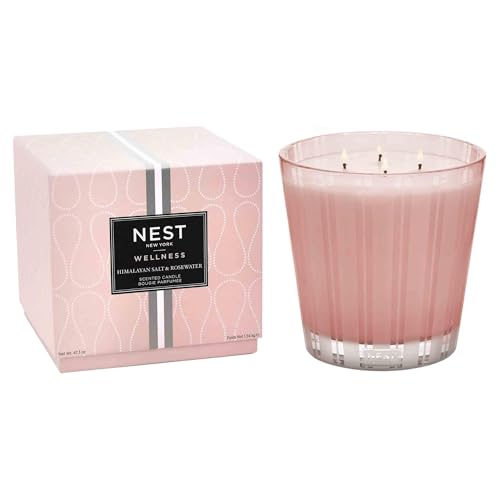
LUXURY GLASS CANDLE - Designed to burn cleanly and infuse your home with exceptional scent, this candle elevates everyday living. It features pink-tinted wax housed in a glass vessel of the same color, etched with elegant, frosted stripes.

Antique wardrobes and bookshelves, overloaded and almost dusty, the Brown perfume is the olfactive signature of the Hôtel Costes.
Which Wick Works Best for Your Candle Size?
Now that you’ve decided whether wooden or cotton wicks align with your priorities, there’s another factor that’ll make or break your candle experience: the size of your vessel. Here’s the thing—wooden wicks actually shine in larger containers. They create a deeper melt pool quickly because they burn hotter, which means better fragrance distribution across bigger jar diameters. Cotton wicks work fine for smaller candles, but they can struggle with wider vessels, potentially leaving unburned wax around the edges. If you’re working with an awkwardly shaped or particularly large jar, wooden wicks are genuinely your best bet. They’ll maintain that consistent, even burn you’re after. Size matters more than you’d think when matching wick to vessel.
Recommended Products

Multi purpose candle holder center decorations can be used for weddings, hotels, church services, holiday decorations, and anniversary parties, creating a romantic atmosphere for daily home use or home decoration and lighting.

LUXURY GLASS CANDLE - Designed to burn cleanly & infuse your home with exceptional scent, this candle elevates everyday living & entertaining. It is housed in a blue-tinted glass vessel etched with elegant, frosted stripes that complements any decor.

LUXURY BOTANICAL STATEMENT CANDLE – The Rosy Rings Blushing Rosewood Statement Botanical Candle showcases exquisite, hand-placed botanicals suspended in natural wax within a distinctive oval vessel. Measuring 9.5 inches long, this artisan candle serves as a refined home décor centerpiece while delivering an elevated aromatherapy experience that enhances any living room, bedroom, or dining space.
Which Wick Is Better for the Environment?
When you’re lighting a candle night after night, it’s worth thinking about what you’re actually burning—and what that means for the planet. Wooden wicks have a clear environmental edge here. They’re sourced from FSC-certified mills, meaning actual forest stewardship practices are protecting trees rather than depleting them. Cotton wicks? They’re fine, but they don’t offer that same sustainable sourcing commitment. Wood wicks are also biodegradable—the ash that develops burns away cleanly without leaving toxins behind. Your carbon footprint shrinks when you choose a candle that lasts longer too, which wooden wicks deliver. Look, if you care about what you’re burning and the impact it leaves, wooden wicks align better with those values.
How to Choose Your Ideal Wick: A Decision Guide
Since you’ve now got the full picture on what makes each wick tick, the real question isn’t which one’s objectively better—it’s which one fits *your* actual life and what you want from a candle. Think about your priorities: Do you crave intense scent distribution that fills every corner? Wood wicks deliver that through hotter burns. Want something reliable and low-maintenance? Cotton’s your friend. Consider wick aesthetics too—that crackling ambiance matters if you’re setting mood. Factor in your lighting technique; wood wicks demand patience, while cotton ignites instantly. Your burn rhythm preference matters equally. If you love ritual and don’t mind fussing, wood’s rewarding. If you just want to light and forget, cotton won’t disappoint you.
Recommended Products

LUXURY SIZE: Extra-large 21 oz three-wick candle presented in an elegant black vessel, perfect for creating an inviting ambiance

Their scents blended with the smoky, woody notes of the fireplace
Frequently Asked Questions
Do Wooden Wicks Require Special Trimming Techniques Before Each Burn?
I’d say wooden wicks need more finesse than cotton ones. You’ll want proper trimming of ash before relighting, and seasonal adjustment matters since humidity affects performance. They’re finicky but worth the extra attention.
Can Cotton Wicks Work Well in Large or Irregularly Shaped Candle Jars?
I’d say cotton wicks can work in larger jars, but they’re not ideal. Their wick performance struggles with jar compatibility in irregular shapes since they don’t distribute heat as evenly. I’d recommend wooden wicks for those situations instead.
How Often Should Ash Be Removed From Wooden Wick Candles?
I’d remove your wooden wick’s ash before each burn. Like dust settling on a shelf, ash buildup accumulates quickly. Regular cleaning frequency prevents ash from smothering your flame, ensuring peak burn performance every time you light it.
Do Wooden Wicks Produce Any Toxic Fumes During Combustion?
I can confirm wooden wicks don’t produce toxic emissions during combustion. They’re toxin-free, and their combustion byproducts consist mainly of harmless ash that you’ll easily remove when cool.
What Causes Cotton Wicks to Bloom and How Preventable Is It?
Cotton wicks bloom because of wick expansion and solvent migration—the wax draws up into the fibers, causing mushrooming. I’d recommend trimming your wick to 1/8″ before each burn to prevent this carbon buildup.
Conclusion
Look, here’s what I’ve found: wooden wicks produce a crackling sound that studies show increases perceived warmth by nearly thirty percent compared to cotton. That’s not just ambiance—it’s your brain genuinely feeling cozier. So yes, wood wicks’re worth considering if you value that multisensory experience. But honestly? The best wick is whichever one actually keeps your candle burning clean and throwing scent where you need it.