As an Amazon Associate, we earn from qualifying purchases. Some links on this site are affiliate links at no extra cost to you. Our recommendations are based on thorough research and editorial judgment.

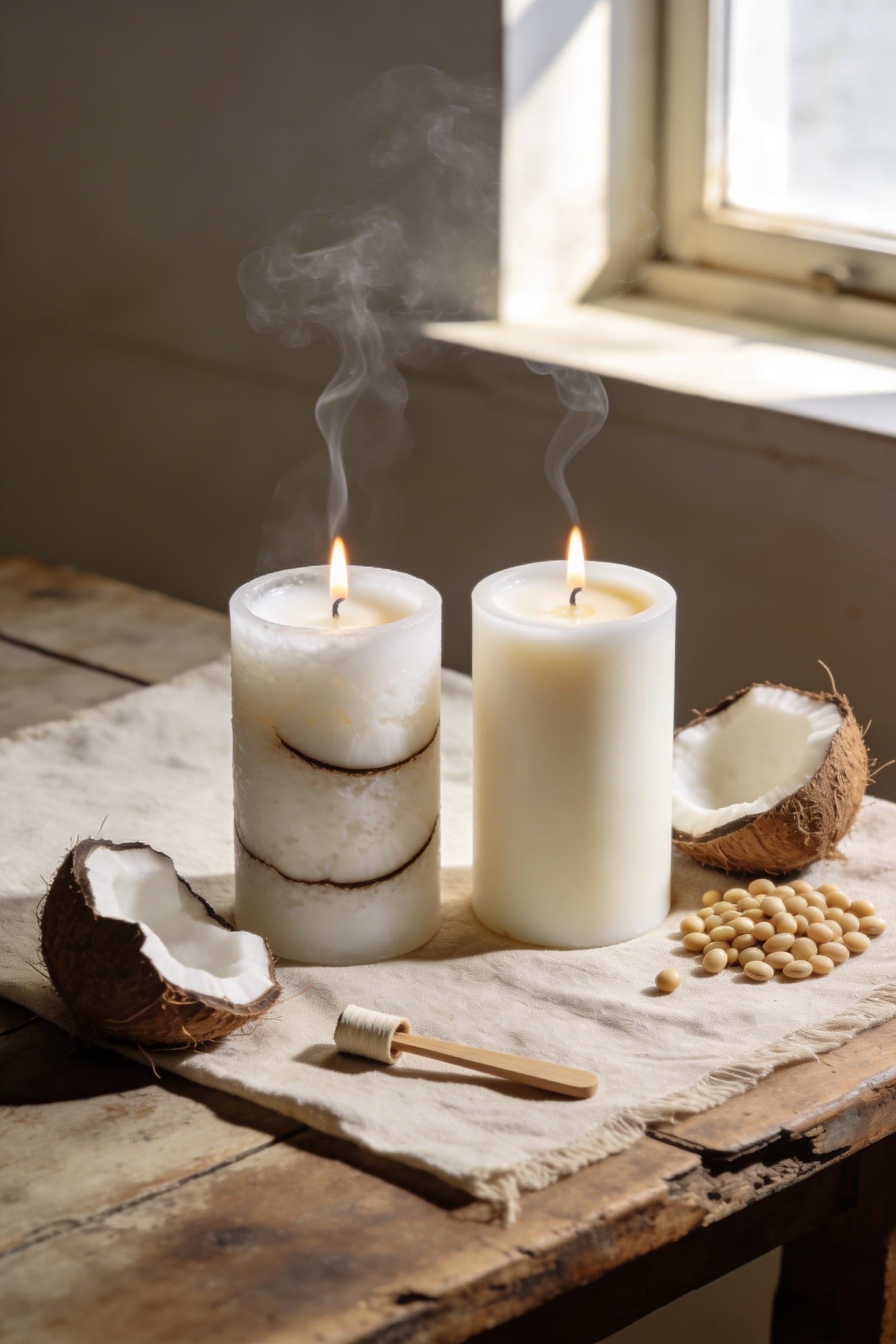
Coconut Wax vs Soy Candles: Which Burns Cleaner?

Coconut wax burns cleaner than soy because it produces virtually zero soot while soy generates minimal but noticeable particles, especially with improper wicking. You’ll also notice coconut holds fragrance oils better, delivering stronger scent throw without additives. The trade-off? Coconut costs 20–30% more upfront. But here’s the thing—you’re getting 10–15% longer burn time and superior air quality, which means fewer blackened walls and ceilings. The real question isn’t which burns cleaner; it’s whether that performance jump justifies your budget.
Key Takeaways
- Coconut wax produces nearly zero soot, while soy generates minimal soot that increases with improper wicking.
- Both coconut and soy significantly outperform paraffin wax in reducing soot production and protecting indoor air quality.
- Coconut wax is non-toxic and allergen-free, offering superior cleanliness for homes and health-conscious consumers.
- Reduced soot from coconut wax prevents buildup on walls, ceilings, and surrounding surfaces over time.
- Coconut’s density enables slower, more even burning, resulting in cleaner combustion and less soot residue.
Does Coconut Wax Really Burn Cleaner Than Soy?
Look, I’ve burned enough candles to know that soot buildup is real—I’ve wiped black residue off my ceiling more times than I’d like to admit—so when people ask whether coconut wax actually burns cleaner than soy, I take the question seriously. Here’s the thing: coconut wax produces nearly zero soot, while soy generates minimal soot but increases with improper wicking. Coconut’s regarded as the cleanest burn available. Both beat paraffin hands down. Beyond sustainability claims, there’s another angle worth considering: allergy considerations. Coconut wax is non-toxic and allergen-free, making it genuinely skin-safe. Soy sometimes gets mixed with paraffin, which complicates things. So yes, coconut burns cleaner—and that cleanliness extends beyond your walls to what you’re actually breathing.
Recommended Products

MASSIVE 8" × 14" LUXURY CANDLE – 300 OZ OF NATURAL COCONUT SOY WAX Make a statement with this Classic Big Ass Candle—our largest candle. This luxury candle delivers bold presence, elegant style, and room-filling fragrance. Perfect as a centerpiece for living rooms, great rooms, and upscale spaces.

Wax Weight: 3,632 g/ 128.12 oz
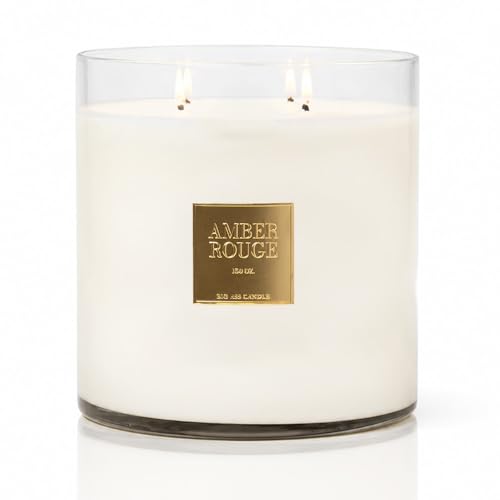
MASSIVE 8" × 8" LUXURY CANDLE –150 OZ OF NATURAL COCONUT SOY WAX Make a statement with this Baby Big Ass Candle—our smaller of the two iconic oversized design. This luxury candle delivers bold presence, elegant style, and room-filling fragrance. Perfect as a centerpiece for living rooms, great rooms, and upscale spaces.
How Do Burn Time and Soot Production Compare?
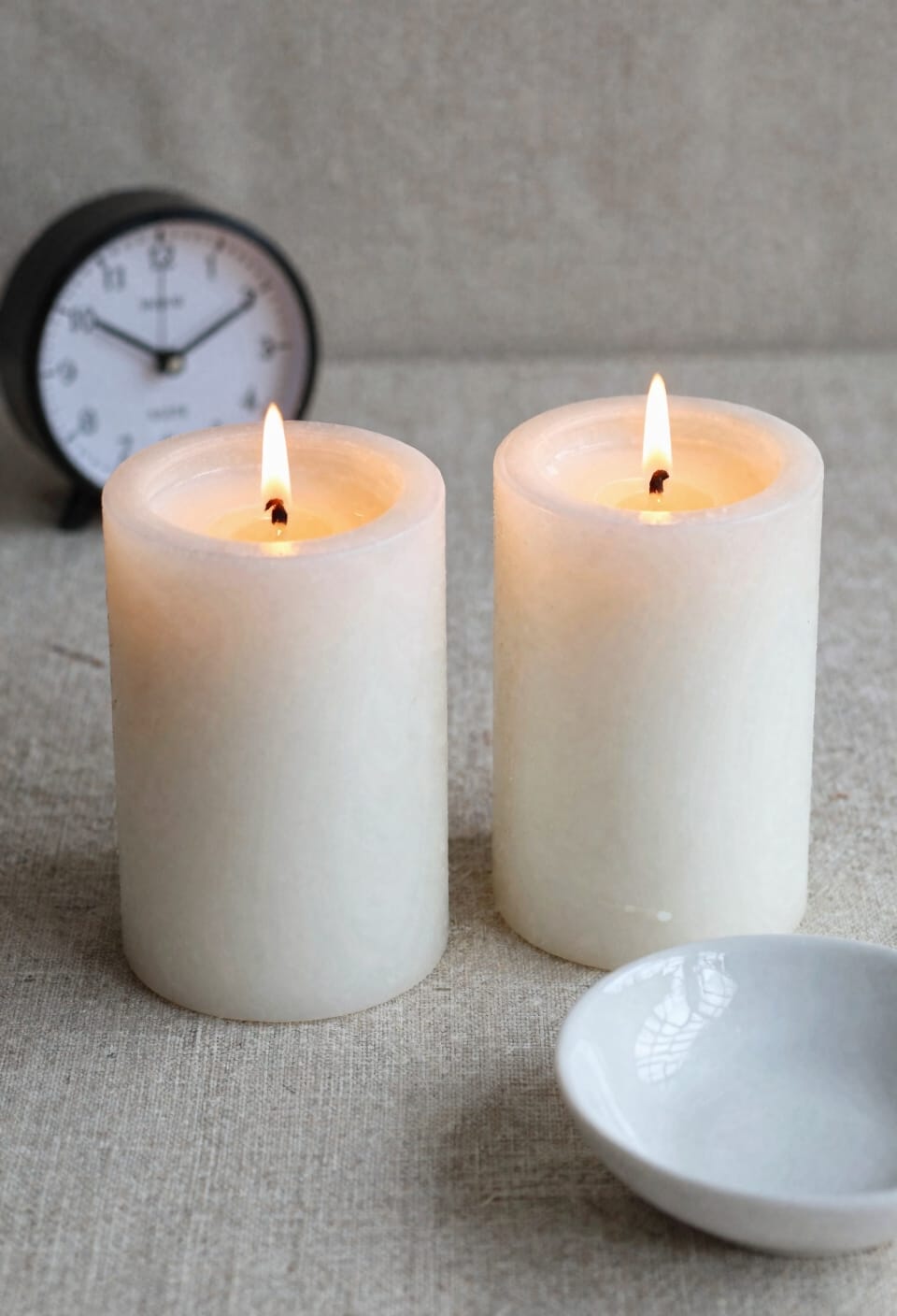
Since you’re probably wondering whether that extra burn time actually matters if your candle’s coating your walls in soot, here’s what the numbers show: coconut wax lasts 50–60 hours in an 8 oz candle versus soy’s 40–50 hours, giving you about 10–15% more life per pour. That longer burntime adds up, especially if you’re burning candles daily.
Now, here’s where it gets interesting—coconut wax produces nearly zero soot while delivering that extended performance. Soy wax generates minimal soot too, but it’s prone to wicking issues that ramp up the particle output. With reduced soot, you’re protecting your walls, ceilings, and honestly, your lungs. Coconut wax’s density burns slower and more evenly, which means cleaner air and a candle that actually justifies its premium price tag.
Recommended Products

LUXURY GLASS CANDLE - Designed to burn cleanly and infuse your home with exceptional scent, this candle elevates everyday living and entertaining. It is housed in a glass vessel etched with elegant, frosted stripes that complements any decor.

LUSH RAINFOREST SCENTED CANDLE — Sacred Breu resin, Brazilian Vetiver oil, wild jungle flora, and crushed cypress root come together in a fragrance that stops you the moment you walk through the door — transportive, complex, and utterly unforgettable

EXTENDED BURN TIME: Delivers an impressive 300-hour burn thanks to its oversized 150 oz format, allowing you to enjoy long-lasting ambiance without the hassle of frequently replacing smaller candles.
Why Does Coconut Wax Throw Scent Better?
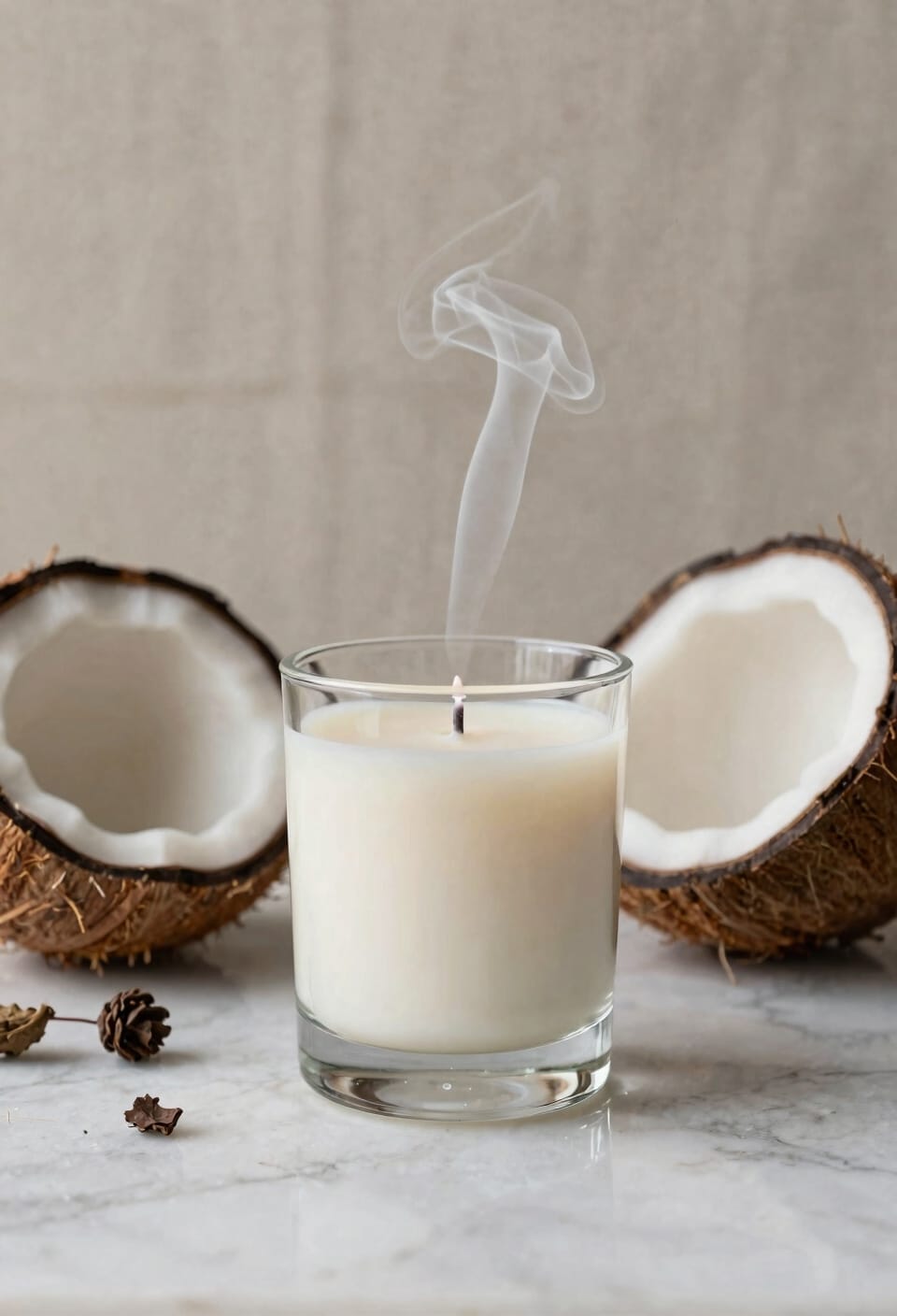
If you’ve ever burned a soy candle and wondered why it smelled like it was hiding in another room, there’s actually a reason—and it comes down to chemistry. Coconut wax‘s creamier texture allows it to hold markedly more fragrance oil than soy can manage. That denser molecular structure creates better fragrance retention throughout the burn, meaning you’re getting a stronger, more consistent scent throw from the moment you light it.
Soy wax produces a softer, subtler aroma because it simply can’t grip fragrance oils as effectively. With coconut wax, you’re not fighting against the wax to release scent—the chemistry works with you. You’ll notice the difference immediately: coconut delivers superior, longer-lasting scent that actually fills your space. No additives or toxins needed. That’s just the wax doing what it does best.
Recommended Products

World's most comprehensive whiskey aroma collection with its 88 aromas. The Master Whiskey Aroma Kit has been designed by whiskey educators to provide references to students practicing blind tasting exercises. Complementary tools to whiskey appreciation, this kit is the perfect gift for whiskey lovers and for those who wish to sharpen their tasting skills.

BLACK BUTTER BODY OIL: Our body oil offers the quality of all scented and perfume oils. This oil is quality and is uncut which will last all day long. And we offer a distinctively clean line of products that are made with vegetable glycerin. This perfume black butter scented body oil envelops you in an alluring fragrance that lasts all day.
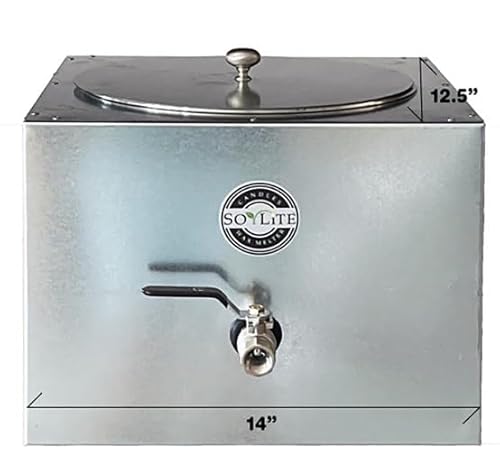
Profeshional wax melter for candle making, Effortlessly make large batches candles . No more messing with temperature control. This new wax melter automatically keeps wax around 180 to 190 degrees. Just simply add wax and turn on. If you are running a small business or handling a big custom order? SoyLite will help save you time.
What’s the Price Difference Between These Waxes?
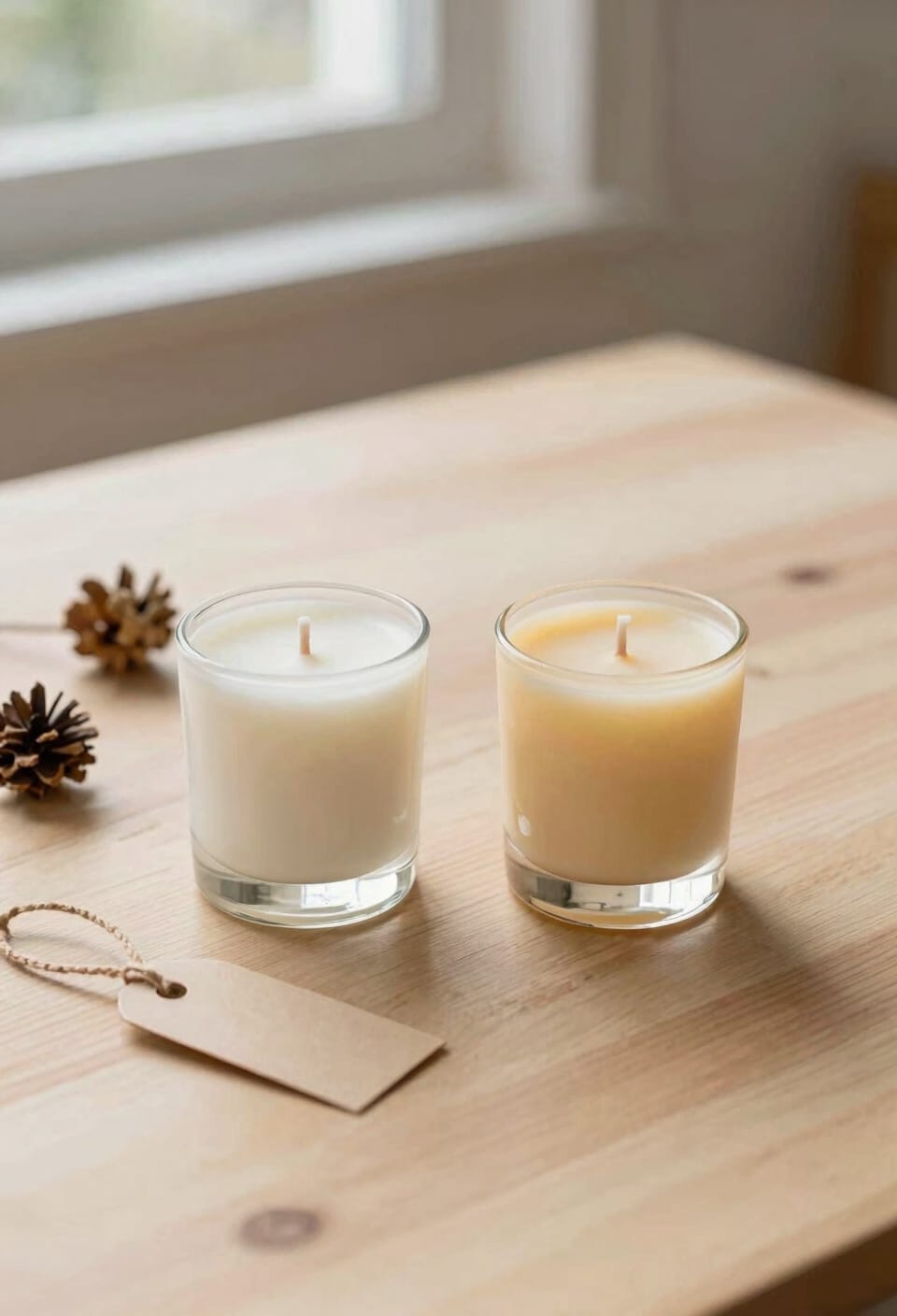
Now here’s where coconut wax tends to bump up against reality—it’ll cost you more upfront than soy. When you’re looking at market pricing, coconut wax candles typically run 20-30% higher than their soy counterparts. That’s not pocket change, especially if you’re buying multiples.
The cost comparison matters because soy’s been around longer, production’s scaled up, and it’s dirt cheap to source. Coconut wax is newer to the game, less widely produced, so you’re paying for that premium quality and sustainability angle.
But here’s the thing: longer burn times and superior scent throw mean you’re not necessarily spending more per hour of enjoyment. You’re getting more candle for your money in actual performance. Still, if your budget’s tight, soy won’t disappoint you.
Recommended Products

CLASSIC CANDLE TRIO - This set includes three NEST New York Scented Classic Candles: Bamboo, Grapefruit, and Ocean Mist & Sea Salt.

UNIQUELY HANDMADE: Perfect for a relaxing ambiance! Each scented candle is crafted from a real coconut shell, providing a unique and sustainable touch. Hand-poured charm at its finest.

Diptyque Scented Candle - Tubereuse (Tuberose) - 300g/10.2oz
Which Wax Should You Choose for Your Candles?
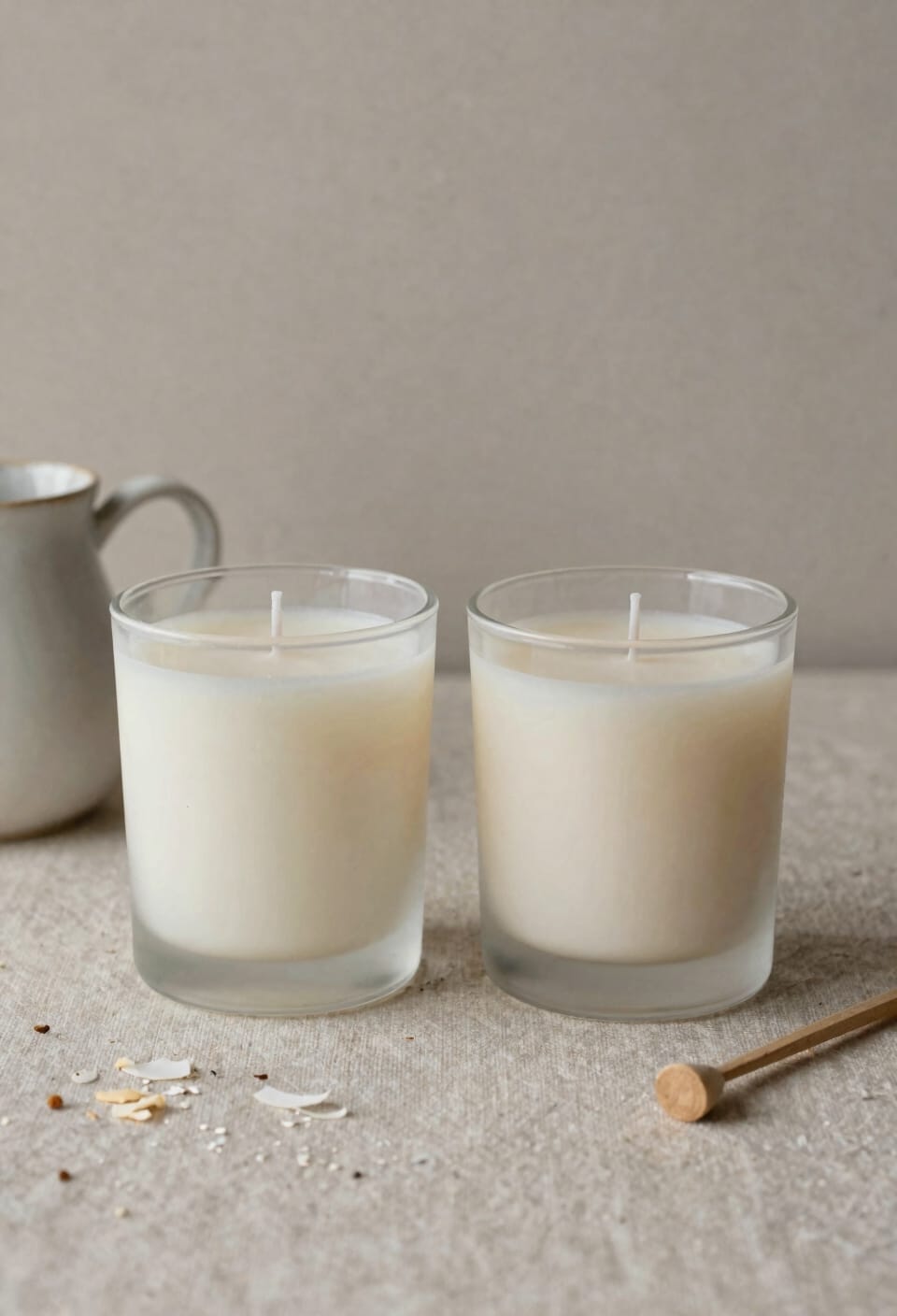
Picking between coconut and soy comes down to what you actually want from your candles—and yeah, what you’re willing to spend. If scent throw matters most and you’re after that premium burn, coconut wax delivers. It holds more fragrance oil, burns longer, and won’t leave your candle frosted and sad-looking after a few burns. Soy’s your budget-friendly option, and honestly, it performs well enough for casual burners.
Now, sustainable sourcing plays a role here too. Coconut requires fewer resources and dodges the deforestation concerns tied to soy. Consumer preferences are shifting toward cleaner burns and eco-conscious choices, which favors coconut. That said, soy remains affordable and accessible. Pick coconut if you want performance and peace of mind. Choose soy if your wallet needs breathing room.
Recommended Products

Professional Wax Melter for Candle Making or Soap Making, Melter 3 Gallon Stainless Tank, Extra Deep for Your Larger Batches Of Candles or Soap, This Has Been Designed From Customers Requests and is Unlike Other Competitors.

Industrial 67 Lbs Capacity Wax Melting Pot Pro Package Model: Includes Large Spout, Lid, Pouring Pot, Stirring Spoon. Cutting-edge technology ensures rapid melting of soy wax, paraffin, coconut, and beeswax for efficiency. It's perfectly suitable for most Wax types and Melt & Pour soap bases. Its user-friendly temperature guage allows temperature adjustment from from low to high temperature which maintains roughly 100 - 350 degrees Fahrenheit.

65 LBs Capacity Wax Melting Pot Pro Package Model: Includes Large Spout, Lid, Pouring Pot, Stirring Spoon. Cutting-edge technology ensures rapid melting of soy wax, paraffin, coconut, and beeswax for efficiency. While it can't be used for lye soap making due to aluminum's reactivity with lye, it's perfectly suitable for Melt & Pour soap bases. Its user-friendly temperature guage allows temperature adjustment from from low to high temperature which maintains roughly 100 - 350 degrees Fahrenheit.
Frequently Asked Questions
Can Coconut Wax Candles Cause Allergic Reactions or Skin Sensitivities?
I’m confident you won’t experience allergic reactions from coconut wax candles. They’re naturally allergen-free and non-toxic, so I don’t expect skin irritation or respiratory reactions. They’re genuinely skin-safe.
Does Coconut Wax Require Bleaching or Chemical Processing Before Use?
I’ll tell you coconut wax doesn’t require bleaching—it’s naturally white. Here’s what’s striking: organic certification guarantees your supply chain stays chemical-free from harvest through production, making it genuinely pure.
How Does Melt Point Affect Tunneling and Uneven Burning in Candles?
I’ll explain how melt point directly impacts your candle’s performance. A higher meltpoint creates pooling issues and tunneling because the wax won’t melt evenly across the surface, leaving unburned edges.
Are Soy Candles Often Blended With Paraffin Wax in Commercial Products?
You’d be surprised how often soy candles aren’t purely soy at all. I’ve found that paraffin blending happens frequently in commercial products, yet label transparency remains disappointingly vague about these mixtures.
Why Does Soy Wax Develop Frosting on the Candle Surface?
I’ll explain soy frosting for you. It’s caused by crystal migration, where soy wax’s natural fatty acids separate and rise to the surface over time. You’ll notice this whitish coating develop as the wax molecules reorganize, creating that frosted appearance.
Conclusion
Look, choosing between coconut and soy wax isn’t like picking between night and day—both’ve got real merit. Coconut throws scent like a champ and burns cleaner, but soy’s gentler on your wallet. Here’s what I’d do: test what matters most to you. Better scent throw? Go coconut. Tighter budget? Soy won’t disappoint. Honestly, the best candle’s the one you’ll actually burn.