As an Amazon Associate, we earn from qualifying purchases. Some links on this site are affiliate links at no extra cost to you. Our recommendations are based on thorough research and editorial judgment.

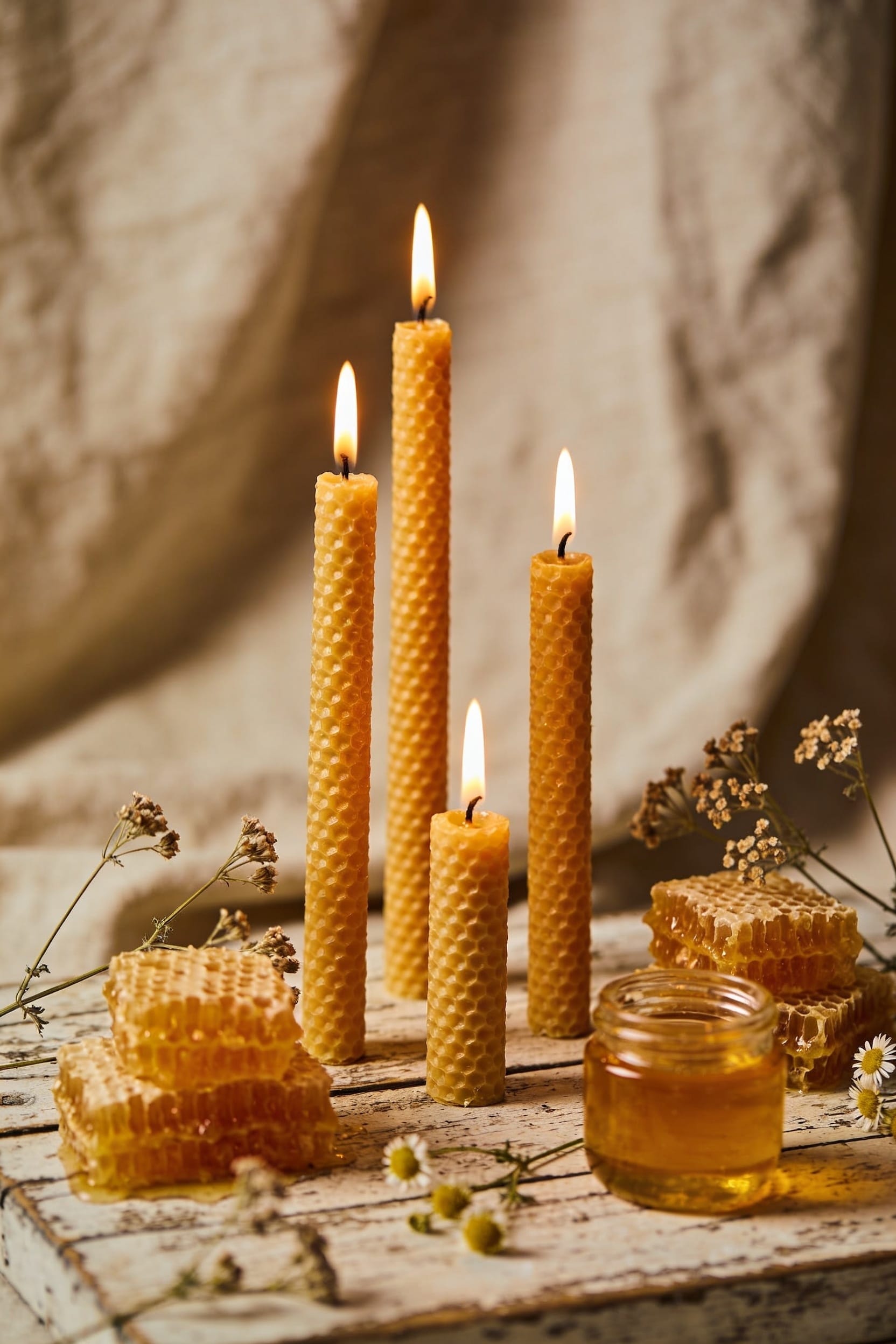
Beeswax Candle Benefits: Why They’re Worth the Price

Look, I used to think beeswax candles were pure luxury until I did the math on burn time. They cost more upfront, sure, but they burn twice as long as paraffin, which means you’re actually spending less per hour of use. Plus, they burn cleaner—virtually no soot—release negative ions that neutralize allergens and odors rather than masking them, and emit light closer to natural spectrum so your eyes don’t fatigue. You’re not just buying a candle; you’re investing in air quality and sustainability.
Key Takeaways
- Beeswax burns twice as long as paraffin, making cost-per-hour competitive despite higher upfront prices.
- Natural negative ions released during burning neutralize allergens, dust, and odors rather than masking them.
- Clean combustion produces virtually no black soot, protecting indoor air quality and wall surfaces.
- Steady, bright flame emits natural-spectrum light that reduces eye strain during reading or work.
- Pure beeswax purchases support sustainable beekeeping practices and create economic incentives for bee conservation.
Beeswax Candles vs. Paraffin: Why the Price Difference Matters
When you’re standing in a store comparing a $6 paraffin candle to a $20 beeswax one, I get it—that sticker shock is real, and you’re probably wondering if you’re just paying for marketing hype. Here’s the thing: you’re not. The price difference reflects actual quality and artisan pricing that comes with ethical sourcing. Beeswax burns slower—sometimes twice as long as paraffin—which means you’re getting more hours per candle. Plus, there’s no black soot coating your walls, no toxic chemicals, and that natural honey scent that doesn’t require artificial fragrance additives. When you do the math on burn time, beeswax becomes surprisingly competitive. You’re paying more upfront, sure, but you’re not replacing it constantly.
The Cost-Per-Hour Reality: How Beeswax Compares to Cheaper Waxes
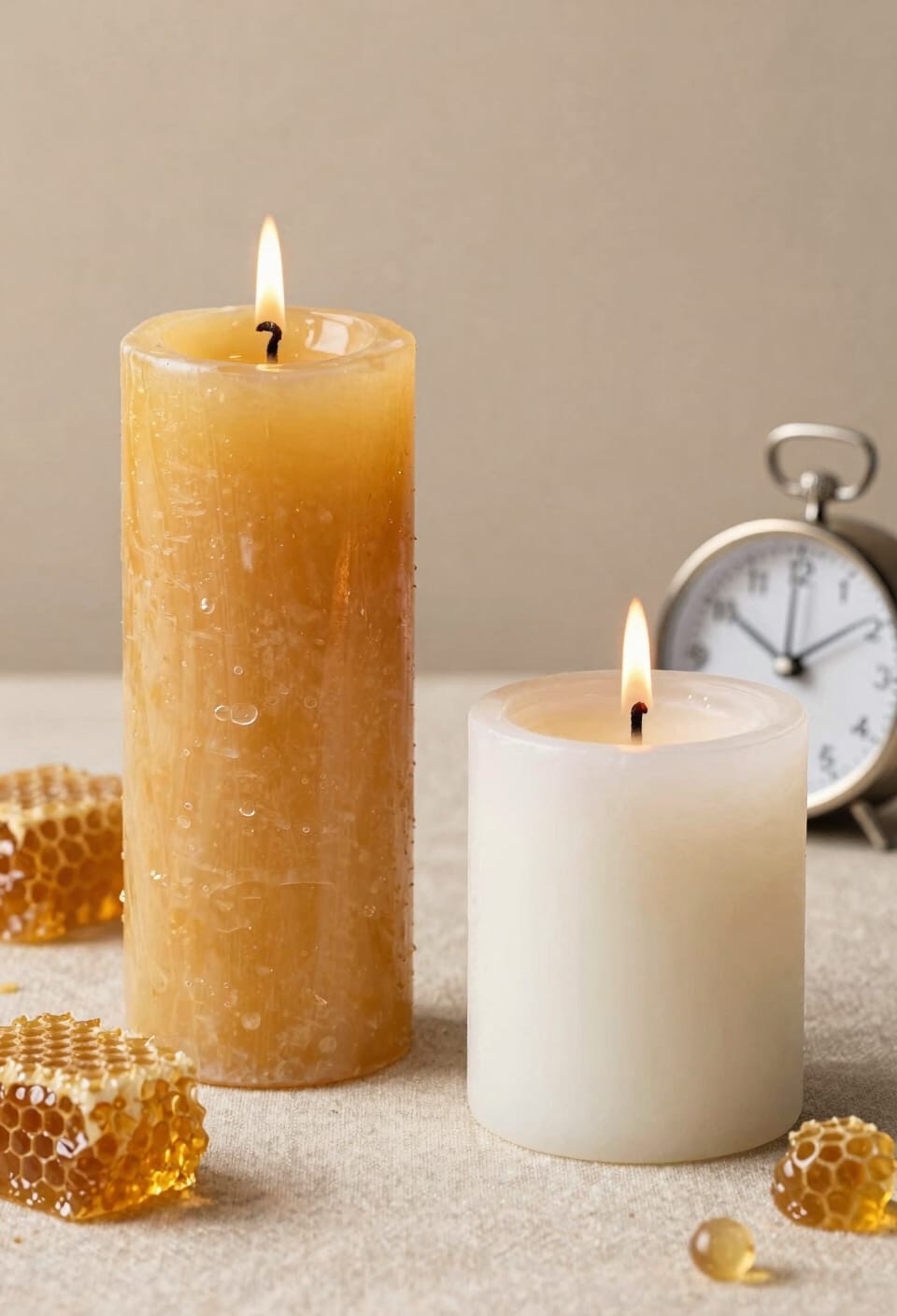
Let me break down the actual math on what you’re spending per hour of burn time, because that’s where beeswax stops looking expensive and starts looking smart. A quality beeswax candle costs more upfront—sure. But here’s the thing: it burns slower and longer than paraffin or soy alternatives. We’re talking roughly double the burn time, sometimes more. When you calculate the lifecycle cost, that higher price tag gets divided across markedly more hours of use. You’ll find the cost-per-hour nearly identical to cheaper waxes, except you’re getting cleaner air, better light, and no toxic fumes while it burns. Long term affordability matters, and beeswax delivers it through sheer endurance rather than bargain pricing.
Why Beeswax Burns Longer and Cleaner Than Paraffin
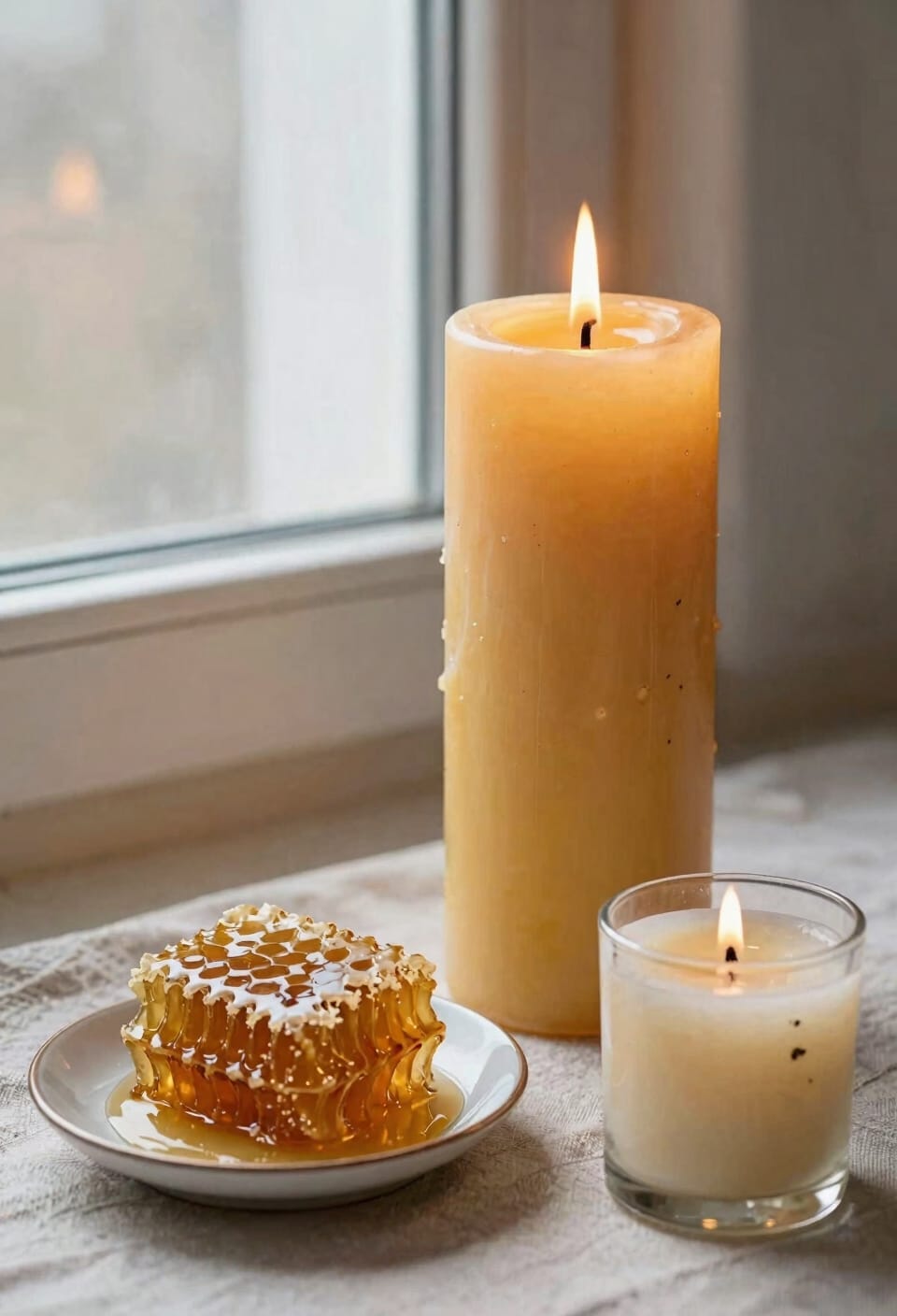
Now that you understand beeswax won’t drain your wallet when you factor in actual burn time, it’s worth knowing *why* it outperforms paraffin in the first place. The secret lies in beeswax’s high melting point—it literally burns hotter and slower than paraffin, which means your candle lasts markedly longer. That sustained heat also enables cleaner combustion, producing virtually no black soot that coats your walls and ceiling like paraffin does. You’ll notice the difference immediately: beeswax flames burn brighter, steadier, and without that grimy residue. Paraffin, being petroleum-based, releases toxins as it combusts. Beeswax? It’s all-natural, so you’re getting a genuinely cleaner burn. That’s not just a nice bonus—it’s the foundation of why beeswax candles justify their higher price tag.
Air Quality Benefits That Actually Reduce Allergens and Odors
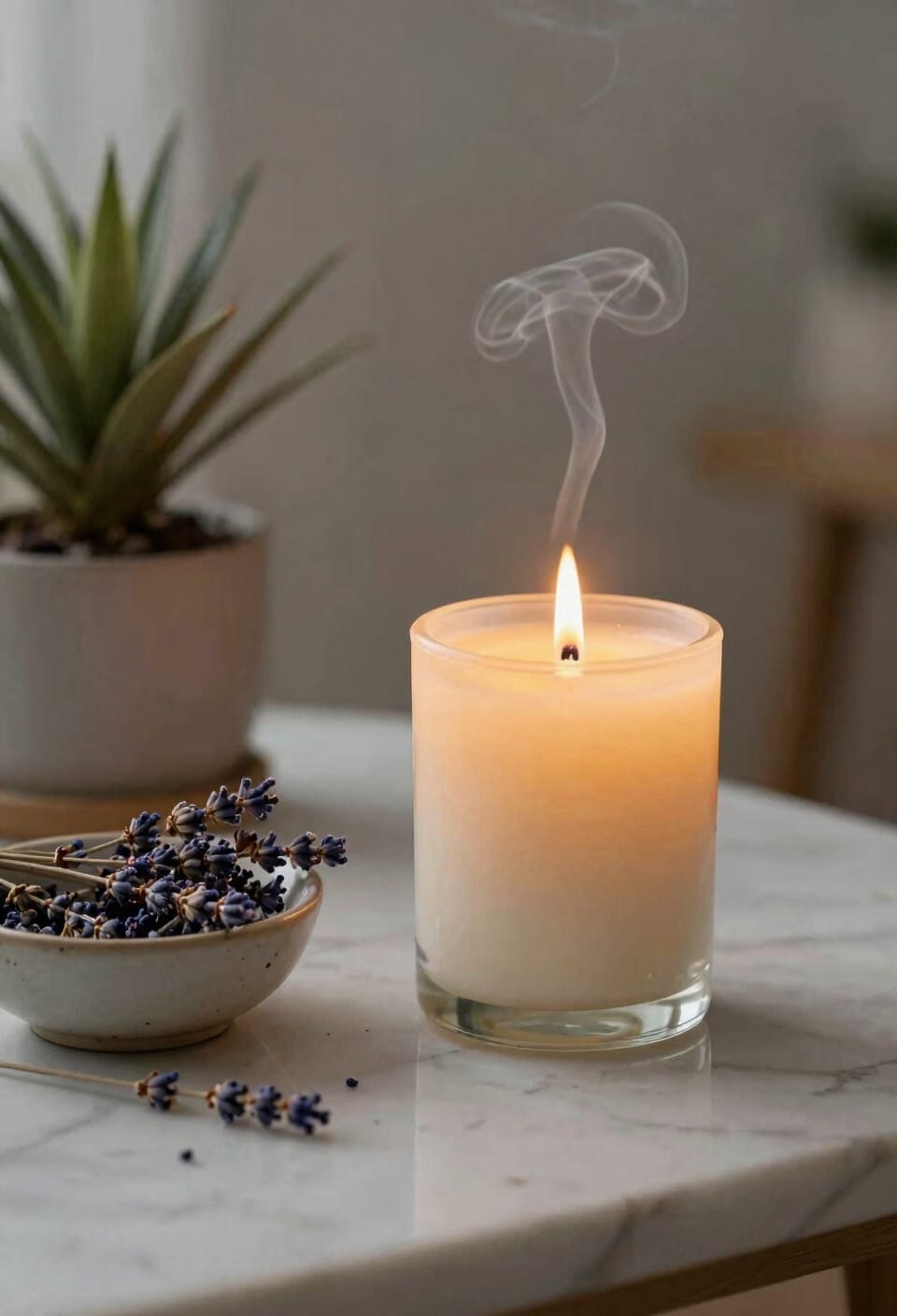
If you’ve ever noticed your allergies flare up around certain candles, there’s actually a reason—and it’s not you being oversensitive. Paraffin candles release toxic chemicals when burned, triggering your symptoms. Beeswax? Totally different story. When you burn beeswax, it releases negative ions that actively work to neutralize allergens, dust, odors, and mold floating around your space. I’m talking genuine air quality improvement, not just masking problems with fragrance.
Here’s what matters: you’re not just getting a candle that won’t make you wheeze. You’re getting one that cleans the air while it burns. For allergen reduction, beeswax actually delivers. Combined with its natural honey scent, you get a healthier atmosphere without compromising on that cozy glow you want. That’s worth considering, especially if you’ve struggled with other candle types.
Better Light Quality: How Beeswax Candles Reduce Eye Strain

You’ve probably experienced it—that subtle eye strain creeping in after you’ve been reading or working by candlelight for a while, the kind of fatigue that makes you wonder if maybe candlelight isn’t as relaxing as everyone claims.
Here’s the thing: beeswax candles actually burn differently than paraffin or soy. They emit light closest to the natural spectrum, which means less contrast reduction between the flame and surrounding darkness. Your eyes adjust more smoothly. That hotter, brighter flame? It creates steadier illumination without the flicker that triggers fatigue.
All right, I’ll be honest—I’ve wasted money on cheap candles that left my eyes throbbing. Beeswax changed that. The warm glow feels gentler, more sustainable for extended reading or work sessions. Your eyes stay comfortable.
Pure Beeswax vs. Blended Waxes: How to Spot the Difference
When you’re scanning the candle aisle—or more realistically, scrolling through online shops at midnight—it’s tempting to grab whatever’s labeled “beeswax” and call it a day. Don’t. Label decoding matters here because beeswax purity determines everything about your burn. Pure beeswax costs more, sure, but blended waxes—beeswax mixed with paraffin or soy—burn faster and produce that black soot you’re trying to escape. Check the label carefully. If it just says “beeswax blend” without percentages, that’s your red flag. You want 100% pure beeswax or nothing. The price difference is real, but you’re actually getting what you paid for: longer burn time, better light quality, and air that doesn’t smell like a chemical factory.
Supporting Bee Populations When You Buy Beeswax Candles
Every time you light a beeswax candle, you’re actually casting a vote for bee survival—and I don’t mean that in some abstract, feel-good way. When you buy pure beeswax candles, you’re directly supporting apiary livelihoods. Beekeepers depend on sustainable harvest practices to keep their operations viable, which means they’re incentivized to maintain healthy hives rather than strip them bare.
Now, here’s the thing: bee conservation isn’t just nice to have. It’s essential. By choosing beeswax over paraffin or soy, you’re funding practices that protect bee populations and their habitats. The demand for quality beeswax creates real economic value for beekeepers, encouraging them to continue their work responsibly.
Look, it’s simple economics with genuine environmental impact.
Frequently Asked Questions
How Do Beeswax Candles Compare to Soy Candles in Terms of Burn Time and Performance?
I’d say beeswax candles outperform soy in longer burntime because of their higher density and slower melting point. You’ll get a cleaner burn with less dripping, making them the superior choice for extended use.
Can Beeswax Candles Help Improve Sleep Quality and Mood Through Their Natural Scent?
I’ll paint you a picture: soft golden light dancing across your bedroom as honey-sweet fragrance drifts through the air. Yes, beeswax candles’ aromatherapeutic effects and sleep-inducing compounds genuinely enhance relaxation, naturally promoting better rest and elevated mood.
Are Beeswax Candles Safe to Use Around Pets and Children Without Health Risks?
Yes, I’m confident beeswax candles are safe around pets and children. They’re non-toxic and release no harmful chemicals. With basic pet safety precautions and child supervision near flames, they’re ideal for family homes.
What Is the Shelf Life of Beeswax Candles, and How Should They Be Stored Properly?
I’ll tell you that beeswax candles don’t really expire when you use proper storage. I keep mine in a cool, dark place away from heat and sunlight, and they’ll last indefinitely without degradation.
Do Beeswax Candles Produce Negative Ions, and How Does This Benefit Indoor Air Quality?
I’d love to tell you beeswax candles aren’t basically tiny air purifiers, but they’re actually releasing negative ions that neutralize pollutants. Through negative ionization, they’re genuinely improving your indoor air quality—who knew?
Conclusion
When you choose beeswax, you’re not just buying a candle—you’re investing in light that burns like a small flame of integrity. These golden flames purify your air, honor beekeepers’ work, and last longer than cheaper alternatives. Yeah, they cost more upfront. But that higher price? It’s actually you paying less per hour of clean, quality light. That’s worth it.