As an Amazon Associate, we earn from qualifying purchases. Some links on this site are affiliate links at no extra cost to you. Our recommendations are based on thorough research and editorial judgment.

Safest Candles to Burn Indoors: What to Look For

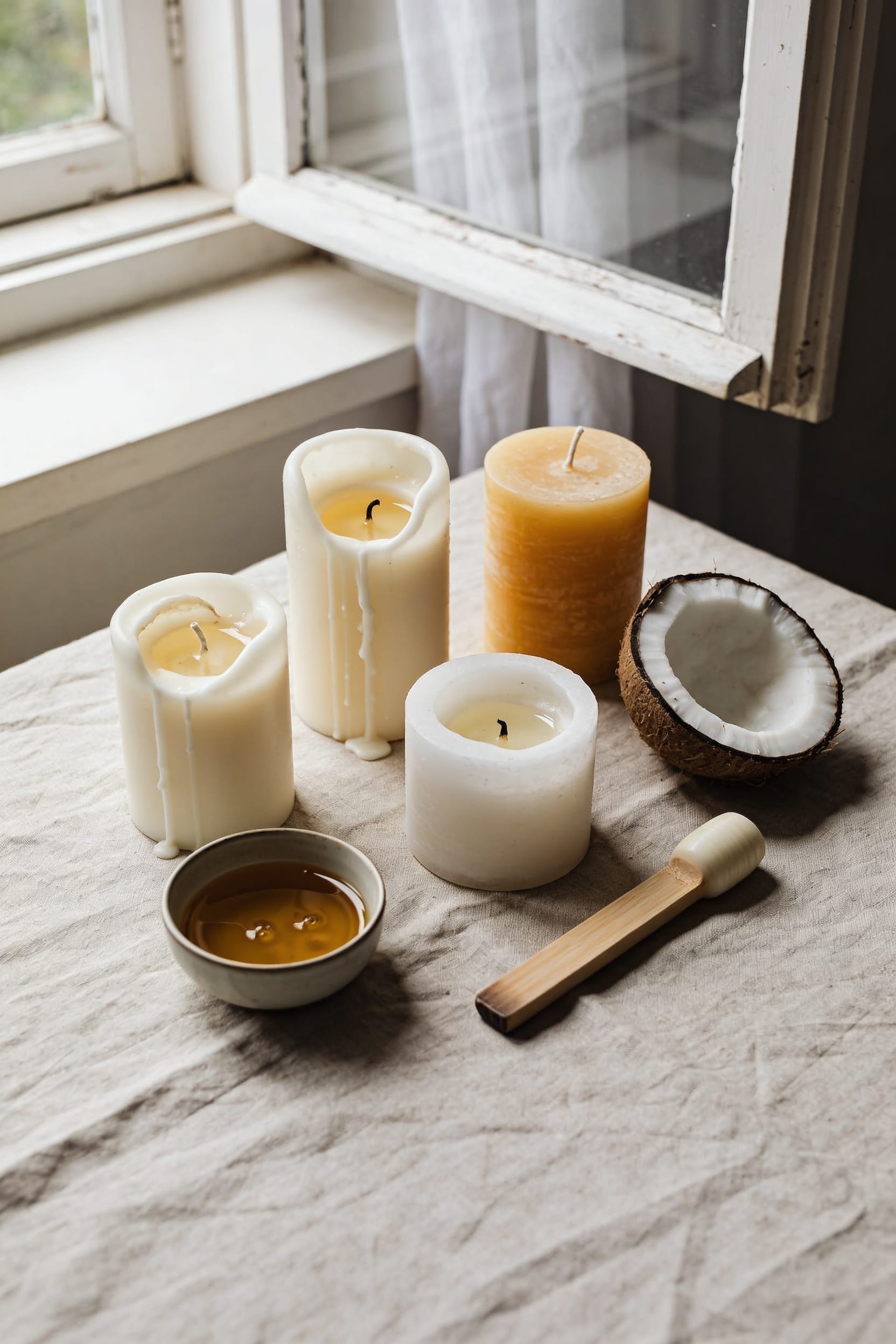
Look, the safest candles start with natural wax—soy, beeswax, or coconut—because paraffin releases formaldehyde and benzene into your air. Pair that with 100% cotton or wooden wicks to avoid soot buildup. Skip synthetic fragrances loaded with phthalates; grab essential oil candles instead or go unscented if you’re sensitive. Check labels for full ingredient transparency and real certifications like MADE SAFE or USDA BioBased. Brands like Fontana and Natural Sloth prove you don’t need mystery ingredients to get a candle that actually burns clean.
Key Takeaways
- Choose natural waxes like soy, beeswax, or coconut wax instead of paraffin to minimize toxic chemical release indoors.
- Select 100% cotton or wooden wicks to avoid metal cores that may leach toxins during burning.
- Look for natural essential oil fragrances rather than synthetic scents containing phthalates and undisclosed volatile organic compounds.
- Verify certifications like MADE SAFE or USDA Certified BioBased and full ingredient transparency on labels.
- Avoid vague “wax blend” claims; prioritize brands listing all ingredients and demonstrating accountability over greenwashing tactics.
Why Non-Toxic Candle Wax Matters Most for Your Health
what you’re burning in your home matters more than you probably think it does. When you light a paraffin candle, you’re releasing formaldehyde, benzene, and toluene into your indoor air quality—carcinogens that accumulate over time through cumulative exposure. I’ve learned this the hard way after years of burning whatever smelled good without checking labels.
Natural wax options like soy, beeswax, and coconut wax burn cleaner with minimal soot. They won’t stain your walls or trigger respiratory irritation like paraffin does. The difference compounds when you’re burning candles regularly across multiple rooms. Your lungs notice. Your furniture notices. You’ll stop finding mysterious black residue on your ceiling and walls.
Choosing non-toxic wax isn’t just better for you—it’s the foundation for everything else about safer candles.
Recommended Products

SCENT - Feu de Bois evokes fresh pine falling on curls of sandalwood & rare Virginia cedarwood. Smoky leather accords, frankincense & nuances of vanilla are tranquil and comforting.

SIGNATURE FRAGRANCE – HIGHRISE: Red currant, velvet plum & amber come together in this sophisticated blend, an elegant, uplifting fragrance that quickly fills large spaces. Noticeable yet never overpowering for daily ambiance

BRIGHT, MOOD-BOOSTING FRAGRANCE EXPERIENCE - Discover the essence of pure joy as the bright harmony of yuzu uplifts your spirit. Allow the warmth and vibrancy of the red ginger to invigorate you as the comforting trail of lily, white woods, and musk wraps you in a cocoon of pure bliss.
Safe Wick Materials: Cotton, Wood, and What to Avoid

Now that you’ve nailed down the wax, it’s time to think about the wick—because here’s the thing, even the cleanest-burning soy candle won’t do you any favors if you’re lighting a wick that’s fundamentally a heavy metal delivery system. I’d go with 100% cotton every time. Cotton care is straightforward: it burns cleanly without leaching toxins into your home. Wooden wicks work too—that wood crackle sound is genuinely satisfying, plus they’re safe and add ambiance. What you’re avoiding? Metal-core wicks. Lead’s been banned in US candles since 2003, but imported ones still sneak it through. Paper-core wicks also qualify as solid alternatives. Pair any natural wick with quality soy or beeswax, and you’re golden.
Recommended Products

Safer Ambience for Everyday Moments: Our sand wax candle design with self-extinguishing sand candle wicks minimizes fire risk if tipped and prevents hot wax spills; ideal for homes with pets or kids that won’t renounce stylish décor, offered in White, Red, Nude, and Black for cozy luxury

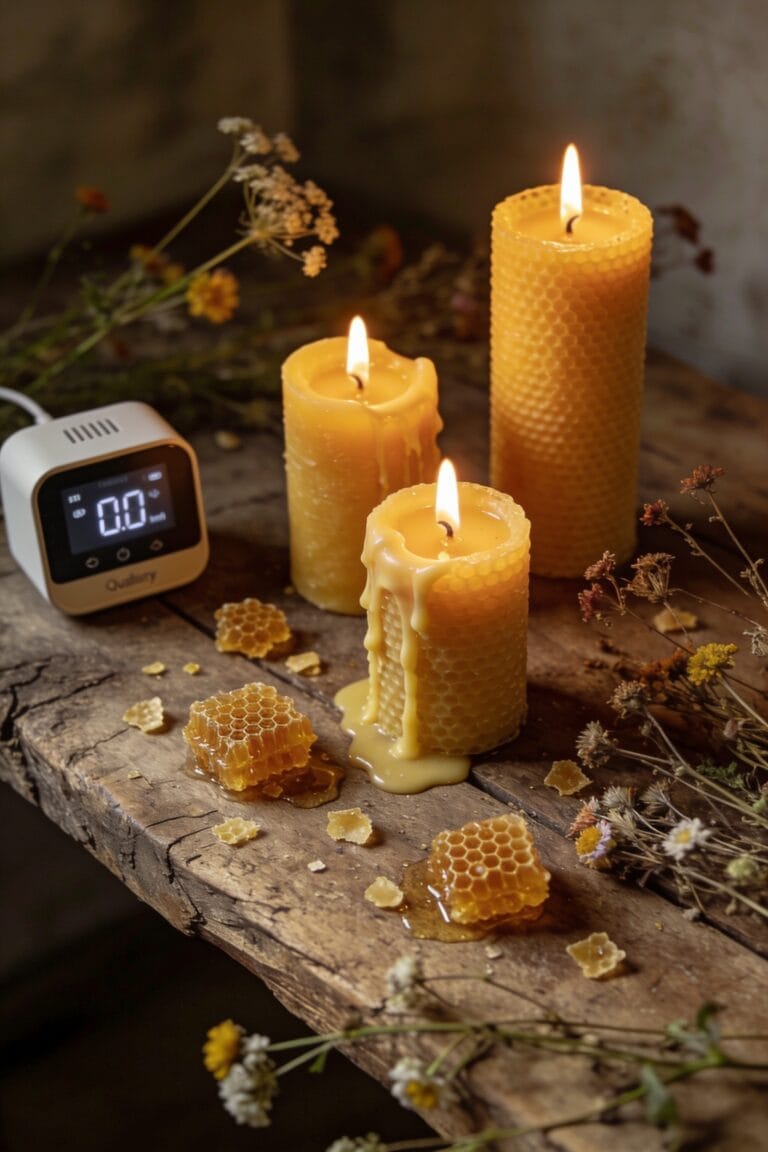
100% Pure Beeswax Candle: Hand-poured from naturally filtered beeswax for a rich, golden glow. These clean burning candles are free from paraffin, soy, and synthetic fragrances. Each 1-wick dripless pillar candle features natural cotton candle wicks and pure candle wax for a long-lasting burn and warm, cozy candle light.
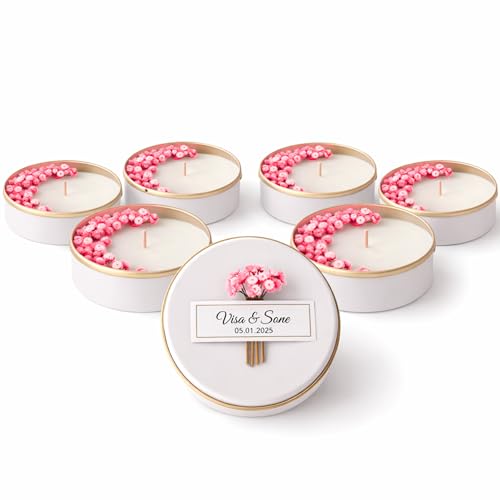
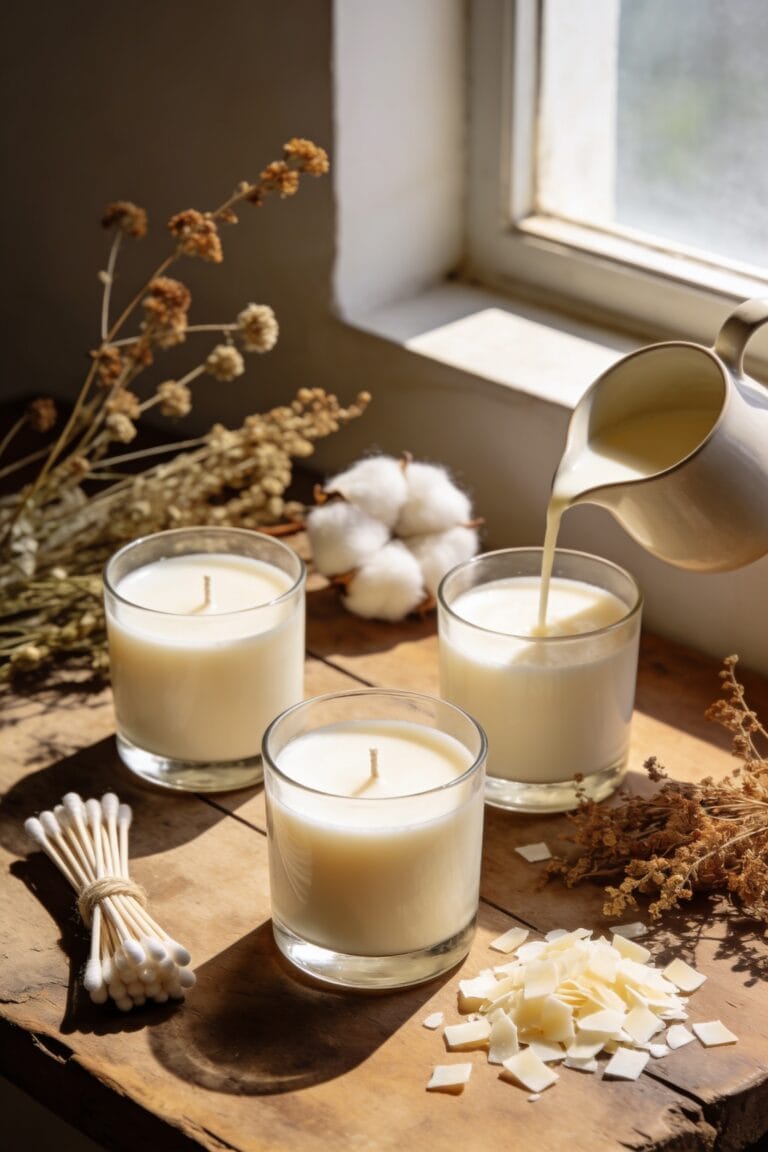
100% NATURAL SOY WAX : Hand-poured in small batches with natural soy wax and premium fragrance oils for a clean and long-lasting burn
Natural Fragrances vs. Synthetic Scents: The Real Health Difference
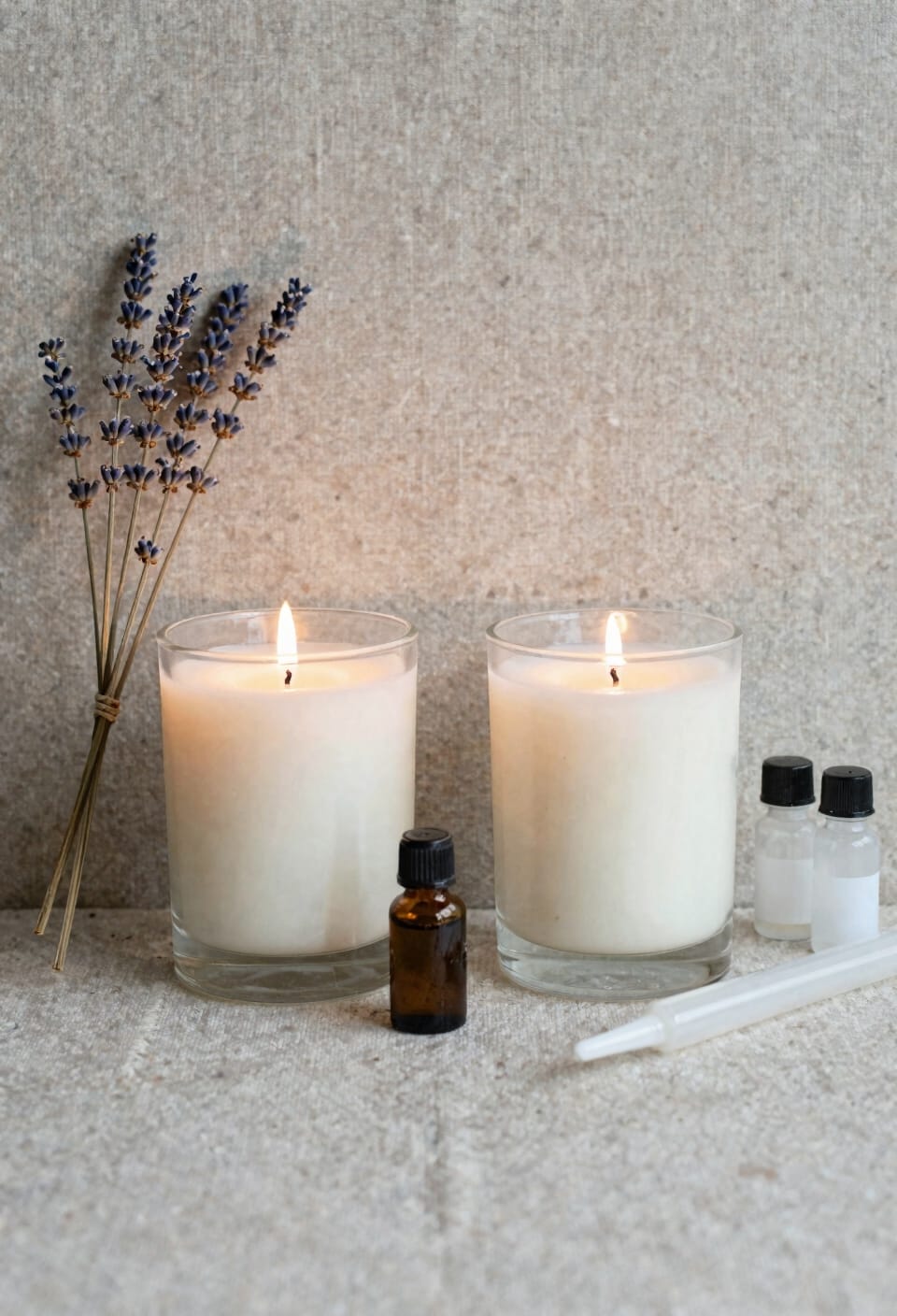
You’ve got your wax sorted and your wick dialed in—solid moves—but here’s where a lot of people stumble: they’ll buy the most pristine soy candle imaginable and then light it up only to realize they’re basically inhaling a chemistry experiment. Synthetic fragrances often contain phthalates and undisclosed VOCs that trigger headaches, respiratory irritation, and asthma flare-ups. Natural essential oils? They’re your safer bet. Look for brands with essential oil transparency on their labels—you want to know exactly what you’re breathing. Check scent allergen profiles too; some people react to lavender or citrus oils even when they’re natural. Unscented candles work wonders if you’re sensitive. High-quality soy with certified essential oils genuinely makes a difference in how you feel while burning them.
Recommended Products
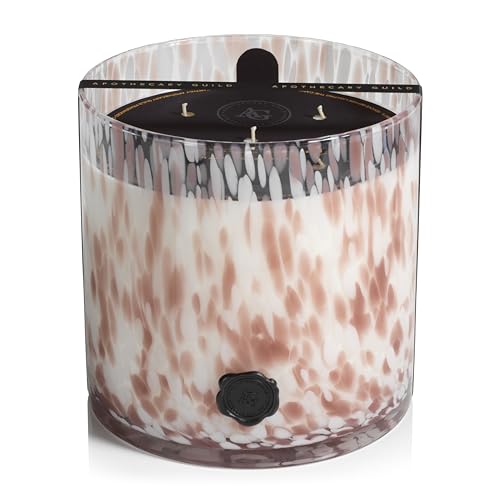
INDULGE IN LUXURY FRAGRANCE: Add sophistication to any space with the Apothecary Guild 5-wick scented candle, encased in a stunning blue tortoise-patterned glass jar. With a signature seal stamp and 150 hours of burn time, it’s the perfect way to infuse your home with elegance and warmth.


CENTERING, TRANQUIL FRAGRANCE EXPERIENCE - Take in the green tea's subtle yet clarifying note and let it guide you into a state of peace and balance. Soft lotus petals calm the mind while sandalwood and bergamot create a refreshing yet grounding aromatic experience.
Which Certifications Actually Mean Something
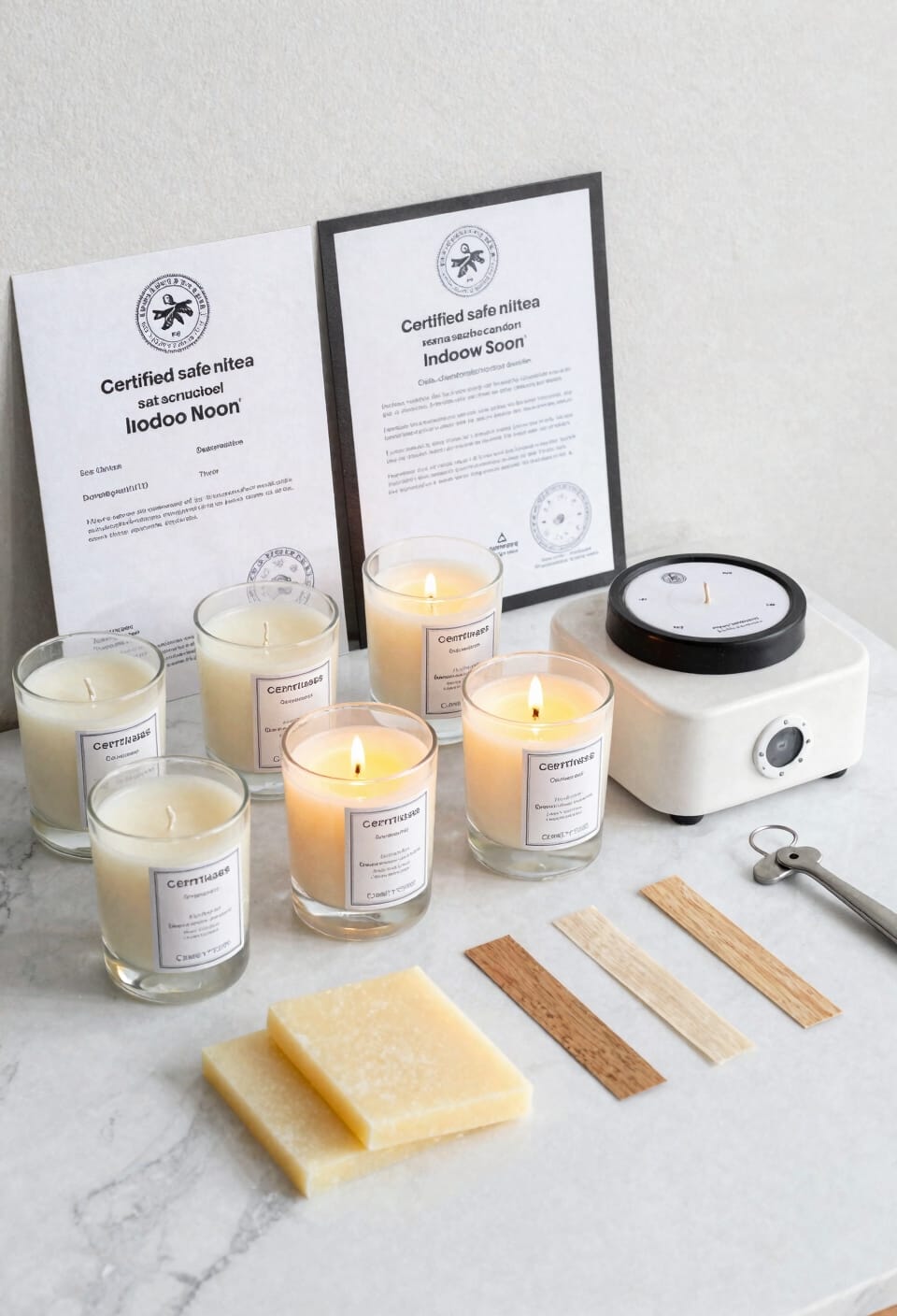
Since you’ve already figured out the wax-and-wick equation, I’ll be straight with you: certifications are where most people get lost—and where companies get away with a lot of greenwashing garbage. Not all seals mean squat. MADE SAFE certification actually matters—their verification processes are rigorous, testing for toxic ingredients most labels ignore. USDA Certified BioBased confirms your wax genuinely comes from plants, not crude oil. Look for transparency on the label itself: full ingredient lists, no vague “wax blend” nonsense. Avoid anything claiming “soy candle” without certification standards backing it up. The brands worth buying from? They list everything. No mystery fragrance oils, no ambiguous blends. That accountability is what separates legit from marketing theater.
Recommended Products

PET SAFE, HYPOALLERGENIC, ORGANIC, and CHILD SAFE

GROUNDING, MEDITATIVE FRAGRANCE EXPERIENCE - Climb the mountains of the majestic Andes and arrive at a remote monastery surrounded by nature. The sacred aroma of palo santo and pine calms the mind, while vetiver and myrrh deepen the experience into one of reflection, clarity, and spiritual connection.

LUSH RAINFOREST SCENTED CANDLE — Sacred Breu resin, Brazilian Vetiver oil, wild jungle flora, and crushed cypress root come together in a fragrance that stops you the moment you walk through the door — transportive, complex, and utterly unforgettable
The Best Non-Toxic Candle Brands: Our Testing Results
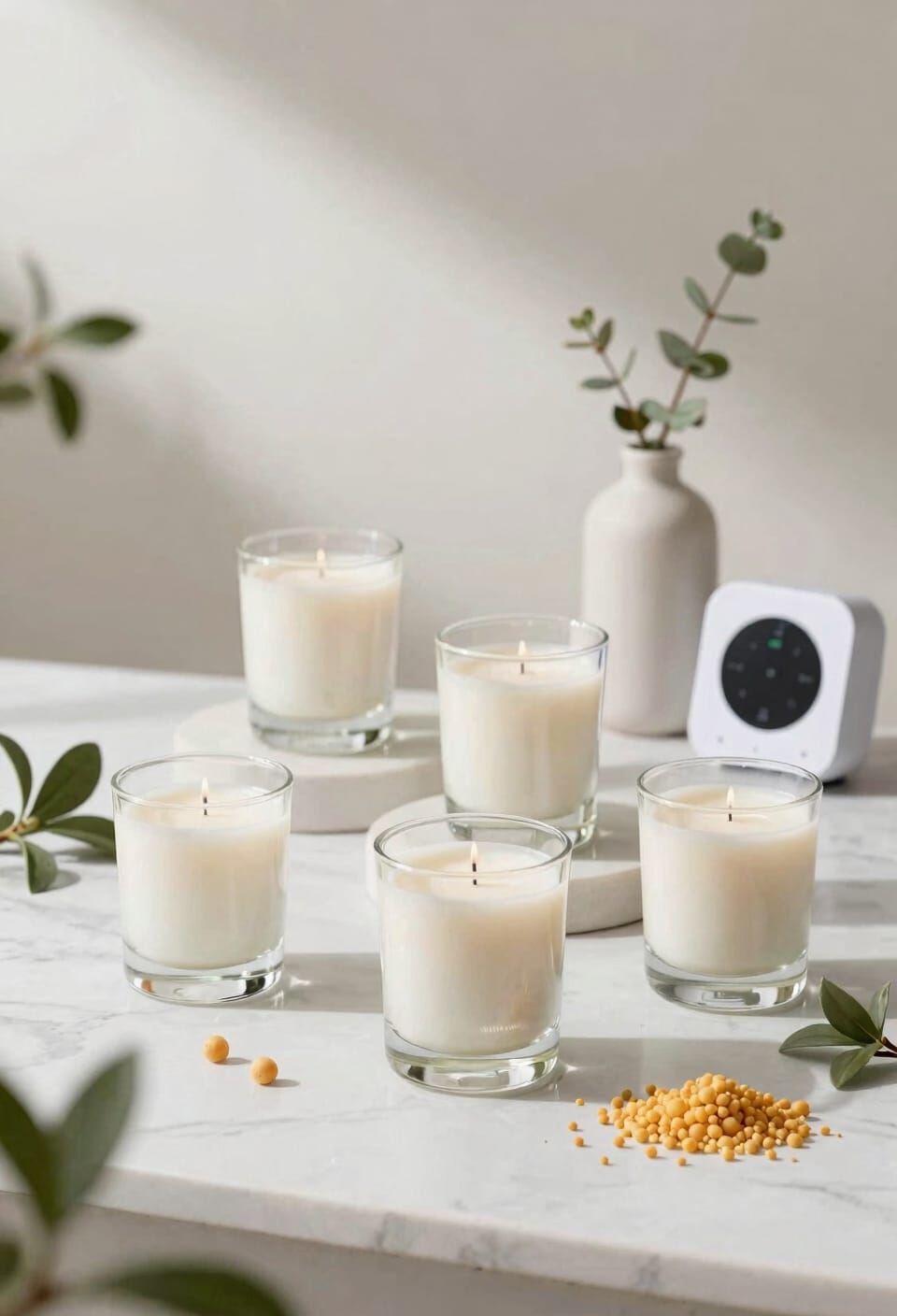
After months of burning through candles—and I mean actually burning through them, not just letting them sit on my nightstand looking pretty—I’ve tested enough brands to know which ones actually deliver on their non-toxic promises and which ones are just riding the “clean beauty” wave.
Fontana Candle Co consistently outperforms competitors with their beeswax-coconut blend and wooden wicks. The scent longevity is genuinely impressive, filling rooms without overwhelming them. Natural Sloth impresses with transparent ingredients and clean-burning essential oils, though their scent throw varies by fragrance. Terralite and Peacesake rank highly post-testing. Brand comparisons matter because not all non-toxic claims are equal. What separates winners from pretenders? Actual certifications, honest ingredient lists, and wicks that don’t create soot buildup.
Recommended Products
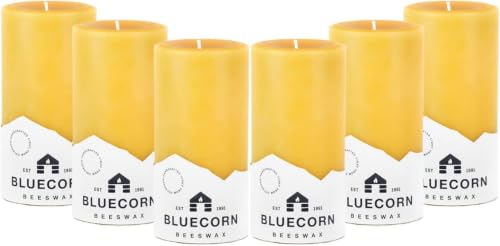
100% Pure Beeswax Candle: Hand-poured from naturally filtered beeswax for a rich, golden glow. These clean burning candles are free from paraffin, soy, and synthetic fragrances. Each 1-wick dripless pillar candle features natural cotton candle wicks and pure candle wax for a long-lasting burn and warm, cozy candle light.
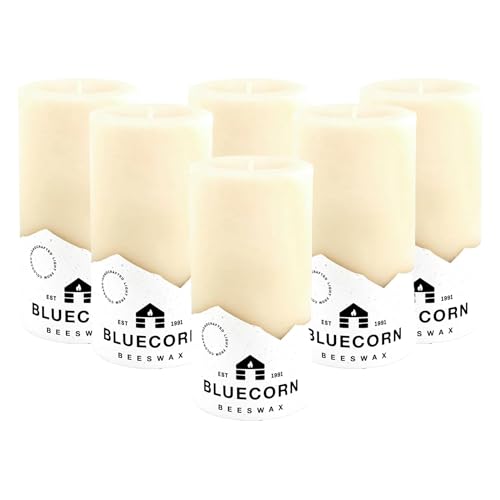
100% Pure Beeswax Candles — Non Toxic & Hypoallergenic: Hand-poured from naturally filtered beeswax for a truly unscented, hypoallergenic white beeswax candle. Each pure beeswax candle features a cotton wick for a clean, dripless burn, completely free from paraffin, soy and synthetic fragrances. A natural, non toxic candle alternative that adds warm, cozy candlelight to any setting.

100% PURE USA BEESWAX – We use only domestically sourced beeswax with no additives, dyes, or artificial fragrances. Just pure, golden beeswax.
Frequently Asked Questions
How Long Can I Safely Burn a Non-Toxic Candle Before Extinguishing It?
I’d recommend burning your non-toxic candle for 3-4 hours maximum per session. Trim wicks to quarter-inch before each use to prevent excessive soot and make certain of an even, safer burn times throughout the candle’s life.
Do Non-Toxic Candles Cost Significantly More Than Conventional Paraffin Candles?
Yeah, I’ll pay extra for non-toxic candles—turns out my lungs aren’t for sale. Sure, they cost more upfront, but that pricing comparison reflects real value perception: you’re investing in health, not toxic fumes.
Can Non-Toxic Candles Help With Odor Elimination in Specific Room Types?
Yes, I’ve found non-toxic candles genuinely help eliminate odors through essential oils and beeswax’s negative ions. I’d recommend pairing them with proper room ventilation for peak results across kitchens, bedrooms, and living spaces.
Are Non-Toxic Candles Safe to Use Around Pets and Children?
Yes, they’re safer around pets and children when you choose soy or beeswax with cotton wicks. I’d still recommend pet safety by keeping candles out of reach and toddler supervision to prevent burns or knockovers.
How Do I Know if an Imported Candle Contains Lead Wicks?
You’re lighting a candle just as you wonder about its safety—I’d check the wick materials first. Look for 100% cotton or wooden wicks. Lead testing kits exist, but honestly, imported candles often lack transparency, so I’d avoid them entirely.
Conclusion
Look, I’ve learned the hard way that burning mystery candles is basically lighting money on fire—sometimes literally. You’ve got the knowledge now: check your wax, verify those wicks, and hunt for certifications that aren’t complete marketing theater. Your nose’ll thank you, your lungs definitely will, and you won’t end up with another tunneling disaster collecting dust on your shelf.