As an Amazon Associate, we earn from qualifying purchases. Some links on this site are affiliate links at no extra cost to you. Our recommendations are based on thorough research and editorial judgment.


Best Ways to Get More Scent From Your Candle

All right, here’s the thing: you can’t just light any candle and expect it to fill your room. The wax matters—paraffin and coconut throw scent way better than straight soy. Your wick size and that first burn are non-negotiable; let it burn 3–4 hours until the wax pool reaches the edge, or you’ll get tunneling and weak fragrance forever. Add fragrance oil between 180–185°F, trim your wick to a quarter-inch, and avoid those correction burns if you can. These fixes transform everything.
Key Takeaways
- Trim wicks to 1/4″ before lighting to ensure cleaner combustion and maximize fragrance release during burning.
- Allow a full melt pool to form during the initial 3–4 hour burn for even scent distribution.
- Add fragrance oil between 180–185°F and stir slowly for two minutes to optimize chemical bonding with wax.
- Choose paraffin, coconut, or soy-paraffin blend waxes, which offer superior scent throw compared to pure soy.
- Test candles in smaller spaces like bathrooms first to accurately gauge scent strength before larger rooms.
Choose the Right Wax to Maximize Scent Throw
If you’ve ever burned a candle that smelled like almost nothing, you’ve probably wondered whether you got unlucky or whether the candle itself was the problem—and here’s the thing, it’s almost always the wax.
The wax chemistry fundamentally determines how well your candle releases fragrance. Paraffin wax dominates scent throw because its molecular structure holds fragrance oils more effectively than soy alone. Coconut wax performs similarly, while pure soy struggles without additives—it’s just weaker at scent diffusion. Now, coco-apricot blends actually outperform straight soy in side-by-side tests, which surprised me too.
If sustainability matters to you, high-performance soy-paraffin blends give you both environmental credentials and legitimate scent throw. You’re paying slightly more, but you’re not sacrificing performance for values.
Recommended Products

100% Pure Beeswax Candle: Hand-poured from naturally filtered beeswax for a rich, golden glow. These clean burning candles are free from paraffin, soy, and synthetic fragrances. Each 1-wick dripless pillar candle features natural cotton candle wicks and pure candle wax for a long-lasting burn and warm, cozy candle light.

MASSIVE 8" × 14" LUXURY CANDLE – 300 OZ OF NATURAL COCONUT SOY WAX Make a statement with this Classic Big Ass Candle—our largest candle. This luxury candle delivers bold presence, elegant style, and room-filling fragrance. Perfect as a centerpiece for living rooms, great rooms, and upscale spaces.

HIGHEST QUALITY - Our candle fragrance MADE IN THE USA using pure, natural, and raw ingredients. All VINEVIDA products are vegan, free of phthalates, parabens, and other potentially dangerous chemicals.
Get Your Wick and Melt Pool Right for Better Fragrance

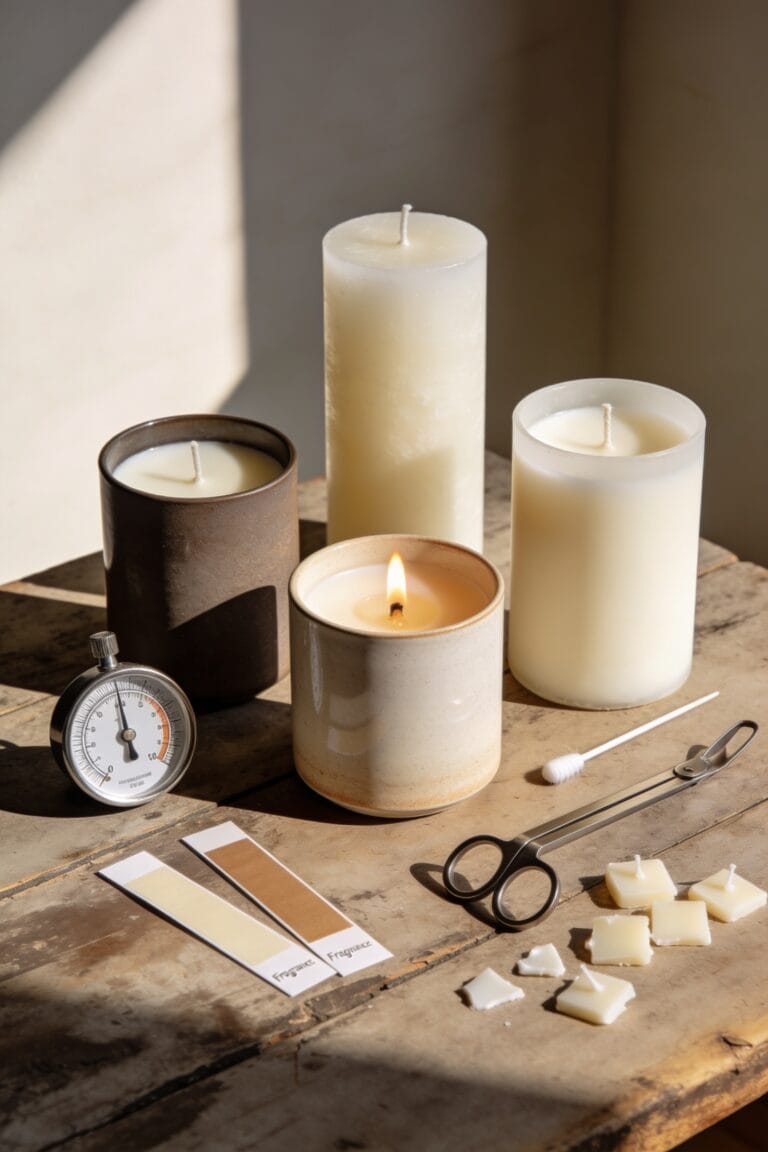
Now that you’ve got the right wax chemistry working for you, here’s where most people stumble: they nail the fragrance loading and then completely botch the burn itself. Your wick height matters tremendously—trim it to 1/4” before lighting. This prevents excessive soot and guarantees cleaner combustion. More importantly, you need that melt consistency right. Let your candle burn for 3–4 hours so the wax pool reaches the container’s edge. This full melt distributes fragrance evenly across the surface, maximizing scent throw throughout your room. If tunneling happens—that annoying hole down the middle—use foil around the rim during a correction burn. Get these mechanics right and you’ll finally smell what you paid for.
Recommended Products
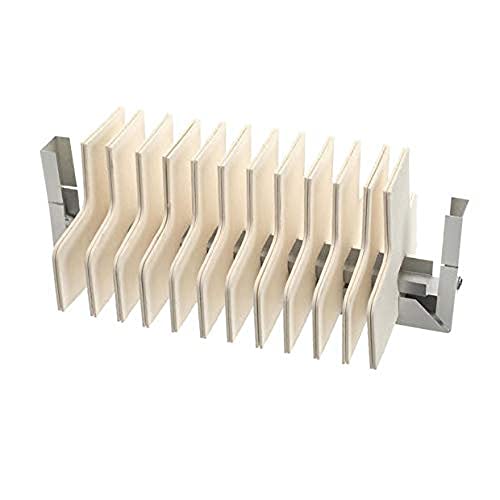
This is a genuine OEM (Original Equipment Manufacturer) part
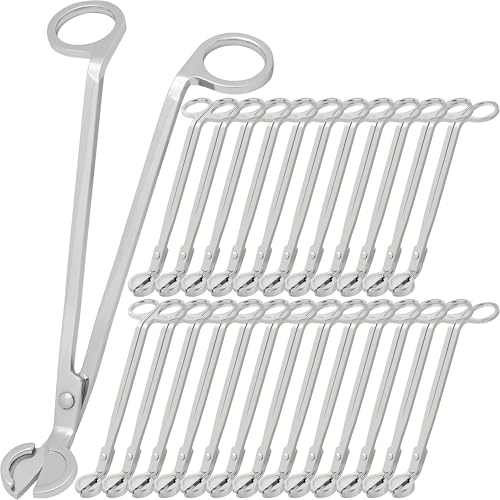
Pick Your Favorite Finish: No matter your interior design preference, we have a wick trimmer tailored for you. Choose from Black, Gold, Rose Gold, Silver, Brushed Gold, and Brushed Copper to complement your candles, decor, and gifting style

Mix Fragrance Oil at the Right Temperature

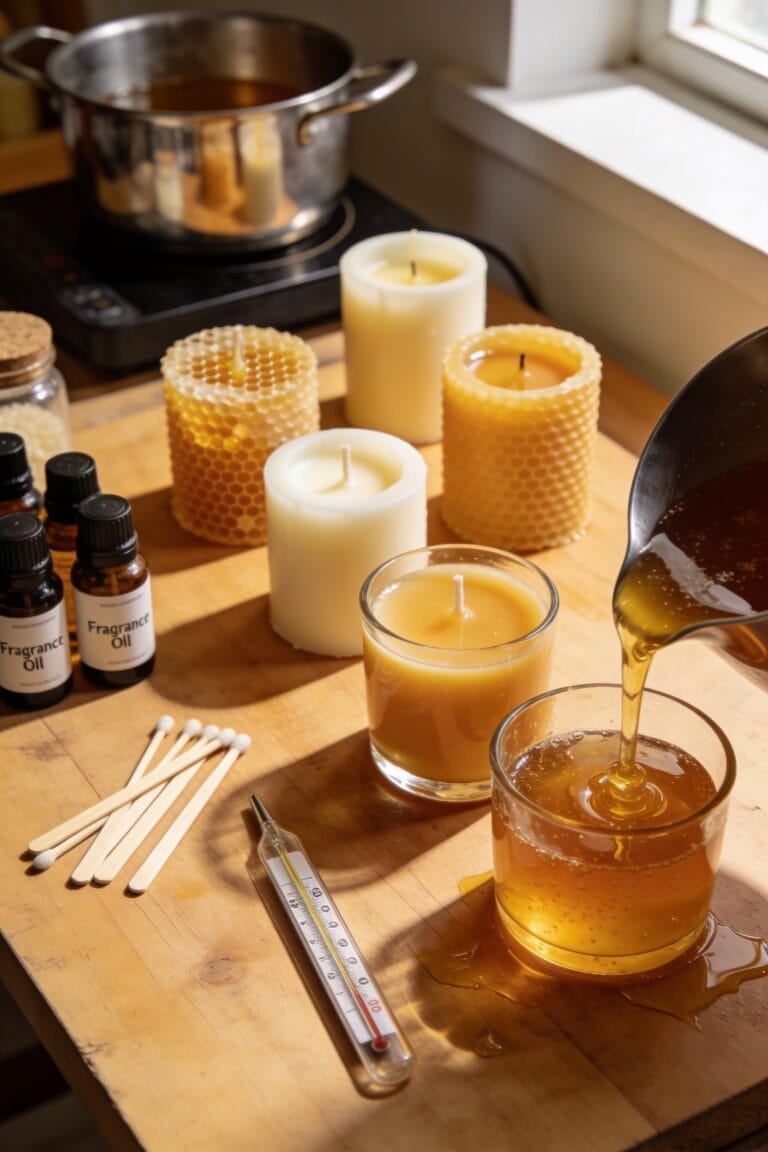
Once you’ve nailed your wick and melt pool, there’s one more vital step that separates candles with genuinely impressive scent throw from those that smell like disappointment: getting your fragrance oil temperature exactly right. All right, here’s the thing—the best temp for adding fragrance oil sits between 180–185°F. You want that heat level because it’s where chemical bonding happens best. The wax and oil actually fuse together properly instead of just sitting on top of each other like awkward acquaintances. Go hotter than 190°F and you’ll literally burn off your fragrance. Stir slowly for two minutes after adding the oil, then stir again before pouring. That consistency makes all the difference in how strong your candle actually smells when lit.
Recommended Products

Transform any space with our invigorating essential oils! Whether you're seeking a lively home ambiance or a refreshing start to your day, our oils are ideal for enhancing your diffuser experience.
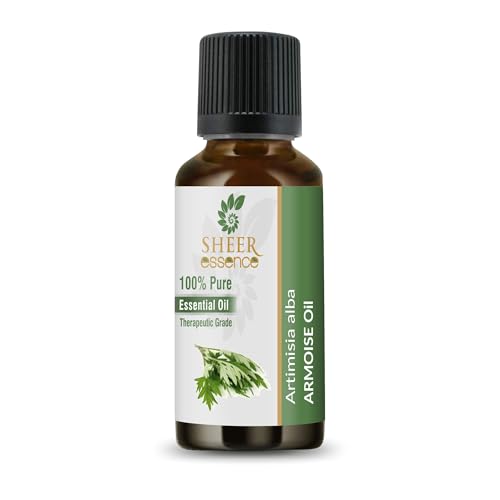
ARMOISE OIL: This sheer essence Armoise essential oil also known as Artemisia Alba Oil is undiluted and uncut therapeutic grade oil which is extracted naturally and it does not contain any added preservatives to protect there therapeutic properties.,

Transform any space with our invigorating essential oils! Whether you're seeking a lively home ambiance or a refreshing start to your day, our oils are ideal for enhancing your diffuser experience.
Burn Your Candle Correctly From the Start
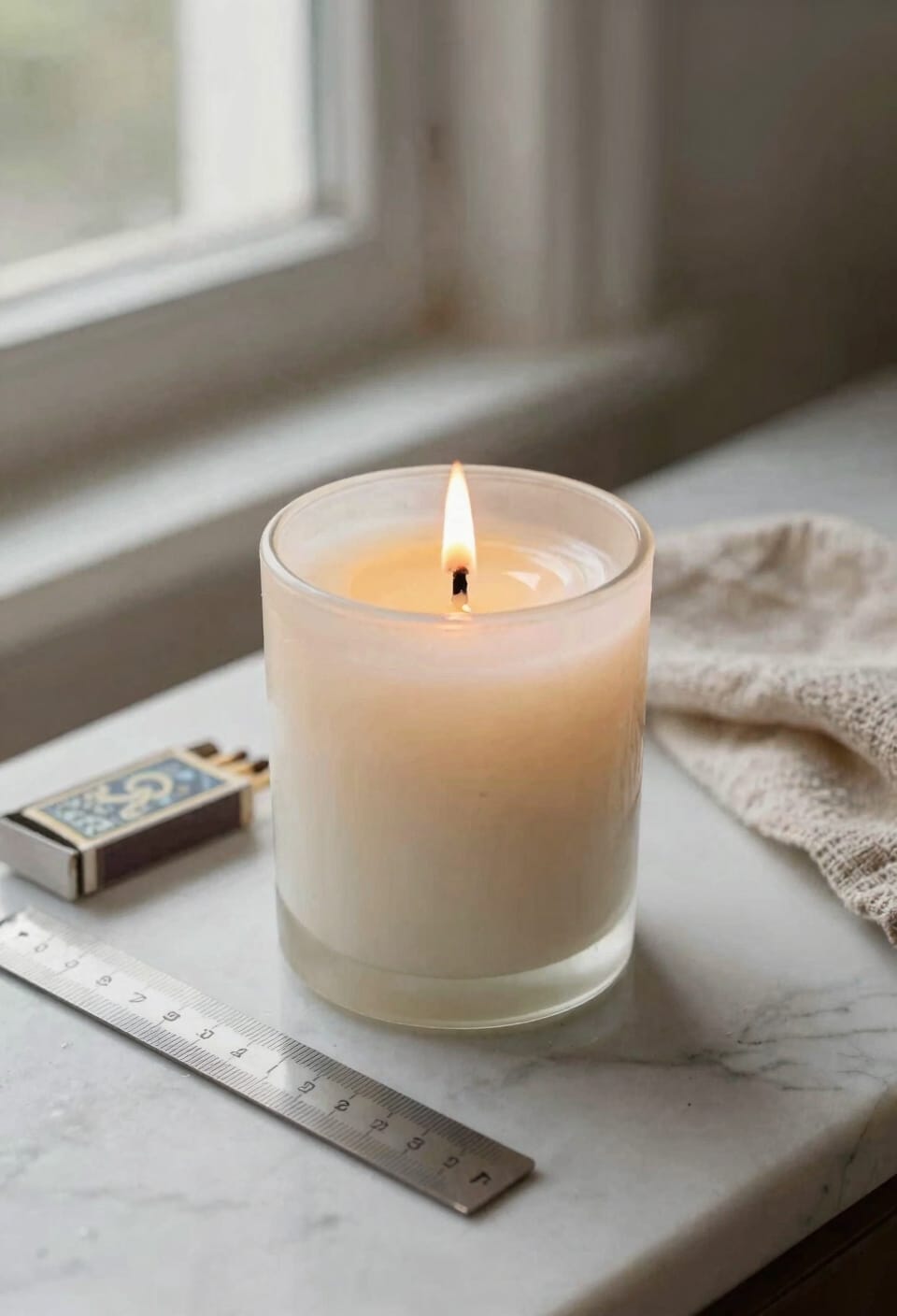
You’ve got your fragrance oil mixed in at the perfect temperature, your wick trimmed, and your melt pool forming beautifully—but here’s where most people mess up: they don’t actually burn their candles the right way.
Your initial burn sets everything up for success. Light that candle and let it sit for 3-4 hours until the wax pool reaches the container’s edge. This complete melt pool is non-negotiable for full fragrance release. Before committing to your bedroom or living room, try your candle in a smaller space like a bathroom first. Room testing helps you gauge whether the scent strength actually works for you. Once you know it’s a keeper, snuff it out before that pool drops below half an inch deep. Proper burning means better throw every single time.
Recommended Products

[Ultra-Fine Details & Productivity] This advanced 10W (10000mW) laser engravers, with an ultra-fine 0.06 x 0.04mm spot, delivers precise 1:1 photo-realistic engravings. The spacious 23.93" x 15.16" bed size makes it ideal for large projects like door signs or engraving up to 119 dog tags in one go. Perfect for engraving on wood, leather, craft paper, stone, and glass.

Virginia Candle Supply is the top candle wax supplier in the USA Our candle gel is High Density, It is a premixed gel that is easy to use. Simply heat, add Candle Color dye and our Fragrance Oil and pour! Gel doesn't shrink so there is no need to re-pour! Gel burns twice as long as other waxes and can accommodate suspended decorative objects, wax chunks, etc.
🔥 Iconic Shape Lighters: Thanks to its particular shape, this pocket lighter fits perfectly well in the pocket and makes a great choice for all, as well as a great kitchen lighter for your cooking needs.
Fix Tunneling and Weak Scent Performance
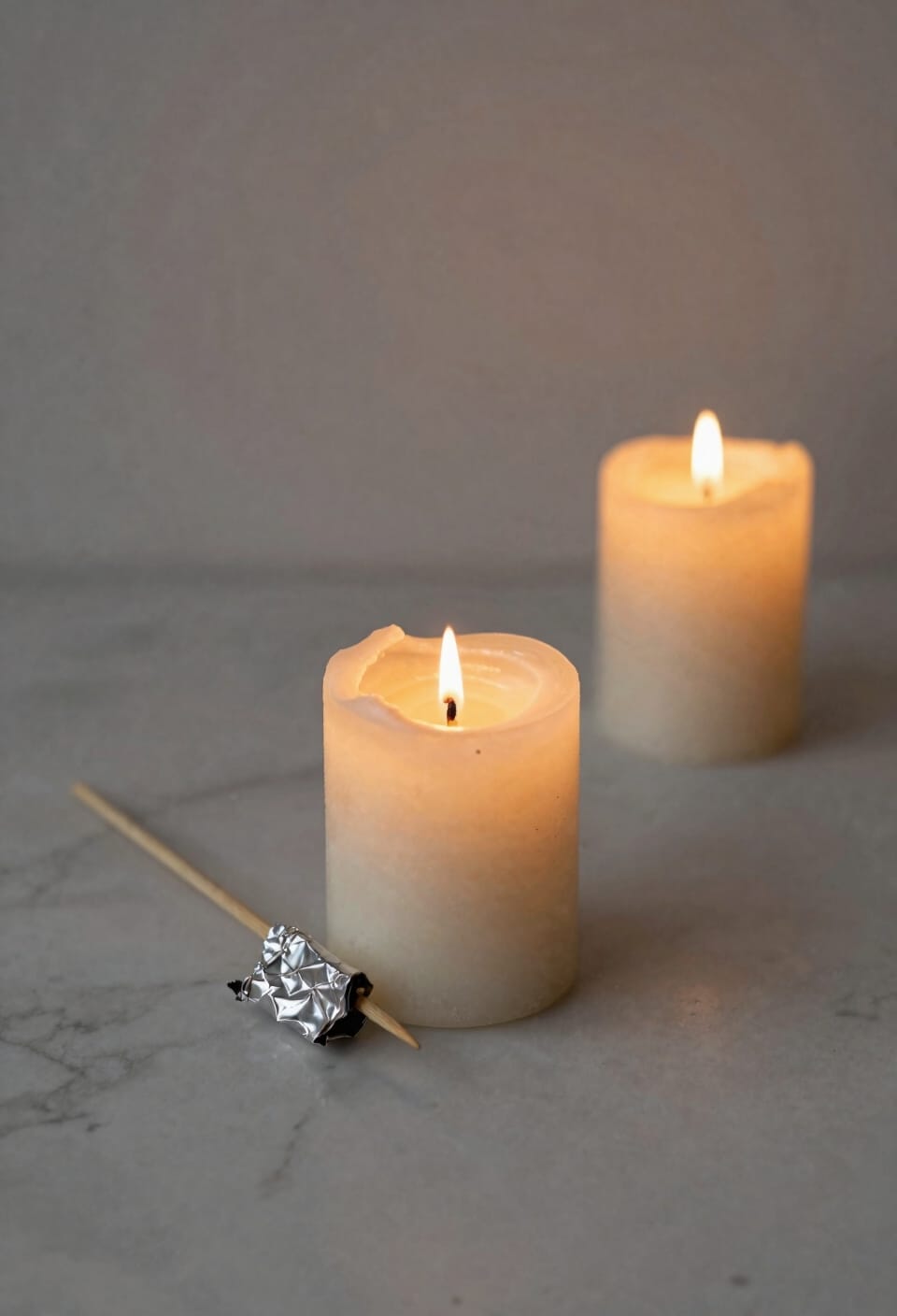
If your candle’s burning down the middle while wax clings stubbornly to the sides, you’ve got tunneling—and it’s sabotaging your scent throw before it even has a chance. Here’s the thing: this happens when your wick’s too thin for your container size, and airflow control plays a huge role too. I’ve fixed this with aluminum foil wrapped around the lip, leaving a small opening at the top so the melt pool spreads evenly during a correction burn. Make sure you’re trimming that wick to 1/4” before each lighting. Now, weak scent performance often points back to fragrance loading or wax selection—paraffin and coco-apricot blends genuinely outperform soy alone. Test in your bathroom first to gauge if you’re getting proper throw before moving to larger rooms.
Recommended Products

Perfectly trims wicks to maintain optimal candle burn

[MUXSAM CANDLE ACCESSORY FUNCTION] -- The candle accessory set can provide you with extra candle wick care to make sure you enjoy the best from your candle. Trim candle wick to prevent soot and also add to candle burn time; Snuff candle using a wick dipper to prevent wick smoldering; Snuff tapered candles with bell snuffer to prevent wax flying off tip of the candle, allowing to lengthen the life of candles
Length: 30 cm
Frequently Asked Questions
How Much Fragrance Oil Should I Add to My Candle Wax?
I’d recommend you start with a fragrance load of 8% for ideal scent concentration. Don’t exceed 10% maximum, as overloading fragrance oil actually reduces performance. More oil doesn’t always mean stronger scent throw.
What Temperature Should I Heat Wax Before Adding Fragrance Oil?
I’ve found that heating wax to 180–185°F gives you the ideal temps for scent absorption. You’ll want to match your supplier’s exact guidelines, but I’ve discovered that 190°F works for denser oils without compromising fragrance quality.
How Long Should I Burn My Candle During the First Burn?
I recommend you burn your candle for 3-4 hours on the first burn to form a complete wax pool. This wick priming guarantees even melting and prevents tunneling, allowing me to maximize fragrance release throughout your room.
Why Does My Candle Have Weak Scent Throw in Large Rooms?
Your candle’s scent struggles like a whisper in a crowd because poor diffusion happens in larger spaces. I’d examine your wick choice and scent strength—room size demands higher fragrance loading and proper wick sizing for better throw.
How Do I Know if I’ve Over-Loaded Fragrance Oil in Wax?
I’d watch for a frosting effect on your candle’s surface or notice scent fatigue where the fragrance smells weak despite adding more oil. Poor burning and reduced throw also signal you’ve overloaded—stick to 8-10% maximum fragrance load.
Conclusion
Look, I know it sounds like a lot of work, but you don’t need to overthink this. Start with one thing—maybe fixing your wick or ditching that cheap wax—and you’ll notice the difference immediately. You’ve already wasted money on duds; spending ten minutes on these tweaks costs nothing. Better scent throw isn’t about buying premium candles. It’s about using what you’ve got smarter.