As an Amazon Associate, we earn from qualifying purchases. Some links on this site are affiliate links at no extra cost to you. Our recommendations are based on thorough research and editorial judgment.

What to Look for in a Scented Candle: 7 Key Factors

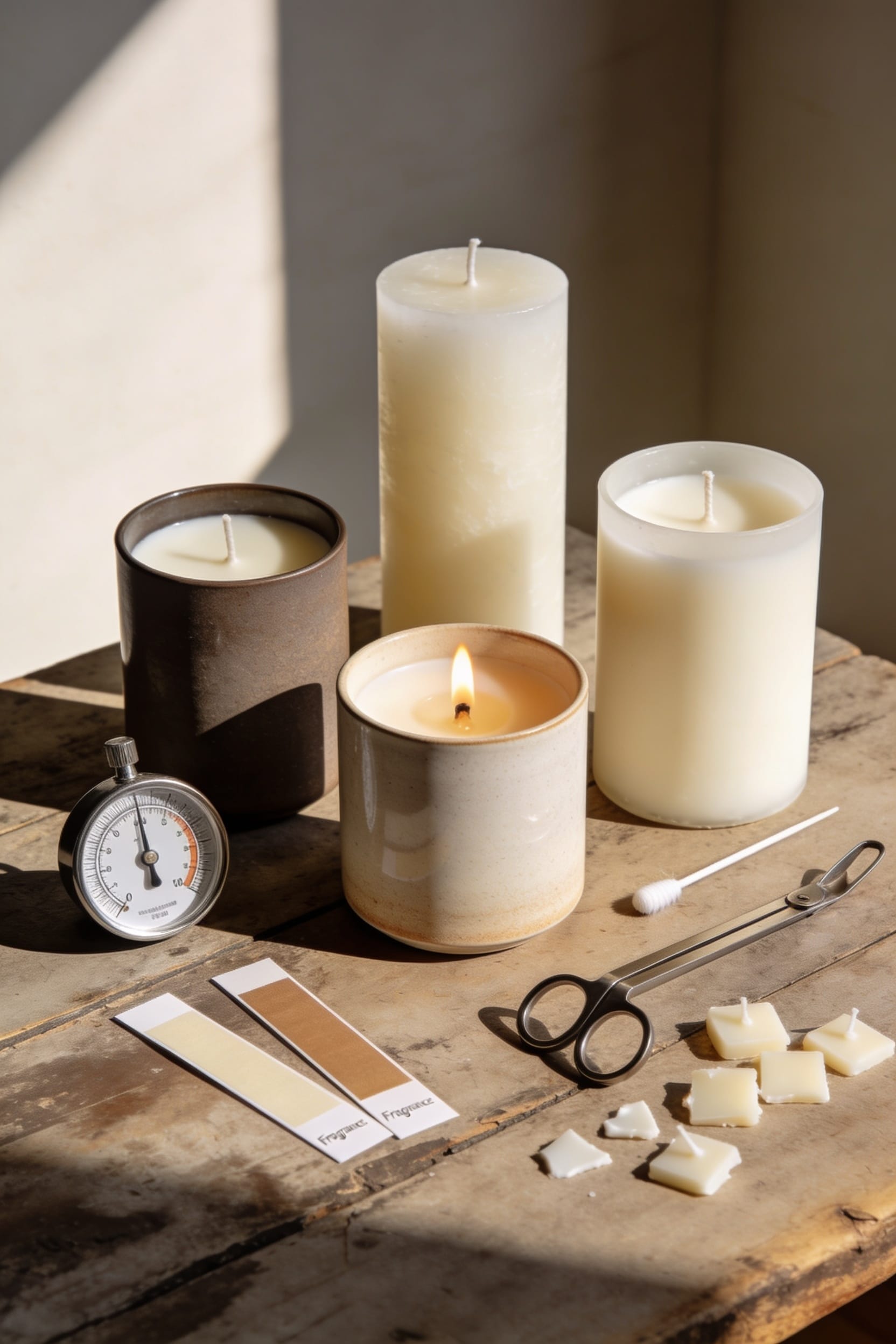
Look, I’ve learned the hard way that a great candle depends on seven core factors: wax type—soy and beeswax beat paraffin—fragrance load between 6-10%, quality wick size that prevents tunneling, and whether you’re getting natural or synthetic oils. Then there’s scent structure: top notes fade fast, middle notes carry the experience, base notes linger. Finally, check what the label actually tells you about phthalates and sourcing. Get these right, and you’ll stop wasting money on duds.
Key Takeaways
- Choose natural waxes like soy or beeswax over paraffin to reduce soot and improve air quality.
- Verify fragrance load is between 6–10% for optimal scent throw without distortion.
- Select appropriately sized cotton or wood wicks to prevent tunneling and ensure even burning.
- Prioritize blended or synthetic fragrances for longer-lasting scent performance throughout the candle’s life.
- Read labels for wax type, wick material, fragrance load, phthalate-free claims, and sourcing transparency.
Wax Type: Choose the Right Base for Your Candle
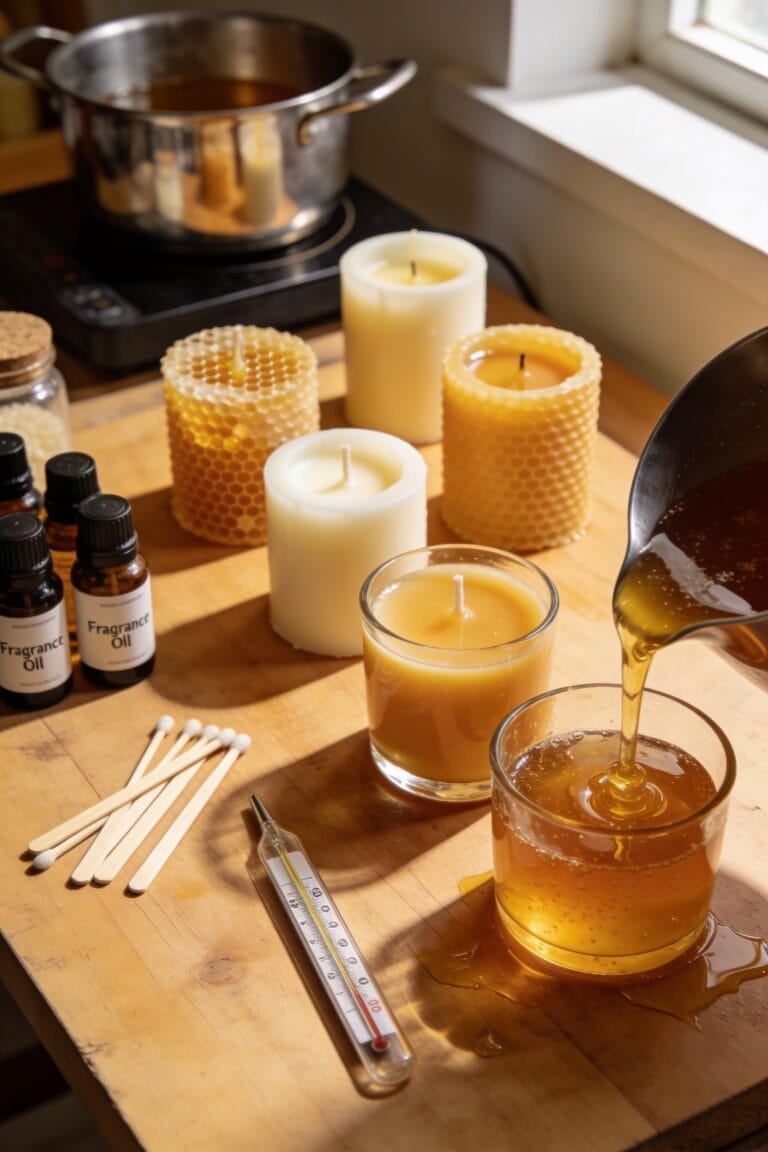
Look, the wax your candle’s made from isn’t just some background detail—it’s actually the foundation for everything else you’re about to experience, from how far that scent throws across your room to whether you’re inhaling soot while you’re trying to relax. Paraffin wax delivers powerful throw, but you’re trading that punch for cleaner air quality. Soy alternatives burn cleaner and last longer, making them worth the extra cost if you’re picky about what you’re breathing. Beeswax benefits go even further—it’s the purest option, produces virtually no smoke or soot, and burns slower than practically anything else. Natural waxes genuinely reduce pollutants compared to paraffin, so if health matters to you, they’re the smarter move upfront.
Fragrance Load: How Much Oil Makes a Candle Smell Strong
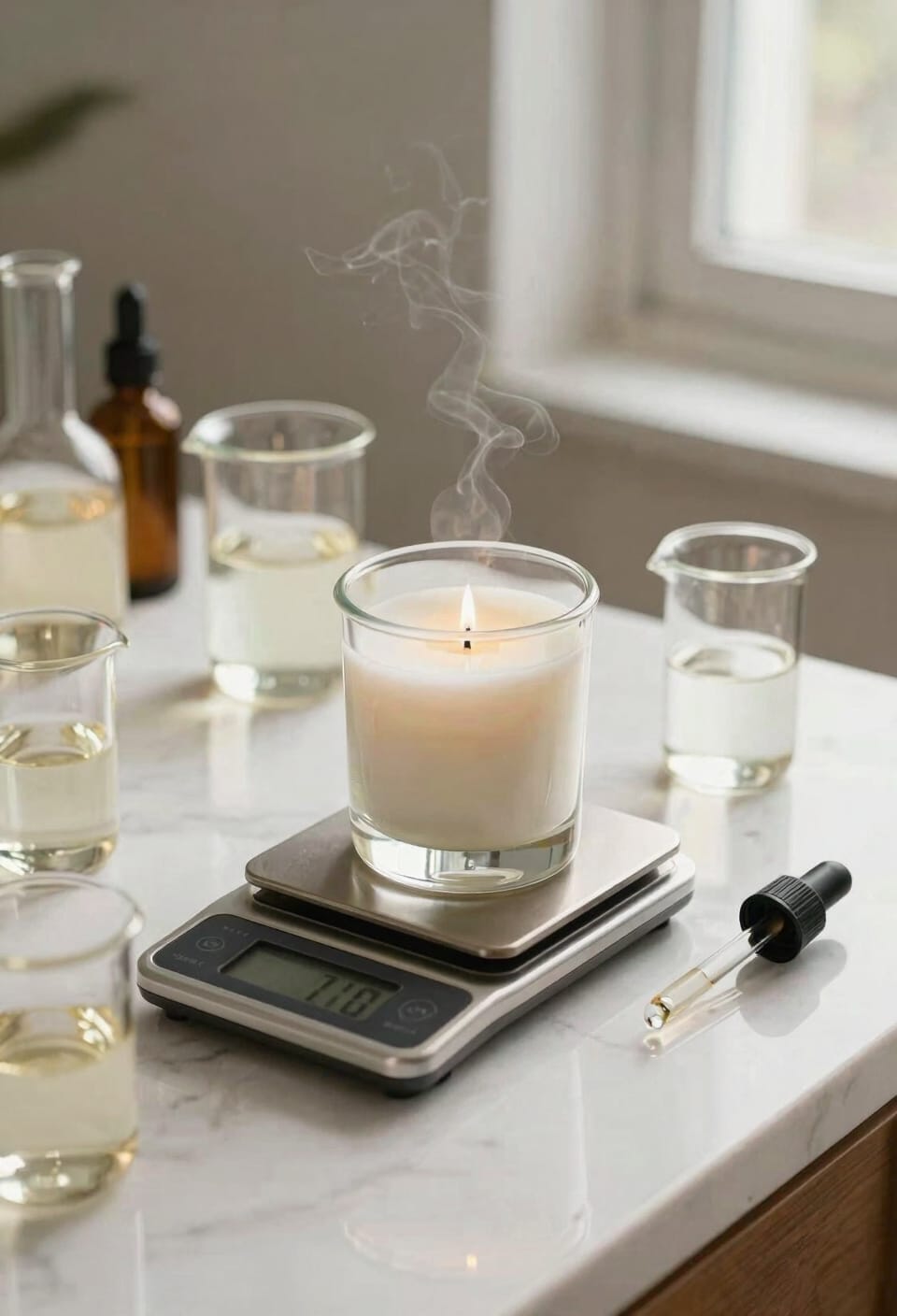
Now, here’s where things get tricky: you can’t just dump fragrance oil into wax and expect magic to happen. The ideal ratio sits between 6–10% oil by weight, and hitting that sweet spot makes all the difference for scent retention. Load it higher and you’ll actually distort the fragrance over time—the scent turns muddy and unreliable as the candle burns down. Load it lower and you’re basically paying for a decorative object.
I’ve learned this the hard way. Quality matters too. High-grade fragrance blends hold their integrity better than cheap alternatives, and phthalate-free formulations mean you’re not breathing in unnecessary chemicals. Whether you go natural essential oils or engineered synthetics depends on your priorities, but either way, that ideal ratio is non-negotiable.
Wick Selection: Why Size and Material Matter
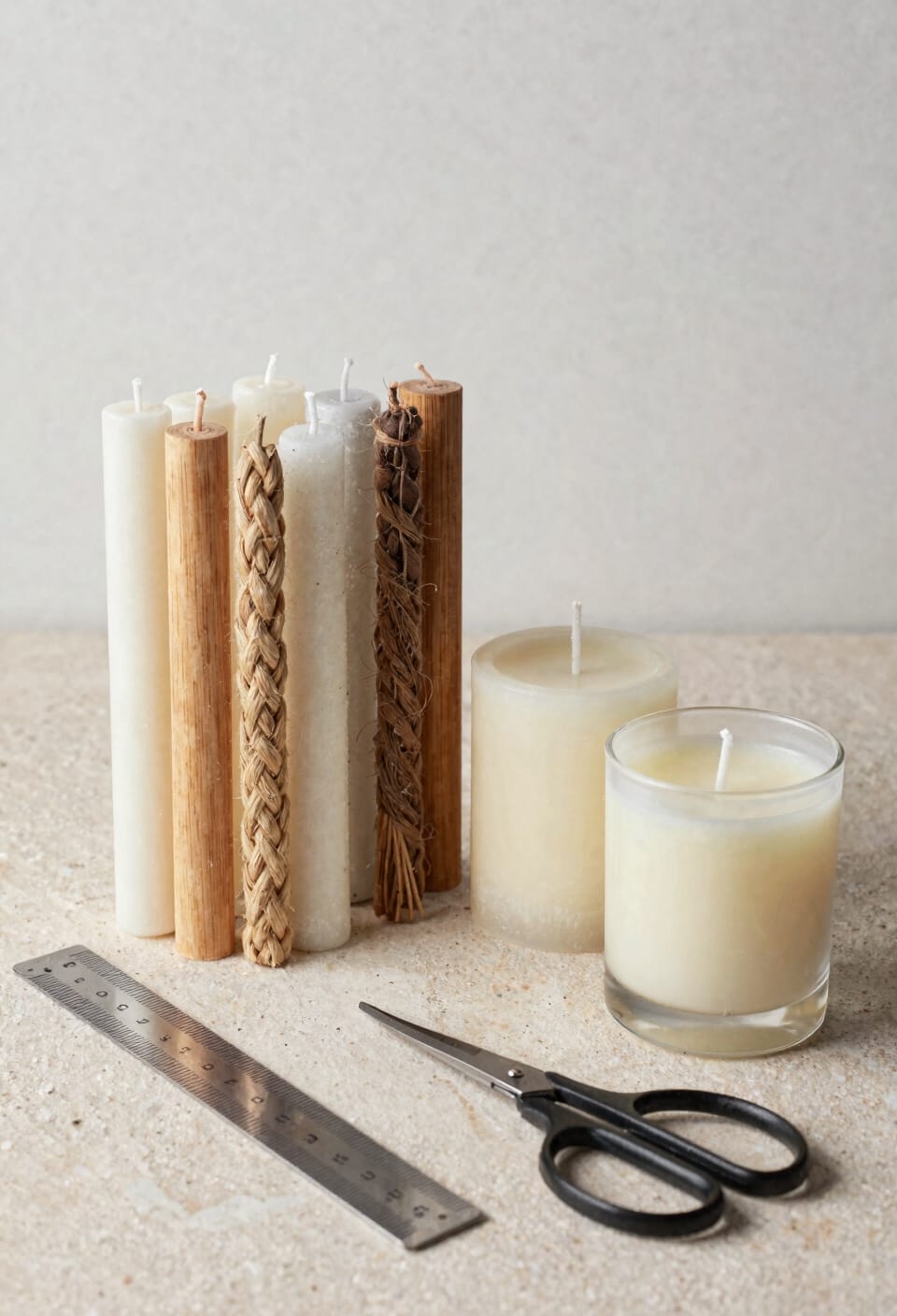
All right, so you’ve nailed your fragrance load—you’re hitting that sweet 6–10% ratio and your wax is primed to hold the scent. Now we’re talking wick. Here’s the thing: your wick’s size and material directly control burn chemistry and how far that scent actually travels. Cotton or wood wicks burn clean and steady, giving you consistent heat without excessive smoke. Too small a wick? You’ll get weak throw and tunneling—that annoying hole down the middle. Too large, and you’re burning through wax faster than fragrance can distribute. Multi-wick candles work better in bigger spaces because they enhance scent throw throughout the room. Wick tapering matters too; a properly tapered wick maintains an even melt pool, maximizing those aromatic payoffs you’re paying for.
Recommended Products

MASSIVE 8" × 14" LUXURY CANDLE – 300 OZ OF NATURAL COCONUT SOY WAX Make a statement with this Classic Big Ass Candle—our largest candle. This luxury candle delivers bold presence, elegant style, and room-filling fragrance. Perfect as a centerpiece for living rooms, great rooms, and upscale spaces.

UNIQUELY HANDMADE: Perfect for a relaxing ambiance! Each scented candle is crafted from real wood, providing a unique and sustainable touch. Heart shape elevates aesthetic!

INDULGENT HOLIDAY FRAGRANCE EXPERIENCE - As twilight settles and the first toast is raised, the air turns indulgent with the deep allure of black plum and the vibrant, subtly spiced brightness of cassis. Lush, dark fruit notes unfold like velvet ribbon—ripe, juicy, and brimming with festive warmth. A whisper of winter spice lingers in the background, grounding the sweetness in richness and elegance. This is the scent of celebration—bold, beautiful, and wrapped in seasonal indulgence.
Fragrance Quality: Natural, Synthetic, or Blended-What’s the Difference
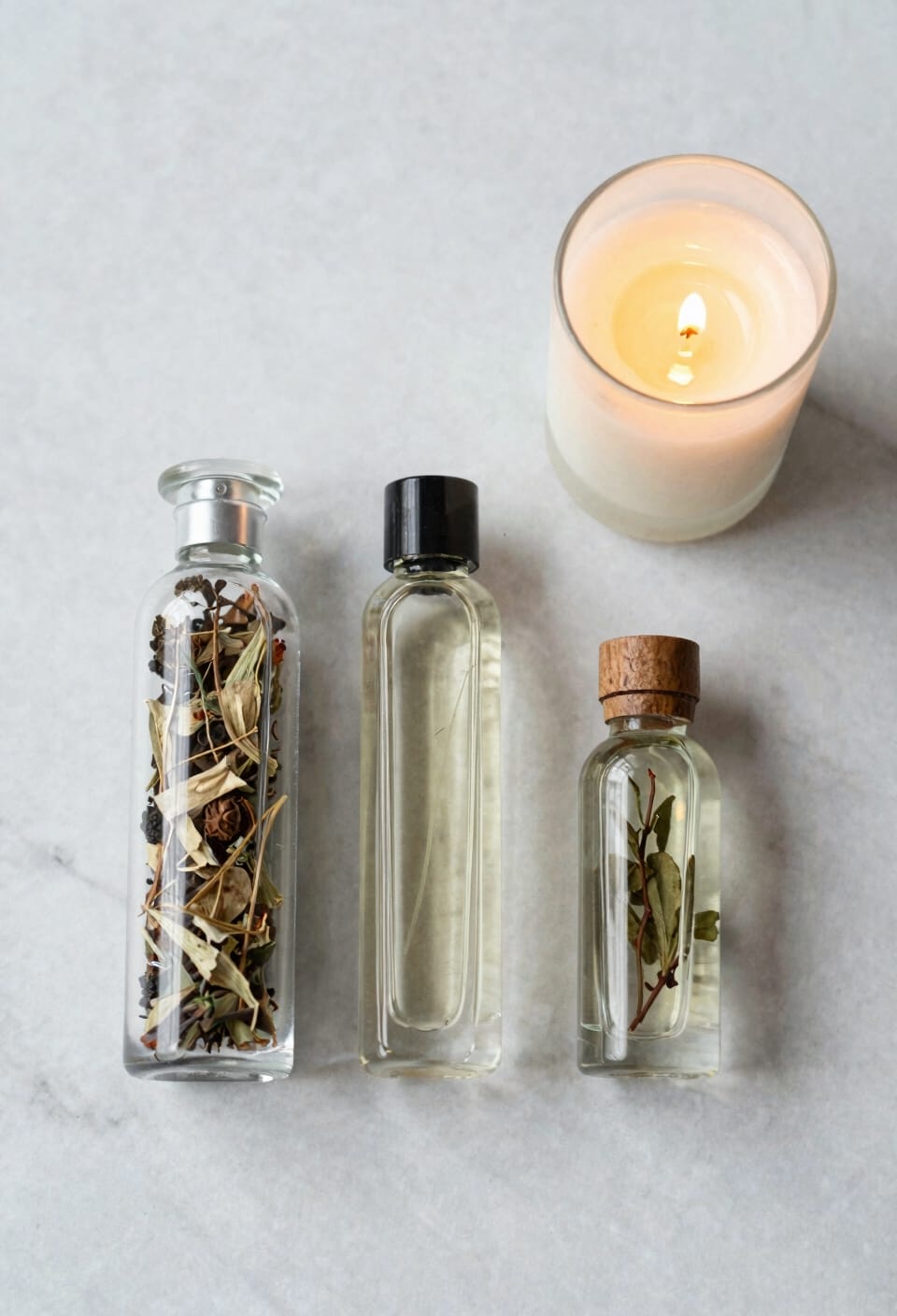
Once you’ve dialed in your wick and locked down your wax, the fragrance quality you choose becomes the real differentiator—because let’s face it, a candle that smells amazing for two weeks is way different from one that fades to basically nothing after day three.
Natural oils deliver authentic scents with genuine natural longevity, though they’ll eventually fade. Synthetics, meanwhile, offer synthetic complexity and engineered staying power, lasting longer overall. Here’s the thing: blends work best. Mixing natural and synthetic gives you richness plus performance. Look for phthalate-free formulations—they’re healthier and cleaner-burning. Premium oils cost more upfront, but you’re actually getting your money’s worth when the scent holds strong throughout the candle’s life.
Recommended Products

Quality - We produce our Hyssop essential oil using pure, natural, and raw ingredients.
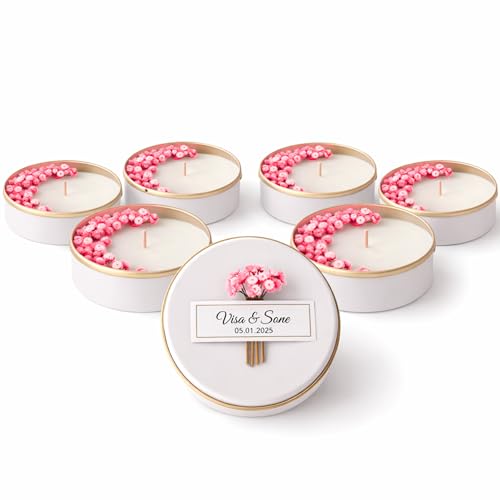
100% NATURAL SOY WAX : Hand-poured in small batches with natural soy wax and premium fragrance oils for a clean and long-lasting burn

HIGHEST QUALITY - Our candle fragrance MADE IN THE USA using pure, natural, and raw ingredients. All VINEVIDA products are vegan, free of phthalates, parabens, and other potentially dangerous chemicals.
How Candle Scents Unfold: Top, Middle, and Base Notes
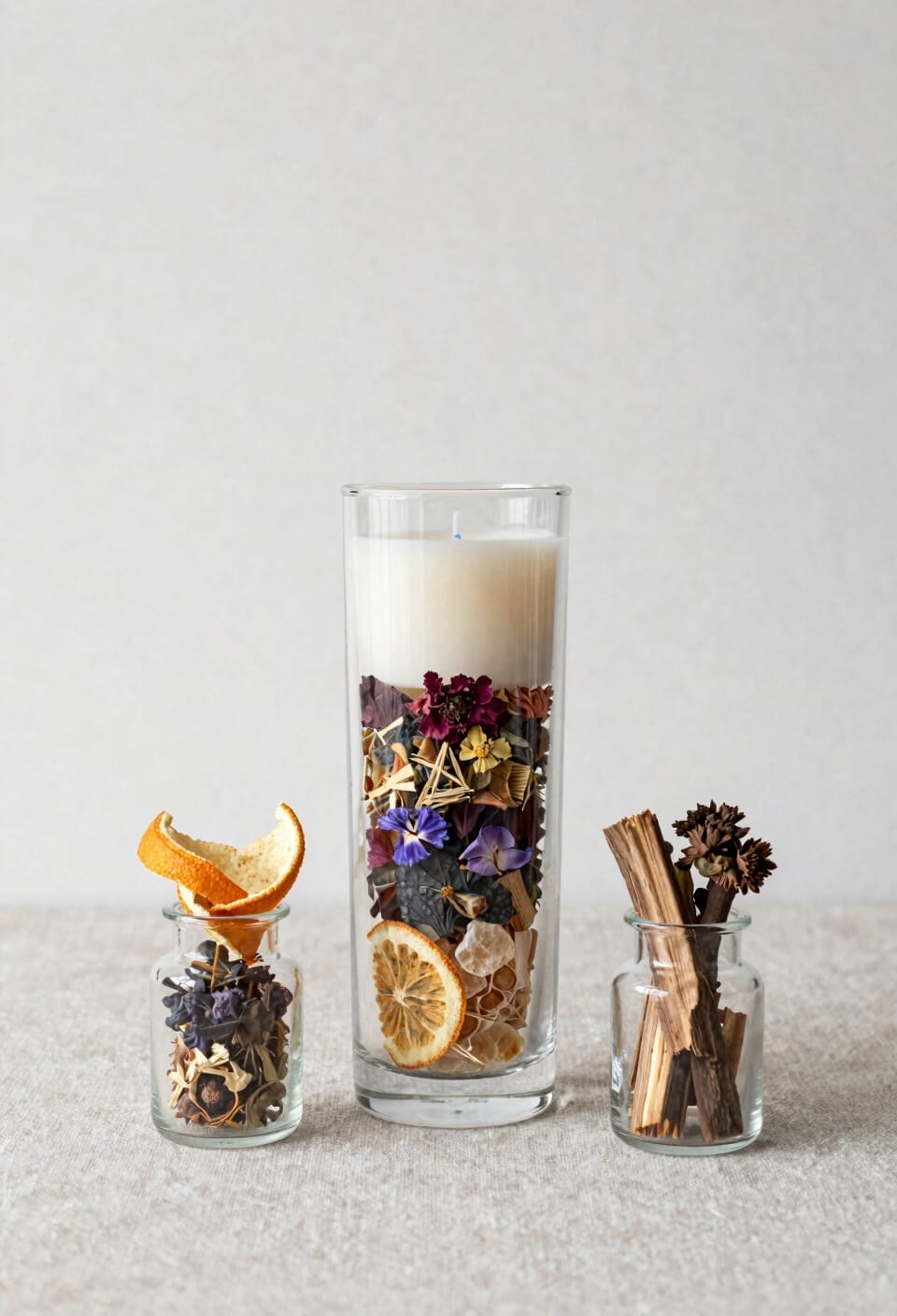
You’ve picked your wax, nailed your wick, and found a fragrance blend that actually lasts—but here’s what most people don’t realize: the scent you smell on day one isn’t the same scent you’ll smell on day seven.
That’s scent progression, and it’s built into something called the olfactory pyramid. Top notes hit first—think citrus, lavender, bergamot—but they’re fleeting, usually gone within thirty minutes. Middle notes emerge next, the heart of your candle: rose, jasmine, cinnamon. These stick around for hours. Base notes? They’re the anchors. Sandalwood, musk, amber—they linger longest, sometimes days after you’ve blown out the flame.
Understanding this pyramid means you’re not chasing a ghost. You’re experiencing the candle as intended.
What’s Actually Burning: Health Risks and Safety Concerns
When you light a scented candle, you’re not just releasing fragrance into the air—you’re burning a complex chemical cocktail, and what that means for your health depends entirely on what’s in the jar. Paraffin wax, the cheap stuff, releases benzene derivatives and soot that accumulate over time. Natural waxes like soy burn cleaner and produce fewer chemical emissions. Here’s the thing: synthetic fragrances can contain phthalates and other irritants that bother your respiratory system, especially in poorly ventilated rooms. Phthalate-free formulations exist, and they’re worth seeking out. Now, indoor ventilation matters—crack a window while you’re burning, and give your space fresh air afterward. Quality matters here. Your lungs will thank you.
Reading a Candle Label: What Premium Products Reveal
All right, so you’ve learned what’s actually in that candle and why it matters for your health—now comes the detective work. Premium labels reveal ingredient sourcing, telling you whether that soy wax came from responsible farms or whether you’re getting mystery blend number seven. Check for phthalate-free claims and natural oil percentages—anything under 6% won’t deliver real scent throw, while over 10% suggests corners got cut. Packaging claims matter too. “Clean-burning” and “non-toxic” should back up with specifics: what wax type, wick material, fragrance load. If a label’s vague or long on marketing speak and short on actual details, that’s your cue to keep scrolling. Trust transparency.
Recommended Products

MASSIVE 8" × 8" LUXURY CANDLE –150 OZ OF NATURAL SOY WAX Make a statement with this Baby Big Ass Candle—our smaller of the 2 two iconic oversized design. This luxury candle delivers bold presence, elegant style, and room-filling fragrance. Perfect as a centerpiece for living rooms, great rooms, and upscale spaces.

Warm Vanilla Sugar Fragrance Oil - A yummy combination of sweet brown sugar, buttery vanilla with a soft undertone of musk.

French Vanilla Fragrance Oil - Tempting, delicious, rich & creamy with a buttery vanilla scent
Frequently Asked Questions
How Long Should I Burn a Scented Candle for Optimal Scent Throw Without Damaging It?
I’d recommend burning your candle for 2-4 hours per session to achieve peak duration without compromising wax health. This timeframe lets you enjoy strong scent throw while preventing tunneling and preserving your candle’s longevity.
Can I Use Scented Candles Safely Around Pets and Children in My Home?
I’d recommend choosing pet-safe materials like soy or beeswax and storing candles in childproof storage away from curious hands and paws. Always ventilate well and supervise burning around pets and children.
Why Does My Candle’s Scent Fade Over Time Even Though It’s Still Burning?
You can’t teach an old dog new tricks, but you can refresh your candle game. I’ve found that fragrance degradation happens when waxy buildup clogs your wick, weakening scent throw and burn quality over time.
What’s the Difference Between Hot Throw and Cold Throw in Scented Candles?
Hot throw’s how far I smell your candle when it’s burning—that’s the scent dispersing through heat. Cold throw’s what I notice from an unlit candle sitting on your shelf. Both matter for overall fragrance experience.
How Do I Know if a Candle Is Worth Its Premium Price Tag?
I’d check the ingredient transparency—premium candles disclose their wax type, fragrance load, and phthalate-free status. I’d also examine packaging sustainability, ensuring they’re using eco-friendly materials that align with quality standards.
Conclusion
You’ve got the knowledge now—wax wisdom, fragrance fundamentals, and the particulars of proper performance. Pick quality products that prioritize transparency, and trust your preferences. Don’t get caught burning through budget on disappointing duds. You’ll find fantastic scented candles that fit your space and spending. Armed with these insights, you’re ready to make smarter selections. Now go enjoy your perfectly performing candles.