As an Amazon Associate, we earn from qualifying purchases. Some links on this site are affiliate links at no extra cost to you. Our recommendations are based on thorough research and editorial judgment.

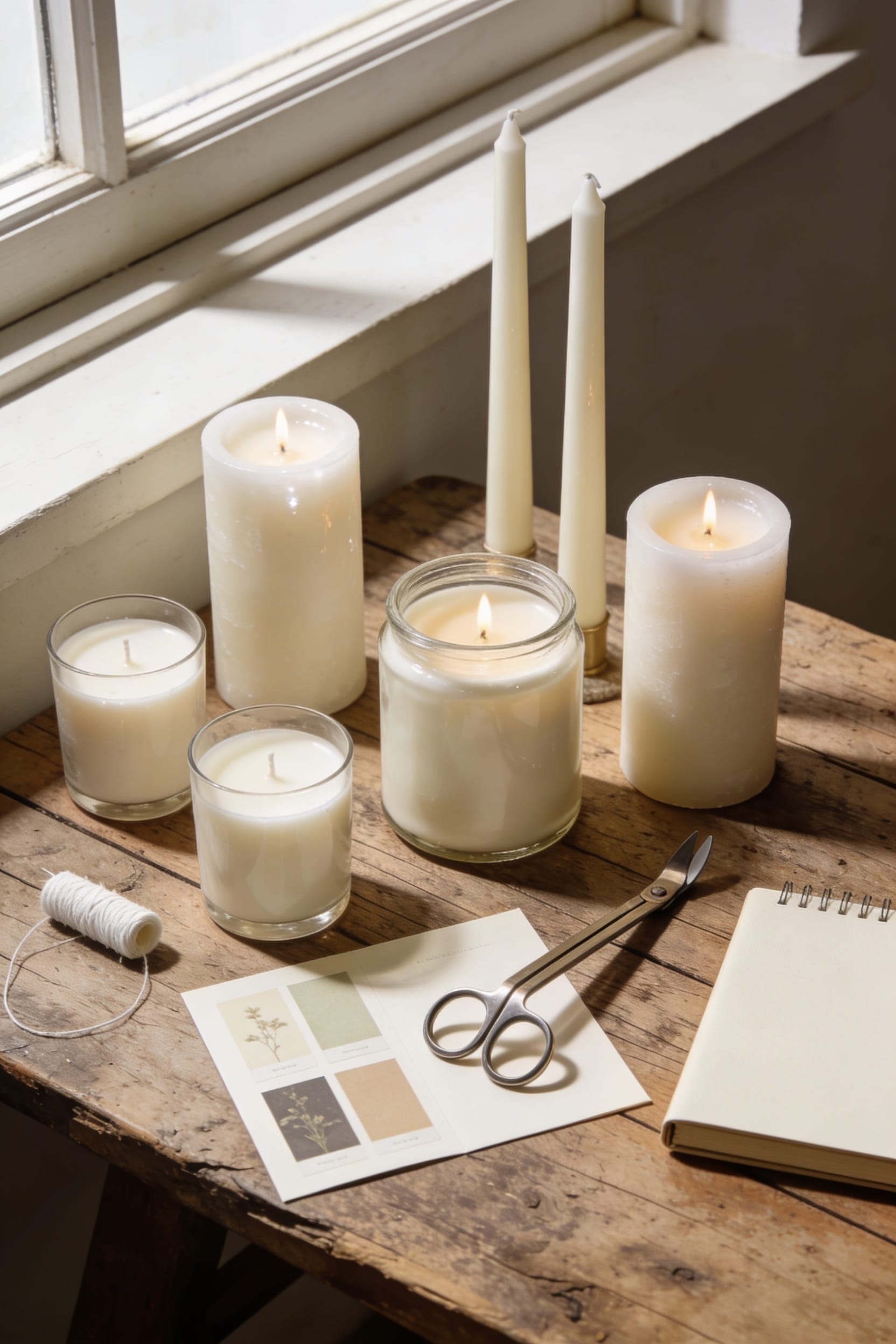
Scented Candle Buying Guide: What to Know Before You Buy

All right, here’s the thing: a candle that smells incredible in the store but fades within an hour is basically useless, and I’ve bought enough of those to know better. Before you spend money, pick your budget tier, identify scent preferences you already love, then match the candle’s strength to your room size. Natural waxes like soy and coconut perform better than paraffin, cotton wicks burn cleaner, and checking burn time reveals actual value. Spot red flags like hidden ingredients or phthalates, and you’ll stop wasting cash on disappointments.
Key Takeaways
- Choose your budget tier first—luxury prioritizes quality ingredients, mid-range balances performance and price, budget works for testing preferences.
- Match candle scent throw to room size; larger spaces need stronger fragrance or multiple candles for effective distribution.
- Select natural waxes like soy or coconut over paraffin; ensure cotton or wooden wicks to prevent toxin release.
- Identify personal scent preferences using familiar products, then explore six families: floral, citrus, woody, spicy, earthy, gourmet.
- Calculate cost per burn hour; longer burn times (40+ hours) often deliver better value despite higher sticker prices.
Set Your Budget and Decide: Luxury, Mid-Range, or Budget
Before you even think about which candle to buy, you’ve got to decide how much you’re willing to spend—and here’s the thing, that decision shapes everything else. Budget tiers exist for a reason: luxury brands like Diptyque and Byredo prioritize quality ingredients and sophisticated scents, while mid-range options such as Bath & Body Works offer solid performance at reasonable prices. Budget-friendly picks from IKEA work fine if you’re just starting out. Your shopping strategies should match your tier—luxury candles make excellent gifting options with premium packaging, whereas mid-range selections balance quality and affordability. Consider resale value too; high-end candles in decorative vessels hold worth better. Honestly, I’ve wasted money on cheap candles with weak scent throw and tunneling issues. Know your budget upfront, then shop accordingly.
Recommended Products

LUXURY DESIGN: Hand-blown glass vessel featuring sophisticated marble-like patterns in refined colors, making each piece uniquely beautiful
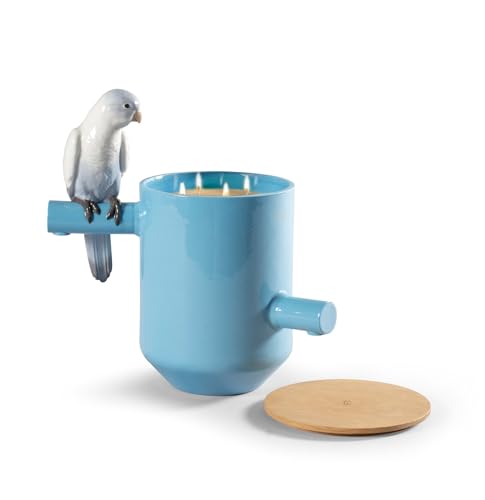
HANDMADE IN SPAIN: The highest-quality pieces handcrafted in Valencia, in the only LLADRÓ factory in the world. A team of expert artists and designers keep alive ancestral trades and techniques to turn porcelain into dreams. Sculptors, ornamenters, technicians, painters are all involved in the craftsmanship process... An endless number of hands that, one by one, leave their mark, an almost imperceptible imprint, making each artwork UNIQUE and EXCLUSIVE.

Fine fragrances containing a high dose of natural ingredients can be subject to slight variations; In the same way wines vary from year to year, so can perfume; This is a natural occurrence and something that gives life to the perfume; If you're hesitant or unhappy with your purchase, we will gladly assist you
Pick Your Scent: Floral, Citrus, Woody, Spicy, Earthy, or Gourmet
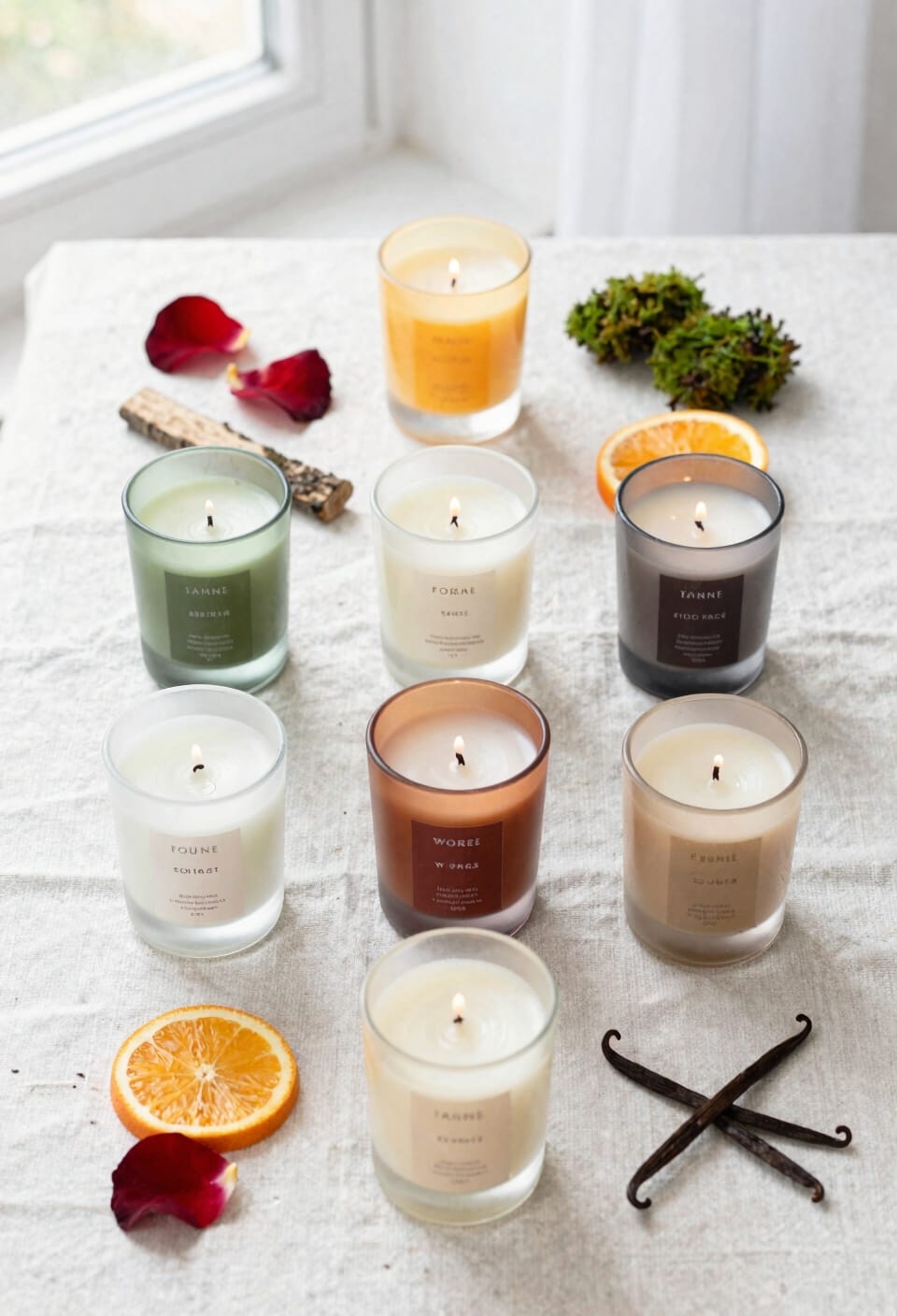
Now that you’ve settled on a budget, it’s time to narrow down what actually smells good to you—and I mean *to you*, not what some influencer says you should like. Start by thinking about scents you already gravitate toward. Do you love your lavender lotion? That’s your baseline. From there, explore the six main families: floral layering (think rose with jasmine), citrus brightening (lemon, bergamot), woody (cedar, sandalwood), spicy (cinnamon, clove), earthy (vetiver, patchouli), and gourmet (vanilla, amber). Sample testers before committing to full-size candles—seriously, most retailers offer them. Your preferences guide everything: scent throw strength, room placement, even wax type. There’s no wrong choice here, only what works for your space and nose.
Match Your Candle to the Room and Space Size
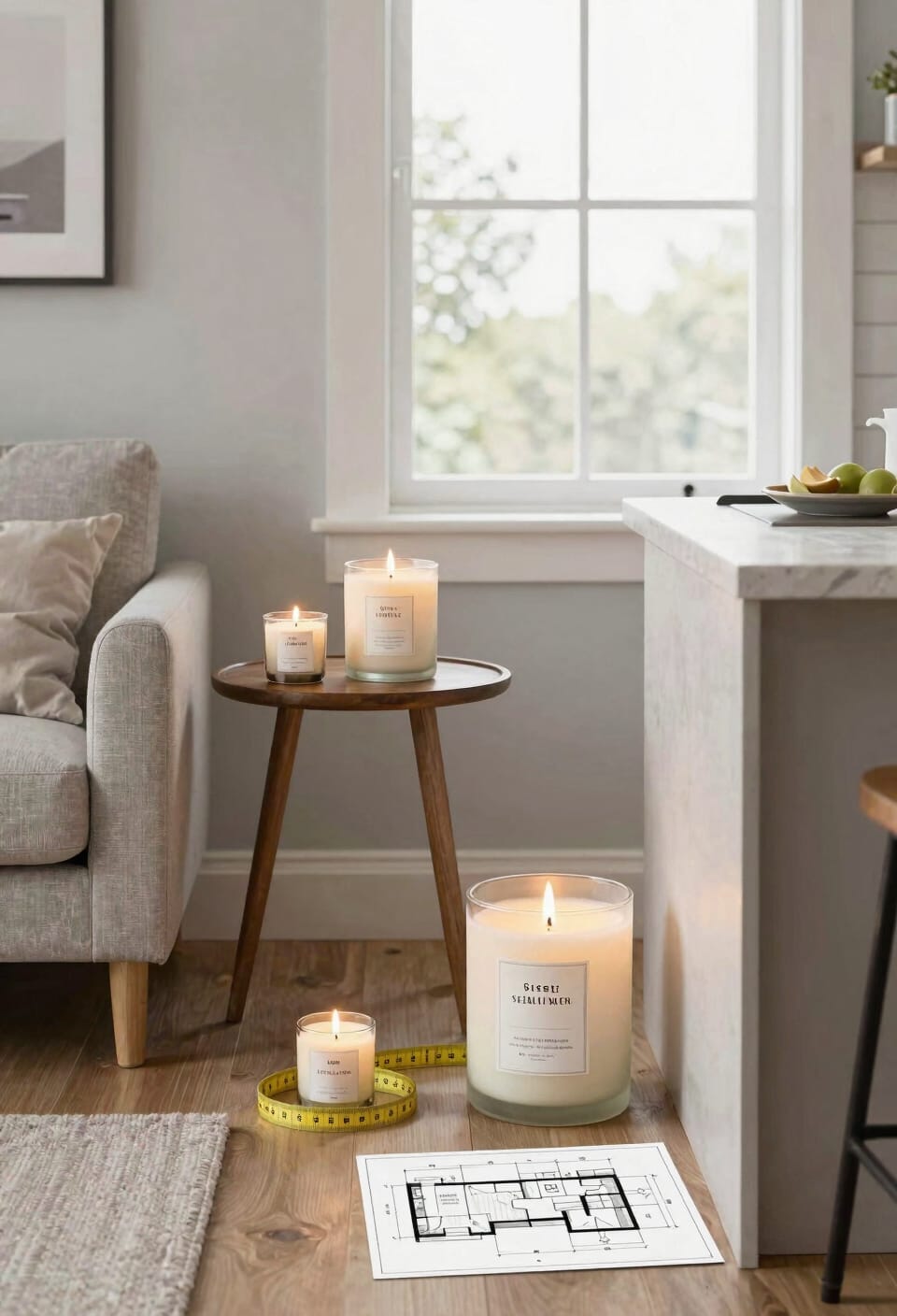
Once you’ve figured out what you actually like to smell, it’s time to think about where that candle’s going to live—because here’s the thing: a candle that smells incredible in a tiny bedroom can feel totally underwhelming in a sprawling living room, and vice versa. Room size matters enormously for scent throw. Larger spaces need candles with stronger fragrance intensity or multiple candles for proper scent zoning. High ceilings demand extra fragrance power to fill the vertical space effectively. Consider your room’s layout too—think about room acoustics and how air naturally circulates. Bathrooms and bedrooms pair beautifully with lighter scents like lavender and fresh linen, while living rooms welcome richer cedar and sandalwood. Match your candle’s strength to your space, not just your nose.
Recommended Products

The OS12500 is the most powerful portable ozone generator and is perfect for deodorizing and eliminating odors in extra- large spaces such as locker rooms, banquet halls, hotel suits, apartments, offices, restaurants, and commercial properties. It will eliminate even the most severe odors caused by tobacco, smoke, pets, water and flood damage and more

PRODUCT: Hosley 12" High Resin Incense Burner Wolf.

Medieval Style & Walnut Veneer: This modern minimalist round coffee table features a classic medieval design blended with sleek walnut veneer, adding a touch of timeless elegance to any living space. Crafted entirely from high-quality durable wood, it ensures long-lasting stability—combining aesthetic charm with reliable performance
Wax Type Matters: Soy, Beeswax, Coconut vs. Paraffin
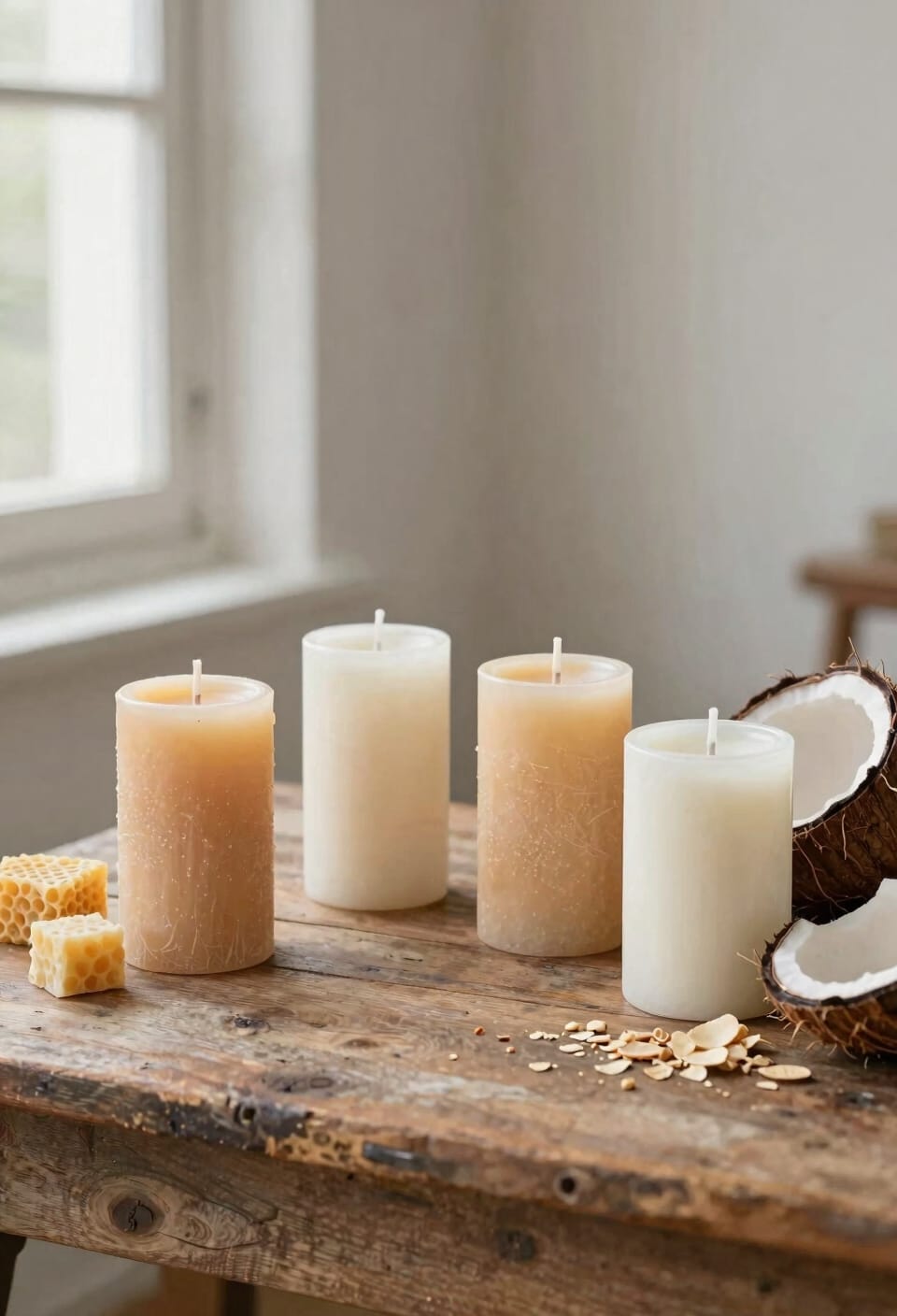
All right, here’s where things get real: you can pick the most gorgeous scent in the world, but if the candle’s made from cheap paraffin wax, you’re basically lighting money on fire—literally. Paraffin’s a petroleum byproduct that releases nasty chemicals like benzene and toluene when burned. Not ideal.
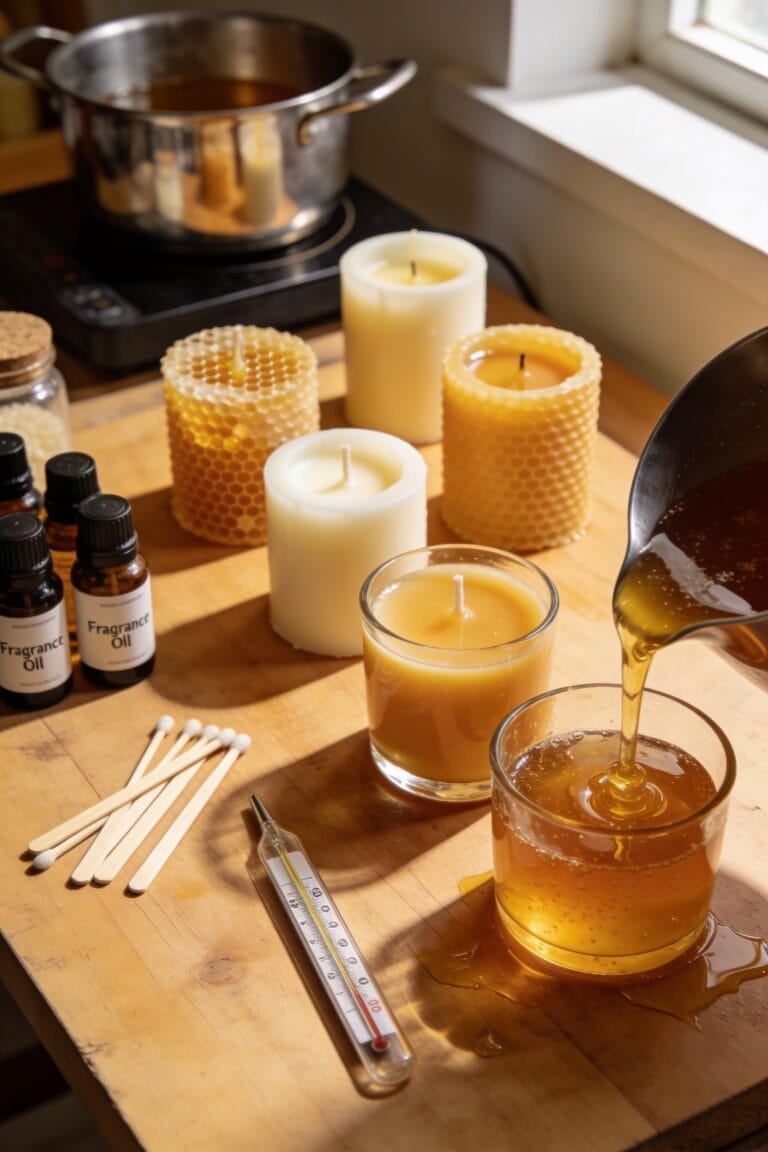
Soy wax? That’s your sustainable sourcing winner. It burns cleaner, lasts longer, and holds fragrance beautifully. Beeswax purifies air while burning and offers natural honey notes. Coconut wax delivers excellent scent throw, though it costs more.
Here’s the thing: natural waxes matter for allergen awareness too. You’re not just getting better performance—you’re protecting your lungs. Invest in quality wax, and your candle actually earns its spot on your shelf.
Recommended Products


SCENT - Feu de Bois evokes fresh pine falling on curls of sandalwood & rare Virginia cedarwood. Smoky leather accords, frankincense & nuances of vanilla are tranquil and comforting.

MASSIVE 8" × 14" LUXURY CANDLE – 300 OZ OF NATURAL COCONUT SOY WAX Make a statement with this Classic Big Ass Candle—our largest candle. This luxury candle delivers bold presence, elegant style, and room-filling fragrance. Perfect as a centerpiece for living rooms, great rooms, and upscale spaces.
Check the Wick: Cotton, Wood, and Why It Affects Burn Quality
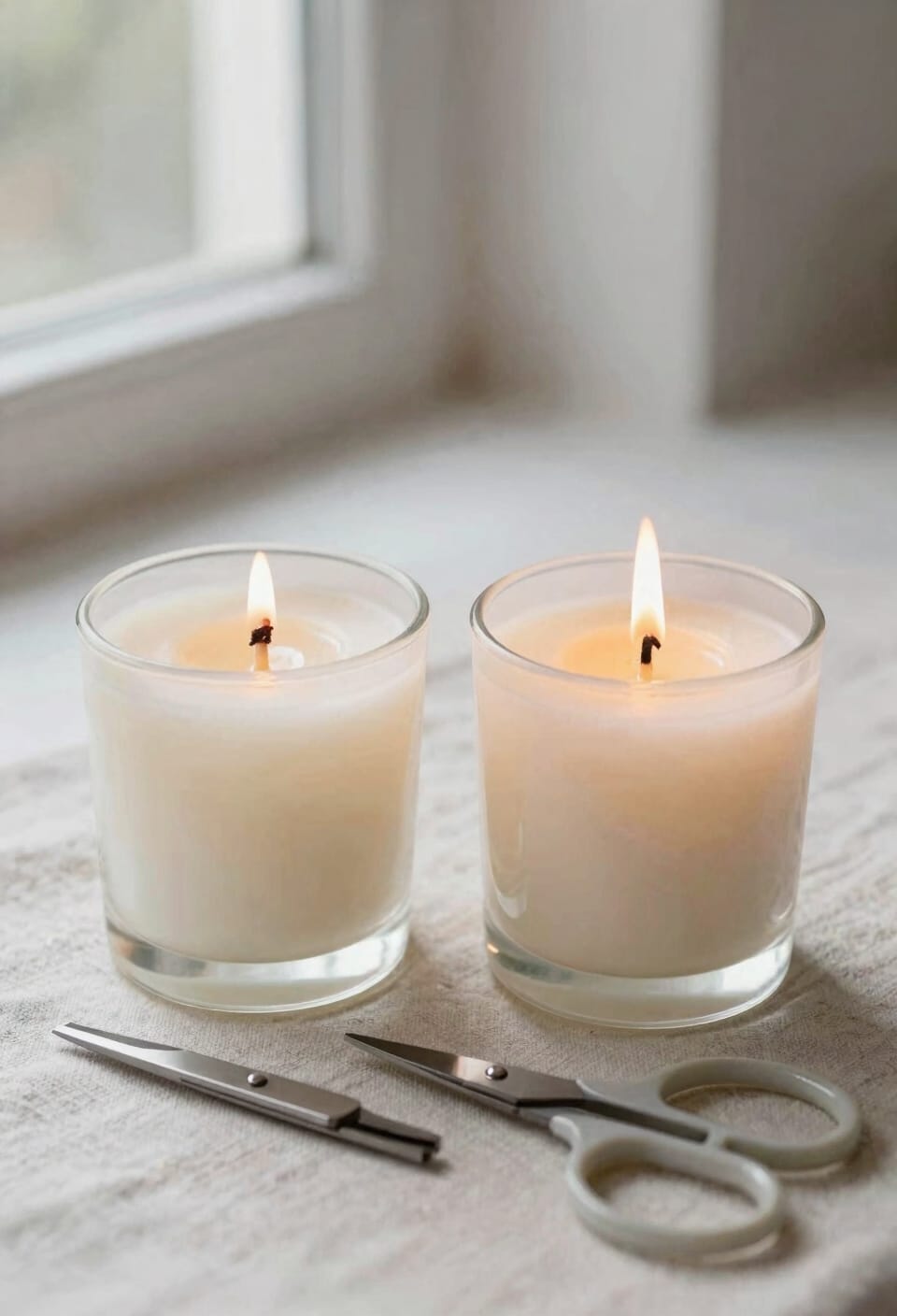
Because you’ve nailed your wax choice and picked a scent you actually love, there’s one more thing that’ll make or break your candle experience: the wick.
Cotton or wooden wicks burn cleanly and evenly—they’re your friends. Metal-core wicks? Avoid them entirely. They’re relics that release toxins, and honestly, most quality brands ditched them decades ago anyway.
Here’s what matters for wick maintenance: trim it to a quarter-inch before each burn testing session. This prevents excessive smoking and ember safety issues that’ll ruin your air quality. The wick directly affects scent interaction with your room too—a poorly burning wick means weaker fragrance throw and tunneling, where only the center melts while wax clings to the sides.
Double-wick candles work brilliantly for larger spaces, offering stronger scent distribution and steadier flames. Pay attention to how your candle burns those first few times.
Recommended Products

BURNING TIME: 22cm (9 inches) SKINNY - approximately 1 hour; 22cm (9 inches) - approximately 1 - 1.5 hours; 27cm (11 inches) - approximately 1.5 - 2 hours; 32cm (13 inches) - approximately 2 hours; For maximum burn time place the candles in an area with minimal air movement. Avoid drafty areas such as near open windows, vents, or fans.

Safer Ambience for Everyday Moments: Our sand wax candle design with self-extinguishing sand candle wicks minimizes fire risk if tipped and prevents hot wax spills; ideal for homes with pets or kids that won’t renounce stylish décor, offered in White, Red, Nude, and Black for cozy luxury

100% Pure Beeswax Candle: Hand-poured from naturally filtered beeswax for a rich, golden glow. These clean burning candles are free from paraffin, soy, and synthetic fragrances. Each 1-wick dripless pillar candle features natural cotton candle wicks and pure candle wax for a long-lasting burn and warm, cozy candle light.
Spot Red Flags: Phthalates, Synthetic Oils, and Hidden Toxins
After you’ve invested in quality wax and found a wick that actually burns right, here’s where a lot of candles still let you down: what’s actually mixed into that fragrance. Look, synthetic oils and phthalates—chemicals used to make scents stick around longer—aren’t doing your lungs any favors. I’ve learned to seek out ingredient transparency because brands that hide their formulas usually have something to hide. Phthalate testing matters, especially since cheaper candles often skip it entirely. Natural fragrances from essential oils beat synthetic alternatives hands down for indoor air quality. Check labels carefully. If you can’t find what’s actually in that candle, move on. Your respiratory system will thank you, and honestly, there’s plenty of honest brands out there making gorgeous stuff without the toxic shortcuts.
Compare Burn Time and Find Your Best Brand
Now, here’s where burn time becomes your actual measure of value—because a candle that burns for forty hours costs you way less per hour than one that’s gone in fifteen, even if the sticker price looks smaller. I’ve learned this the hard way after tossing money at pretty jars that delivered nothing but disappointment.
Brand reputation matters here. Luxury names like Diptyque command higher prices but deliver scent longevity that justifies the investment. Mid-range brands balance quality with affordability, while budget options give you decent performance without breaking the bank. Check the label for estimated burn time—average candles run thirty to sixty hours depending on size.
You’re not just buying fragrance; you’re buying hours of actual enjoyment. That changes everything about what’s actually worth your money.
Recommended Products

Elegant Rose Design: Handcrafted rose shaped soy wax candles topped with real dried flowers — perfect for weddings and romantic events.

EDITION Hotels exclusive - bring home the one-of-a-kind EDITION experience with the signature scent loved by EDITION hotels guests around the world.
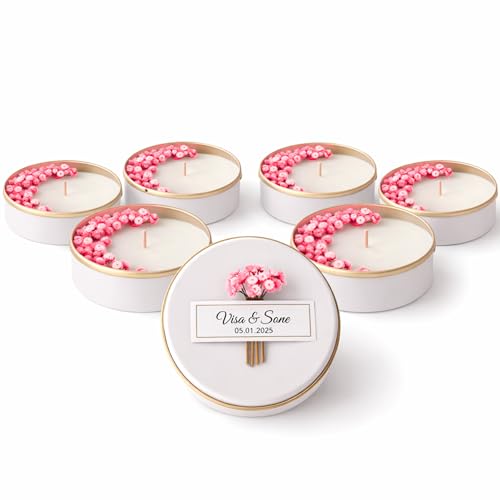
100% NATURAL SOY WAX : Hand-poured in small batches with natural soy wax and premium fragrance oils for a clean and long-lasting burn
Frequently Asked Questions
How Do I Know if a Candle’s Scent Will Match My Personal Fragrance Preferences Before Purchasing?
I’d recommend referencing scents from perfumes or lotions you already love for scent matching. Use personal associations and memory cues to identify compatible fragrances. Order sample testers first, exploring fragrance layering possibilities before committing to full-size purchases.
Can I Use Sample Testers to Try Candle Fragrances Without Committing to Full-Size Purchases?
Yes, like a artist testing paint before painting a canvas, I’d recommend using sample testers. You can try fragrances first, engage in scent journaling, and even participate in sample swaps before committing to full-size purchases.
What’s the Difference Between Essential Oils and Synthetic Fragrance Oils in Candles?
Essential oils come from plants and offer natural fragrances with better aromatic chemistry, while synthetic oils are chemically derived and may emit harmful substances. I’d recommend choosing essential oils for healthier air quality and sustainability concerns.
How Many Hours of Burn Time Should I Expect From an Average-Sized Candle?
You’ll typically get 30 to 60 hours from an average-sized candle. Notably, larger candles can double this lifespan. I’d recommend checking the manufacturer’s average burntime estimate—it’ll give you a clearer picture of your candle’s total lifespan.
Are Lead-Core Wicks Still Used in Candles Sold Today, and How Can I Identify Them?
I’ll help you identify lead wicks. Most reputable brands have eliminated lead-core wicks, but cheaper imports may still contain them. Look for metal-free wick labels, conduct flame safety tests, and verify wick testing certifications to make certain you’re purchasing quality candles.
Conclusion
You’ve now got everything you need to stop throwing money at mediocre candles that smell like burnt plastic and tunneling regret. You’ll pick winners instead—ones that fill your entire room with glorious fragrance, burn evenly for weeks, and actually justify their price tag. Your nose deserves better. Your wallet will thank you. Go forth and burn brilliantly.