As an Amazon Associate, we earn from qualifying purchases. Some links on this site are affiliate links at no extra cost to you. Our recommendations are based on thorough research and editorial judgment.

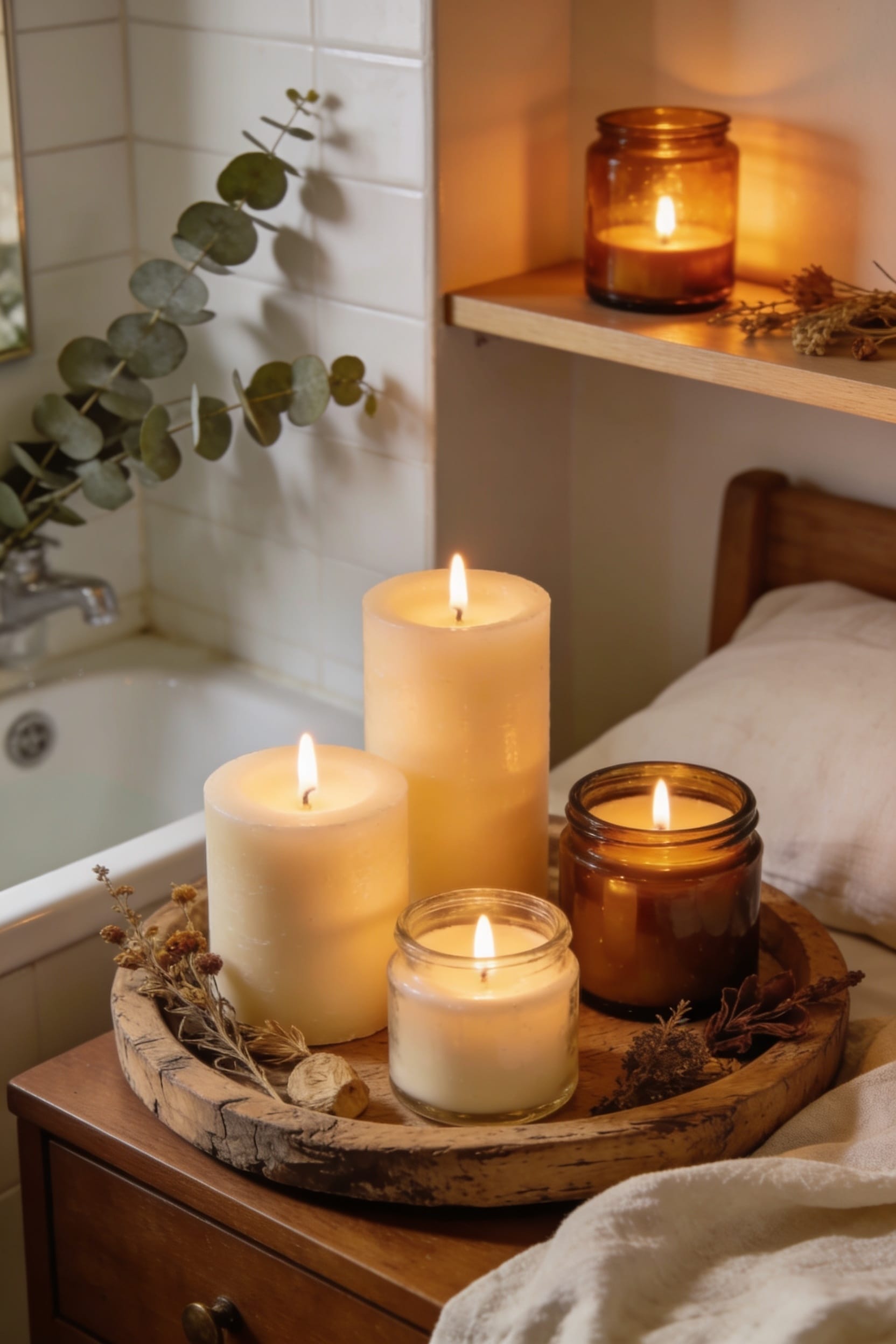
Best Candle Scents for Every Room in Your Home

Look, I’ve wasted plenty of money on candles that either smell like nothing or knock me over the second I light them. Here’s the thing: the right scent in the right room changes everything—your mood, focus, even sleep quality. Lavender in the bedroom, peppermint in your workspace, sandalwood in the living room. But it’s not just about picking a nice smell. Wax type, wick quality, scent throw, and placement all determine whether you’re actually getting that functional benefit or just burning money. Let me break down exactly what works where.
Key Takeaways
- Living rooms benefit from warm scents like sandalwood and cedarwood without overwhelming the space.
- Bedrooms thrive with calming fragrances like lavender, jasmine, and chamomile to promote better sleep.
- Kitchens pair best with fresh scents like lemon and subtle mint that won’t compete with cooking.
- Dining rooms shine with light herbal notes, sweet orange, and geranium that complement meals naturally.
- Bathrooms transform into spa-like retreats with eucalyptus blends combined with mint or sea salt notes.
How Scent Affects Mood, Focus, and Sleep
Look, I’ve spent way too much money on candles that smelled amazing in the jar but delivered basically nothing once lit—and I’ve also burned ones that filled my entire apartment with such aggressive fragrance throw that I couldn’t think straight.
Here’s the thing: aromatherapy science shows that scent directly influences your nervous system. When you inhale fragrance molecules, they reach your brain’s limbic system, affecting mood, focus, and sleep quality. That’s not marketing fluff—it’s biology. Scent memory compounds this effect; certain aromas trigger emotional responses based on your personal experiences. Lavender might genuinely calm you because your brain remembers it that way. Meanwhile, peppermint’s energizing properties actually boost concentration through neurological pathways. The right candle in the right room isn’t luxury—it’s functional. You just need the right scent throw and quality burn to make it work.
Living Room: Creating Warmth and Conversation
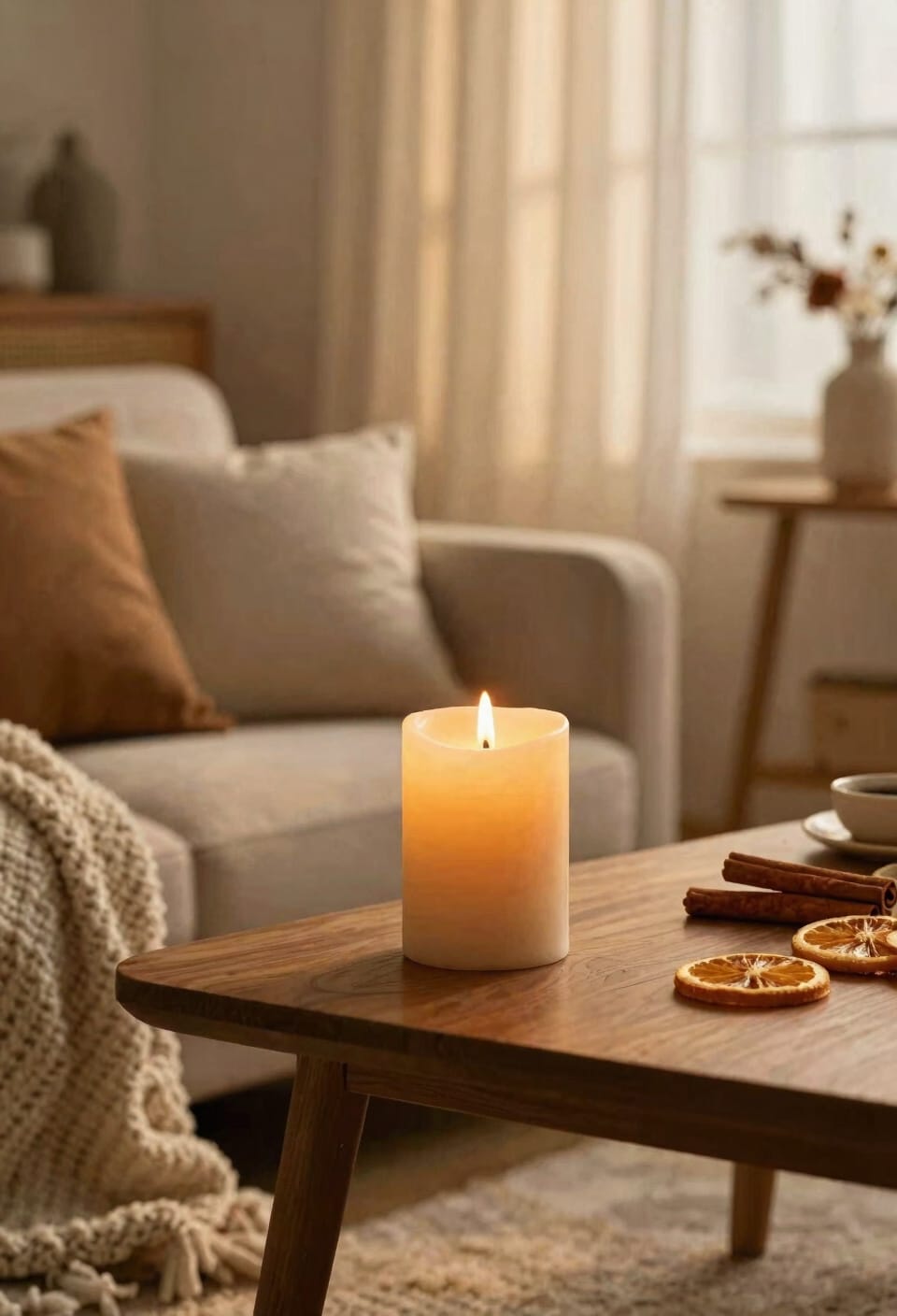
Now that you understand how scent actually works in your brain, let’s talk about the room where you probably spend the most time relaxing with other people—your living room. This is where ambiance matters. I’m talking sandalwood, cedarwood, and amber—scents that layer warmth without screaming for attention. Pair these with soft lighting and patterned throws, and you’ve got the foundation. Here’s the thing: vanilla and cinnamon work brilliantly here too, especially if you’re hosting. They’re conversation starters in the best way. Look, you want a candle with decent scent throw—something that travels across the room without overwhelming it. Soy or coconut wax burns cleaner and longer than paraffin. Match that with ambient playlists, and suddenly your living room feels intentional. That’s the goal.
Bedroom: Scents That Help You Sleep Better
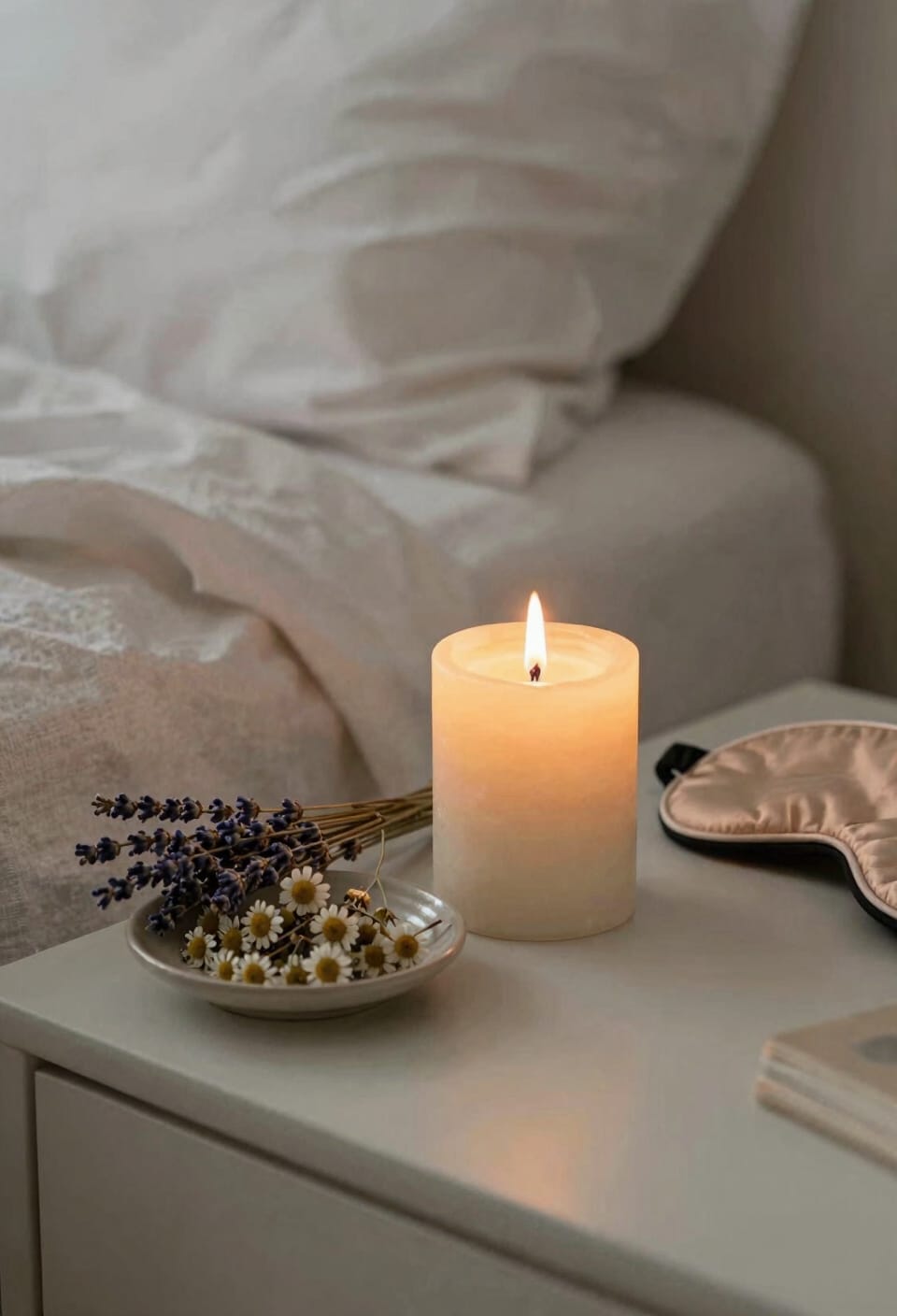
Your bedroom’s job is different from your living room—it’s not about impressing anyone or sparking conversation, it’s about helping you actually fall asleep and stay there. Lavender and jasmine are your go-to scents here, though chamomile works beautifully too. I’d recommend soy or beeswax candles since they burn cleanly without toxins that might disrupt your rest. Look, scent timing matters—light your candle thirty minutes before bed so it’s settled into the room. Better yet, try pillow sprays for more targeted fragrance without constant burning. Wooden wicks add that crackling ambiance, almost like a gentle fireplace. Soft musk helps prepare your mind for sleep. The goal’s simple: create sleep rituals that your body recognizes as wind-down time.
Kitchen: Fresh Aromas Without Overpowering Food
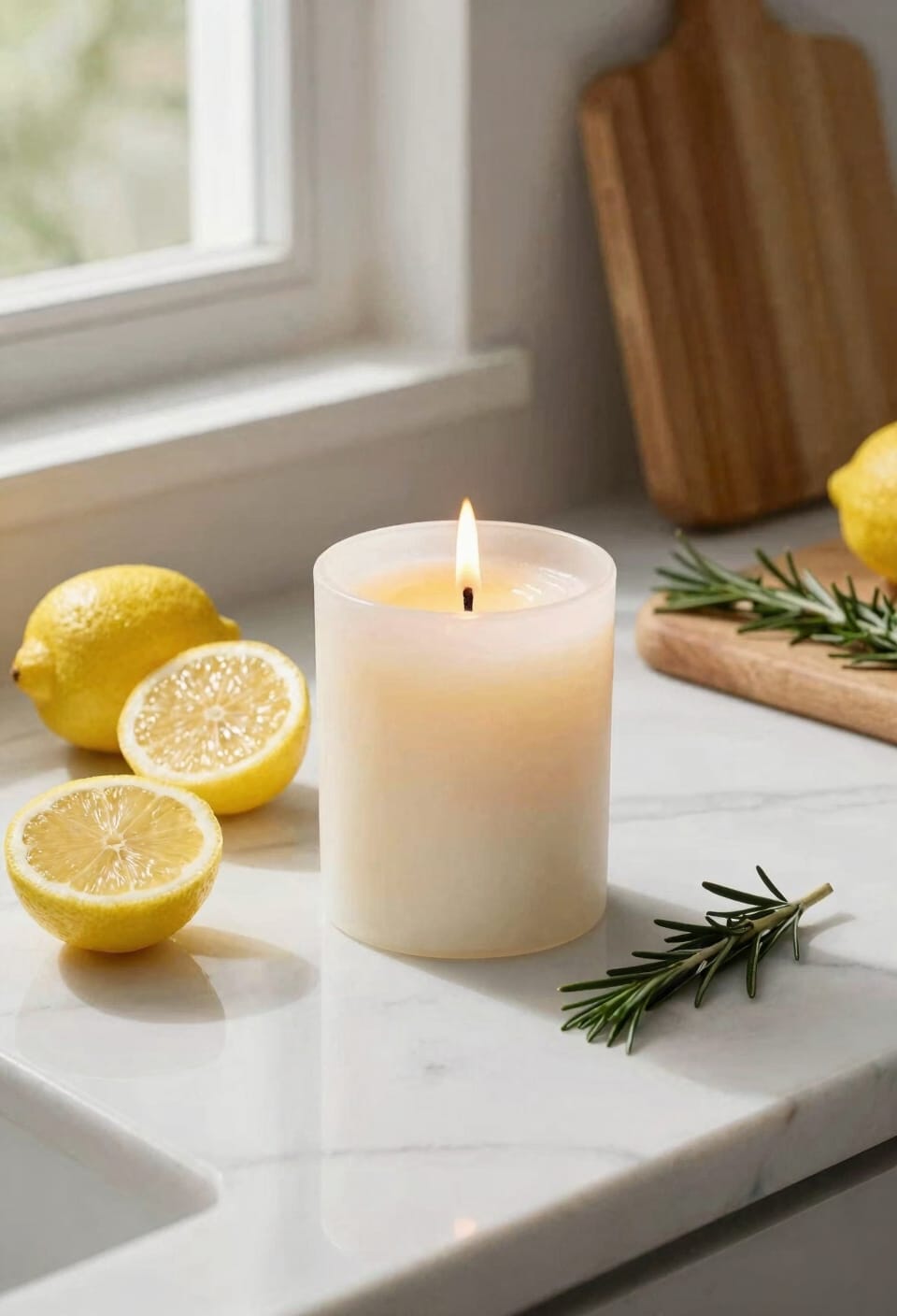
While the bedroom’s all about creating that perfect wind-down environment, the kitchen demands a completely different strategy—one where you’re balancing freshness without letting candle scent hijack the aromas already happening on your stove. Here’s the thing: citrus balance is essential. Lemon and grapefruit work because they’re clean and bright without competing with cooking smells. Now, herb pairings like subtle mint or thyme add interest without overwhelming. You’ll want a candle with moderate scent throw—something that freshens the air rather than dominates it. Soy candles often perform better here since they release fragrance more gently than paraffin. Skip heavy vanilla or spice blends entirely. Your kitchen’s already got enough going on. Keep it simple, keep it fresh, and let your actual cooking be the star.
Dining Room: Subtle Fragrances That Enhance Meals
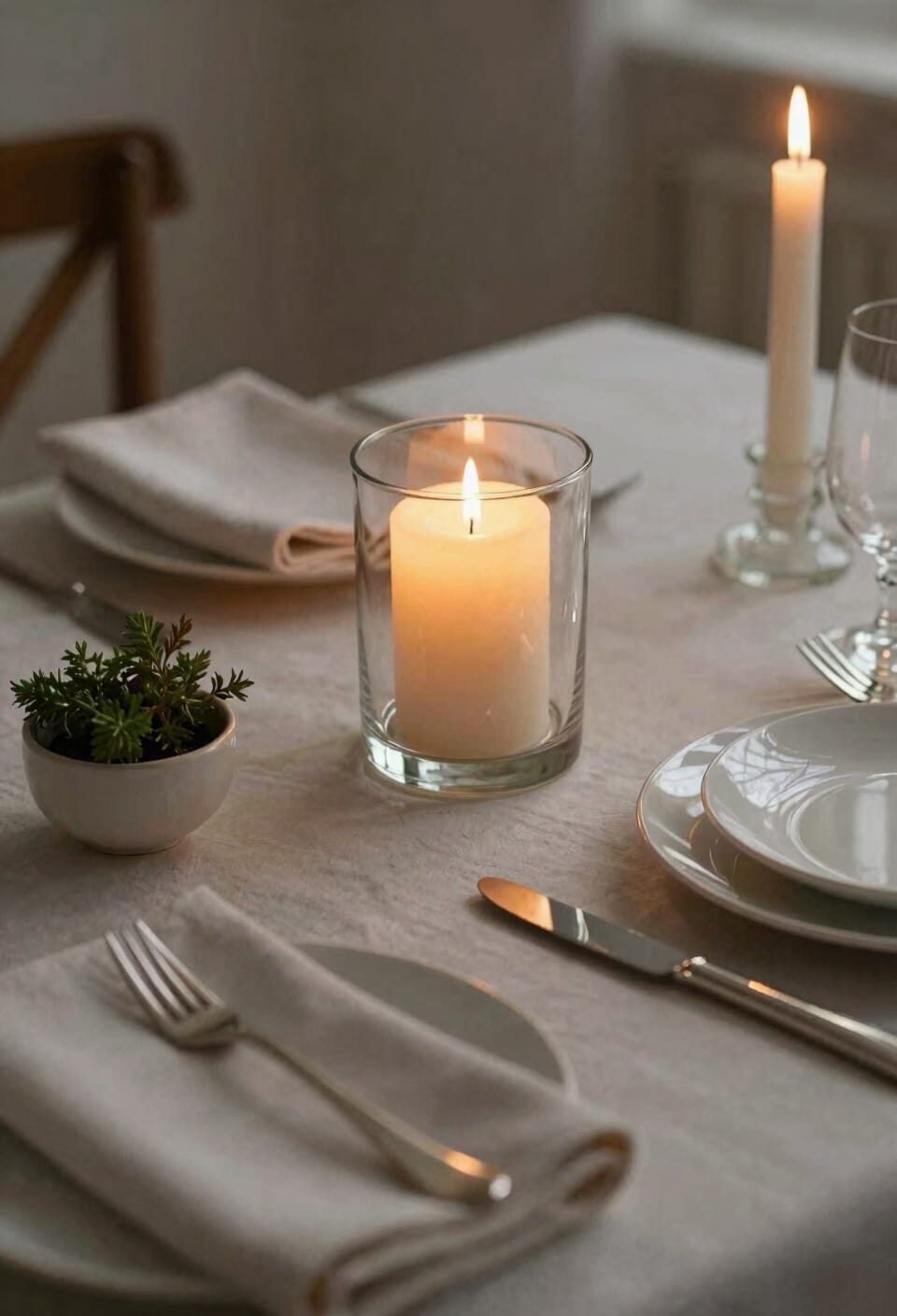
If you’ve just come from optimizing your kitchen’s candle strategy, the dining room requires an almost opposite mindset—because here, subtlety isn’t just preferred, it’s essential. You want centerpiece aromas that complement conversation rather than compete with it. Light herbal scents like mint and thyme work beautifully, as do sweet orange and geranium—they rejuvenate without dominating your meal pacing. Look, I’ve made the mistake of lighting a heavily scented candle before dinner; it’s distracting. Instead, choose a candle with moderate scent throw that sits near your table etiquette zone but doesn’t overpower. Soy or coconut blends burn cleaner and release fragrance more gently than paraffin. The goal? Ambient lighting that smells good, not a fragrance that happens to provide light.
Bathroom: Spa-Like Serenity at Home
After a long day, the bathroom’s become my favorite place to decompress—and I’m betting it’s yours too. Now, here’s the thing: eucalyptus blends work brilliantly in this space. They create that spa-like serenity we’re all chasing without overwhelming such an intimate room.
Pair eucalyptus with mint or sea salt for maximum effect. The scent throw matters here—you want something that lingers gently rather than aggressively. I’ve found soy candles perform best; they burn cleaner and won’t leave residue on your tiles.
Look, combine your candles with a spa playlist pairing for the complete experience. Wooden wick candles add crackling ambiance like a fireplace, which honestly elevates everything.
The key? Light fragrances prevent headaches during longer soaks. You’re not trying to mask odors; you’re crafting atmosphere.
Home Office: Using Scent to Boost Focus
Transform your home office into a productivity powerhouse with the right scents—because let’s face it, a cluttered desk and stale air aren’t exactly inspiring focus. Peppermint, lemon, and rosemary are your allies here, each boosting concentration naturally. I’ve found that understanding aroma ergonomics—positioning candles strategically around your workspace—makes a real difference in how effectively you absorb those energizing notes without overwhelming yourself.
Now, scent scheduling matters too. Light your candle thirty minutes before diving into deep work, allowing the fragrance to settle without dominating. A quality soy or coconut blend burns cleaner than paraffin, keeping your air fresher longer. Watch for tunneling by trimming wicks to quarter-inch—it maximizes burn time and scent throw. You’ll notice sharper mental clarity when your candle’s actually performing well.
Soy, Beeswax, or Paraffin: What’s the Difference?
Now, here’s where most people get tripped up: you can light the perfect candle at the perfect time in your perfect home office, but if the wax itself isn’t doing its job, you’re basically just watching money burn—literally. Soy and beeswax—the vegan waxes and natural options—burn slower and cleaner than paraffin, which means better scent throw and fewer toxins in your workspace. They’ve got superior thermal properties too, distributing fragrance more evenly throughout your room. Paraffin’s cheaper, sure, but it burns fast and can leave residue. I’ve wasted plenty on paraffin duds. You want wax that actually performs.
How to Layer Scents Without Creating Odor Clash
When you’ve got soy candles burning in your living room and a citrus number going in the kitchen, the scents can either work together or wage war on your nose—it all comes down to strategy. Here’s the thing: you’ll want to establish a clear scent hierarchy, moving from lighter fragrances top to bottom through your home. Your kitchen’s fresh lemon shouldn’t clash with bedroom lavender if you’re thoughtful about placement and intensity.
Accent pairing works best when complementary notes share common ground—think vanilla in the living room paired with subtle vanilla undertones in your hallway. Seasonal rotations help too. Rotating your candles prevents olfactory fatigue and lets you experiment without overwhelming your space. The key? Give each room breathing room, and don’t light everything simultaneously.
Frequently Asked Questions
How Often Should I Replace Candles for Optimal Scent Performance and Freshness?
I’d recommend replacing candles every 40-60 hours of burn time to maintain peak scent decay prevention. Regular wick trimming and freshness checks extend performance. Monitor your replace timeline based on room size and ventilation for consistent fragrance quality.
Are Scented Candles Safe to Use Around Pets and Children in Homes?
I’d recommend using non-toxic fragrances and childproof lids when you’re burning candles around pets and children. You’ll want flame supervision at all times to guarantee everyone’s safety in your home.
What’s the Best Way to Store Candles to Preserve Their Fragrance Quality?
I’d recommend storing your candles in airtight containers away from direct sunlight and heat. Keep them in cool storage spaces to preserve their fragrance quality and prevent the scent from fading or becoming overpowered by external odors.
Can I Burn Multiple Scented Candles in the Same Room Simultaneously?
I’d recommend caution with multiple scented candles—scent layering can create fragrance clash rather than harmony. I’d suggest burning one quality candle per room, or if you’re layering, choose complementary scents that won’t compete.
How Do I Remove Stubborn Candle Wax Residue From Walls and Furniture?
I’d recommend using a heat gun to soften the wax, then gently scraping it away. For stubborn residue, I apply rubbing alcohol on a cloth and wipe the affected area until it’s clean.
Conclusion
Your home’s a garden, and you’re the gardener. Each room’s a different plot, waiting for the right scent to bloom. You’ve got the tools now—understanding wax types, fragrance notes, burn times. Plant wisely, tend carefully, and you’ll watch your spaces transform. The best candle isn’t the fanciest; it’s the one that makes you pause and breathe deeper. That’s your win.