As an Amazon Associate, we earn from qualifying purchases. Some links on this site are affiliate links at no extra cost to you. Our recommendations are based on thorough research and editorial judgment.


Do Scented Candles Actually Work? Honest Answer

Yes, scented candles work—but most people burn the wrong ones and wonder why their room doesn’t smell amazing after five minutes. Here’s the thing: cheap candles often fail to reach full scent potential before you’ve already written them off. Wax type matters enormously. Soy and beeswax deliver stronger hot throw than paraffin, which burns hotter and faster while producing excess soot. Give it fifteen minutes, trim your wick, and choose quality wax with disclosed ingredients. Once you understand what actually separates a dud from a winner, you’ll stop wasting money.
Key Takeaways
- Scented candles release fragrance through vapor dynamics as melted wax feeds the wick, reaching full scent after fifteen minutes of burning.
- Wax type significantly impacts performance; soy and beeswax deliver stronger hot throw and cleaner combustion than paraffin wax candles.
- Hot throw (fragrance during burning) determines actual effectiveness, while cold throw influences purchase decisions but doesn’t reflect in-room performance.
- Quality candles with natural essential oils and transparent ingredient lists avoid synthetic phthalates linked to headaches and respiratory irritation.
- Proper burning practices—trimming wicks, limiting four-hour burns, and maintaining ventilation—ensure optimal scent performance while minimizing health risks from pollutants.
How Scented Candles Release Fragrance Into Your Home
When you light a scented candle, you’re actually triggering a pretty straightforward chain reaction that’s worth understanding if you want to stop wasting money on duds. Heat from the flame melts wax around your wick, creating a liquid pool. That’s where wick chemistry gets interesting—the melted wax gets drawn up the wick, carrying fragrance oils with it. Those oils then evaporate into the air through vapor dynamics, releasing scent molecules that travel to your nasal cavity. Here’s the thing: you won’t smell the candle’s full potential immediately. The complete scent throw typically develops after about fifteen minutes of burning. That’s why quality matters—cheap candles often fail before you even reach that sweet spot.
How Wax Type Changes Everything
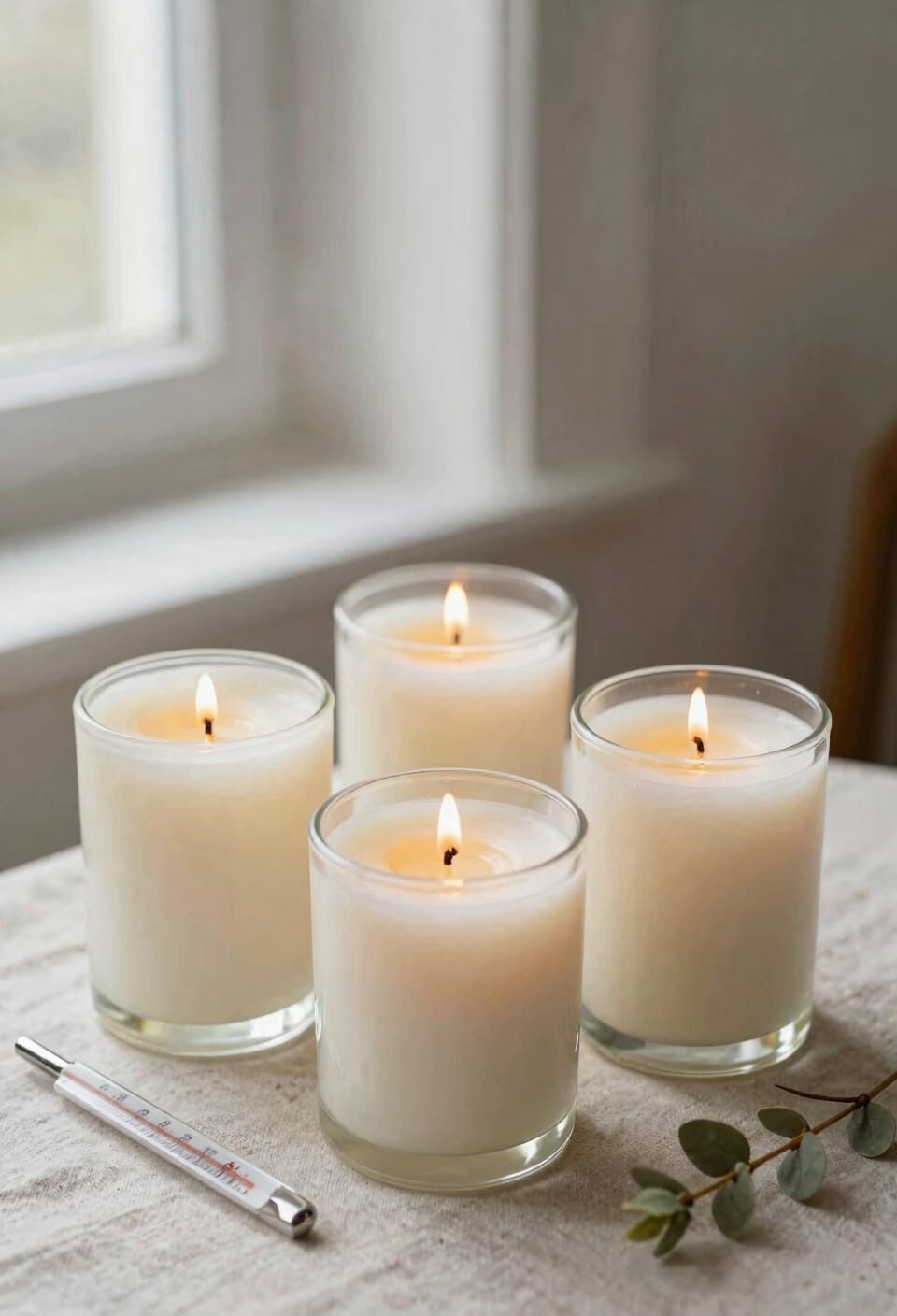
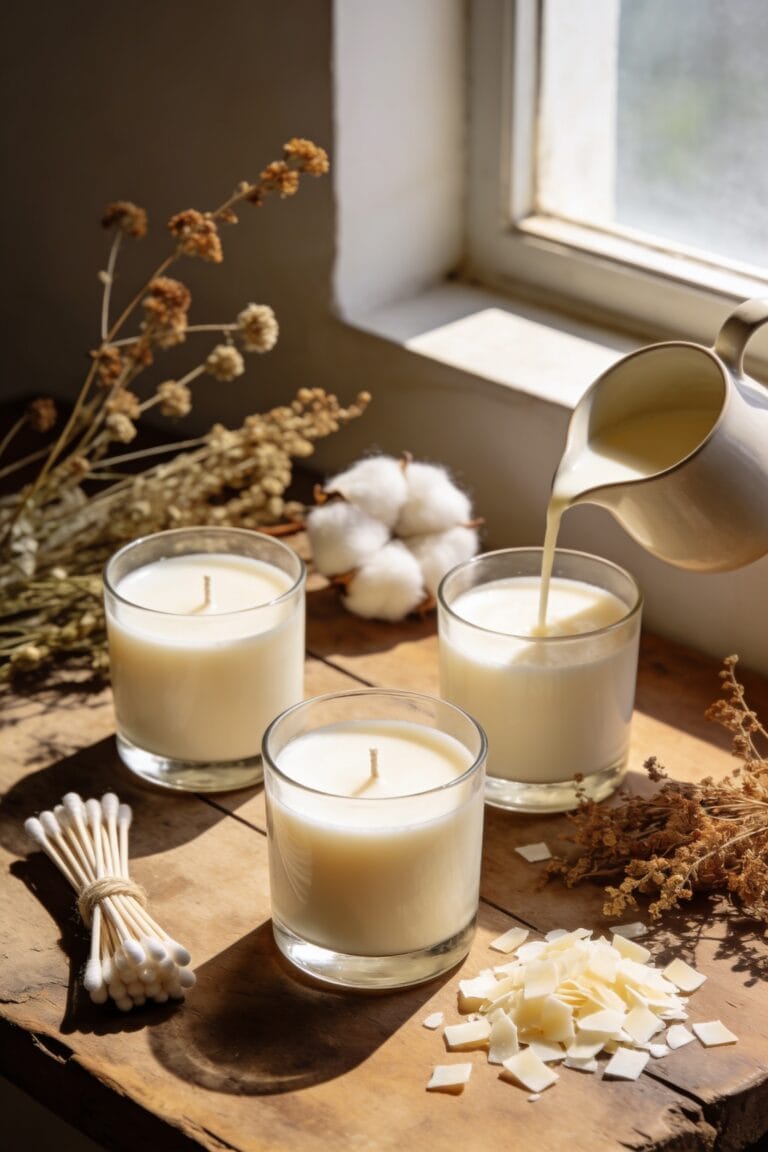
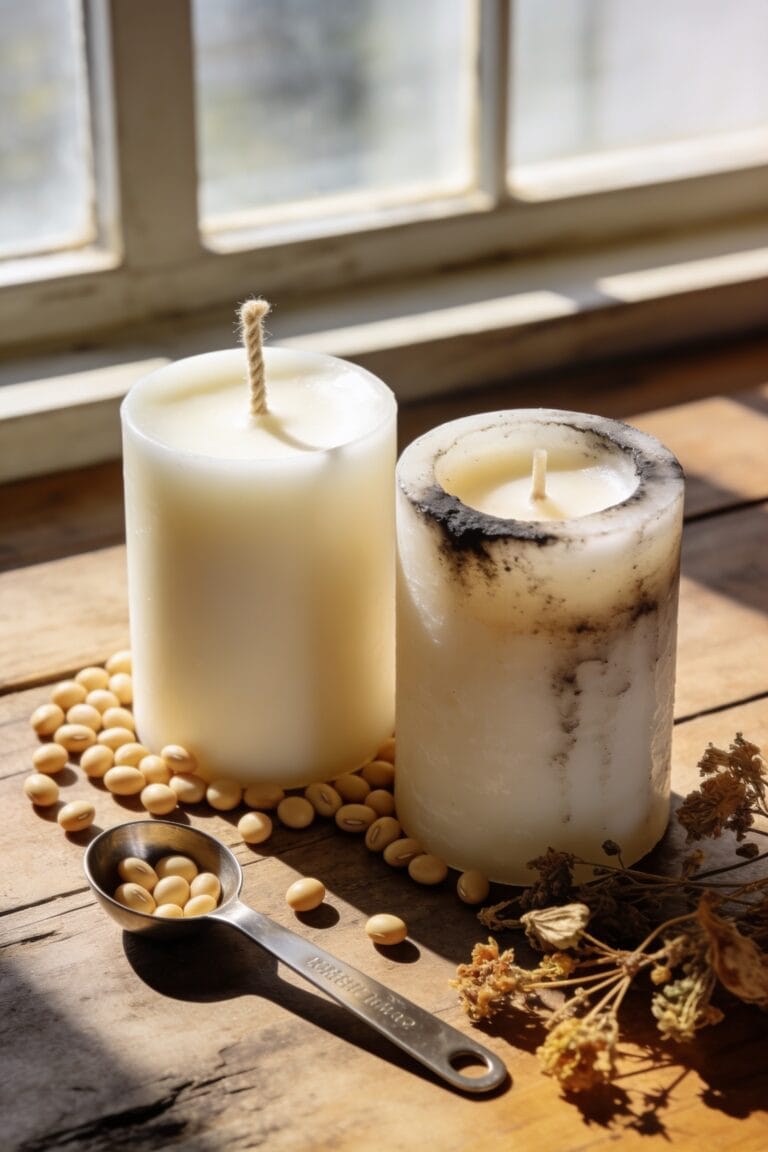
If you’ve ever bought two candles that looked identical but smelled completely different—or worse, one filled your entire room while the other barely scented your nightstand—wax type is probably the culprit. Here’s the thing: wax chemistry fundamentally changes how your candle performs. Soy wax has a lower melting point, which means fragrance oils evaporate more efficiently, giving you better scent longevity and stronger hot throw. Paraffin, derived from petroleum, burns hotter and faster but releases more soot and synthetic odors that can actually overpower the fragrance you paid for. Beeswax splits the difference—cleaner than paraffin, though pricier. The takeaway? Your wax choice isn’t just about sustainability; it directly impacts whether that candle actually works for your space.
Recommended Products


SCENT - Feu de Bois evokes fresh pine falling on curls of sandalwood & rare Virginia cedarwood. Smoky leather accords, frankincense & nuances of vanilla are tranquil and comforting.

MASSIVE 8" × 14" LUXURY CANDLE – 300 OZ OF NATURAL COCONUT SOY WAX Make a statement with this Classic Big Ass Candle—our largest candle. This luxury candle delivers bold presence, elegant style, and room-filling fragrance. Perfect as a centerpiece for living rooms, great rooms, and upscale spaces.
Cold Throw vs. Hot Throw in Scented Candles
The moment you walk into a candle aisle, you’re already experiencing cold throw—that immediate fragrance you catch before anything’s burning. It’s the scent diffusion happening without heat, pure fragrance oils doing their thing from the jar.
Hot throw’s different. Light that wick, and you’re waiting roughly fifteen minutes for the full aroma to develop. That’s when the melted wax carries oils upward, releasing them as vapors that travel through your space. The difference matters because cold throw sells candles, but hot throw determines whether you’ve actually wasted money.
Here’s the thing: ambient layering—how that scent builds and spreads—depends entirely on wax quality and fragrance concentration. Soy wax typically delivers stronger hot throw than paraffin. You’ll notice the gap quickly once you start paying attention.
Recommended Products

UNIQUELY HANDMADE: Perfect for a relaxing ambiance! Each scented candle is crafted from real wood, providing a unique and sustainable touch. Heart shape elevates aesthetic!

Wax Weight: 3,632 g/ 128.12 oz

MASSIVE 8" × 8" LUXURY CANDLE –150 OZ OF NATURAL SOY WAX Make a statement with this Baby Big Ass Candle—our smaller of the 2 two iconic oversized design. This luxury candle delivers bold presence, elegant style, and room-filling fragrance. Perfect as a centerpiece for living rooms, great rooms, and upscale spaces.
Why Soy and Beeswax Outperform Paraffin
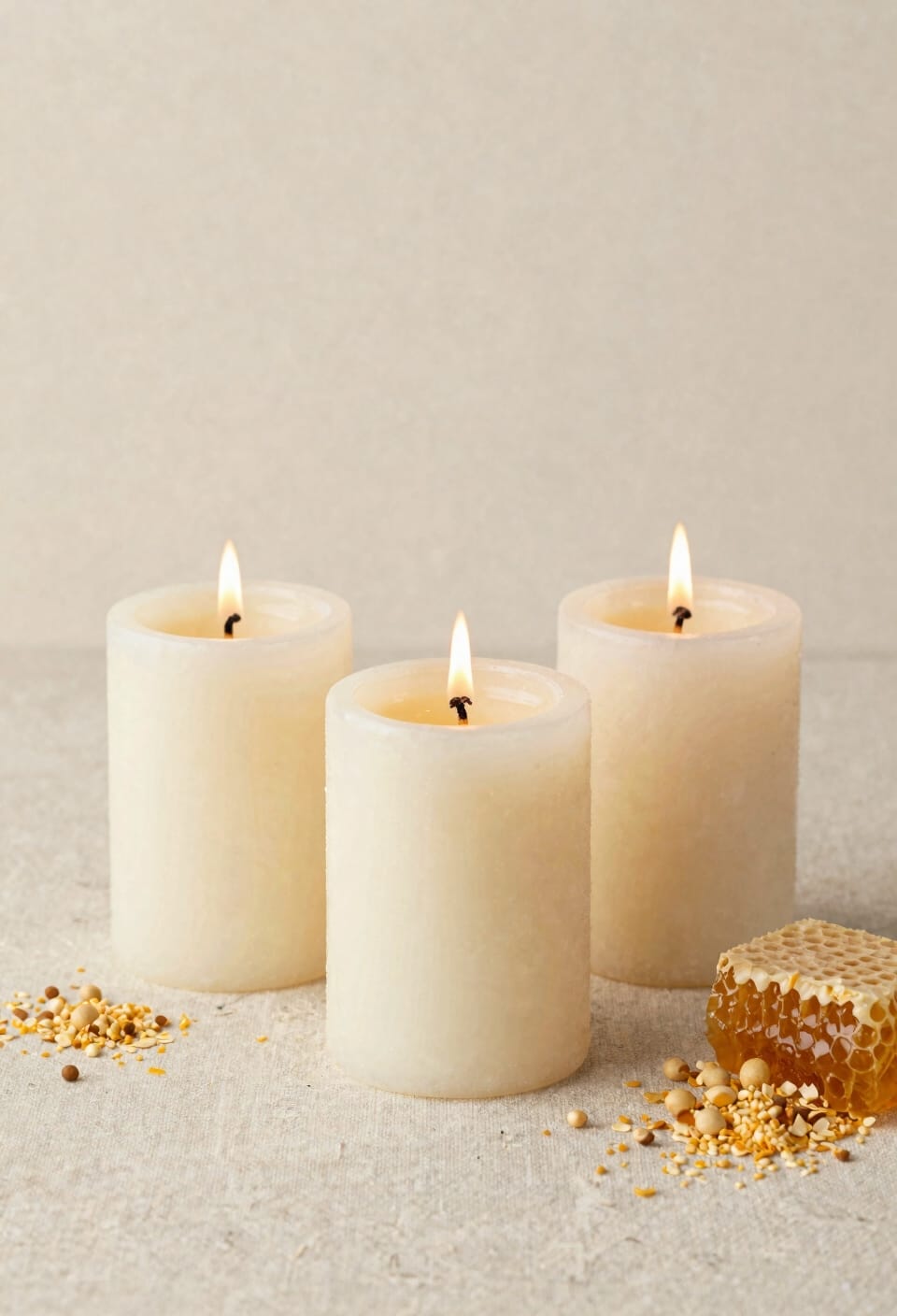
Once you start burning soy and beeswax candles side by side with paraffin, you’ll notice the difference isn’t subtle—it’s the gap between a candle that actually scents your room and one that just sits there looking pretty.
Here’s the thing: soy and beeswax have better wick chemistry. Their natural combustion burns cleaner and more efficiently, which means fragrance oils evaporate properly instead of getting wasted. Paraffin, derived from petroleum, tends to burn hot and fast, releasing soot and synthetic fumes that overpower the actual scent.
Soy’s lower melting point guarantees an even burn, letting oils disperse gradually. Beeswax? It burns longest and cleanest. You’re not just getting better scent throw—you’re breathing easier too.
Recommended Products

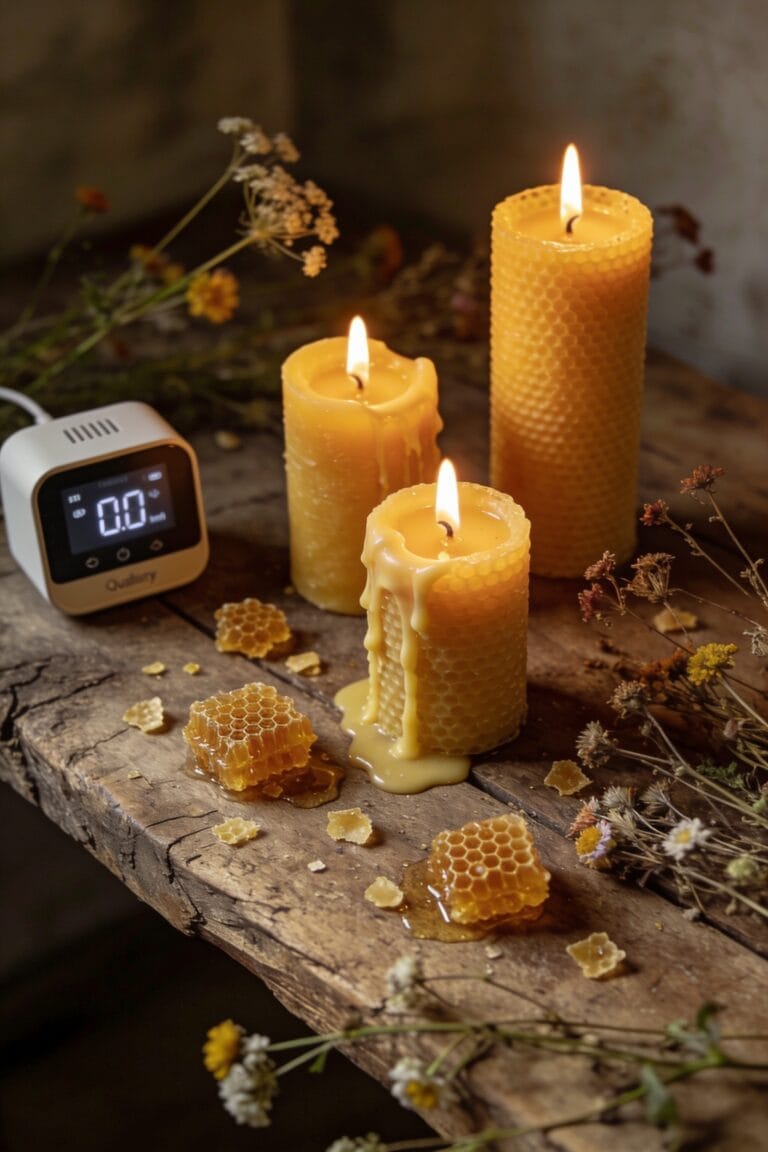
100% Pure Beeswax Candle: Hand-poured from naturally filtered beeswax for a rich, golden glow. These clean burning candles are free from paraffin, soy, and synthetic fragrances. Each 1-wick dripless pillar candle features natural cotton candle wicks and pure candle wax for a long-lasting burn and warm, cozy candle light.
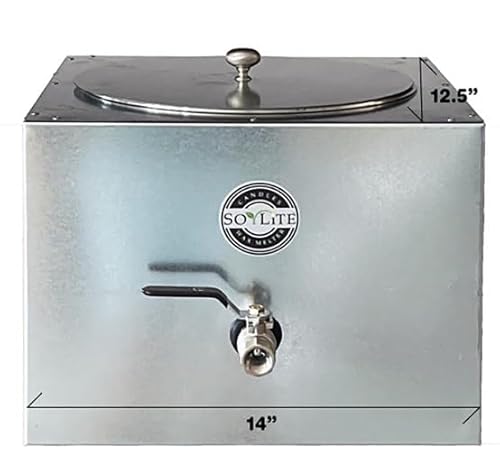
Profeshional wax melter for candle making, Effortlessly make large batches candles . No more messing with temperature control. This new wax melter automatically keeps wax around 180 to 190 degrees. Just simply add wax and turn on. If you are running a small business or handling a big custom order? SoyLite will help save you time.

TWENTY POUNDS of PREMIUM FLORIDA SPRING BLOSSOM BEESWAX: 100% Natural, clean burning, sweet floral, with the honey-like fragrance typically associated with beeswax, cosmetic ready and suitable for food contact. Our pure beeswax bars are perfect for a wide variety of applications. Packaged in a one-pound bars (5″ x 3.5" x 1.75").
Can Scented Candles Actually Improve Sleep and Mood?
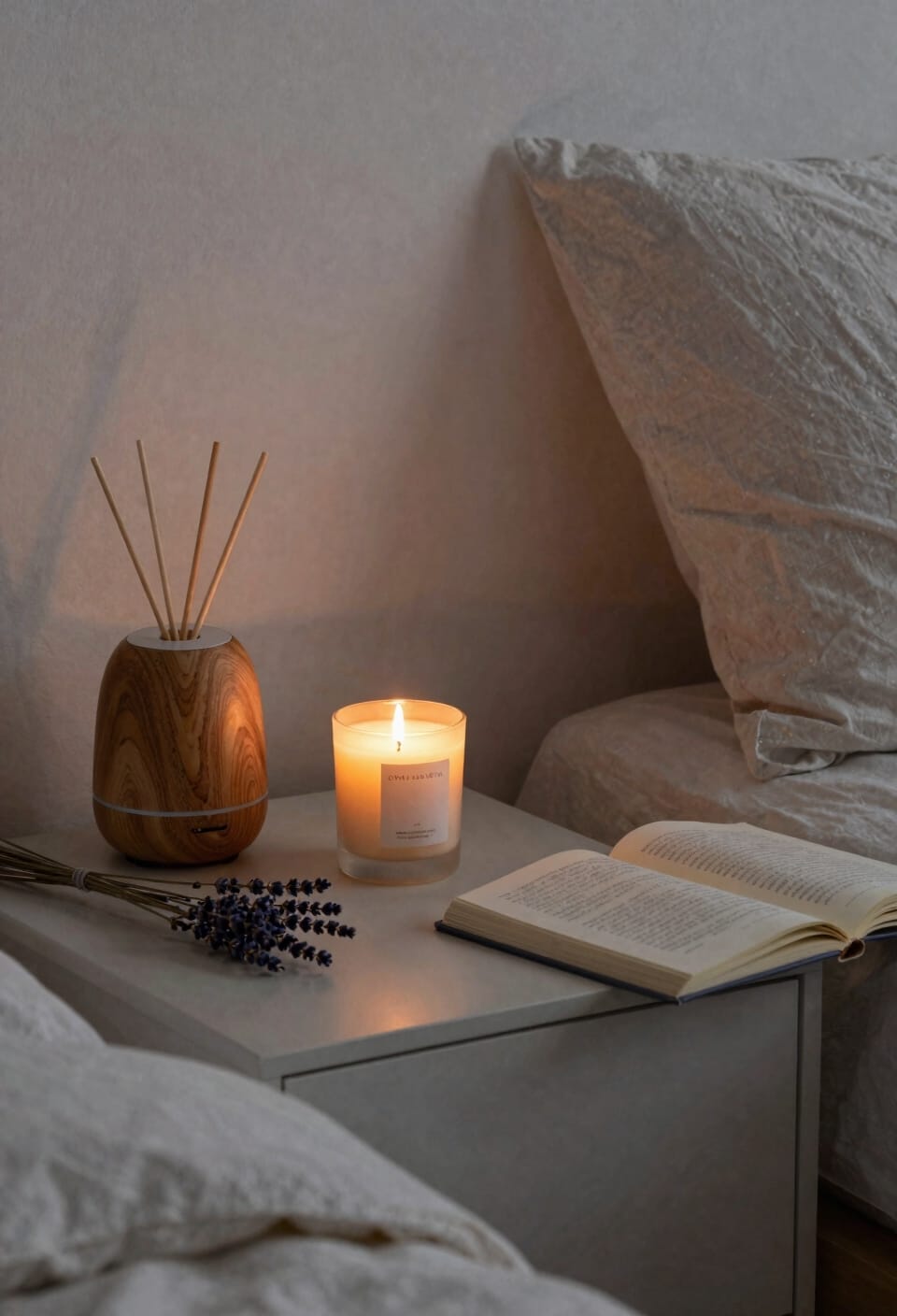
Beyond just making your room smell nice, scented candles might actually be doing something for your head—and I don’t mean it in a mystical way. Research on aromatherapy mechanisms shows that certain scents genuinely influence your nervous system. Sleep studies have found that lychee-scented soy candles improved sleep quality after four weeks of use. Essential oils in high-quality candles can reduce anxiety and depression symptoms through actual chemical pathways, not placebo.
Now, here’s the catch: you need the right candle. Soy and beeswax with genuine essential oils work better than paraffin with synthetic fragrances. Those synthetics contain phthalates that can actually worsen mood and trigger headaches. So yes, scented candles can help your sleep and mood—but only if you’re burning the good stuff in a well-ventilated space.
Synthetic Fragrances in Scented Candles: Hidden Health Risks
While you’re browsing the candle aisle looking for something that’ll make your bedroom smell like a spa, you’re probably not thinking about the synthetic fragrances hiding in that pretty jar—but I’d argue you should be. Here’s the thing: synthetic phthalates in many commercial candles can trigger endocrine disruption, potentially affecting hormones and reproductive health. That “lavender vanilla” scent? Often made with fragrance allergenicity compounds that provoke unwanted immune responses—headaches, watery eyes, respiratory irritation. Your body’s literally fighting back. The problem compounds when you’re burning these candles regularly in poorly ventilated rooms. Not all fragrances are created equal, though. Natural essential oil candles avoid these synthetic nasties entirely. Check labels carefully before buying.
Spotting a Quality Candle: What Actually Matters
Now that you know what to avoid—those synthetic fragrances lurking in mass-market candles—let’s talk about what actually separates a candle worth burning from one that’ll sit in your closet gathering dust. Start with wick construction: quality candles use braided wicks that burn evenly without tunneling or excessive soot. Check packaging transparency—legitimate makers list their wax type, oil concentration, and burn time upfront. They’re not hiding behind vague marketing speak. Soy or beeswax with essential oils? That’s your baseline for quality. Look for candles that disclose their ingredients. You’re paying for transparency as much as fragrance. Skip anything that won’t tell you what’s actually inside. That’s usually the first sign you’re wasting money.
Recommended Products

All-In-One Starter Kit – Everything you need to dive into candle making! Our Etienne Alair soy candle wax for candle making includes 50 lbs of smooth soy wax flakes, 100 cotton wicks, 100 adhesive stickers, and 2 centering tools. Perfect for beginners or seasoned DIYers.

Warm Vanilla Sugar Fragrance Oil - A yummy combination of sweet brown sugar, buttery vanilla with a soft undertone of musk.

French Vanilla Fragrance Oil - Tempting, delicious, rich & creamy with a buttery vanilla scent
Safe Burning Practices to Minimize Chemical Exposure
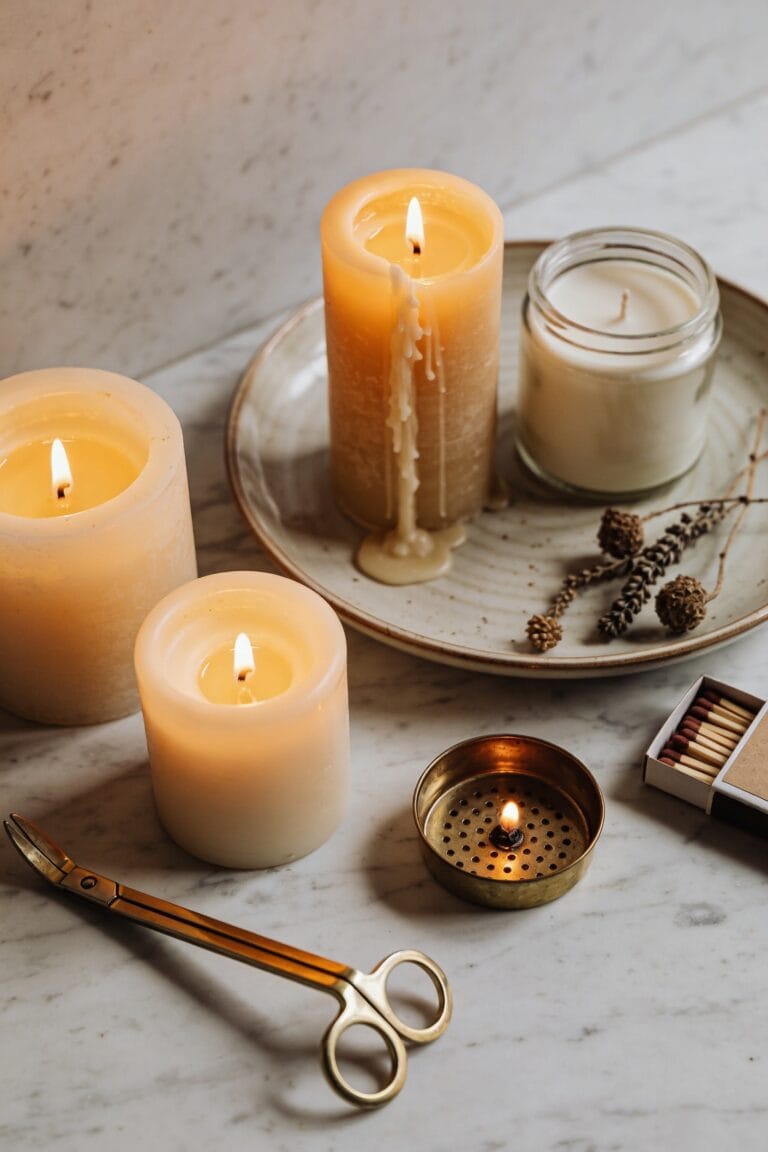
Even the highest-quality soy candle with pure essential oils can turn into a health liability if you’re not burning it thoughtfully—and I learned this the hard way after spending a winter with my bedroom windows sealed shut and a three-wick candle burning for eight hours a day. Here’s what actually matters: crack a window or door, seriously. Your ventilation tips don’t need to be fancy; just keep air moving through the room. Trim your wick to a quarter-inch before each burn—wick trimming prevents excessive soot and make certain even melting. Limit burn time to four hours maximum. Air out your space after you’re done. Follow the manufacturer’s instructions. These simple habits transform candles from potential indoor polluters into something you can genuinely enjoy without worry.
Recommended Products
This is a genuine OEM (Original Equipment Manufacturer) part
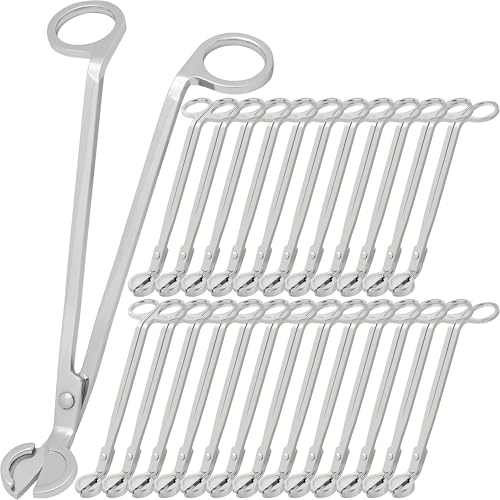
Pick Your Favorite Finish: No matter your interior design preference, we have a wick trimmer tailored for you. Choose from Black, Gold, Rose Gold, Silver, Brushed Gold, and Brushed Copper to complement your candles, decor, and gifting style

When Scented Candles Aren’t Worth the Investment
If you’ve ever dropped $35 on a luxury candle only to find it smells like nothing after the first week, you’re not alone—and that’s actually the moment to ask yourself whether scented candles deserve real estate in your budget at all. Budget candles often perform just as well as premium versions, especially soy varieties with decent essential oil concentrations. The real question isn’t whether expensive always means better—it’s whether you actually need scented candles at all. If you’re burning them constantly to mask odors, you’re fighting a losing battle. Consider minimalist gifting alternatives instead: a quality diffuser, fresh flowers, or simply opening windows. Your wallet—and your lungs—might thank you.
Frequently Asked Questions
How Long Does a Scented Candle Typically Last Before Needing Replacement?
I’d say most scented candles last 25-40 hours of burn time, depending on size and wax quality. You’ll extend that lifespan by trimming your wick to a quarter-inch before each use, preventing excessive burning and waste.
What’s the Difference Between Essential Oil and Fragrance Oil Candles?
I’ll dial up the differences for you. Essential oil candles use natural plant-based sourcing for authentic scents, while fragrance oil candles rely on synthetic aroma chemistry. Natural oils provide cleaner burning without phthalates.
Can Scented Candles Trigger Allergies or Asthma in Sensitive Individuals?
Yes, I’ve found scented candles can definitely trigger allergies or asthma. Synthetic fragrances release airborne irritants like phthalates that cause respiratory reactions in sensitive individuals. I’d recommend choosing essential oil candles instead.
How Should I Store Scented Candles to Maintain Their Fragrance Quality?
I’d argue that storage makes or breaks your candle’s lifespan. Keep yours in cool, dark cabinets with temperature control and airtight containers—this prevents fragrance evaporation and maintains that scent throw you’re paying for.
Do Scented Candles Work Better in Larger or Smaller Rooms?
I’d say scented candles work better in smaller rooms where scent throw concentrates more effectively. Ceiling height and candle placement matter too—lower ceilings trap fragrance better, while strategic positioning maximizes your aroma’s reach.
Conclusion
Look, scented candles aren’t magic—they’re more like a seasoning for your space. Do they work? Sure, if you pick the right one. Quality matters: decent wax, proper wick, realistic expectations about throw. You’ll waste money on duds, but that’s how you learn what actually makes your home smell intentional instead of just… lit. Start smart, burn better.