As an Amazon Associate, we earn from qualifying purchases. Some links on this site are affiliate links at no extra cost to you. Our recommendations are based on thorough research and editorial judgment.

Are Soy Candles Non-Toxic? The Full Picture

Soy candles aren’t toxin-free, but they’re genuinely safer than paraffin—if you know what to actually look for. Here’s the thing: fragrance matters way more than wax type. Synthetic fragrances hide phthalates and endocrine disruptors, while even 100% soy can still emit harmful particles. Real safety requires pure soy, unbleached cotton wicks, essential oils, and transparent ingredient lists. Most brands bank on you not knowing this difference. Stick around to discover exactly what makes a soy candle actually worth burning.
Key Takeaways
- Soy wax alone doesn’t guarantee safety; fragrance chemistry poses the primary toxicity risk, not wax type.
- Synthetic fragrances contain phthalates and endocrine disruptors; essential oil candles produce fewer harmful by-products when burned.
- Mass-produced soy candles often use blends with paraffin, hexane processing residues, and treated wicks that reintroduce toxins.
- Truly safe soy candles require 100% pure wax, unbleached cotton wicks, essential oils, and transparent ingredient disclosure.
- Red flags include vague labeling, unverified “natural” claims, opaque sourcing, and brands unwilling to disclose processing methods.
Soy Candles: Safer Than Paraffin, Not Toxin-Free
All right, here’s the thing—I’ve burned through enough candles to know that “soy” on the label doesn’t automatically mean you’re breathing in pure, harmless air. Soy candles are genuinely safer than paraffin, releasing far fewer toxic particles and volatile organic compounds. But here’s where it gets tricky: soy sourcing matters enormously, and most mass-produced soy candles get blended with paraffin anyway, which defeats the whole purpose. Through burn testing, I’ve discovered that even 100% soy candles release some emissions. Your real protection comes from hunting down pure soy paired with essential oils, unbleached cotton wicks, and transparent ingredient lists. It’s the total package that counts, not just the wax type alone.
Why Fragrance Matters More Than Wax Type
Now here’s where I need to be straight with you: I could spend all day comparing wax types, but the fragrance you choose matters infinitely more than whether you’re burning soy or paraffin.
Fragrance chemistry is where the real toxicity risk lives. Synthetic fragrance oils—labeled simply as “fragrance” or “parfum”—often contain phthalates and endocrine-disrupting chemicals that no wax choice can protect you from. Meanwhile, your scent perception of a heavily fragranced candle might trigger headaches or respiratory irritation, signals that you’re inhaling unnecessary synthetic compounds.
Essential oil candles produce fewer harmful by-products when burned. The wax matters, sure. But if you’re buying soy with synthetic fragrance, you’re getting false security while inhaling the actual problem.
Hidden Toxins: Processing and Additives That Sneak In
Even when you’ve picked 100% pure soy wax and splurged on essential oils, the processing methods and hidden additives lurking in your candle can still undermine everything you thought you were buying. Hexane and bleaching agents commonly strip and process that soy wax, leaving chemical residues you can’t see. Mass-produced brands often cut corners with soy-paraffin blends, reintroducing the very toxins you’re trying to avoid. Then there’s the wick—bleached, treated, or containing metal cores if sourcing isn’t transparent. Your best defense? Demand supply transparency from brands. Ask what solvents they use. Check if they bleach their wicks. Reputable companies disclose this stuff because they’ve got nothing to hide.
Recommended Products

SCENT - Feu de Bois evokes fresh pine falling on curls of sandalwood & rare Virginia cedarwood. Smoky leather accords, frankincense & nuances of vanilla are tranquil and comforting.

SIGNATURE FRAGRANCE – HIGHRISE: Red currant, velvet plum & amber come together in this sophisticated blend, an elegant, uplifting fragrance that quickly fills large spaces. Noticeable yet never overpowering for daily ambiance

BRIGHT, MOOD-BOOSTING FRAGRANCE EXPERIENCE - Discover the essence of pure joy as the bright harmony of yuzu uplifts your spirit. Allow the warmth and vibrancy of the red ginger to invigorate you as the comforting trail of lily, white woods, and musk wraps you in a cocoon of pure bliss.
How Soy Compares to Paraffin, Beeswax, and Coconut Wax

Knowing what’s actually in your candle’s wax is one thing—but figuring out which wax type gives you the safest, cleanest burn is another challenge entirely. So here’s where soy stacks up. Soy candles rank highest for producing the least harmful emissions when burned, releasing less than 5 micrograms per gram of volatile organic compounds compared to paraffin‘s markedly higher output. That matters for your lungs over time. Beeswax and coconut wax also outperform paraffin, though they’re pricier. Soy offers soy durability and decent scent throw without breaking the bank. The catch? You’re only getting those benefits with 100% pure soy—not blends that sneak paraffin back in. Honestly, the wax itself matters less than what’s mixed into it.
Recommended Products

MASSIVE 8" × 14" LUXURY CANDLE – 300 OZ OF NATURAL COCONUT SOY WAX Make a statement with this Classic Big Ass Candle—our largest candle. This luxury candle delivers bold presence, elegant style, and room-filling fragrance. Perfect as a centerpiece for living rooms, great rooms, and upscale spaces.

MASSIVE 8" × 8" LUXURY CANDLE –150 OZ OF NATURAL SOY WAX Make a statement with this Baby Big Ass Candle—our smaller of the 2 two iconic oversized design. This luxury candle delivers bold presence, elegant style, and room-filling fragrance. Perfect as a centerpiece for living rooms, great rooms, and upscale spaces.

Candles Gift Set: 100 scented candles in 10 fragrance varieties with 10 candles of each scent, including lavender, blueberry, lychee white tea, white tea orchid, rose sandalwood and more; Multiple fragrance options help satisfy different scent preferences for daily and gifting
What Actually Makes a Soy Candle Safe

Since you’ve picked soy wax over paraffin, you’re already halfway there—but the wax alone won’t save you from a toxic candle. What actually matters is ingredient sourcing. You need 100% pure soy wax, not those sneaky blends that reintroduce paraffin toxins. Your wick should be unbleached cotton or wood, not metal-cored pretenders. Then there’s fragrance—essential oils beat synthetic “parfum” labels every time, though honestly, I’d verify through burn testing before committing to a full-size candle. Check for transparent labeling and skip anything with dyes or stiffeners. Reputable brands disclose everything. The truth? A genuinely safe soy candle requires careful sourcing at every step, not just one good choice at the wax stage.
Recommended Products

Elegant Rose Design: Handcrafted rose shaped soy wax candles topped with real dried flowers — perfect for weddings and romantic events.

Safer Ambience for Everyday Moments: Our sand wax candle design with self-extinguishing sand candle wicks minimizes fire risk if tipped and prevents hot wax spills; ideal for homes with pets or kids that won’t renounce stylish décor, offered in White, Red, Nude, and Black for cozy luxury

100% Pure Beeswax Candle: Hand-poured from naturally filtered beeswax for a rich, golden glow. These clean burning candles are free from paraffin, soy, and synthetic fragrances. Each 1-wick dripless pillar candle features natural cotton candle wicks and pure candle wax for a long-lasting burn and warm, cozy candle light.
Red Flags That Signal a Brand Isn’t Trustworthy
Look, I’ve thrown away enough money on candles with pretty labels and absolutely nothing behind them to spot the warning signs from a mile away. Red flags start with misleading certifications—if a brand claims “natural” or “eco-friendly” without legitimate third-party verification, that’s your cue to keep scrolling. Opaque sourcing is another killer. You should know where their soy comes from, whether their wicks are genuinely cotton, and how they’re sourcing fragrance oils. Vague ingredient lists? Run. Brands hiding behind “fragrance blend” instead of listing actual components don’t deserve your trust. If they won’t tell you what’s burning in your home, they’re cutting corners somewhere—probably on quality, likely on your health.
Recommended Products

LUSH RAINFOREST SCENTED CANDLE — Sacred Breu resin, Brazilian Vetiver oil, wild jungle flora, and crushed cypress root come together in a fragrance that stops you the moment you walk through the door — transportive, complex, and utterly unforgettable
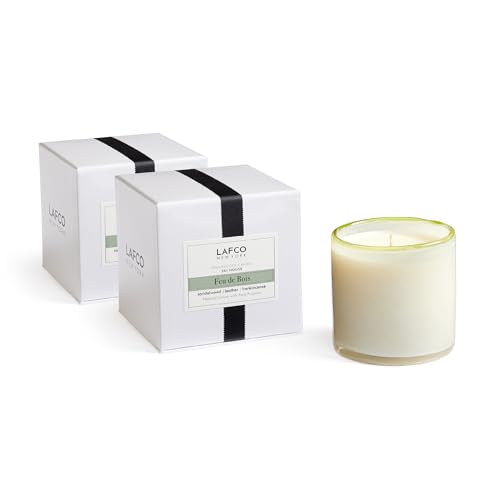
SCENT - Feu de Bois evokes fresh pine falling on curls of sandalwood & rare Virginia cedarwood. Smoky leather accords, frankincense & nuances of vanilla are tranquil and comforting.

The information below is per-pack only
Cut Candle Emissions: Wick Trimming and Ventilation
Most people never think about their wick until something goes wrong—the candle’s smoking like a chimney, soot’s building up on the ceiling, and suddenly that “non-toxic” soy candle doesn’t feel so innocent anymore.
All right, here’s what I’ve learned: trim techniques matter more than you’d think. Keep your wick between 5-10 millimeters before each burn. Longer wicks create excessive smoke and soot buildup, which undermines every safety benefit soy wax offers.
Now, airflow strategies are equally vital. Burn your candle in well-ventilated spaces—open a window or crack a door if you’re burning for extended periods. Stagnant air traps emissions around you, accumulating respiratory damage over time. These two practices? They’re your best defense against turning a quality candle into an indoor air problem.
Recommended Products

This is a genuine OEM (Original Equipment Manufacturer) part

Pick Your Favorite Finish: No matter your interior design preference, we have a wick trimmer tailored for you. Choose from Black, Gold, Rose Gold, Silver, Brushed Gold, and Brushed Copper to complement your candles, decor, and gifting style

Frequently Asked Questions
Can Soy Candles Trigger Allergies or Asthma Symptoms in Sensitive Individuals?
Yes, soy candles can trigger allergies or asthma symptoms in sensitive individuals. I’d recommend avoiding heavily fragranced options, as scent sensitivity and respiratory irritation are common culprits. Choose unscented varieties or those with essential oils instead.
How Long Can I Safely Burn Soy Candles Daily Without Health Risks?
I’d recommend limiting daily burning to 3-4 hours maximum. You’ll want proper ventilation importance during use—it’s essential for reducing emissions. The safe duration depends on your room’s airflow and sensitivity levels.
Are Soy Candles Safe to Use Around Babies, Pets, or Pregnant Women?
I’d recommend exercising caution rather than assuming complete safety. While soy’s pet safe wax composition helps, you’ll need proper nursery ventilation for babies and pregnant women. Synthetic fragrances pose the greatest concern for vulnerable populations.
What’s the Difference Between “Fragrance” and “Parfum” Labels on Soy Candles?
I’d say both “fragrance” and “parfum” indicate synthetic vs natural ingredients—they’re fundamentally interchangeable labels hiding what’s inside. Neither tells you if you’re getting pure essential oils or chemical blends, so transparent label interpretation matters most for your safety.
How Do I Know if a Soy Candle Brand Uses Hexane in Production?
I’d look for brands displaying third-party testing certifications on their labels. Reputable companies transparently disclose they’re using solvent alternatives to hexane, like cold-pressing or mechanical extraction methods in production.
Conclusion
Look, soy candles aren’t magically toxin-free—but they’re genuinely safer than paraffin when you choose wisely. So here’s what really matters: skip the marketing hype and focus on what’s actually in your candle. Check those ingredient lists, trim your wicks, and crack a window. Want the healthiest burn? Pick brands transparent about their fragrance oils and additives. You’ve got this.