As an Amazon Associate, we earn from qualifying purchases. Some links on this site are affiliate links at no extra cost to you. Our recommendations are based on thorough research and editorial judgment.

Are Scented Candles Toxic? What the Research Shows

All right, here’s the thing—scented candles do release volatile organic compounds, and paraffin wax burning in poorly ventilated rooms produces formaldehyde and toluene that genuinely concern researchers. You’re looking at roughly three times more VOCs from scented versus unscented candles, and chronic exposure triggers inflammation markers and oxidative stress in your lungs. Lead-core wicks add another layer of risk. That said, the actual danger level depends heavily on ventilation, candle type, and how often you’re burning them—which is exactly why the specifics matter.
Key Takeaways
- Scented candles emit roughly 60 VOCs and combustion byproducts like formaldehyde and benzene, which concentrate in poorly ventilated spaces.
- Chronic exposure to paraffin candle fumes is linked to inflammatory responses, oxidative stress, and potential urothelial cancer development over time.
- Nanoparticles from scented candles penetrate deep into lungs, causing chronic fibrosis, epithelial degeneration, and respiratory damage more severe than unscented candles.
- Lead-core wicks release hazardous lead levels that disrupt hormones and cause behavioral and learning problems, particularly in children.
- Mitigation strategies include opening windows for ventilation, limiting candle use, choosing soy or beeswax alternatives, and pairing use with HEPA air purifiers.
What VOCs Are Released by Scented Candles?
When you light a scented candle, you’re not just releasing that lovely vanilla or lavender fragrance into your room—you’re also releasing a complex cocktail of volatile organic compounds, or VOCs, that your lungs are inhaling right along with the pleasant aroma. Research shows scented candles emit roughly 60 different VOCs compared to just 20 from unscented varieties. Those synthetic fragrances? About 95 percent derive from petroleum and contain benzene derivatives. The real concern happens in your indoor chemistry: formaldehyde, toluene, and polycyclic aromatic hydrocarbons like naphthalene get released, especially from cheaper paraffin wax. Paraffin candles are particularly problematic because combustion amplifies emissions. Look, knowing what’s actually burning matters when you’re breathing it daily.
Carcinogenic Compounds Released by Scented Candles
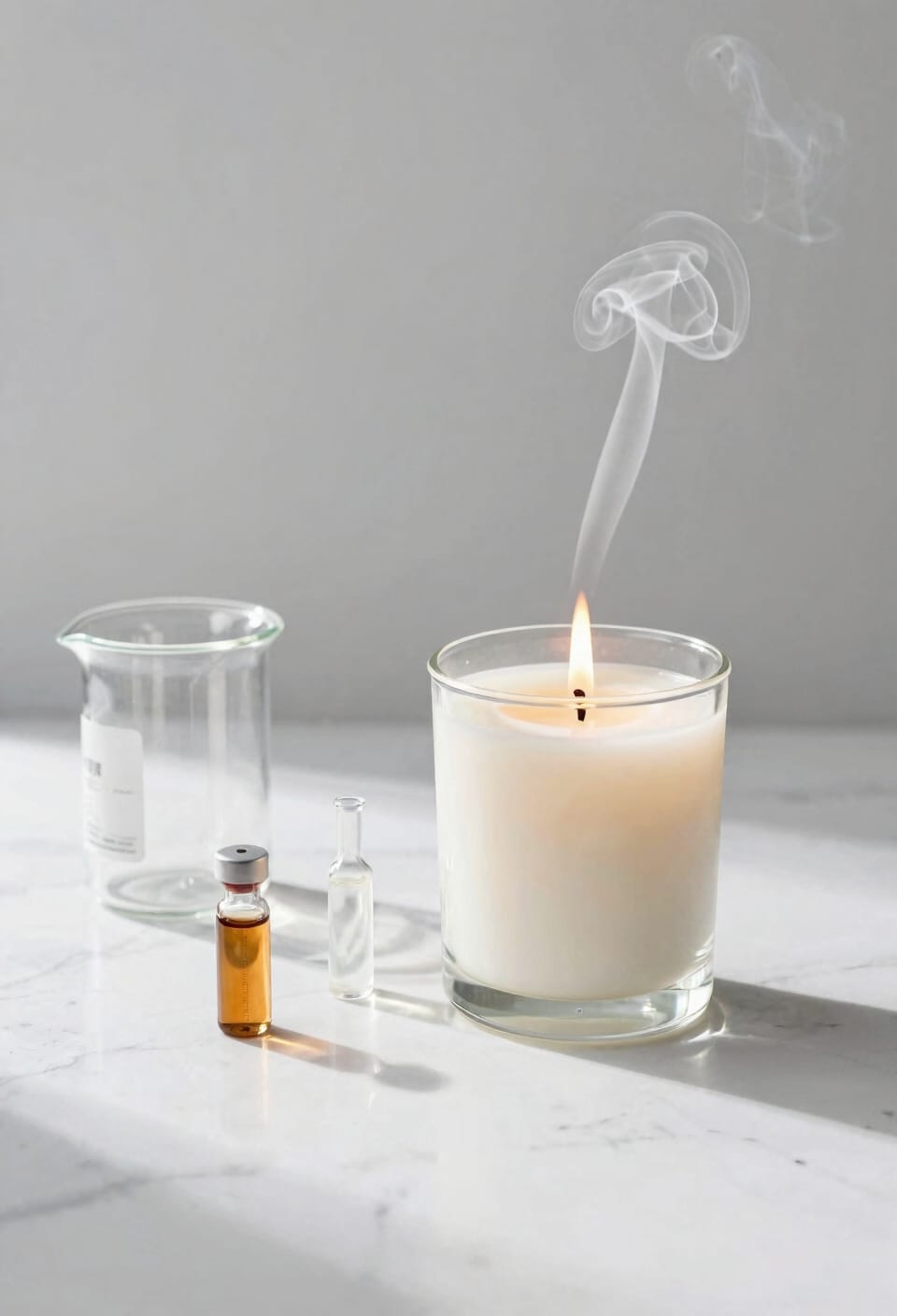
Beyond those VOCs I just mentioned, there’s a darker layer to what’s burning in your candle—one that goes beyond irritation and inflammation. Research has identified polycyclic aromatic hydrocarbons (PAHs) like naphthalene, anthracene, and pyrene in candle fumes, and these compounds carry carcinogenic potential. Here’s where paraffin combustion becomes especially concerning: cheaper paraffin wax candles release formaldehyde and synthetic benzene derivatives in significant quantities. About 95% of synthetic perfume chemicals originate from petroleum anyway, which amplifies this problem. The kicker? These carcinogenic compounds accumulate in poorly ventilated spaces. While individual candle use might seem low-risk, chronic exposure—burning scented candles daily for years—has been linked to potential urothelial cancer development. It’s not alarmism; it’s chemistry.
Recommended Products

SCENT - Chamomile Lavender features lavender with warm & enveloping bergamot. Calming chamomile melts into a heart of eucalyptus to create a feeling of well-being. Smoky patchouli is enhanced by hints of sage & rosemary for a quiet, relaxing finish.

MASSIVE 8" × 14" LUXURY CANDLE – 300 OZ OF NATURAL COCONUT SOY WAX Make a statement with this Classic Big Ass Candle—our largest candle. This luxury candle delivers bold presence, elegant style, and room-filling fragrance. Perfect as a centerpiece for living rooms, great rooms, and upscale spaces.

UNIQUELY HANDMADE: Perfect for a relaxing ambiance! Each scented candle is crafted from real wood, providing a unique and sustainable touch. Heart shape elevates aesthetic!
How Scented Candles Trigger Inflammation and Immune Responses?

As those VOC-laden fumes settle into your lungs, your immune system doesn’t just shrug and move on—it mounts a full-scale inflammatory response that’s actually measurable in your blood. Studies show that chronic scented candle exposure elevates TNF-α and IL-6 cytokine levels, signaling your body to treat those fragrance chemicals as threats. Here’s the thing: scented candles produce markedly higher cytokine concentrations than unscented ones, with peak inflammation markers appearing after just six hours of daily exposure.
What’s happening underneath is oxidative stress—those VOCs generate harmful free radicals that damage your cells. You’re not imagining the headaches, throat irritation, or chest tightness. Your immune signaling is literally working overtime, triggering inflammatory infiltration that can compromise lung tissue over time. That’s not trivial.
How Chronic Scented Candle Exposure Damages Lungs?
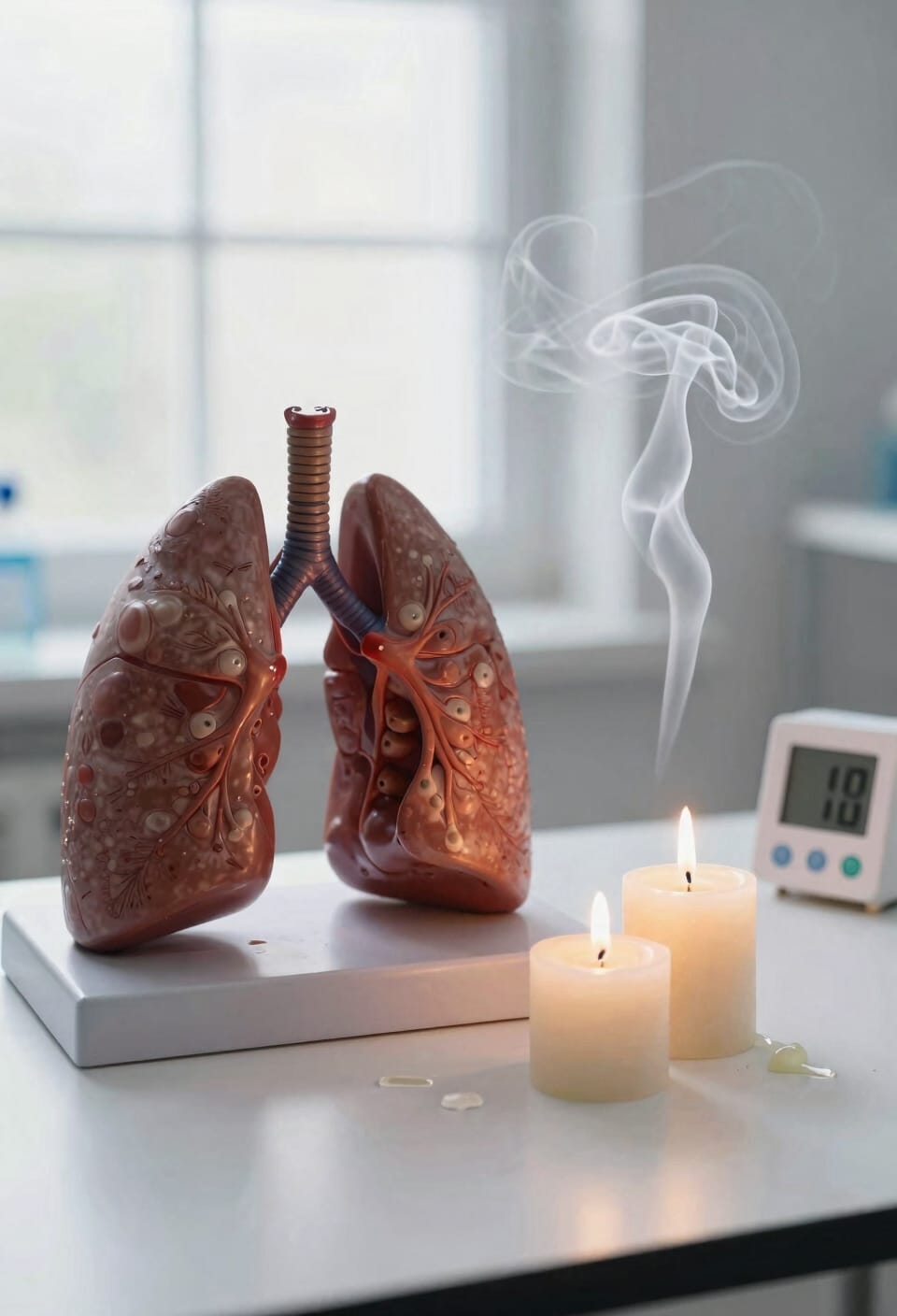
If you’ve been burning scented candles daily without much thought, here’s what’s actually happening inside your respiratory system: those VOCs don’t just trigger inflammation and then disappear. They’re accumulating. Histopathological studies show chronic fibrosis developing in lung tissue—that’s scarring—alongside epithelial degeneration and inflammatory infiltration. The oxidative stress compounds over time, effectively wearing down your lungs’ defensive mechanisms. Look, scented candles hit harder than unscented ones, causing more severe respiratory damage even at shorter exposure durations. One documented case involved exogenous lipoid pneumonia in a woman from vaporized paraffin alone. You’re risking chronic bronchitis, respiratory infections, and potentially exacerbated cardiovascular conditions. All right, the takeaway: daily burning in poorly ventilated spaces isn’t benign. Your lungs don’t bounce back instantly. Choose unscented alternatives or drastically limit exposure.
Recommended Products

100% Pure Beeswax Candle: Hand-poured from naturally filtered beeswax for a rich, golden glow. These clean burning candles are free from paraffin, soy, and synthetic fragrances. Each 1-wick dripless pillar candle features natural cotton candle wicks and pure candle wax for a long-lasting burn and warm, cozy candle light.
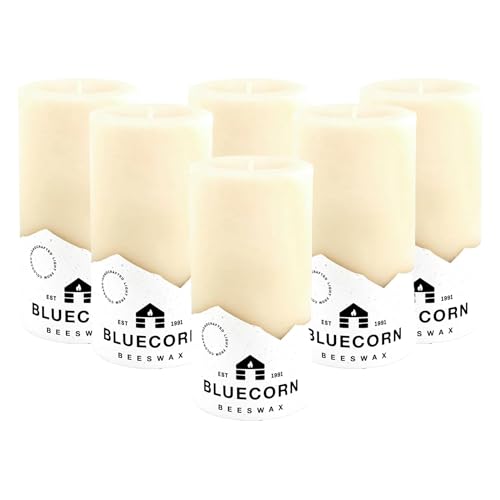
100% Pure Beeswax Candles — Non Toxic & Hypoallergenic: Hand-poured from naturally filtered beeswax for a truly unscented, hypoallergenic white beeswax candle. Each pure beeswax candle features a cotton wick for a clean, dripless burn, completely free from paraffin, soy and synthetic fragrances. A natural, non toxic candle alternative that adds warm, cozy candlelight to any setting.

100% Pure Beeswax Votives: Hand-poured from naturally filtered beeswax, these small candles offer a warm, golden glow and clean, natural candlelight for cozy evenings, holiday gatherings, or everyday home decor
Why Lead-Core Wicks Create Additional Health Risks?

While we’ve covered the respiratory damage from VOCs and combustion byproducts, there’s another toxic culprit hiding in plain sight—one that’s been lurking in candle wick construction for decades.
Look, lead-core wicks are a real problem. The Consumer Product Safety Commission found that candles with lead-core wicks release five times the amount of lead considered hazardous for children. That’s not a minor concern—we’re talking EPA pollution standards exceeded for outdoor air, indoors where you’re breathing it.
Lead contamination from burning candles disrupts hormones, causes behavioral problems, and damages learning abilities. Here’s what matters: wick regulation remains inconsistent. Always check your candle’s label. If it doesn’t specify lead-free wicks, skip it. Your lungs—and your kids’—deserve better.
Recommended Products

Ocean Elegance - This stunning octopus candelabrum adds a touch of marine beauty to your tablescape.

Product 1: 2/3-gallon stainless steel tank dispenses up to 60-cups of water per hour (recommend 30-125 psi)
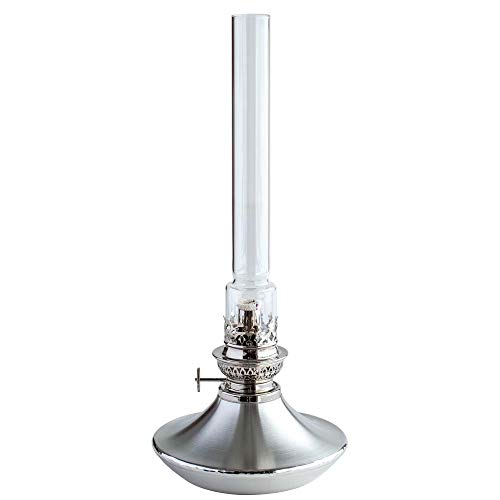
Danforth Cape Oil Lamp: Old world metal work meets modern design; The base of each lamp is 6 in in diameter and handspun on a 100 year old lathe in Vermont using 100% lead free pewter creating a satin finish; Each lamp is approximately 14 1/2 in tall with hand-blown glass chimney
Why Independent Studies Reveal Greater Scented Candle Risks?
The candle industry loves to tell you that everything’s fine, that peer-reviewed studies prove scented candles are totally safe under normal use—but you should know those studies often come with some pretty obvious strings attached. Look, when researchers have ties to manufacturers like SC Johnson or Procter & Gamble, their conclusions about safety carry less weight than independent findings suggest. That’s where regulatory gaps create real problems. South Korean universities found scented candles emit potent VOCs indoors, while industry-funded research downplayed the same risks. Consumer perception gets shaped by who’s funding the research. Independent studies document inflammation markers, oxidative stress, and actual lung pathology. You’re not paranoid for questioning official reassurances—you’re just reading between the lines.
Why Wax Melts Aren’t Safer Alternatives?
Now, here’s where a lot of people get tripped up: they see “wax melt” on the label and assume it’s automatically the safer play compared to a burning candle—no flame, no smoke, problem solved, right? Not quite. Wax melts emit more airborne scent compounds than traditional candles because direct heating maximizes your fragrance chemistry’s volatility. That means you’re releasing greater quantities of VOCs into your room. They produce nanoparticles between 1 and 100 nanometers wide at levels comparable to burning candles. Even unscented wax melts create particles, though scented versions produce higher concentrations. The “flame-free” marketing obscures a real problem: you’re still dealing with chemical emissions. Your best ventilation strategies? Crack a window, use exhaust fans, and honestly? Consider cutting back on scented products altogether.
Recommended Products

The information below is per-pack only

Stylish fragrance lamp – Our electric Buddha oil burner from Candle Brothers comes in a beautiful ceramic design and provides a relaxed atmosphere in your home.

Nanoparticles From Scented Candles and Wax Melts
When you heat fragrance compounds in wax melts or burn a scented candle, you’re not just releasing gases into your room—you’re creating tiny particles that float around in the air you’re breathing. We’re talking ultrafine particles between 1 and 100 nanometers wide, generated through particle chemistry that happens when aroma compounds react with indoor ozone. Here’s the thing: scented wax melts produce these nanoparticles at levels comparable to burning traditional candles. Even unscented wax melts create them, though scented versions pump out higher concentrations. The problem? We don’t fully understand the long-term health effects of inhaling these ultrafine particles. They’re small enough to penetrate deep into your lungs, which is genuinely concerning. Bottom line: neither scented candles nor wax melts are the pollution-free option they’re marketed as.
What to Use Instead of Scented Candles?
Given everything we’ve covered about nanoparticles, VOCs, and inflammatory responses from scented candles and wax melts, you’re probably wondering if there’s actually a safe way to make your space smell good—or if you should just accept a life of neutral air.
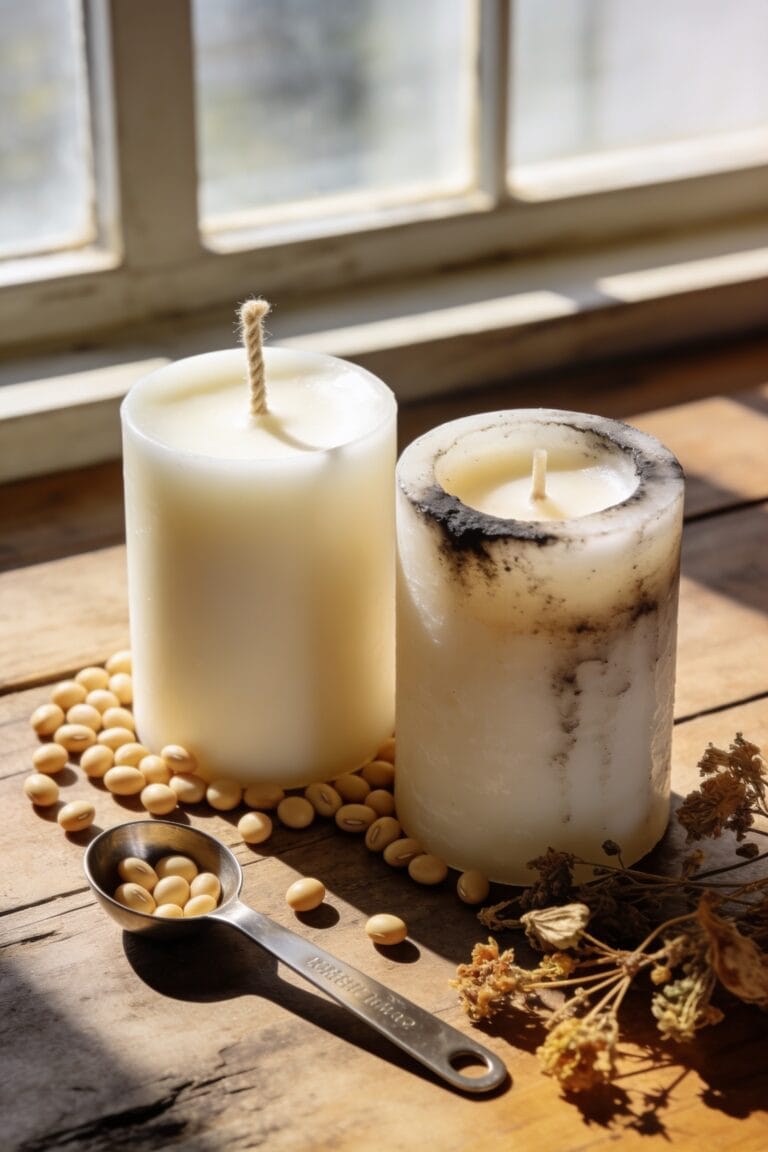
Look, soy candles burn cleaner than paraffin, producing fewer carcinogenic compounds. They’re not perfect, but they’re genuinely better. Pair them with HEPA air purifiers to capture whatever particles do escape. You could also try essential oil diffusers—though research there is limited too. Honestly? Opening windows beats everything. Fresh air costs nothing and eliminates the guesswork. If you love scented candles, use them sparingly in well-ventilated spaces.
Recommended Products

45 LB Case All-natural container blend that is predominately coconut and fortified with vegetable waxes. The wax adheres with a smooth finish and receives color well. Coconut 83 has an excellent fragrance release (cold and hot throw) with a cooler burn profile when dialed in with balanced wicks.

KITS MAKE THE PERFECT GIFT SET – This kit has everything you need, ready to go! Our Mod Warmer kits include our Happy Wax Mod Wax Warmer, along with a collection pack of our soy wax melts, and our “no-scrape” silicone wax melt dish!

Top Note: grass, corn husks, fresh air
Frequently Asked Questions
How Long Does It Take for Scented Candle Health Effects to Become Noticeable?
I’d say you’ll notice immediate onset symptoms like headaches, eye irritation, and throat irritation within minutes of exposure. However, delayed effects—inflammation, respiratory damage, and oxidative stress—develop gradually over weeks of regular use.
Are Certain Populations More Vulnerable to Scented Candle Emissions Than Others?
Yes, I’d say certain groups face greater risks. Children show heightened sensitivity to VOCs, while elderly individuals experience increased elderly vulnerability due to weakened respiratory and immune systems. Those with pre-existing conditions are also at higher risk.
How Can I Safely Enjoy Scented Products Without Exposure Risks?
While scented candles pose risks, I’d recommend switching to room sprays or linen mists instead. They’re safer alternatives that deliver fragrance without the combustion byproducts, VOCs, and nanoparticles that traditional candles release into your indoor air.
What Ventilation Standards Should Homes Maintain During Candle Burning?
I’d recommend maintaining continuous room airflows with open window openings whenever you’re burning candles. You’ll want cross-ventilation to dilute VOC concentrations, ensuring pollutants don’t accumulate in your indoor space throughout burning sessions.
Do Natural or Soy-Based Candles Eliminate VOC and Nanoparticle Emissions?
No, they don’t. I’ve found that soy candles still emit VOCs and nanoparticles when scented—fragrance chemistry drives emissions regardless of wax type. The problem isn’t the candle base; it’s the aromatic compounds themselves.
Conclusion
Look, I’ve learned that scented candles carry considerable concerns—from volatile organic compounds creating cumulative chemical clouds to problematic particles penetrating your pulmonary passages. You’re better off ditching these fragrant fixtures for safer substitutes: soy candles with solid cotton wicks, essential oil diffusers, or simply opening windows. Your wellness shouldn’t be wagered on wax. Make the mindful move today.