As an Amazon Associate, we earn from qualifying purchases. Some links on this site are affiliate links at no extra cost to you. Our recommendations are based on thorough research and editorial judgment.

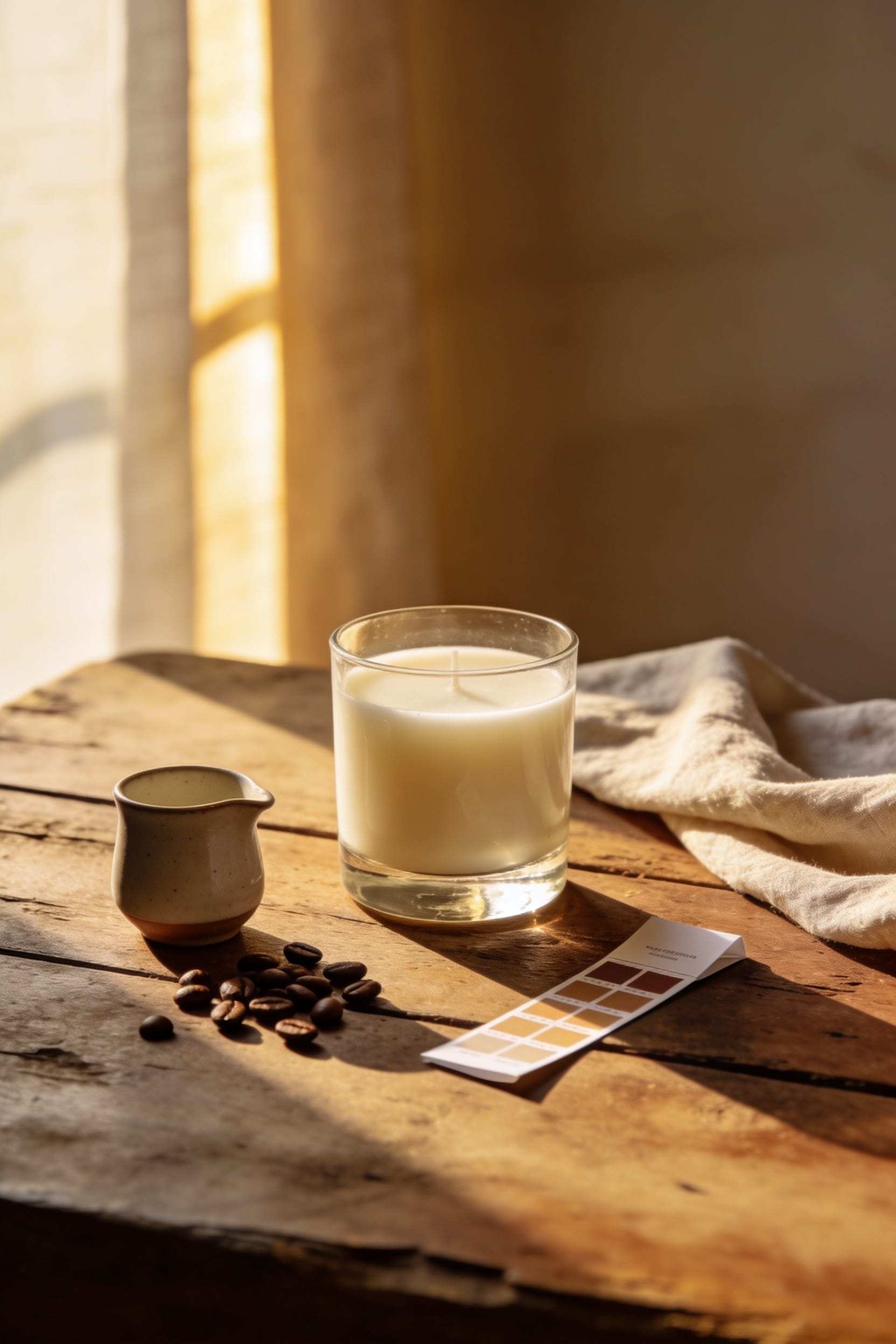
How to Test a Scented Candle Before You Buy

Here’s the thing—what you smell in the jar isn’t what you’ll get when it’s burning, and I’ve wasted plenty of money learning that the hard way. Before you buy, smell the wax directly, ask the store for a burn test, and check customer reviews for specific mentions of scent throw and longevity. Order samples if you’re shopping online. Then track performance across your first four burn cycles at home, watching how fragrance strength changes and whether the melt pool reaches the edges evenly.
Key Takeaways
- Smell the wax directly in-store, not just the jar lid, to accurately assess the candle’s cold throw before purchasing.
- Request burn tests or use store burn bars to evaluate hot throw, allowing your nose to adjust for 5–10 minutes.
- Order discovery sets or mini samples to affordably test multiple scents without committing to full-size candles.
- Read customer reviews for specific mentions of scent throw distance, longevity, and real-world burn performance across different room sizes.
- Ask salespeople about wick sizing and wax additives that affect fragrance throw and burn quality to prevent issues like tunneling.
Why Cold Throw and Hot Throw Matter
All right, here’s the thing: you could walk into a store, smell a candle’s lid, fall in love with it, take it home, light it up, and then feel absolutely betrayed when it smells like nothing—or when it smells completely different than you expected.
That’s because cold throw and hot throw are entirely different animals. Cold throw is what you’re smelling from the jar before lighting it. Hot throw is the fragrance that actually fills your room when the candle’s burning. Your olfactory memory might trick you into thinking they’re the same thing, but they’re not.
This matters because throw longevity—how long that scent actually lasts—depends on the candle’s composition and wick quality. You need to test both experiences before committing your money.
Smell the Wax Before Buying: Your First Test
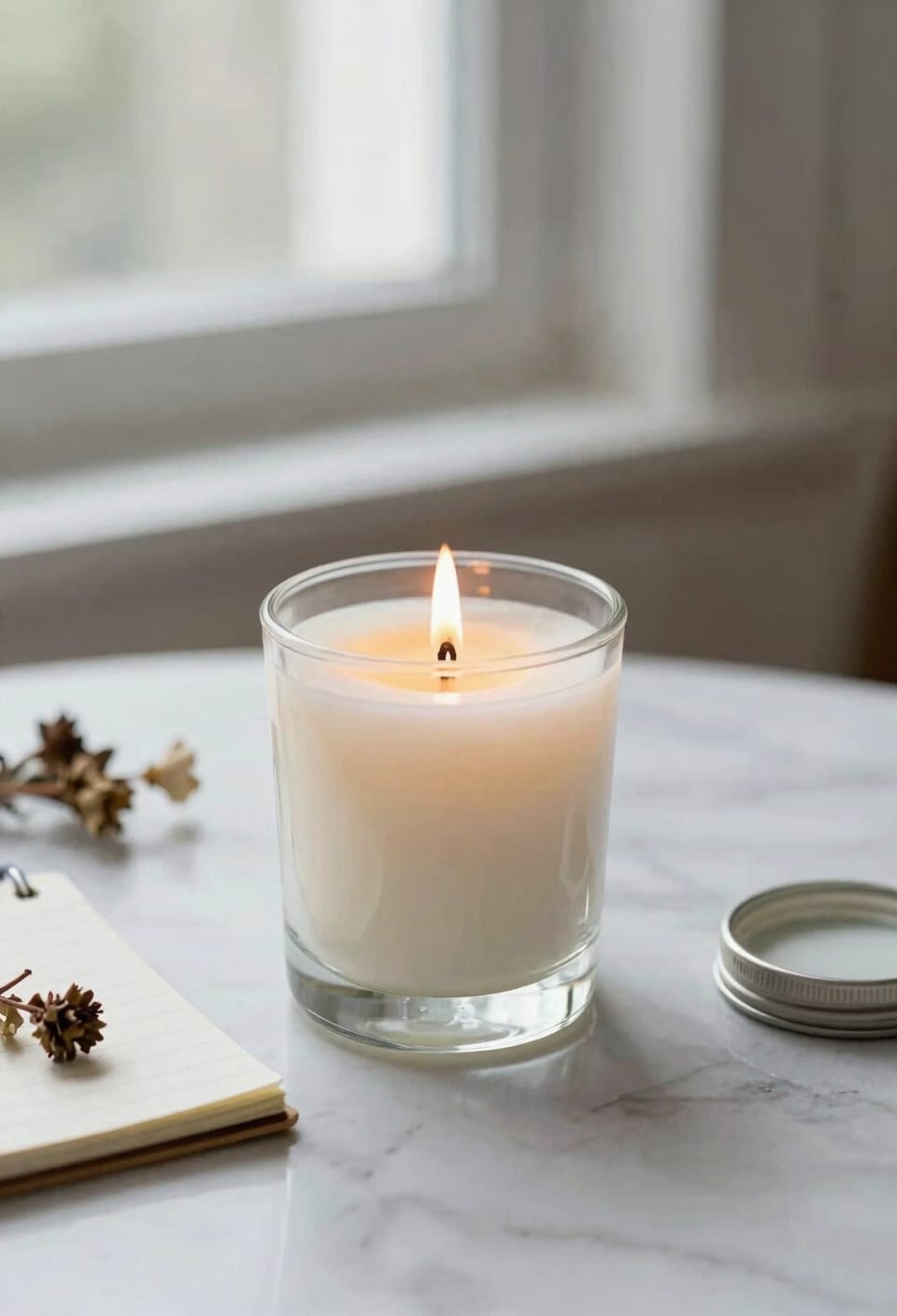
Now that you understand why cold throw and hot throw matter, it’s time to actually use that knowledge in the store—and the easiest way to start is by smelling the wax itself. Crack open that lid and take a whiff. What you’re catching is the cold throw, that initial fragrance burst before any flame enters the picture. Here’s the thing: this smell comparison gives you a realistic preview of what’ll actually happen when you light it up later at home. Your scent memory will anchor to this moment, so pay attention. Smell the wax directly, not just the lid’s residual fragrance. That’s your truest gauge of what you’re buying. Trust it.
Request a Burn Test at the Store
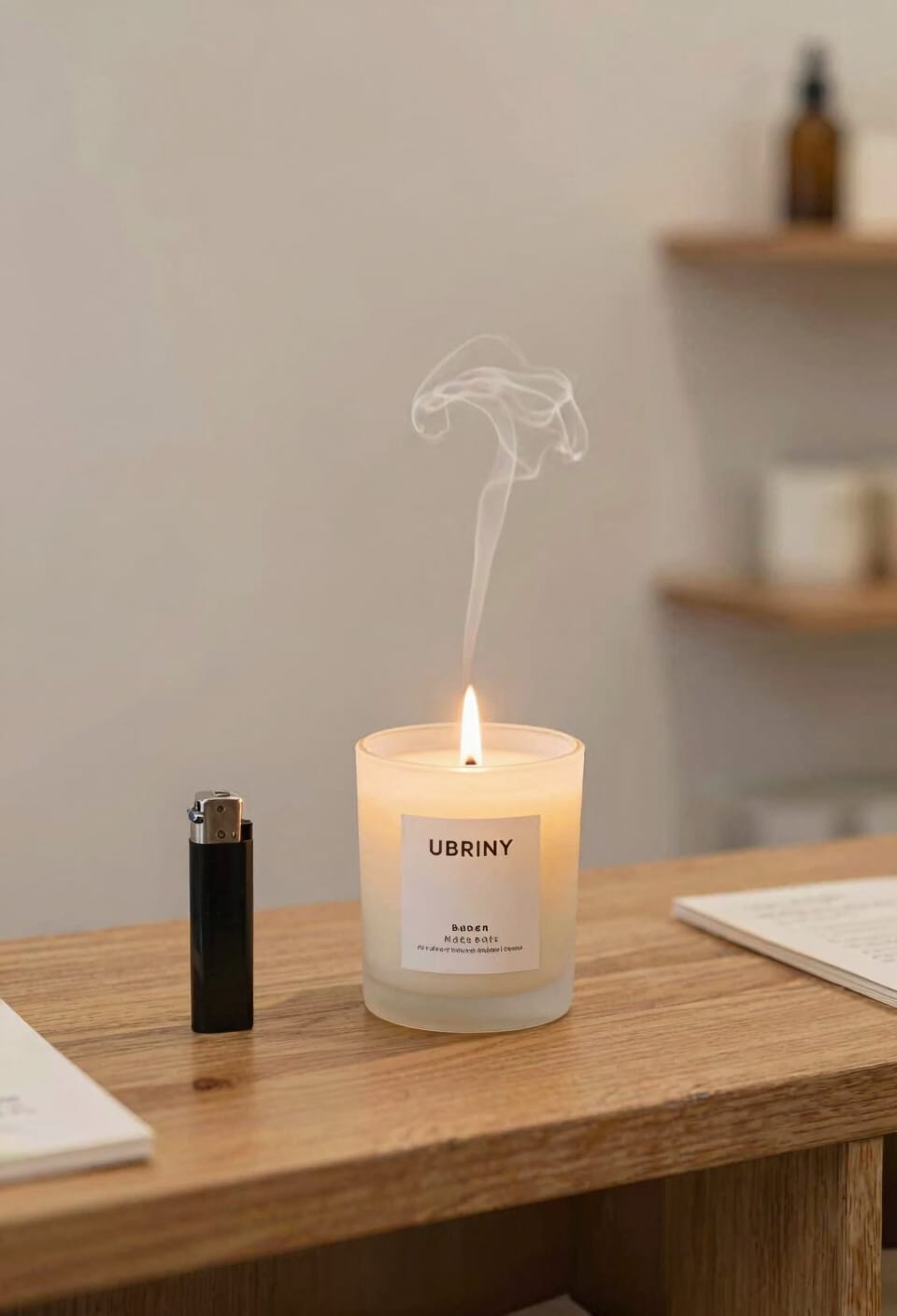
You’ve smelled the cold throw, you’ve got a sense of what’s in the jar—but here’s where things get real: ask if the store has a burn bar and whether they’ll light one up for you. Not every retailer offers this, but many specialty candle shops do. A burn bar lets you experience the hot throw, which is honestly a completely different animal from cold throw scent evaluation. You’ll get an accurate read on how strong that fragrance actually performs when the wax is melting and releasing scent into the air. It’s the difference between reading a menu and tasting the food. Spend five or ten minutes with the burning candle. Let your nose adjust. That’s how you really know if you’re making the right choice.
Recommended Products

A luxury advent calendar that commands attention. Designed with a frame of glimmering, intricate prints and finished with the signature Molton Brown plaque, this centrepiece houses 24 scented treasures

✅Bless your heart, Cowboy, Diva, Entitled, French Market, Fleur De Lis, High Maintenance, Icon, Kathina, Limelight, Trophy, Tyler, Wishlist

THE ULTIMATE DISCOVERY COLLECTION: Can't decide? Experience our three best-selling moods in one premium set. Includes Mandarin & Basil (Energy & Focus), Miami Sunset (Tropical Uplift), and Vanilla Cedarwood (Calm & Comfort). This set provides a complete "Scent Wardrobe" to transition your home from a bright morning to a relaxing evening.
Order Samples and Mini Discovery Sets Online
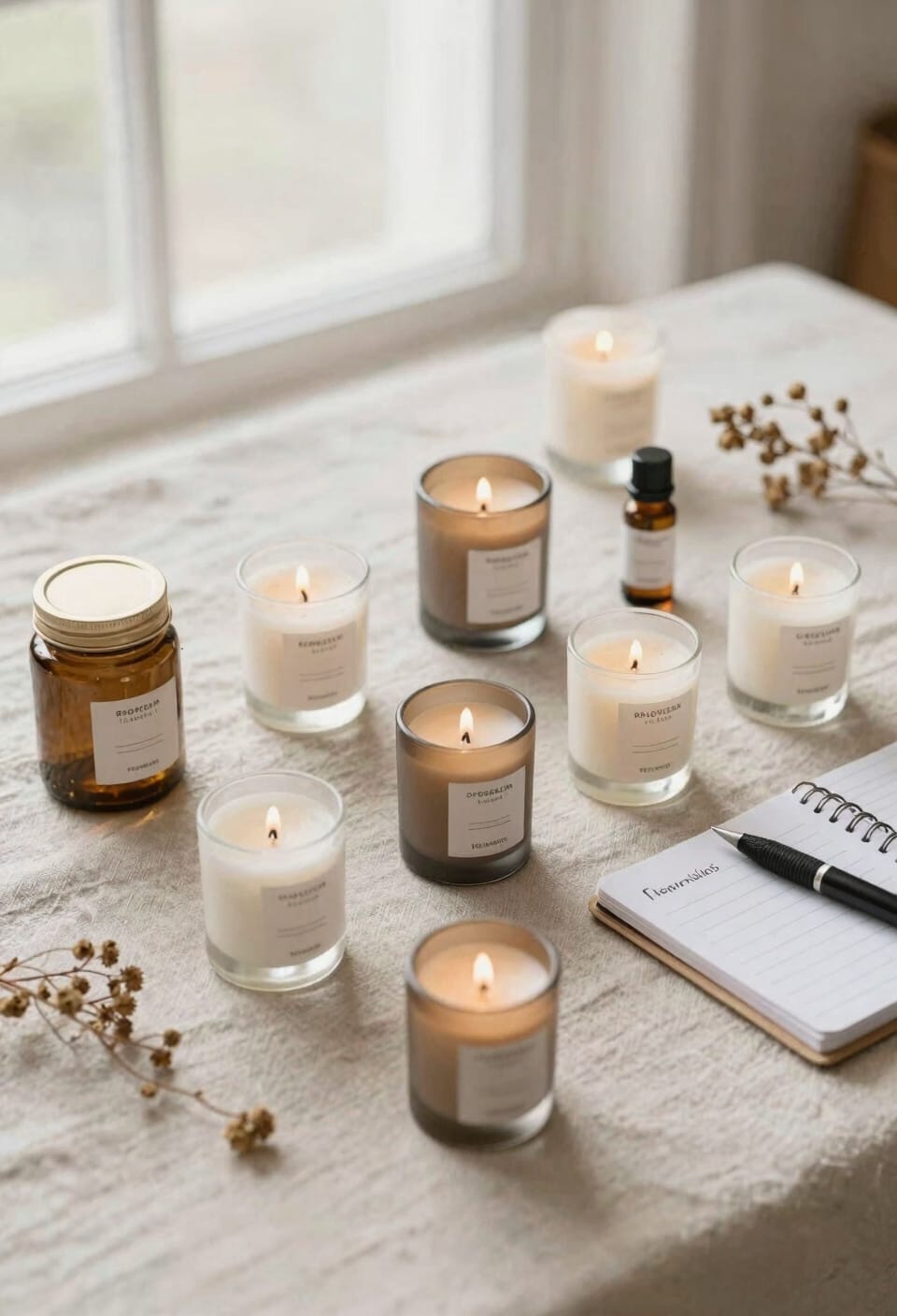
Many online candle shops have figured out what brick-and-mortar burn bars figured out years ago: letting customers try before they commit is just smart business. I’ve burned through enough disappointments to appreciate this approach. You can order discovery sets featuring several scents in mini sizes, letting you test scent throw and fragrance notes without dropping serious cash. Some brands offer sample subscriptions, rotating new releases monthly so you’re not stuck with one dud. Look for blind swaps in candle communities too—collectors trade duplicates and unwanted scents cheaply. Read customer feedback on scent strength and longevity before ordering. Check if the brand provides fragrance intensity scales. You’re effectively crowdsourcing real-world burn results, which beats guessing every time.
Recommended Products

[SCENTIMENT HOTEL DIFFUSER] features 5*20ml fragrance oils inspired by world renowned hotels, specially formulated to be used with any ultrasonic, ceramic, and/or car diffuser.

Bold Scented Candles: Craft & Kin candles provide bold scents that last; this 6 candle set features a range of our most popular scents

CONTENTS: This Oud Bakhoor Set includes three fragrances: Oud Al Mukhtar, Oud Al Qamar, Oud Al Habayeb & our Signature Smokeless Burner. Each box includes 9 pieces of bakhoor + 1 sample of a new scent. Each scent is designed to take you on a different journey, creating an unforgettable experience
What to Check in Customer Reviews About Scent Strength
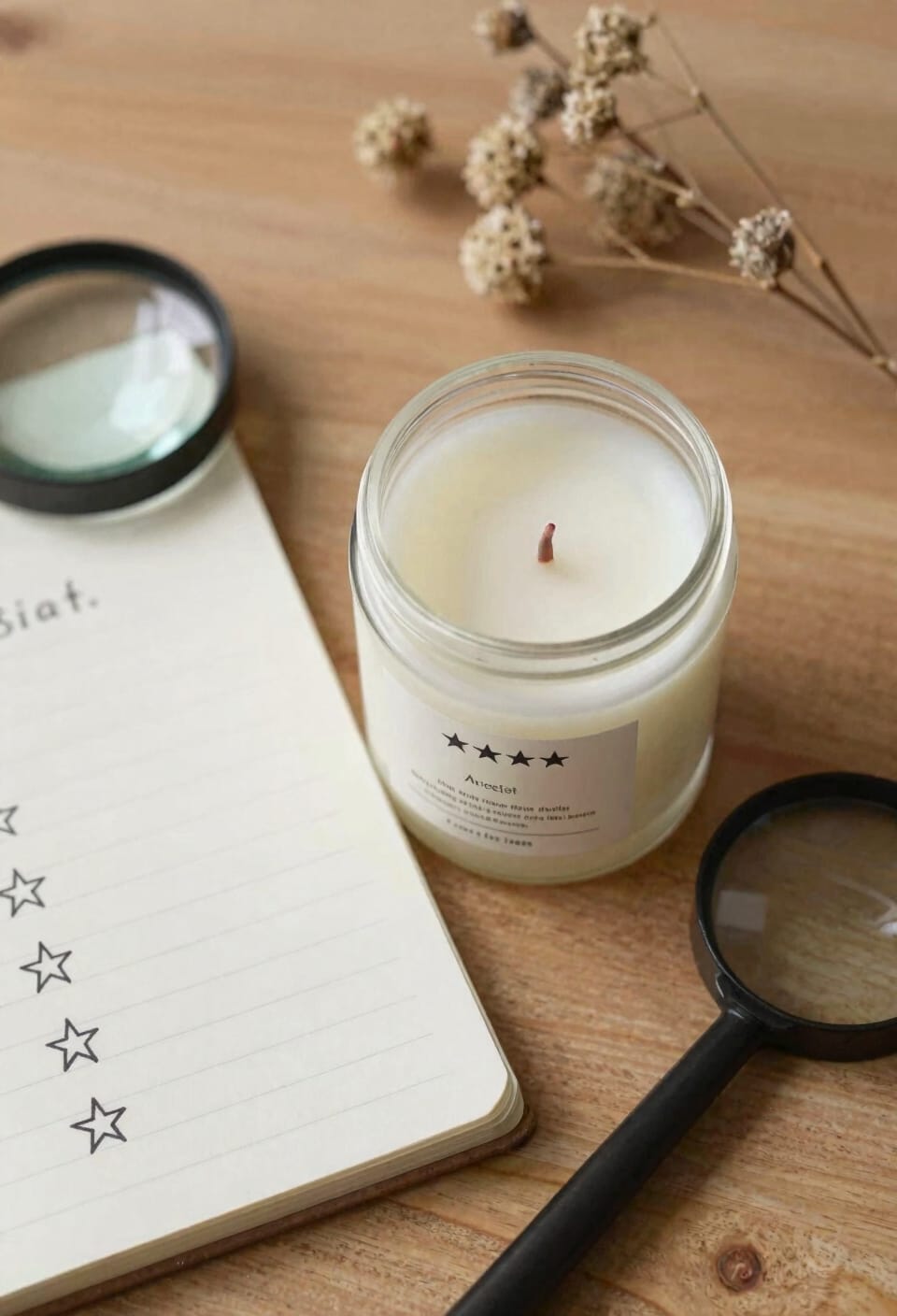
Customer reviews consistently reveal what marketers won’t: whether a candle’s scent throw actually matches the brand’s promises. Look for specific mentions of how far the fragrance travels and how long you can smell it—that’s scent longevity data you’ll rarely find on product pages. Pay attention to customer demographics too. If reviewers mention their room size, you’ll get realistic expectations. Someone testing in a small bedroom versus a sprawling living room will report vastly different experiences. I always scan for repeated complaints about weak performance or excessive soot, since those patterns signal genuine issues. Search for comparisons to similar candles you’ve already burned. That context helps you decode whether someone’s expectations align with yours before you waste money.
Recommended Products

The fragrance candle ONNO Amber Serengeti creates a wonderful scent and provides a cosy atmosphere in which you will always feel at home.

EDITION Hotels exclusive - bring home the one-of-a-kind EDITION experience with the signature scent loved by EDITION hotels guests around the world.

SCENT - Feu de Bois evokes fresh pine falling on curls of sandalwood & rare Virginia cedarwood. Smoky leather accords, frankincense & nuances of vanilla are tranquil and comforting.
Spot the Fragrance Load Percentage on Brand Specs
Now that you’ve got a sense of what real customers are saying about performance, it’s time to look at the numbers behind the scent—literally. Fragrance labeling varies wildly across brands, but here’s what you’re hunting for: the percentage decoding that tells you actual scent concentration. Quality brands practice supplier transparency by clearly stating fragrance load percentages, usually ranging from 3% to 12%. That number matters because it directly impacts scent throw and longevity. I’ve learned the hard way that a candle claiming “strong scent” without listing concentration is basically a gamble. Check the brand’s website or contact them directly if specs aren’t listed. Knowing your candle’s scent concentration helps you make apples-to-apples comparisons and avoid wasting money on underperformers.
Recommended Products

Glade Air Freshener
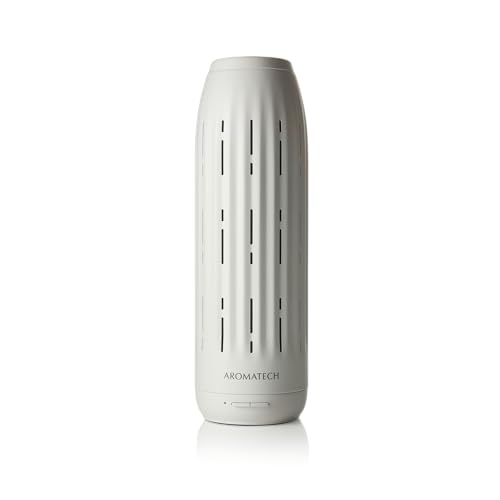
COLD-AIR DIFFUSION TECHNOLOGY — The Ambience uses nebulizing cold-air diffusion to break essential oils into ultra-fine particles without heat or water, preserving the full fragrance profile. No humidity, no residue, just clean consistent scent.

All-In-One Starter Kit – Everything you need to dive into candle making! Our Etienne Alair soy candle wax for candle making includes 50 lbs of smooth soy wax flakes, 100 cotton wicks, 100 adhesive stickers, and 2 centering tools. Perfect for beginners or seasoned DIYers.
Compare Scents to Real-World Aromas in Descriptions
How do you know if “fresh linen” actually smells like fresh linen, or if it’s just marketing speak? I’ve learned that the best way to decode fragrance descriptions is grounding them in aromatic associations you already know. When a brand claims “vanilla,” I picture actual vanilla extract. When they say “ocean breeze,” I think salt air and seaweed, not some vague freshness.
These everyday comparisons matter because they anchor your expectations before you buy. Read customer reviews—they’ll often compare scents to perfumes or real objects you recognize. Someone might say, “It genuinely smells like coffee shops,” which tells you way more than “rich coffee notes.” That specificity helps you predict whether you’ll actually enjoy what’s burning in your home, not just what sounds appealing on a label.
What Your Salesperson Should Tell You About Wax and Wick
Once you’ve narrowed down scents you actually like, the conversation with your salesperson should shift toward the technical stuff—because wax type and wick quality are what determine whether that gorgeous fragrance actually performs in your home or just sits there looking pretty.
Ask about wick sizing. A candle with the wrong wick will either tunnel (burning straight down the middle like a sinkhole) or produce excessive soot. Your salesperson should explain what container size and wax type they’ve paired with that specific wick.
Then dig into wax additives. Quality candles often contain additives that improve fragrance throw and burn performance. Don’t settle for vague answers—you deserve specifics about what’s actually in that candle you’re spending money on.
What to Track Across Four Burn Cycles at Home
After you bring that candle home, the real work begins—because what happens in those first four burn cycles will tell you everything you need to know about whether this purchase was worth it. Track wick erosion carefully; you’re looking for even burn without mushrooming or excessive ash buildup. Pay attention to scent throw from the first hour onward, noting how far the fragrance travels and whether it strengthens or fades as the wax melts. Monitor for tunneling, where only the center burns and wax builds up around the edges. Check the container’s heat level and watch for soot accumulation on the glass. These details reveal whether your candle performs as promised or became an expensive disappointment.
Frequently Asked Questions
How Long Should I Cure Candles Before Burning Them for Accurate Scent Testing?
I’d recommend curing your candles for one to five days before burning them. The curing timeframes depend on your wax type—one to two days for some, three to five for others. This fragrance maturation guarantees you’ll get accurate scent testing results.
What’s the Best Way to Clear My Nose Between Testing Different Scents?
I’ve found the best smell resets between scents are using coffee beans or stepping outside for fresh air. These palate cleansers help your nose recover, ensuring you’re getting accurate scent readings for each candle you’re testing.
Why Do Heavier Fragrances Like Vanillin Require Larger Wicks Than Light Fragrances?
I’ll explain why heavier fragrances require larger wicks. Heavier fragrances like vanillin have greater fragrance viscosity, which affects how quickly the wax melts. You’ll need larger wick sizing to generate sufficient heat for proper fragrance release and even burning.
How Far Apart Should Test Candles Be Spaced to Prevent Scent Interference?
Studies show 73% of candle tests fail due to scent overlap. I’d space yours 3 inches apart initially, then 5–8 feet when testing throw, alternating sides of your room to prevent interference and capture accurate results.
What Soot Production Indicates a Wick Is Too Large for the Candle?
I’d watch for excessive soot buildup on the container’s walls and ceiling—that’s your signal the wick sizing’s too large. You’ll notice black deposits accumulating quickly, indicating incomplete fuel combustion from an oversized flame.
Conclusion
You’ve got this. Testing before you buy isn’t just smart—it’s the difference between a candle that transforms your space and one that sits there looking pretty while smelling like basically nothing. Trust your nose, ask questions, read between the lines of reviews. Your money’s too hard-earned to waste on disappointment. Go find that perfect scent.