As an Amazon Associate, we earn from qualifying purchases. Some links on this site are affiliate links at no extra cost to you. Our recommendations are based on thorough research and editorial judgment.


How to Pick the Right Candle Scent for Your Home

All right, here’s the thing: picking a candle that actually performs in your space means matching fragrance to what you’re doing there, not just what smells pretty in the store. Size matters—bigger rooms need stronger scent throw, so consider multi-wick options. Honestly, I’ve wasted money on mediocre candles with cheap wax and wicks, so invest in quality soy or coconut blends with cotton wicks instead. Sample first at home for at least two hours, then layer complementary scents across rooms for cohesion. Trust your nose, but understand the technical details that separate disappointing candles from ones that actually work.
Key Takeaways
- Match scent families to room purpose—floral for social spaces, oriental for intimate rooms, light citrus for energizing areas.
- Select scent strength based on room size; larger spaces need multi-wick candles for adequate throw, smaller rooms prefer subtle scents.
- Rotate seasonal scents to align with weather and mood: spring florals, summer citrus, fall spice, winter amber.
- Prioritize vegetable wax and quality cotton wicks for optimal burn performance, even diffusion, and consistent fragrance throw.
- Test candles at home for at least two hours before committing to full purchases to assess real-world performance.
Match Your Candle Scent to Room Purpose
matching scent to purpose isn’t fussy—it’s practical. You’re not just making your room smell nice; you’re actually supporting what happens there.
Choose Scent Strength by Room Size

Now here’s something I didn’t think about until I wasted money on a gorgeous vanilla candle that I could barely smell in my living room: a candle’s scent throw—how far and strong that fragrance actually travels when it’s burning—has everything to do with your room’s size.
Smaller spaces need a subtle scent, or you’ll get overwhelmed. Larger rooms demand multi-wick candles with serious throw. Before buying, consider ventilation considerations and proximal placement—where you’ll actually put that candle matters. Try throw testing by visiting a store and stepping back from displays at different distances. You want something powerful enough to reach across your living room without suffocating you in your bedroom. Match the candle’s strength to your space, and you’ll finally get what you paid for.
Align Scent to Your Home’s Season

Because the same scent that feels cozy and grounding in January can feel cloying and wrong by June, I’ve learned that seasonal shifts deserve the same attention you’d give to swapping out your wardrobe. Spring florals like lily of the valley bring freshness when everything’s blooming outside. Summer citrus—lemon, orange, bright blends—energizes without adding heat to your space. Come fall, I’m reaching for warm cinnamon and vanilla that actually complement cooler weather rather than fighting it. Winter calls for those Oriental fragrances with spicy, amber notes that make your home feel intentionally cozy. You don’t need a massive collection. Just rotate three or four seasonally appropriate scents and you’ll notice how much better they perform psychologically. Your nose knows the difference.
Pick the Right Fragrance Family for Your Space
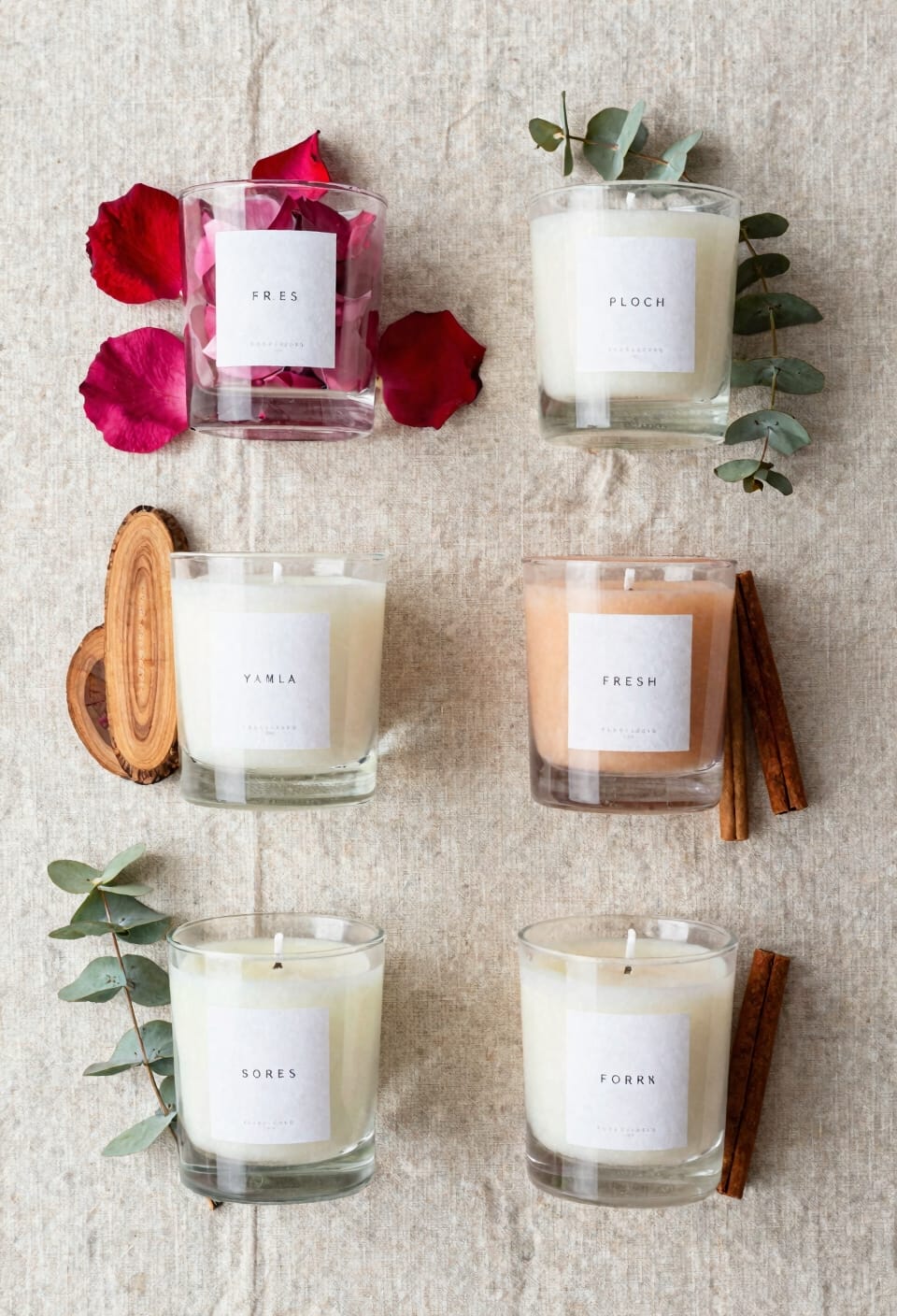
What actually happens when you light a candle in a room that doesn’t match its fragrance family? You’re basically fighting against your space instead of enhancing it. Look, I’ve learned this the hard way—Oriental warmth in a tiny bedroom feels suffocating, while floral intensity in a living room can come across as cloying rather than inviting.
Now, here’s what works. Floral fragrances thrive in larger spaces where they can breathe without overwhelming you. Oriental warmth, though? Those rich, spicy notes dominate smaller rooms beautifully. I’ve found that matching your fragrance family to your room’s purpose and size prevents wasting money on candles that’ll sit unused. Think about what you’re actually trying to achieve, then pick accordingly. Your nose—and your wallet—will thank you.
When to Trust Your Nose Over the Rules

All right, here’s where the rulebook gets bendable—and honestly, that’s where things get fun. Your personal preference matters more than any guideline I’ve shared. Maybe you hate lavender in bedrooms despite what experts say. That’s valid. Scent memory is powerful; a fragrance tied to your grandmother’s kitchen will hit differently than any “scientifically ideal” choice. Cultural norms around scent vary wildly too—what feels cozy in one tradition might feel off in another. Then there’s scent sensitivity; some people get headaches from strong throw that others find perfect. If a candle doesn’t work for you, it doesn’t work. Trust your nose. Your space, your rules.
Why Wax Type and Wick Matter to Your Choice
Now, here’s where your candle choice gets genuinely technical—and I promise it matters way more than you’d think. The wax type directly impacts both wax health and how your fragrance performs. Vegetable wax like soy burns cleaner and holds scent better than paraffin, which honestly matters if you’re breathing this stuff in daily. Then there’s the wick. Hand-woven cotton wicks optimize diffusion and longevity, preventing tunneling—that annoying situation where your candle burns down the middle while sides stay solid. A quality wick maintains even burn, which means consistent scent throw throughout the candle’s life. Look, you can pick the most gorgeous fragrance imaginable, but if your wax quality is mediocre and your wick’s poorly constructed, you’re wasting money and getting mediocre performance. These technical details aren’t boring—they’re what separate candles you’ll actually enjoy from expensive disappointments.
Sample First: Avoid Expensive Scent Mismatches
You’ve probably stood in a store, smelled a candle that seemed perfect, bought the full-size jar, brought it home, and then—nothing. The scent disappeared into the air. You made a sample mistake, and your wallet paid the price.
Here’s the thing: testing before committing saves money and disappointment. Most retailers offer sample vials or smaller sizes—grab them. Burn a sample at home for at least two hours to gauge true scent throw and how it performs in your actual space, not under store lighting.
Budget friendly swaps exist too. Smaller candles from emerging brands often cost less while delivering quality comparable to premium names. You’ll discover what genuinely resonates with you without dropping fifty bucks on regret.
Layer Scents Across Rooms for Cohesion
Beyond the walls of a single room, there’s a subtle art to how scents work together throughout your home—and I’m not talking about creating some overwhelming olfactory assault where every room’s fragrance crashes into the next one like a perfume counter explosion. Instead, think of layering scents intentionally. Pick a central scent anchor—vanilla or sandalwood work brilliantly—then build around it with subtle transitional blends in adjacent spaces. Your bedroom’s lavender connects naturally to a living room’s warm vanilla. The kitchen’s citrus doesn’t clash when your hallway carries a hint of that same brightness. You’re creating a cohesive olfactory journey, not a fragmented mess. This approach makes your entire home feel intentional and connected, which honestly beats randomly grabbing whatever candle smells good that day.
Frequently Asked Questions
How Long Do Scented Candles Typically Last Before Losing Their Fragrance Potency?
I’ve found that scent longevity typically spans 25-40 hours of burn time before you’ll notice fragrance degradation. Quality wicks and vegetable wax help extend potency, though personal storage conditions also influence how quickly your candle’s scent fades.
Can I Safely Burn Multiple Scented Candles in the Same Room Together?
You’d think combining candles sounds ideal, but here’s the catch: I’d recommend caution with scent layering. Fragrance interaction can overwhelm your space, so I’d suggest burning one quality candle per room instead.
What’s the Best Way to Store Candles to Preserve Their Scent Quality?
I’d store your candles in airtight containers away from direct sunlight and heat sources. Cool storage areas like closets or cabinets work best. This preserves their scent quality and prevents discoloration or warping over time.
Do Certain Candle Scents Help With Specific Health Concerns Like Headaches or Anxiety?
Yes, I’ve found that certain scents are aromatherapy benefits goldmines for health concerns. Lavender calms anxiety like a gentle blanket, while peppermint eases headaches. I’d recommend prioritizing scent safety by choosing natural, quality candles for peak wellness results.
How Do I Remove Unwanted Candle Scents From a Room Quickly?
I’d recommend opening windows for ventilation and using air purifiers to circulate fresh air. You can also place odor absorbers like baking soda or activated charcoal around your room to neutralize unwanted scents quickly.
Conclusion
You’ve got this now. Trust your instincts, sample before committing, and remember that the “perfect” candle is the one that makes *your* space feel like home—even if that means ignoring every rule I’ve mentioned here like some ancient scribe dismissing modern wisdom. Your nose knows. Your budget’ll thank you too.