As an Amazon Associate, we earn from qualifying purchases. Some links on this site are affiliate links at no extra cost to you. Our recommendations are based on thorough research and editorial judgment.

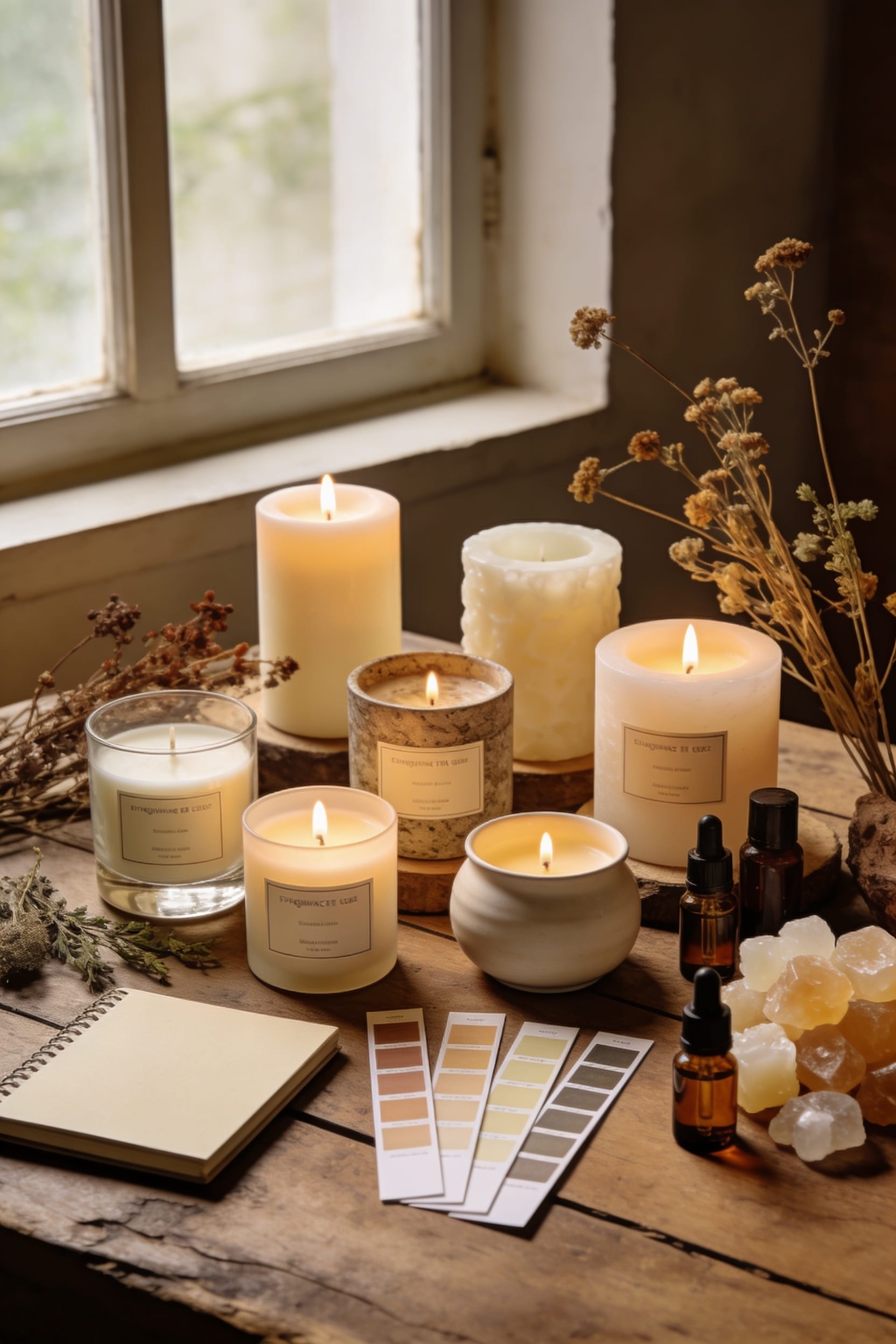
How to Choose a Scented Candle (Complete Guide)

You know that feeling when you buy a candle that smells *amazing* in the store, bring it home, and then it basically smells like nothing? Or worse—it smells completely different than you expected? Yeah, that happens to basically everyone, and it’s honestly frustrating when you paid good money for it.
The thing is, there’s actually a real method to picking a candle that’ll actually smell like its name suggests and fill your room without being overwhelming. It’s not complicated, but knowing a few key things beforehand makes all the difference between a candle that’s perfect and one that just sits on your shelf looking pretty.
Key Takeaways
- Match candle scents to both room type and current season to ensure pleasant, non-overwhelming aromatics throughout your home.
- Select soy or beeswax candles with cotton or wood wicks for cleaner, longer-lasting burns with minimal soot.
- Sample candles at home in your intended room before purchasing to experience true scent throw beyond initial top notes.
- Choose scent profiles and strength based on your mood: calming florals for stress, citrus for energy, vanilla for coziness.
- Test burn candles to evaluate melt pool quality and soot production, then trim wicks to quarter-inch for optimal performance.
Start With Your Room and Season
pick your candle based on two things—where it’ll go and what season it is.
Different rooms need different scents. Bedrooms want calming stuff like lavender. Living rooms can handle stronger scents like sandalwood or amber.
Seasons matter too. Spring needs florals and green scents. Summer wants fruity and bright. Fall calls for spice. Winter craves pine and cedarwood.
Match your candle to both the room and season. Your place will smell fresh instead of weird or off.
You’re basically winning before you even light it.
Choose Scents Based on Your Mood
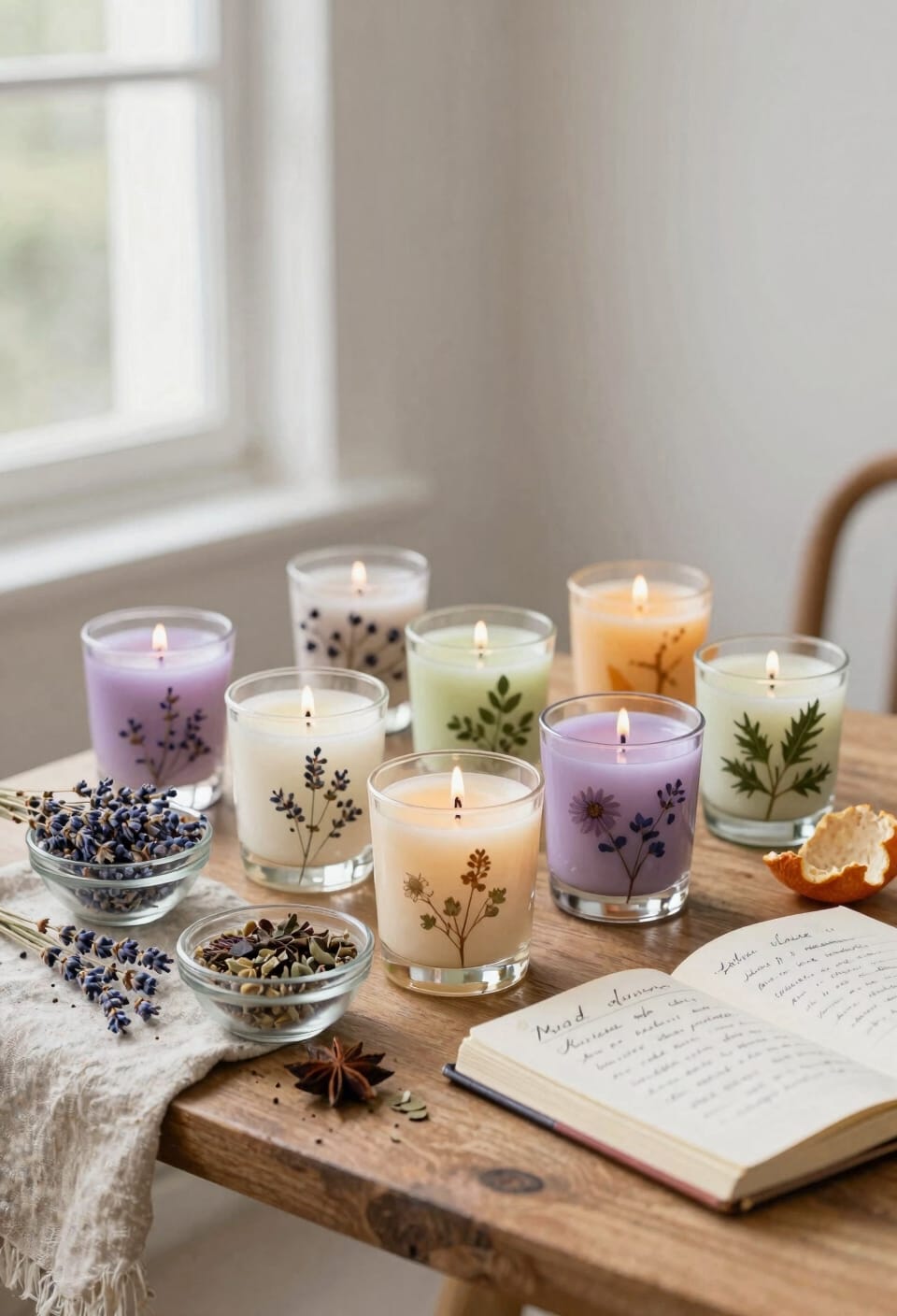
Pick Scents Based on Your Mood
Here’s the real deal—the best candle matches how you’re actually feeling. Try scent journaling. Write down which smells you pick when stressed versus pumped up. That’s mood mapping.
Feeling stressed? Lavender and chamomile calm your nerves down. Need energy? Lemon and eucalyptus wake you up fast. Want cozy vibes? Cinnamon and vanilla feel like a warm hug.
Match the scent strength to your mood. Heavy sandalwood feels gross when you’re already overwhelmed. But it’s perfect for relaxing later. Test scents before you buy them. Your mood shifts. Your scent should too.
Learn the Five Scent Profile Types
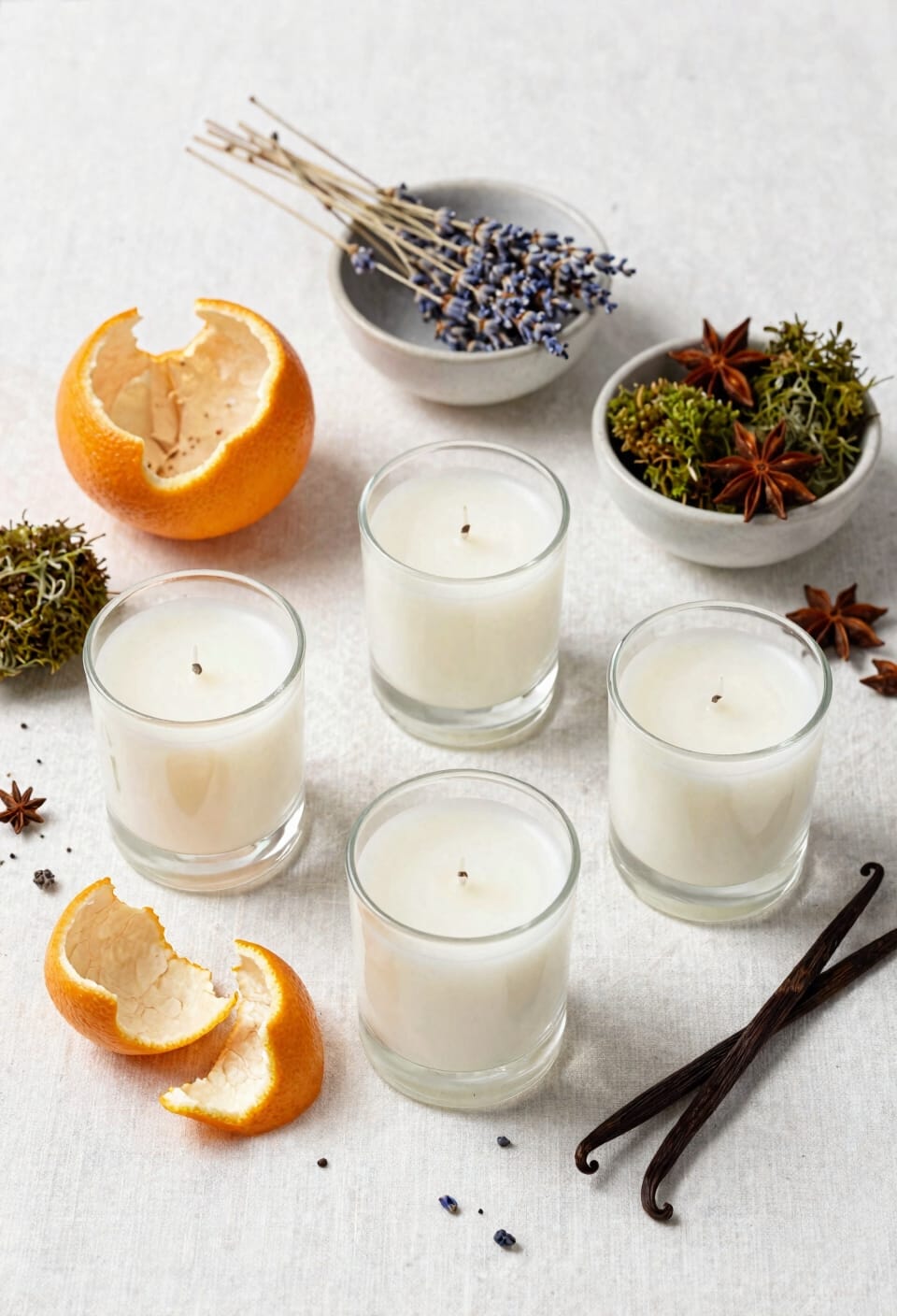
Once you know what mood you want, learn about the five scent profiles. Not all candles are the same, and this stuff actually matters.
Floral scents calm you down with lily of the valley, jasmine, and rose. Earthy options ground you with sandalwood, amber, and vetiver. Fresh aromas wake you up using citrus and herbs. Citrus blends give you that clean, zesty kick—perfect for kitchens. Sultry profiles mix vanilla bean and patchouli for that romantic feel.
Here’s the thing: each type burns differently. Some throw scent farther than others. It depends on how much fragrance is in there and what kind of wax they used. Know these categories before you buy. Match the strength to your space and what you need it for.
Prioritize Wax, Wick, and Burn Quality

You picked your scent. Now comes the hard part—actually finding a good candle.
Here’s the thing: most people just grab whatever looks nice. But what’s inside matters way more than the label.
Soy and beeswax are your best bets. They burn longer and cleaner than paraffin. Plus they don’t leave that gross black soot on your walls.
Look for cotton or wood wicks. They burn right without leaving toxic stuff behind.
Check the label for natural ingredients. Make sure the fragrance meets IFRA standards. That’s the safety benchmark.
All right, before you buy, do a test burn at home. Watch how the wax melts. Trim the wick short to cut down smoke. Check for soot over a few hours.
This stuff actually determines if you’re getting your money’s worth or just paying for a pretty jar.
Match Scent Strength to Room Size
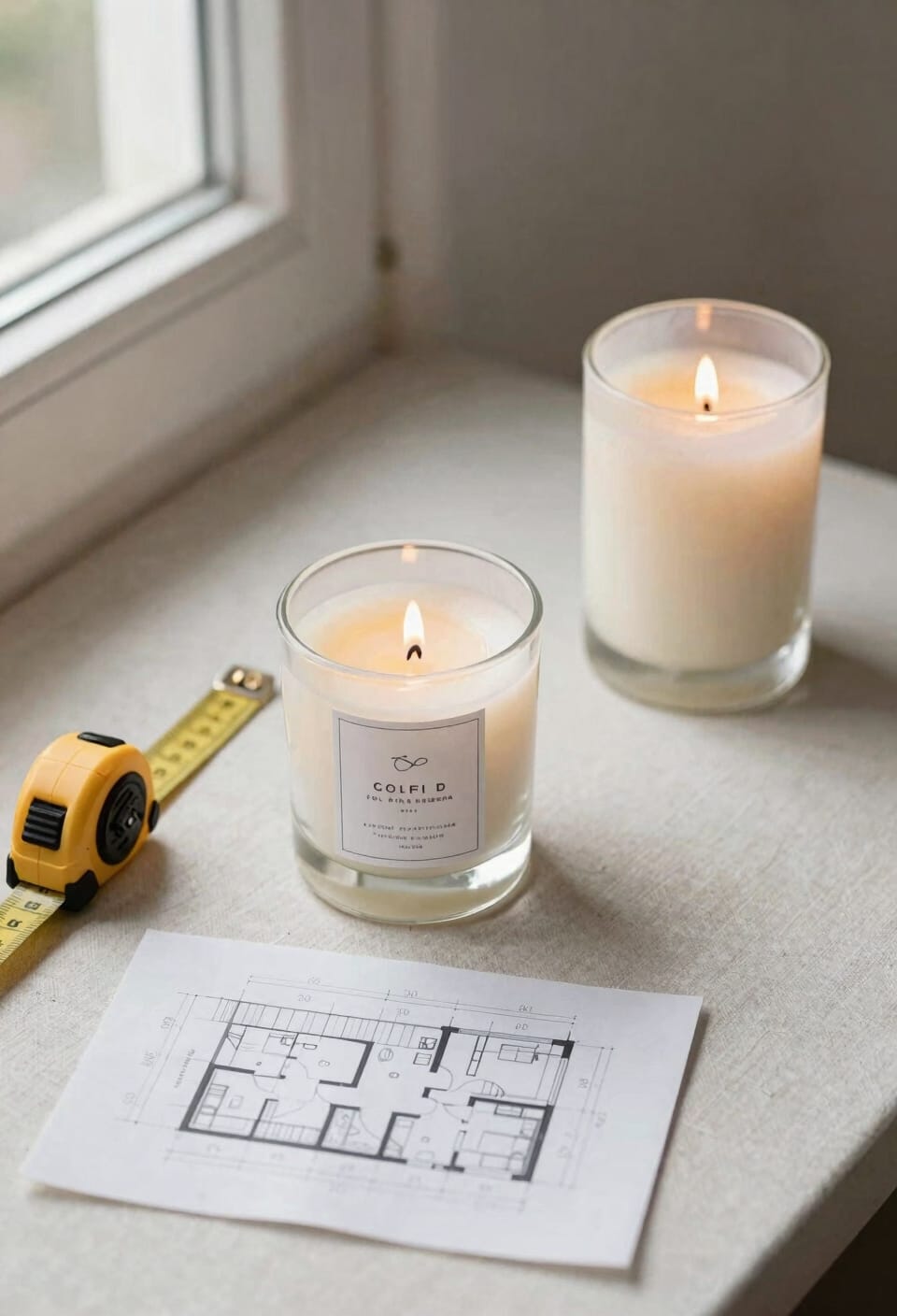
A candle that smells great in a tiny bathroom? Total overkill in your living room. Scent throw—how far a candle’s smell travels—depends on your room size.
Small spaces need low-throw candles. Soy or beeswax blends with moderate fragrance work best. They won’t overwhelm you. Big rooms? Go for high-throw candles. Coconut-paraffin blends project further and last longer.
Now, don’t think bigger is always better. I’ve burned strong candles in closets. Huge mistake. Match the candle’s strength to your room size and air flow.
Test before you buy. Spend five minutes with a lit tester in the shop. Your nose will tell you what works.
Sample Before You Commit
Testing a candle before you buy it actually matters. Blind sniffing in a store doesn’t work. Your nose adapts in seconds anyway. Plus, other smells mess with your judgment.
Ask for samples. Most good candle makers give them out. Take the sample home and light it. Use the actual room where you’d normally burn it. Now pay attention to how far the scent travels. Check how strong it is too.
Look at the label and read those fragrance notes. They tell you what’s really in there. Top notes fade really fast. Don’t judge a candle in the first five minutes. That’s not fair to it. Let it burn for a while. Give the scent time to settle and show its true smell. Then decide if you want to buy the full size.
Select Materials for Clean, Long-Lasting Burn
Now here’s where people mess up: they buy the prettiest or cheapest candle without checking what it’s made from. Then they’re bummed when it burns weird, smells weak, or makes soot everywhere.
Look, material actually matters a lot. Natural waxes like soy and beeswax burn cleaner and last longer than paraffin. You get better scent and less waste. Grab cotton or wood wicks instead of regular ones. They burn right without that gross black stuff.
If you care about vegan products, those waxes work great too. Here’s another thing: don’t forget about your wick. Trim it to a quarter-inch so it doesn’t tunnel. That keeps your candle working well for weeks.
Match Candles to Your Personal Style
You’ve got the wax and wick down. Now pick a scent that actually fits your life.
Think of it like clothes. You don’t wear the same outfit everywhere, right? Your bedroom lavender shouldn’t double as kitchen lemon.
Look at your space too. Coastal florals work in beach rooms. Cinnamon vanilla fits traditional spaces better.
Here’s the thing: figure out what you actually like. Are you a grapefruit person or more sandalwood? Try samples first. You’ll save money and avoid regret.
Match the scent strength to your room size. A small bedroom needs less intensity than a big living room.
Pick candles that match how you really live. Not how you wish you lived. That’s when things click.
Plan Your Year-Round Candle Selections
Once you nail your style, keep things fresh all year. Don’t burn pumpkin spice in July—it’s just weird.
Rotate your scents intentionally. Spring needs florals like lilac. Summer wants bright fruit scents. Fall calls for spiced warmth. Winter’s all about pine and cedarwood.
Here’s why planning ahead matters: you save money and avoid scent burnout. Make a budget calendar for seasonal buys. That way you’re not panicking last-minute.
Store candles in cool, dark spots between seasons. They’ll last longer that way.
Now think about gifts too. Quality candles make great presents for any season. Rotating your scents keeps your home actually fresh instead of predictable.
Frequently Asked Questions
How Long Do Quality Scented Candles Typically Burn Before Needing Replacement?
Most quality scented candles burn for 25 to 40 hours. The really good ones? They can hit 60+ hours. Here’s the thing—how long they last depends on two things. First is the wax type. Second is the wick quality. Get both right and your candle performs great.
What Does IFRA Standard Mean and Why Does It Matter for Candle Safety?
IFRA compliance means your fragrance is mixed safely. The concentration limits keep things from being too strong. Here’s the thing—allergen labeling tells you what’s actually in there. That way you can avoid scents that might bother your skin or cause reactions. Look, it basically means the candle maker followed safety rules so you can buy with confidence.
Can I Blend Multiple Scented Candles Together in the Same Room Safely?
Yeah, you can mix candles together. Just go slow with it. Pick scents that work well together. Start in a small room first to see how it smells. You don’t want the room to smell too strong. If it’s good, then try it in bigger spaces.
How Should I Store Scented Candles to Preserve Their Fragrance and Quality?
Keep your candles in a cool, dark place. Heat and sunlight mess with the scent and can warp the wax. Store them upright so they stay in good shape. A closet or cabinet works great. Temperature-controlled spaces are ideal. This way, your candles stay fresh and smell amazing longer.
What’s the Difference Between Fragrance Oils and Essential Oils in Candles?
Look, fragrance oils are basically lab-made scents. Essential oils come straight from plants. Essential oils smell more real and complex, but they’re pricier. They also burn through candles faster than the fake stuff.
Conclusion
You’ve walked through the labyrinth now—room, season, mood, scent profile, wax quality, samples, materials, style, and strategy. Like Ariadne’s thread guiding Theseus home, these choices’ll lead you toward candles that actually work for your life. You won’t waste money anymore. You’ll light something that burns clean, smells right, and makes your space feel intentional. That’s the win here.