As an Amazon Associate, we earn from qualifying purchases. Some links on this site are affiliate links at no extra cost to you. Our recommendations are based on thorough research and editorial judgment.


Do Wood Wick Candles Crackle? What to Expect

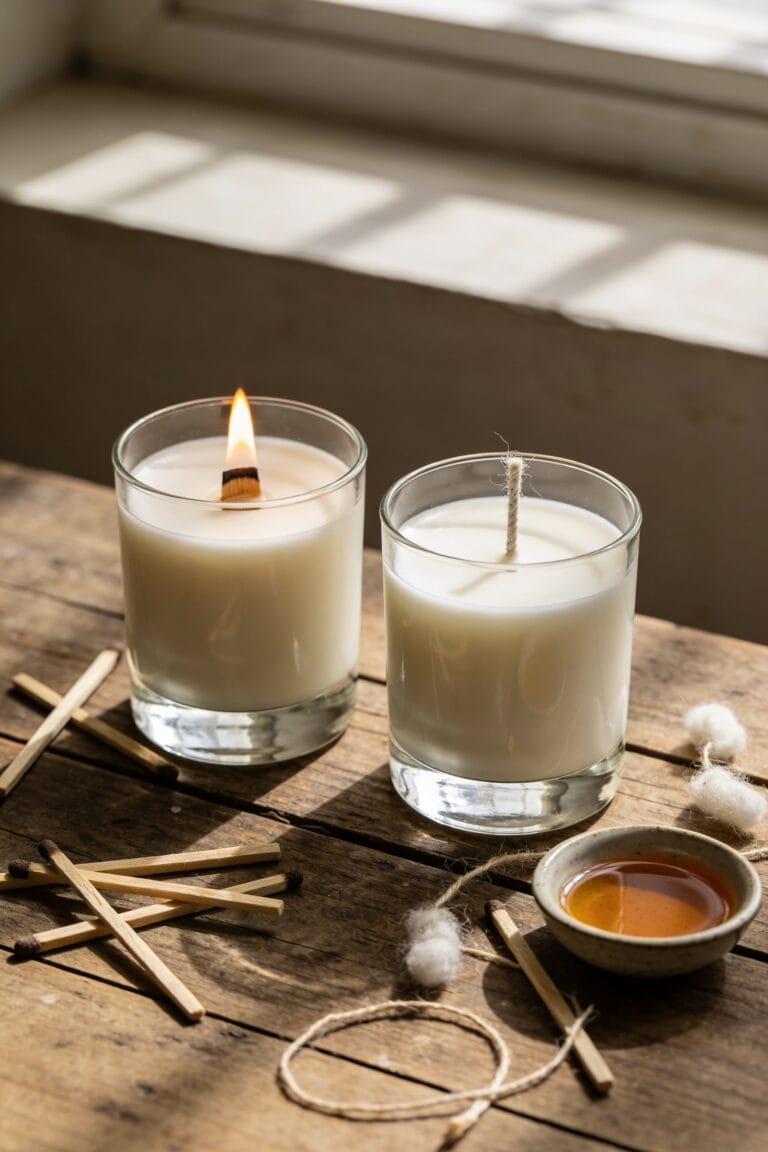
Yes, wood wick candles absolutely crackle—that gentle popping and snapping you hear is real. The sound comes from moisture and sap trapped in the wood fibers boiling off as your flame burns through, creating that cozy fireplace ambiance you’re actually paying for. Now, here’s the thing: crackle intensity varies depending on wood type, wick size, and wax quality. A well-made wood wick should deliver consistent, subtle crackles throughout the burn, not loud pops. But if yours isn’t crackling, we can figure out why.
Key Takeaways
- Yes, wood wick candles crackle due to moisture and sap in wood fibers boiling during combustion, creating steam pockets.
- Crackling sounds are subtle and fireplace-like, not loud popping; intensity varies by wood type, moisture content, and wick size.
- Softer, oily woods produce stronger crackles than treated or dense woods; flame needs time to warm through wax properly.
- Trim wooden wicks to 1/8 inch before each lighting and remove debris to maintain consistent crackling throughout burn.
- Silent burns result from overly dry wood, scent incompatibility, or improper wick trimming; allow flame several minutes to develop sound.
Yes, Wood Wick Candles Crackle
When you light a wood wick candle for the first time, you might catch yourself leaning in closer, waiting for it—that gentle crackling sound that makes the whole experience feel a bit more like sitting by a fireplace and less like, well, just burning a candle. Yes, wood wick candles absolutely crackle. That subtle popping sound comes from moisture and sap trapped in the wood fibers releasing during combustion. It’s not thunderous—you’re not getting a bonfire experience here—but it’s definitely noticeable. The crackling adds serious sensory ambiance to your space, which honestly elevates the whole aesthetic appeal. You’re paying for that experience partly. The sound varies depending on wood type, moisture content, and wick size, but a well-made wood wick candle delivers consistent, gentle crackles throughout its burn.
Why Your Wood Wick Crackles Like a Fireplace

As it turns out, that fireplace-like crackle you’re hearing isn’t just marketing magic—it’s actual science happening right inside your candle. When you light a wooden wick, moisture and sap trapped in the wood grain heat up as the flame burns. That water boils and transforms into steam, which creates tiny pockets of pressure. When that steam escapes, it produces those satisfying pops and crackles you’re after. The ambient sound becomes part of the whole experience—it’s why wood wick candles feel so cozy. Not every candle will crackle equally, though. Softer woods with natural oils tend to perform better than treated alternatives. The wick’s thickness and your specific wax type matter too. When everything aligns, you’ll get that consistent, gentle crackling throughout the burn.
Recommended Products

Approximate burn time of 24 hours

An elegant gifting option for any occasion, featuring two Medium Hourglass candles in the expertly curated fragrances Fireside and Linen, presented in a foil embellished gift box

Captivating Fragrance: Transform any living space with the unforgettable scent of Charcoal 3-Wick Candle from APOTHEKE. Our candles are hand poured and made with a proprietary blend of essential and perfume-grade oils for a long-lasting fragrance. Each 26 oz candle burns for approximately 120 - 140 hours. Dimensions: 5 inches x 4.8 inches.
What Controls Your Candle’s Crackle: Wick, Wax, and Wood

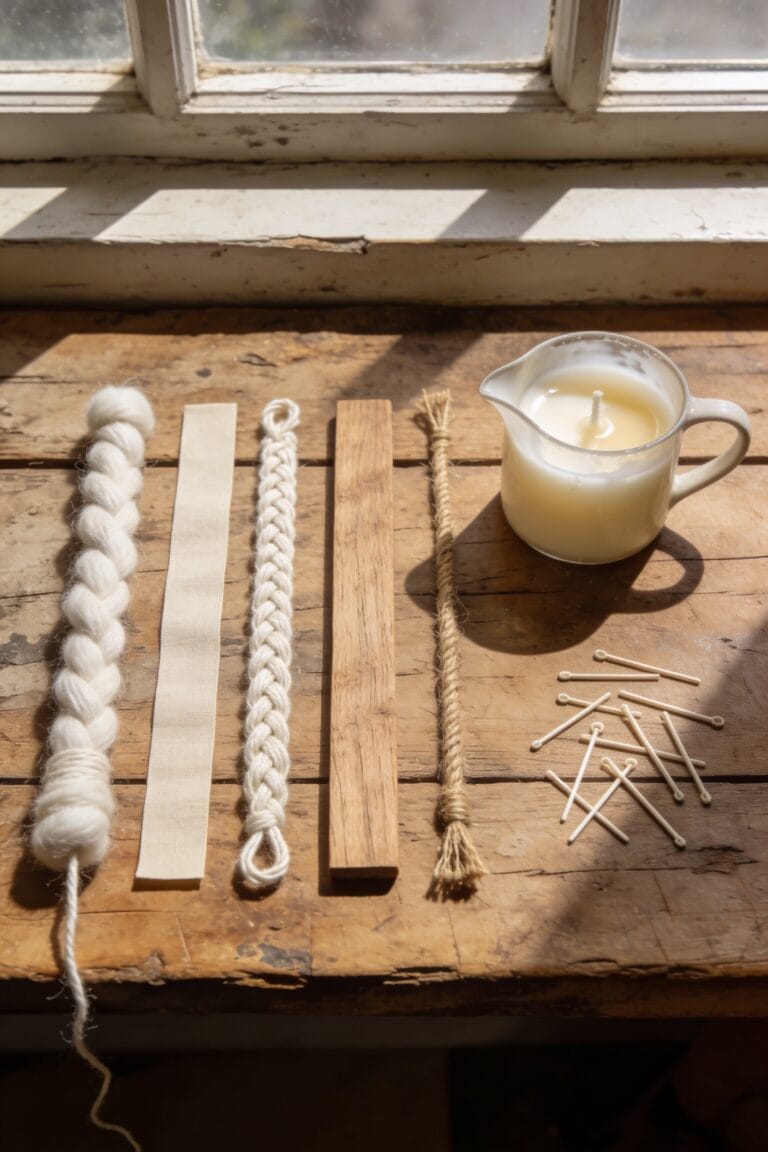
If you’ve ever wondered why your wood wick candle crackles like a dream while your friend’s sounds practically silent, the answer isn’t mystery—it’s a pretty specific combination of three things working together. The wood type matters hugely; softer woods with natural oils crackle more than dense varieties. Then there’s wick compatibility—the wick’s width and thickness need to match your candle’s vessel size. Too narrow, and you’ll get silence instead of pops. Finally, your wax choice and any wax additives play a role. I’ve found that 100% soy wax pairs beautifully with wooden wicks, while fragrance oil amounts can influence crackle intensity too. Get all three elements right, and you’ll nail that fireplace ambiance you’re after.
Recommended Products
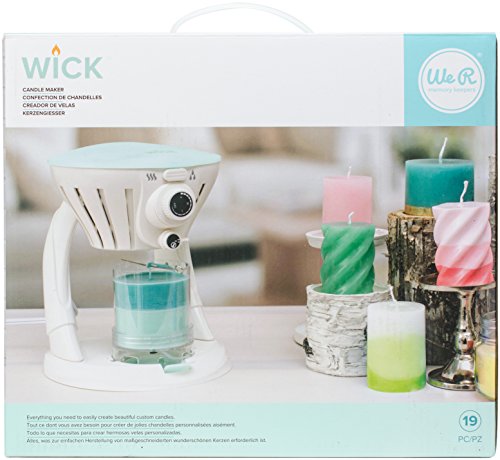
COMES WITH EVERYTHING YOU NEED: This kit includes 3 lbs of Paraffin Wax, 72 inches of cotton wick, 3 candle rubber stoppers, pigment (red, yellow, blue, white), 3 candle molds with base, and a color mixing chart

PREMIUM PARAFFIN WAX BLEND – Professional-grade smooth paraffin candle wax designed for consistent results in container candle making.

NATURAL SOY WAX BEADS - Best candle making supplies make the best soy candles! These safe, ethically produced, microwavable and paraffin-free soy wax beads are smooth and creamy in appearance, perfect for container candles, tealights and melts.
How to Maintain Your Wick for Consistent Crackling
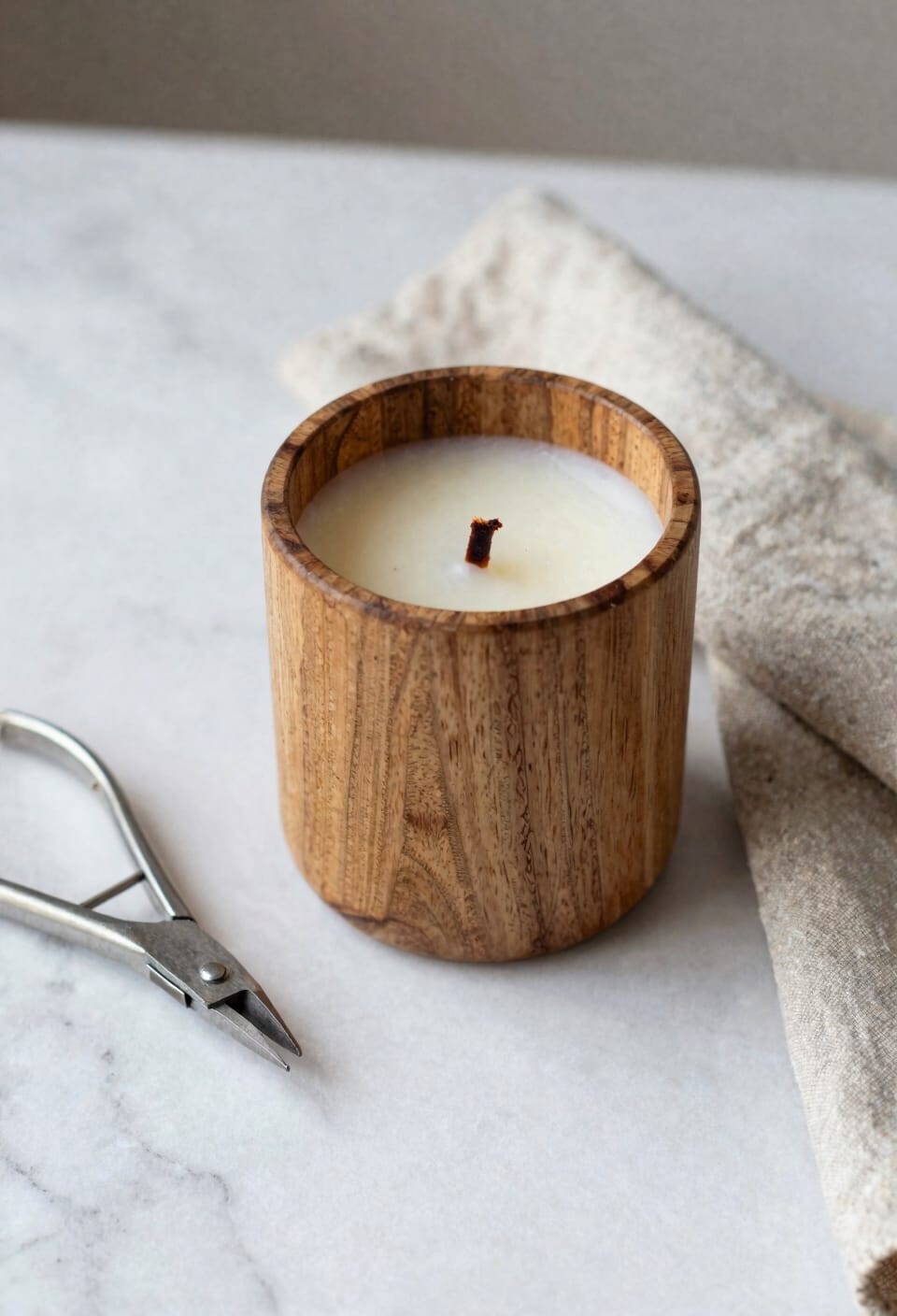
Trim your wick to about 1/8 inch before each lighting. That’s it. This removes charred bits that dull the crackle and prevents mushrooming at the tip. A properly trimmed length lets moisture escape more effectively, amplifying those pops you’re after.
Storage humidity matters too. Keep your candles somewhere cool and reasonably dry—excess moisture makes wood soggy and silent, while overly dry conditions strip the sap that creates sound. Aim for moderate conditions. Remove any debris that falls into the wax pool immediately. Small maintenance steps keep your crackle honest.
Recommended Products

Perfectly trims wicks to maintain optimal candle burn

MEET YOUR NEW FAVORITE HOBBY ... Indulge your love for crafts and aromatherapy with the Fragranthetic candle maker kit. It comes with soy wax, a candle melting pot, thermometer, glass jars, scents, and more accessories to make candles from scratch.

🟠 If you don't want to get a headache from making candles that are yellowed and smell like burnt, our double boiler melting kit is an excellent choice for you!Our water heating melting pots not only preserve the natural aroma scents of soy wax, but also make sure the melted wax looks bright and cream white. In addition, it can avoids setting on fire because of hot wax touching the extremely hot melting pots! Hehinton are aimed at providing you with safe and convenient products!
Why Your Wood Wick Candle Isn’t Crackling?
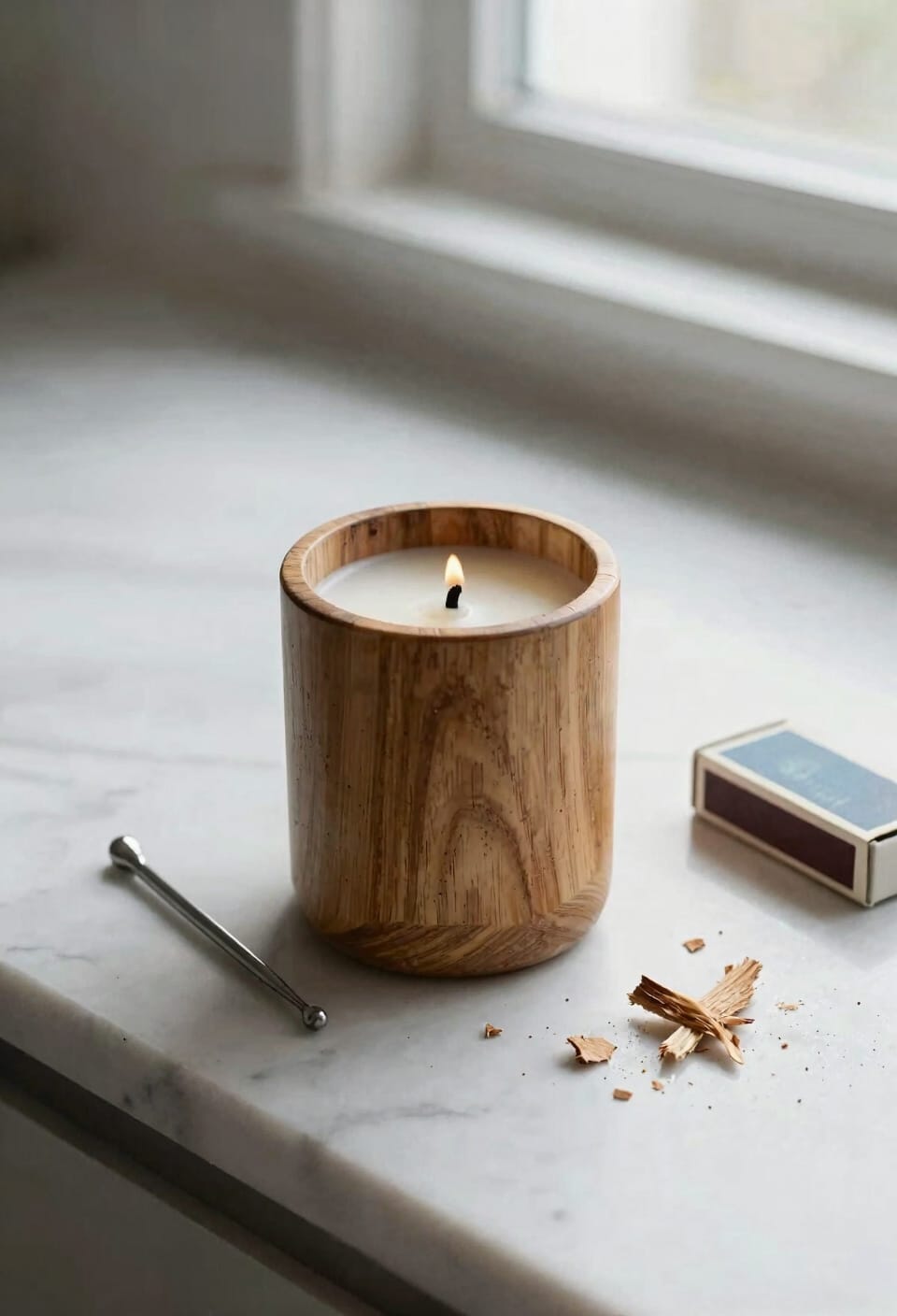
When your wood wick candle burns silent instead of crackling like a cozy fireplace, something’s usually off—and I’ve definitely been there, wondering if I’d somehow bought a dud. The wood might be too dry or treated during manufacturing, which kills that signature pop. Sometimes scent incompatibility plays a role; certain fragrance oils can affect how the wood ignites and crackles. If you’re concerned about performance, check your warranty—reputable makers stand behind their products. Trim that wick to 1/8 inch before each burn. Give it a few minutes to warm up; the flame needs time to work through the wax properly. You’re likely dealing with a simple fix, not a defective candle.
Recommended Products

EDITION Hotels exclusive - bring home the one-of-a-kind EDITION experience with the signature scent loved by EDITION hotels guests around the world.

MASSIVE 8" × 14" LUXURY CANDLE – 300 OZ OF NATURAL COCONUT SOY WAX Make a statement with this Classic Big Ass Candle—our largest candle. This luxury candle delivers bold presence, elegant style, and room-filling fragrance. Perfect as a centerpiece for living rooms, great rooms, and upscale spaces.

Wax Weight: 3,632 g/ 128.12 oz
Prevent Charring and Debris Issues in Wood Wick Candles
One of the fastest ways to tank your wood wick candle’s performance is letting charring build up on that wick—I’ve watched otherwise beautiful candles turn into sooty, underperforming disappointments because of it. The fix is straightforward: trim frequency matters. Before each burn, trim that wooden wick to roughly 1/8 inch. This removes charred remnants and helps your flame catch more easily.
Now, ash removal is equally important. Small bits of burnt wood or debris falling into the wax pool can wreck your burn quality and create safety issues if they accumulate. When you spot charred pieces floating around, gently remove them before lighting. These two habits—regular trimming and quick cleanup—prevent most burning problems and keep your candle performing beautifully from first light to last.
Recommended Products

EXTEND THE LIFE OF YOUR CANDLE: Wick trimmers are a must-have precision tool to properly care for your candle. Our stainless steel wick trimmers use a patented design that allows you to trim your wick and catch the debris with one snip.

Black 5 in 1 Candle Accessory Set: all-inclusive candle care kit. This exquisite collection includes a stylish candle snuffer, precision wick trimmer, wick cutter, elegant dipper, candle lighter and a chic tray.

GIFT SET WITH CANDLE CARE TOOLS: Includes a wick trimmer and metal snuffer lid for regular wick maintenance and convenient flame extinguishing, presented in an elegant black gift box.
Frequently Asked Questions
Are Wood Wick Candles Safe to Burn Compared to Traditional Cotton Wick Candles?
I’ve found that wood wick candles are equally safe as traditional cotton wicks regarding fire safety when you maintain them properly. Both produce similar emission levels, so your choice comes down to personal preference.
How Long Do Wood Wick Candles Typically Burn Compared to Cotton Wick Alternatives?
I’ve found that wood wick candles typically burn slower and longer than cotton alternatives, offering superior fuel efficiency. Their burn consistency remains steady throughout, and proper wick maintenance guarantees you’ll maximize that extended burn time.
Can I Use Wood Wick Candles in Any Size Container or Vessel?
I’d recommend matching your wood wick to your container compatibility and vessel depth. You can’t just use any wooden wick size—I’ve found that proper wick sizing for your specific vessel prevents burning issues and guarantees peak crackling performance.
What Type of Wood Produces the Loudest and Most Satisfying Crackling Sound?
I’ve found that softer hardwood species actually crackle most satisfyingly—contrary to what you’d expect. Their natural oils and moisture create superior flame dynamics, producing that coveted fireplace ambiance you’re seeking.
Do Wood Wick Candles Work Well With All Fragrance Oils and Scent Types?
I’d say fragrance compatibility varies with wood wick candles. Not all scent types work equally well—some oils reduce crackle intensity. I’ve found that lighter fragrances offer better scent throw without compromising your candle’s signature crackling experience.
Conclusion
I’ve learned that wood wick candles crackle when conditions align—when you trim properly, when you choose quality wax, when you honor the wood itself. I’ve watched flames dance and heard that satisfying pop-pop-pop echo through my home. I’ve troubleshot charring and debris. And here’s what I know: you’ll get consistent, cozy crackling when you respect the craft. Your fireplace experience awaits.