As an Amazon Associate, we earn from qualifying purchases. Some links on this site are affiliate links at no extra cost to you. Our recommendations are based on thorough research and editorial judgment.


How Many Hours Should a Candle Burn? (By Size & Type)

All right, here’s the thing—burn time depends way more on wax weight, wax type, and how you’re actually burning it than on what the label promises. Tealights run 4–6 hours, votives 15–20 hours total, and jar candles scale predictably: small (100–150g) hits 20–30 hours, medium (200–250g) reaches 40–55 hours, large (300–400g) stretches to 60–90 hours. Soy wax burns 30–50% longer than paraffin. Multiple wicks torch through wax faster despite higher total volume. Your actual burn time? That’s where the specifics get interesting.
Key Takeaways
- Tealights burn 4–6 hours total; votives last 7–20 hours depending on size and usage patterns.
- Jar candles by weight: small (100–150g) = 20–30 hours; medium (200–250g) = 40–55 hours; large (300–400g) = 60–90 hours.
- Soy wax burns 30–50% longer than paraffin, providing roughly 7 hours of burn time per ounce.
- Three-wick candles consume wax faster than single-wick alternatives but deliver enhanced scent throw and superior fragrance diffusion.
- Trim wicks to quarter-inch before each session and burn in 2–4 hour intervals to maximize longevity and prevent overheating.
How Long Should You Burn a Candle?
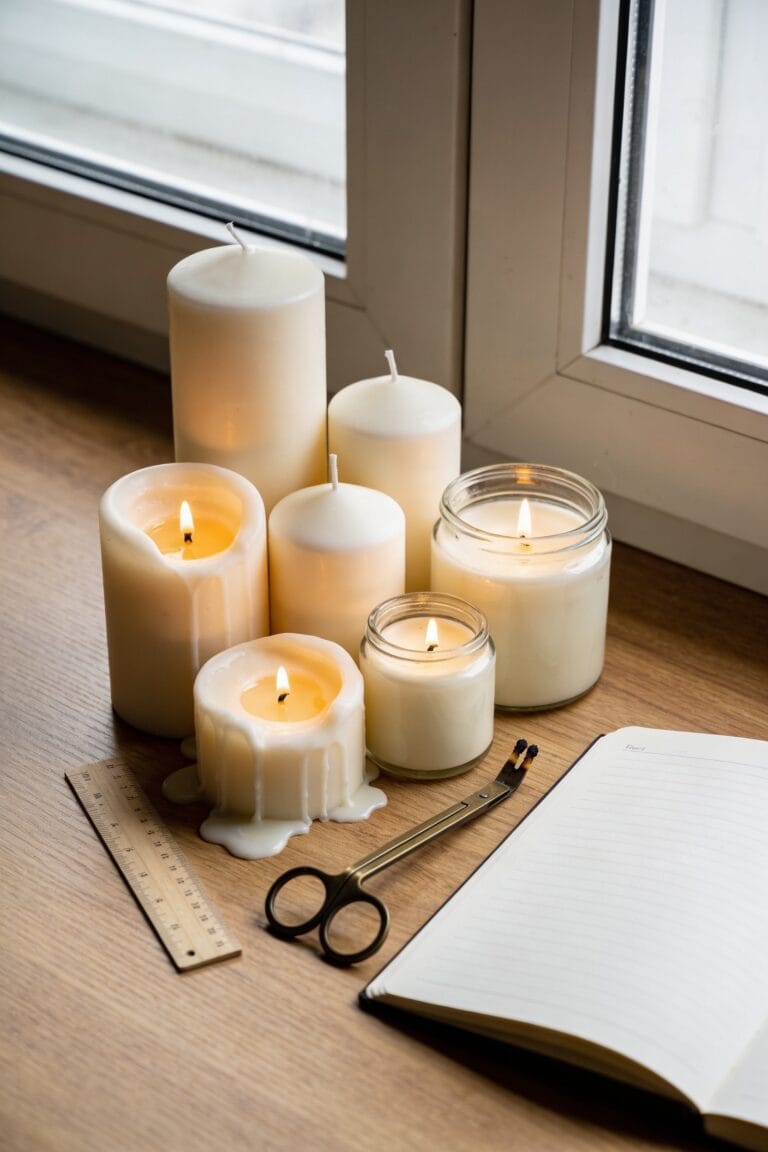
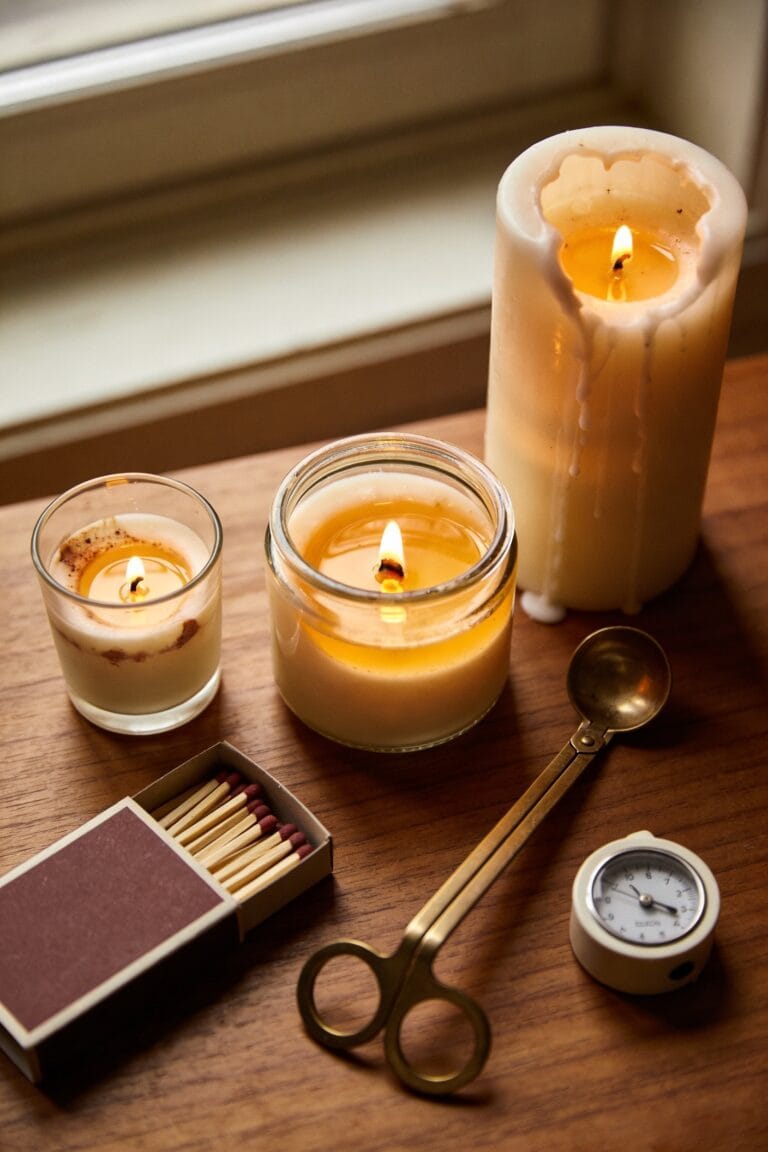
Now, here’s the thing—I used to just light a candle and let it ride until I remembered it was burning, which was, uh, not ideal. You’ll want to burn in intervals of 2–4 hours, maximum. This respects safety intervals and prevents overheating your container or wick. Trim that wick to a quarter-inch before each session—seriously, it matters for even burn and longevity. Room ventilation keeps oxygen flowing so your candle burns clean without depleting the air around you. Ambient temperature affects how quickly wax melts, so avoid drafty spots or direct sunlight. These simple habits protect your candle’s lifespan while maximizing scent throw and preventing common problems like tunneling or black soot buildup on your walls.
Tealight Candles: What to Expect From Short Burns
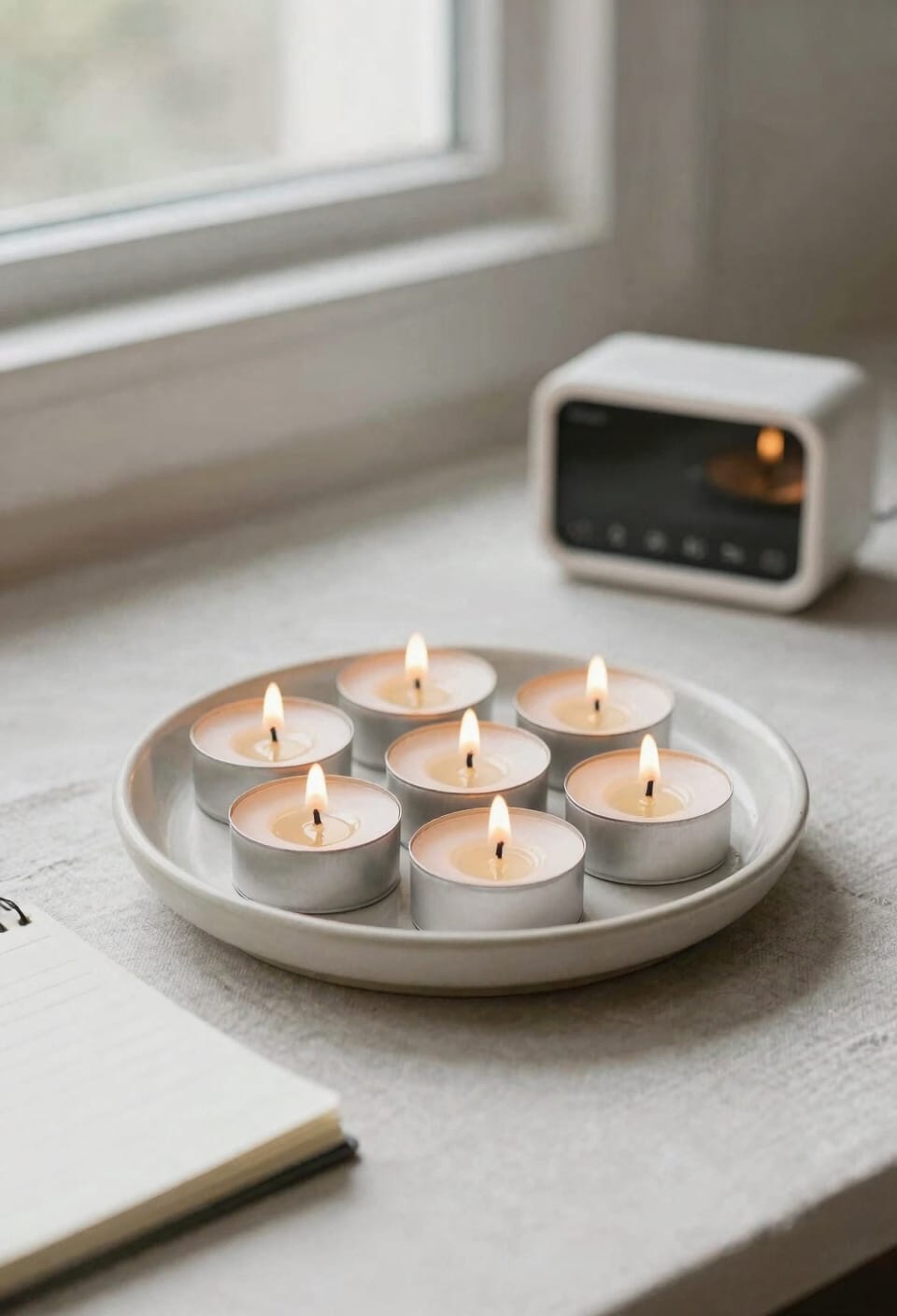
Tealights pack a lot of charm into a tiny package—they’re portable, affordable, and perfect for those moments when you want ambiance without commitment. Each one weighs around 10 grams and burns for roughly 4–6 hours, though you’ll get your best results within the first 2–5 hours when the scent throw is strongest. Here’s the thing: I’ve found that using them in multiples actually works better than burning one alone. They’re ideal for quick ambiance in small spaces—your bathroom, a shelf, during dinner. The downside? Their small size limits duration to short periods. If you’re testing a new fragrance or want flexible burn sessions, tea lightings are your friend. Just know they’re sprinters, not marathons.
Recommended Products

250 TEA LIGHTS, better in bulk and more economical

BULK PACK: Set includes 180 UNSCENTED TEALIGHT FUEL CELLS with extended 8 HOUR burn time . DIMENSIONS: Diameter: 1 1/4 inches Height: 1 inch
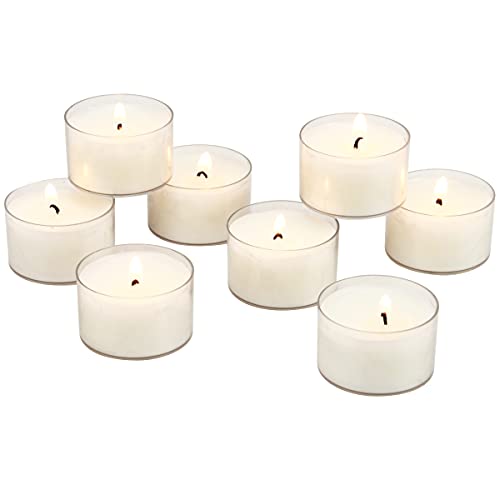
96 unscented long burning clear cup tea light candles come neatly and tightly shrink-wrapped and packaged in a protective storage box
Votive Candles: The Sweet Spot for Medium Sessions
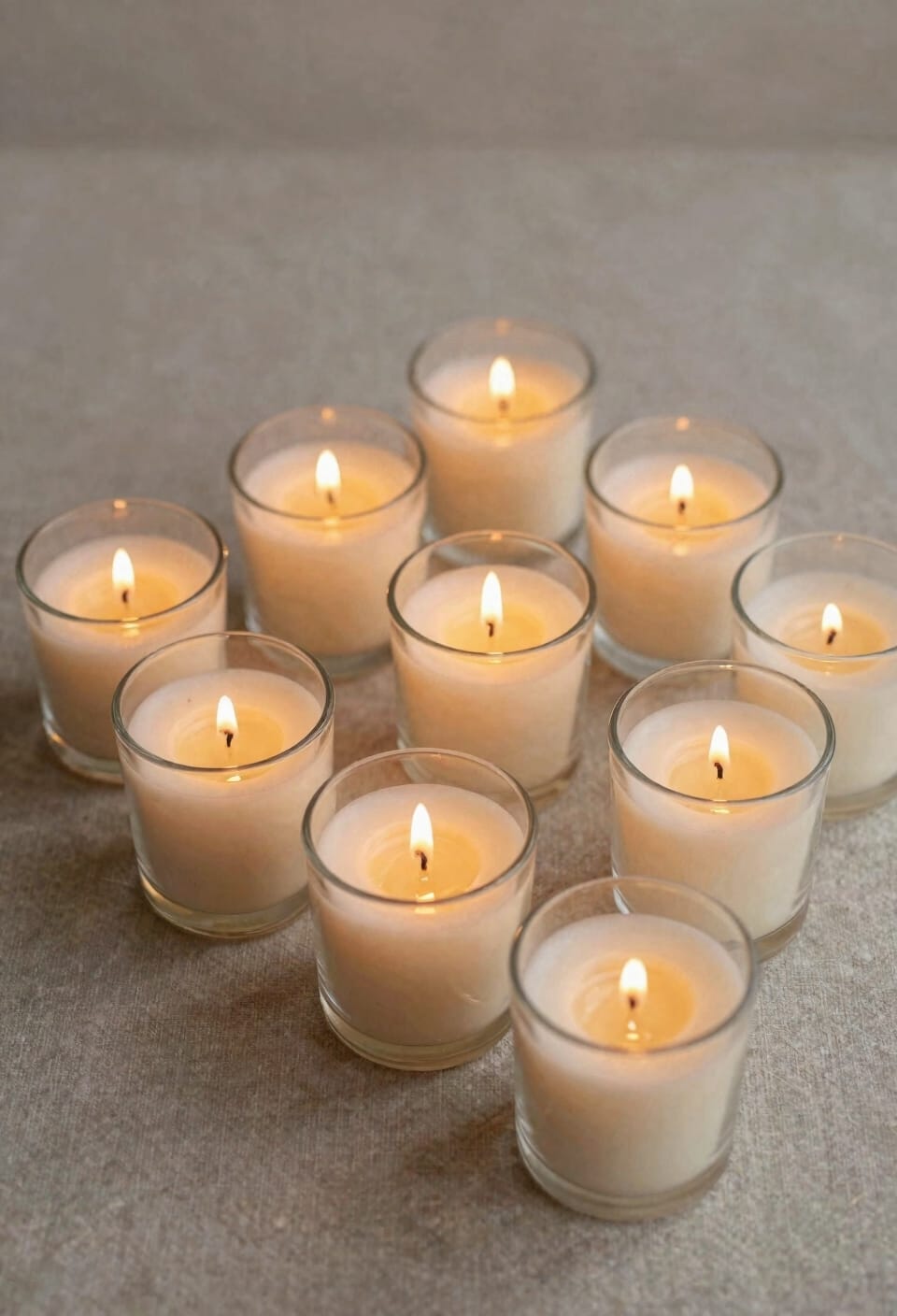
Step up from tealights, and you’ll find votive candles hitting that sweet spot where you’re getting real burn time without committing to a full-size pillar. I’m talking 7–15 hours depending on conditions, with most votives landing around 15–20 hours total. They’re smaller than pillars, sure, but the confined container actually helps. You’ll notice better scent throw since the walls funnel that fragrance right into your space. The key? Trim your wick to quarter-inch before each burn—I learned this the hard way after torching through a votive in three sessions. Proper wick trimming prevents mushrooming and keeps burn time predictable. They’re perfect for desk work or evening reading when you want fragrance without overcommitting.
Jar Candles: Burn Times Explained by Size and Weight
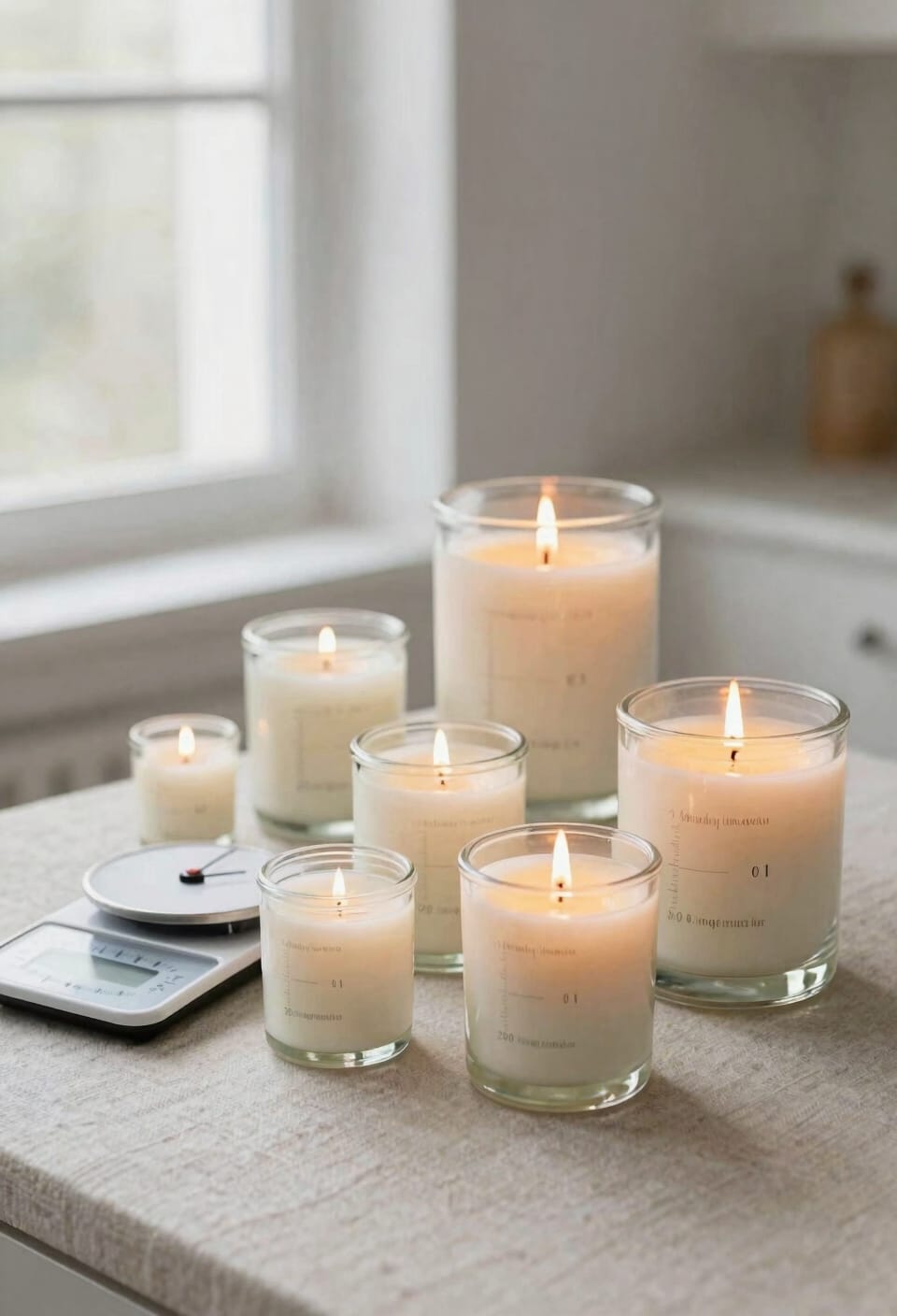
If you’re looking to upgrade from votives without jumping straight to pillar candles, jar candles are where I’d land—they’re basically the Goldilocks of the candle world, offering real flexibility in burn time without requiring you to commit to anything massive. Small jars (100–150g) give you 20–30 hours, mediums (200–250g) stretch to 40–55 hours, and larger ones (300–400g) hit 60–90 hours. An 11-ounce container typically burns 60–70 hours across 2–3 hour sessions, which honestly feels perfect for daily use. Stick with consistent wick trimming—quarter-inch is my sweet spot—and you’ll maximize scent diffusion while avoiding tunneling. The contained design keeps fragrance concentrated too, which frankly beats pillars for scent throw.
Recommended Products
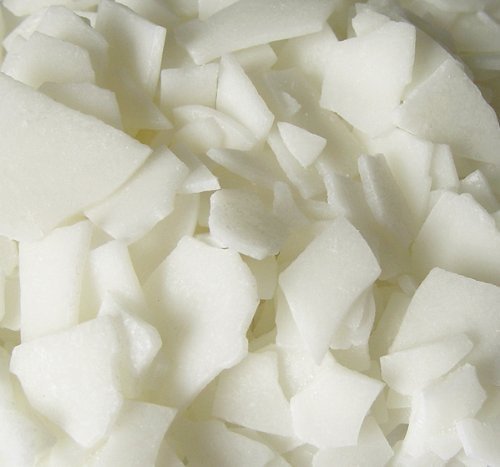
Golden Brands Scentless Soy Wax

Small White Gift Boxes: Mesha gift boxes are made of high quality paper, measure about 4" x 4" x 4", small size, ideal for packing small items, perfect for your retail or gift giving needs. Just fill your gift box with cute gifts and colorful shredded crinkle paper then tie with ribbons or twine to elevate your gift box into a beautiful presentation!

【 Sublimable by Heat 】 : The AGH 11oz candle cup supports the sublimation process and can be customized with patterns as required. Through the four steps of "image selection and printing - tight bonding - oven/sublimation machine processing - finished product presentation", create your own candle cup. The printed patterns are clear and foggy, giving each candle cup a unique personality.
Pillar Candles: Maximum Duration for Freestanding Wax
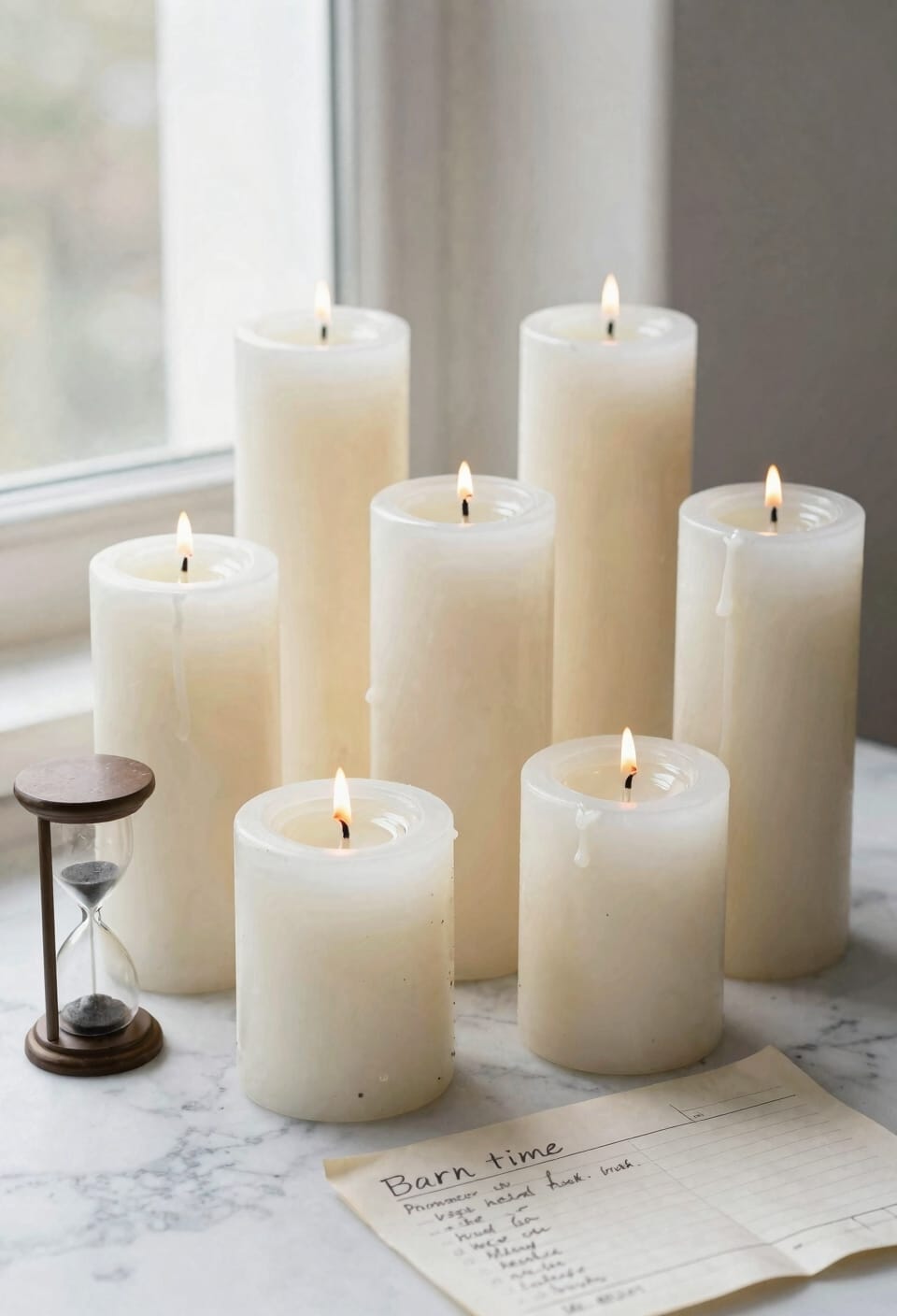
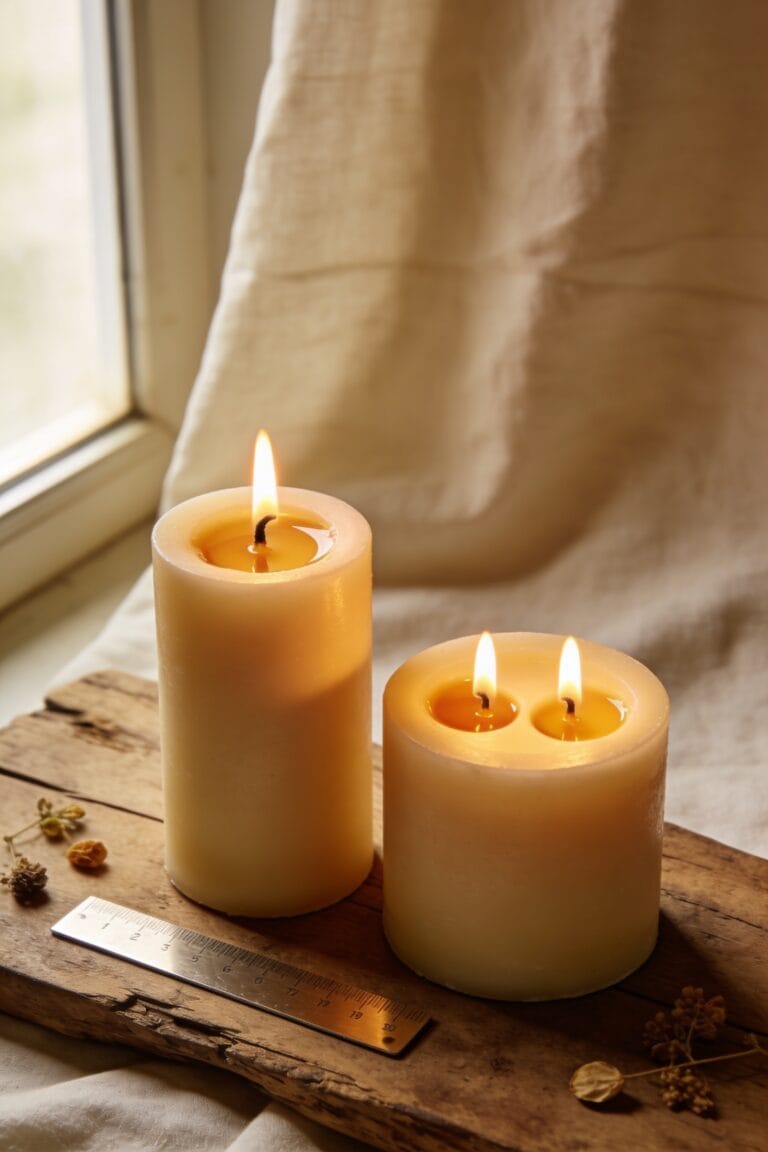
Now, pillar candles are where you go when you want pure staying power—we’re talking up to 60 hours of burn time from a single, freestanding piece of wax. The real advantage? Their maximum lifespan comes down to sheer volume. More wax means more fuel, plain and simple.
But here’s where it gets tricky: shape matters. A wider pillar burns faster than a narrow one because that larger melt pool consumes wax quicker. Wick thickness plays a role too—thicker wicks gulp wax faster, shortening your overall burn.
The structural integrity of your pillar affects evenness as well. Quality pillars burn cleanly without tunneling, which wastes wax and kills that maximum duration you’re paying for. So pick one with a decent wick-to-diameter ratio.
Recommended Products

100% Pure Beeswax Candle: Hand-poured from naturally filtered beeswax for a rich, golden glow. These clean burning candles are free from paraffin, soy, and synthetic fragrances. Each 1-wick dripless pillar candle features natural cotton candle wicks and pure candle wax for a long-lasting burn and warm, cozy candle light.

MASSIVE 8" × 14" LUXURY CANDLE – 300 OZ OF NATURAL COCONUT SOY WAX Make a statement with this Classic Big Ass Candle—our largest candle. This luxury candle delivers bold presence, elegant style, and room-filling fragrance. Perfect as a centerpiece for living rooms, great rooms, and upscale spaces.

Long burn time; Ideal for ambience or mood lighting in low light tabletop applications; Costs just pennies an hour to burn
Multi-Wick Candles: Why Three Flames Burn Your Wax Faster
Three flames might sound like the ultimate cozy setup, but they’re basically a wax-eating machine—and I learned this the hard way after buying a fancy three-wick jar thinking I’d scored the burn-time jackpot. Here’s the thing: multiple wicks create a larger melt pool, which means faster wax consumption. You’re looking at 100+ hours total for a 400g three-wick, but light all three and you’ll burn through wax quicker than a single-wick alternative. The trade-off? Superior scent diffusion. Proper wick placement matters enormously—quality candles space their wicks strategically to maximize fragrance throw while minimizing uneven burning. So yes, three-wick candles are pricey and demanding. But if you’re serious about filling your space with scent, they deliver.
Recommended Products


MASSIVE 8" × 14" LUXURY CANDLE – 300 OZ OF NATURAL COCONUT SOY WAX Make a statement with this Classic Big Ass Candle—our largest candle. This luxury candle delivers bold presence, elegant style, and room-filling fragrance. Perfect as a centerpiece for living rooms, great rooms, and upscale spaces.
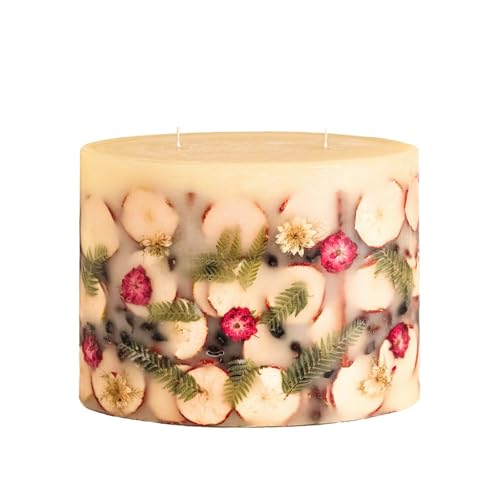
This eclectic collection of botanicals brings calming earth tones to the table with hues that complement any fall decor. A charming mix of pine cones, bark, twigs, fern and more saturated with the crisp fragrance of fir needles, crushed leaves and sweet red cedar with a touch of Scotch pine, falling leaves and white musk. Whether you are celebrating Christmas, your birthday, or any special day, bring the holiday indoors with these Forest Oval Candle Plate Set.
Soy vs. Paraffin: Which Wax Burns Longer?
The wax you choose matters more than you’d think—it’s the difference between a candle that burns for two weeks straight and one that’s gone in half that time. Soy wax burns 30–50% longer than paraffin, giving you roughly 7 hours per ounce. That’s real money saved over time. Soy also produces fewer combustion residues, meaning less soot buildup on your walls and ceiling—something I wish I’d known before my guest room looked like a chimney. Paraffin’s cheaper upfront, sure, but wax longevity tips the scales toward soy. You’re paying more per candle, but fewer candles overall. Natural waxes like beeswax offer similar advantages. Pick soy if you want actual value.
Recommended Products


SCENT - Feu de Bois evokes fresh pine falling on curls of sandalwood & rare Virginia cedarwood. Smoky leather accords, frankincense & nuances of vanilla are tranquil and comforting.

UNIQUELY HANDMADE: Perfect for a relaxing ambiance! Each scented candle is crafted from real wood, providing a unique and sustainable touch. Heart shape elevates aesthetic!
Why Larger Wicks Consume Wax Faster
Larger wicks burn hotter and wider, pulling more melted wax upward to fuel themselves, so your total burn hours drop noticeably—sometimes by 20–30% compared to a candle with an appropriately sized wick. The culprit? Capillary action. That’s the process where the wick draws liquid wax upward through its fibers. A thicker wick diameter means more surface area pulling wax, faster consumption, period. You’ll notice a wider melt pool too, which burns through your candle quicker than you’d expect. The trade-off seems obvious: bigger flame, shorter lifespan. When you’re shopping, check that wick size matches the container width. It’s a small detail that dramatically changes whether you’re getting your money’s worth or torching through expensive wax in half the promised time.
Environmental Factors That Shorten Burn Time
While you’ve been diligent about choosing the right wick size and understanding wax types, I’ve got news: your environment is quietly sabotaging your burn time whether you realize it or not. Drafting ventilation is a silent killer—open windows, ceiling fans, and AC vents pull heat away from your melt pool, forcing the wick to work harder and burn through wax faster. You’re effectively racing the airflow. Humidity effects matter too. High moisture levels slow evaporation and can create uneven burning, though this one’s less dramatic than drafting. Keep candles away from windows, doors, and vents. I’ve learned this the hard way after watching supposedly 60-hour candles crater down to 40. Your room’s climate shapes everything, so account for it.
Test Your Candle’s Burn Rate at Home
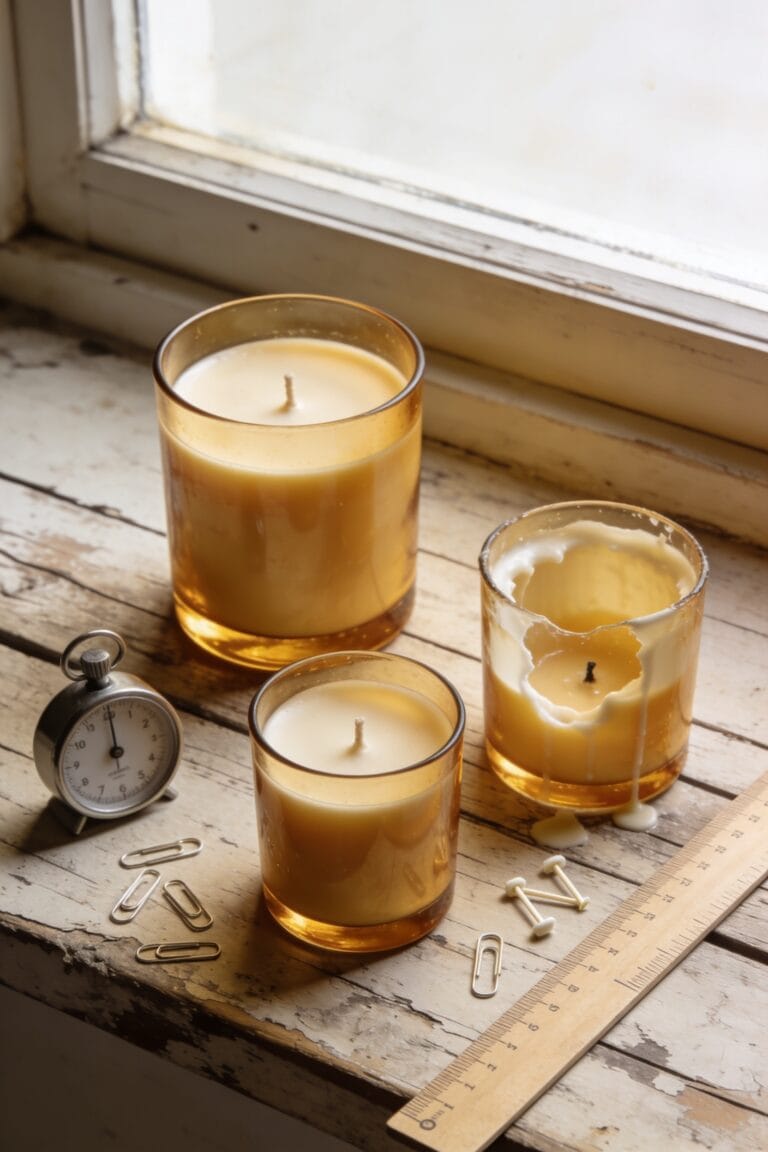
Now that you know your environment’s playing tricks on your burn time, it’s worth actually measuring what’s happening in your own space instead of just trusting the label. I track my candles in a burn journal—nothing fancy, just noting the date, time burned, and how the wick performs. Weigh your candle before and after each 2–3 hour session to see your actual consumption rate. This reveals whether wick trimming is solving tunneling issues or if glass curing affected initial performance. Compare these real numbers against manufacturer claims. You’ll quickly spot which candles deliver and which ones you’ve wasted money on. Your data beats any generic estimate, and honestly, it’s oddly satisfying watching the numbers tell you the truth about your collection.
Frequently Asked Questions
Can I Relight a Candle Multiple Times Without Affecting Its Total Burn Hours?
Yes, I can relight your candle multiple times without affecting total burn hours. What matters is proper wick maintenance and burn restoration between sessions. Trim your wick to prevent tunneling and make certain even wax consumption each time you light it.
Is It Safe to Burn a Candle for Longer Than the Recommended Duration?
I’d caution against extended burns beyond recommendations—they risk overheating containers, creating excessive soot, and damaging wicks. Proper wick maintenance through regular trimming guarantees safer, more controlled burning within suggested timeframes.
How Do Scent Throw and Fragrance Oils Impact a Candle’s Burn Time?
I’d say higher scent concentration and thicker oil viscosity slow your candle’s burn time since they make the wax denser. You’ll notice reduced burn hours compared to lightly scented versions.
What’s the Ideal Room Temperature for Maximizing Candle Burn Duration?
I’ve found that candles burn 30–50% longer in stable climates. You’ll maximize duration by keeping your room temperature consistently between 65–75°F, avoiding drafts that disturb the flame and destabilize your wax pool’s melting rate.
Do Colored Candles Burn Differently Than Unscented or Natural-Colored Candles?
I’ve found that colored candles burn similarly to unscented ones, though dye migration and pigment fading can affect appearance. The wax type and wick size matter more than color for actual burn duration.
Conclusion
I’ve wasted money on candles that burned fast or smelled like nothing, and coincidentally, those disappointments taught me what actually matters: wick quality, wax type, and realistic expectations. You’ll get better burns—literally and figuratively—when you match candle size to your space, respect burn time limits, and choose quality over impulse. Smart choices don’t cost more; they just cost attention.