As an Amazon Associate, we earn from qualifying purchases. Some links on this site are affiliate links at no extra cost to you. Our recommendations are based on thorough research and editorial judgment.

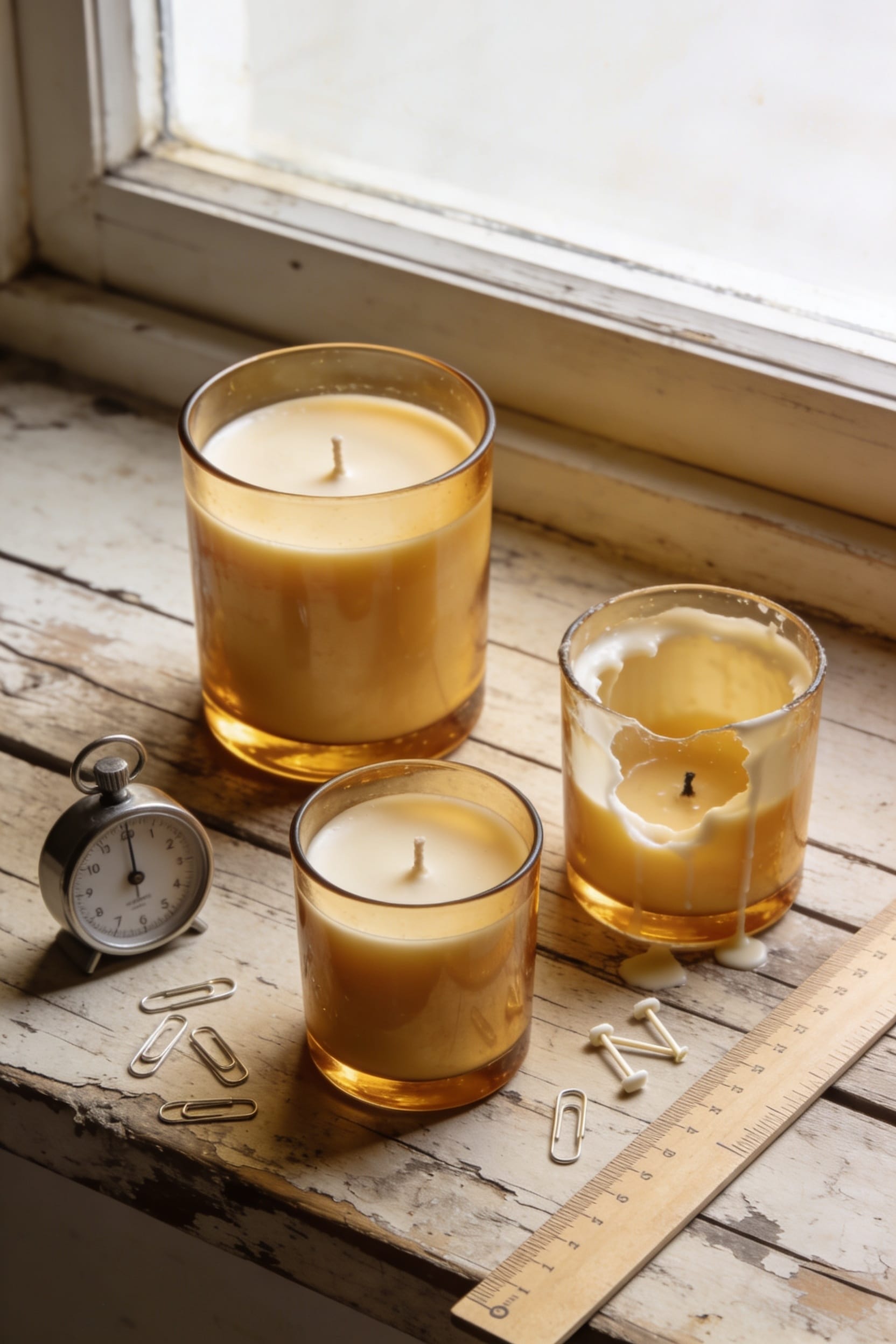
Soy Candle Burn Time Compared: Which Lasts Longest?

Soy wax burns roughly 50% longer than paraffin—you’re looking at 7 to 9 hours per ounce versus 5 to 6—so a standard 10-ounce soy candle hits 70 to 90 hours of fragrance. Coconut wax edges it out slightly at 8 to 10 hours per ounce, and beeswax matches soy’s range. The real win? You’re getting better cost-per-hour value and less waste with plant-based options. But wick count, container width, and how you burn it first time around actually matter just as much as wax type itself.
Key Takeaways
- Soy wax burns 7–9 hours per ounce, roughly 50% longer than paraffin’s 5–6 hours per ounce.
- A standard 10-ounce soy candle provides approximately 70–90 hours of fragrance diffusion and burn time.
- Coconut wax slightly edges soy at 8–10 hours per ounce; beeswax matches soy’s performance range.
- Three-wick soy candles (17 oz) burn 70–90 hours but faster than single-wick equivalents due to increased oxygen circulation.
- Proper first burn forming a full melt pool prevents tunneling and maximizes total burn hours and value.
How Long Does Soy Wax Burn? The Numbers Explained
When you’re trying to figure out whether that soy candle’s price tag is actually justified, the burn time is where the math gets real. Soy wax burns 7–9 hours per ounce, which means a standard 10-ounce candle gives you roughly 70–90 hours of fragrance diffusion. That’s substantial compared to paraffin’s measly 5–6 hours per ounce.
Here’s the thing: soy’s lower melting point means it burns cooler and slower, extending your scent throw considerably. A 17-ounce 3-wick soy candle can last 70–90 hours, making it genuinely worth the investment if you’re burning consistently. All right, I’ll be honest—that longevity matters when you’re calculating cost-per-hour, especially with quality fragrances. You’re basically getting more bang for your buck.
Soy vs. Paraffin: Why Soy Burns 50% Longer
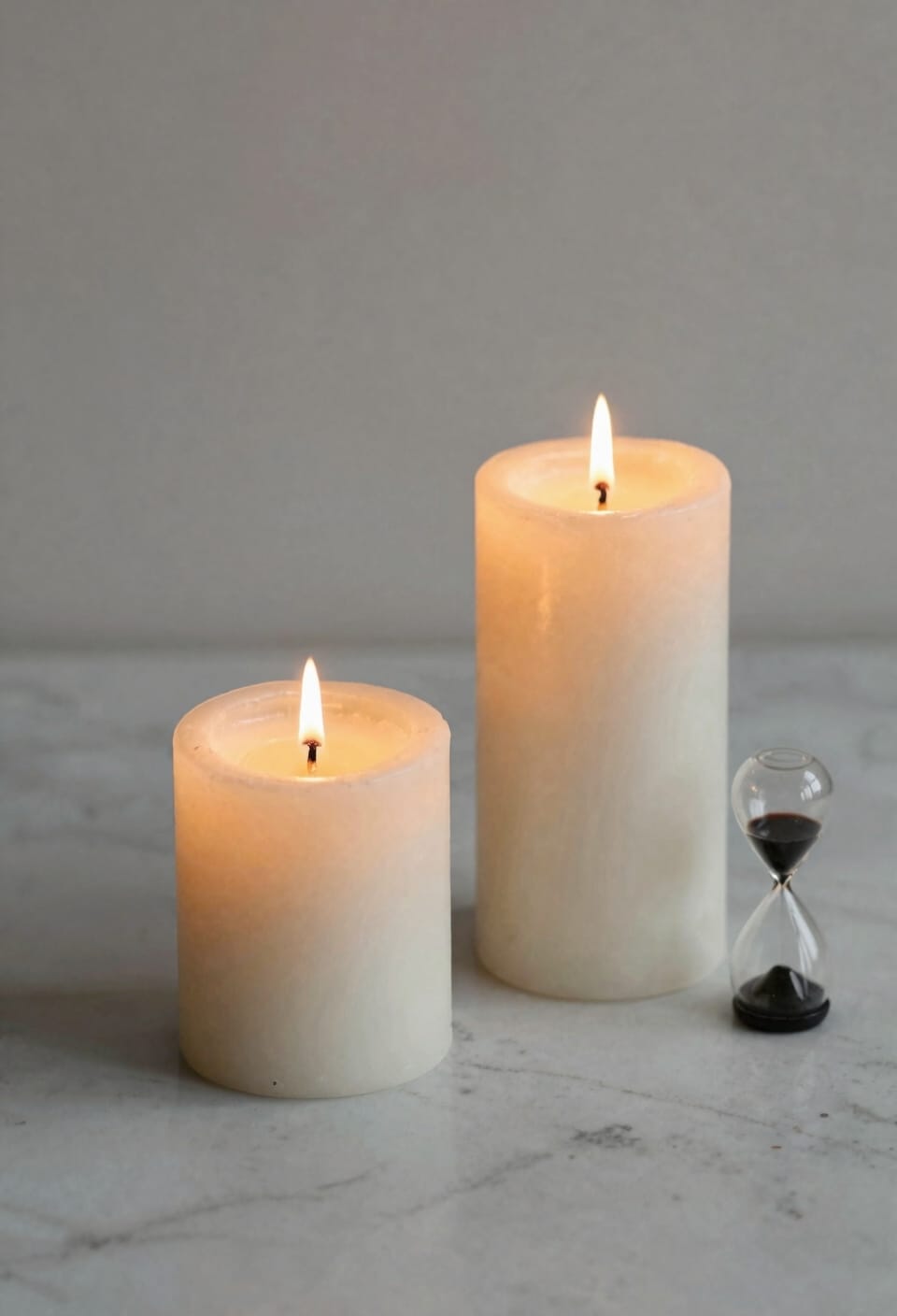
All right, so here’s where soy’s real advantage shows up: that 50% longer burn time compared to paraffin isn’t just marketing speak—it’s straight-up chemistry. Soy wax burns at a lower temperature than paraffin, which means it melts slower and lasts markedly longer. You’re getting 7–9 hours per ounce from soy versus just 5–6 hours from paraffin. That matters when you’re calculating value, obviously. Beyond your wallet, there’s the environmental impact—soy’s renewable and biodegradable, while paraffin comes from petroleum. You’ll also notice soy delivers better scent throw because it burns cooler and more evenly, releasing fragrance steadily throughout the candle’s life instead of rushing through it. That’s the real win.
Recommended Products


SCENT - Feu de Bois evokes fresh pine falling on curls of sandalwood & rare Virginia cedarwood. Smoky leather accords, frankincense & nuances of vanilla are tranquil and comforting.

MASSIVE 8" × 14" LUXURY CANDLE – 300 OZ OF NATURAL COCONUT SOY WAX Make a statement with this Classic Big Ass Candle—our largest candle. This luxury candle delivers bold presence, elegant style, and room-filling fragrance. Perfect as a centerpiece for living rooms, great rooms, and upscale spaces.
How Wick Count Changes Your Burn Time
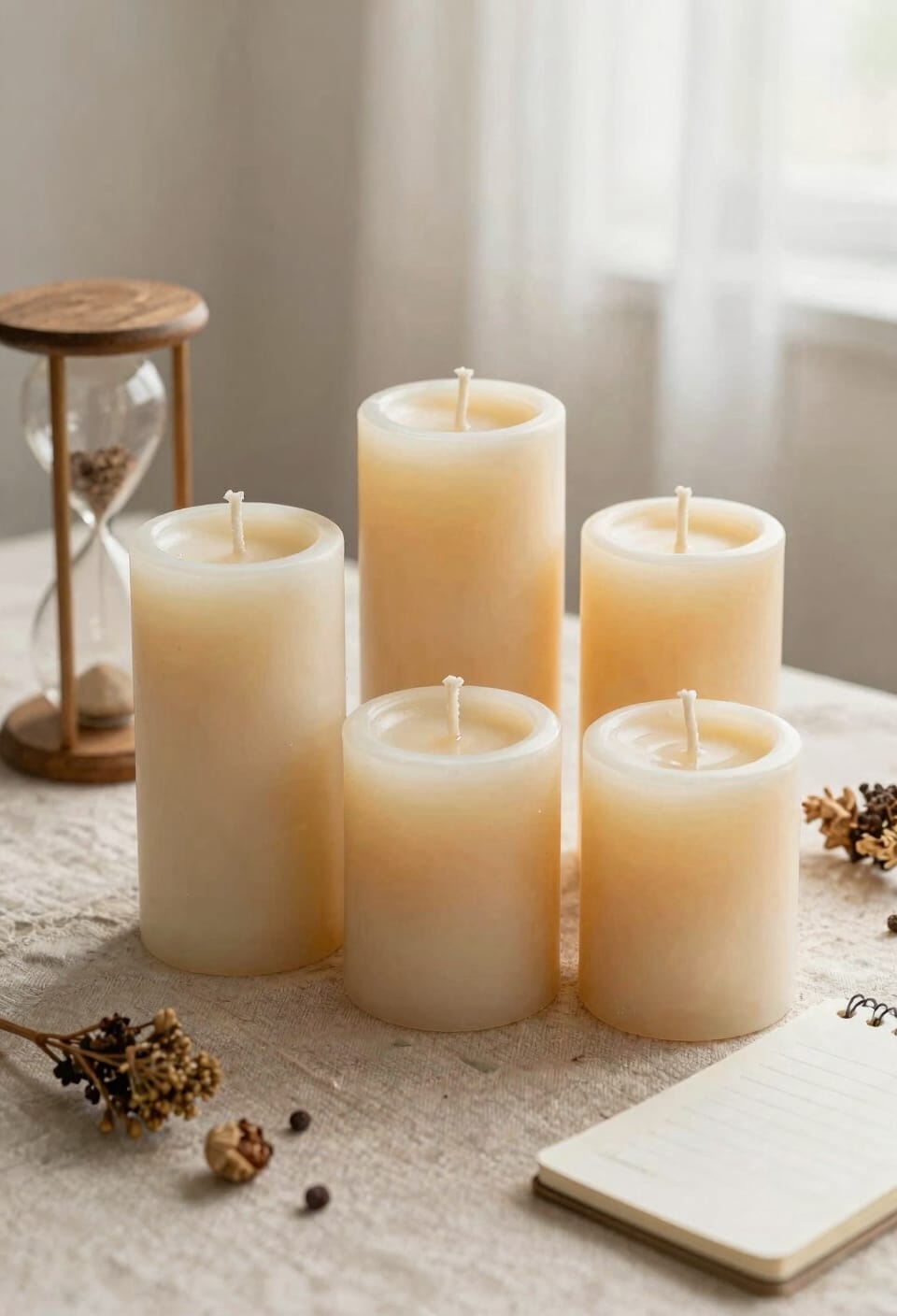
Now here’s where things get interesting: add a second wick to your soy candle and you’re not just doubling the flame—you’re fundamentally changing how fast that wax burns. Two wicks create a wider melt pool, which means more surface area liquefying at once. That’s where wick maintenance becomes essential; you’ll want to trim each wick to prevent uneven burning and excess soot buildup.
The airflow effects matter too. Multiple wicks increase oxygen circulation around the flames, causing faster fuel consumption. A 17-ounce three-wick soy candle burns through roughly 70–90 hours, while a single-wick version of similar weight stretches considerably longer. You’re trading longevity for quicker scent throw and visual impact. It’s the trade-off nobody mentions until they’ve already bought the thing.
Recommended Products
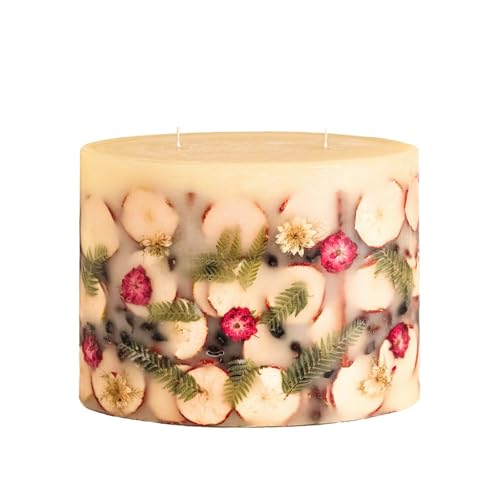
This eclectic collection of botanicals brings calming earth tones to the table with hues that complement any fall decor. A charming mix of pine cones, bark, twigs, fern and more saturated with the crisp fragrance of fir needles, crushed leaves and sweet red cedar with a touch of Scotch pine, falling leaves and white musk. Whether you are celebrating Christmas, your birthday, or any special day, bring the holiday indoors with these Forest Oval Candle Plate Set.

Safer Ambience for Everyday Moments: Our sand wax candle design with self-extinguishing sand candle wicks minimizes fire risk if tipped and prevents hot wax spills; ideal for homes with pets or kids that won’t renounce stylish décor, offered in White, Red, Nude, and Black for cozy luxury
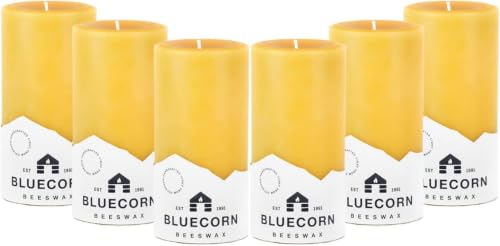
100% Pure Beeswax Candle: Hand-poured from naturally filtered beeswax for a rich, golden glow. These clean burning candles are free from paraffin, soy, and synthetic fragrances. Each 1-wick dripless pillar candle features natural cotton candle wicks and pure candle wax for a long-lasting burn and warm, cozy candle light.
Candle Size and Burn Duration: The Math
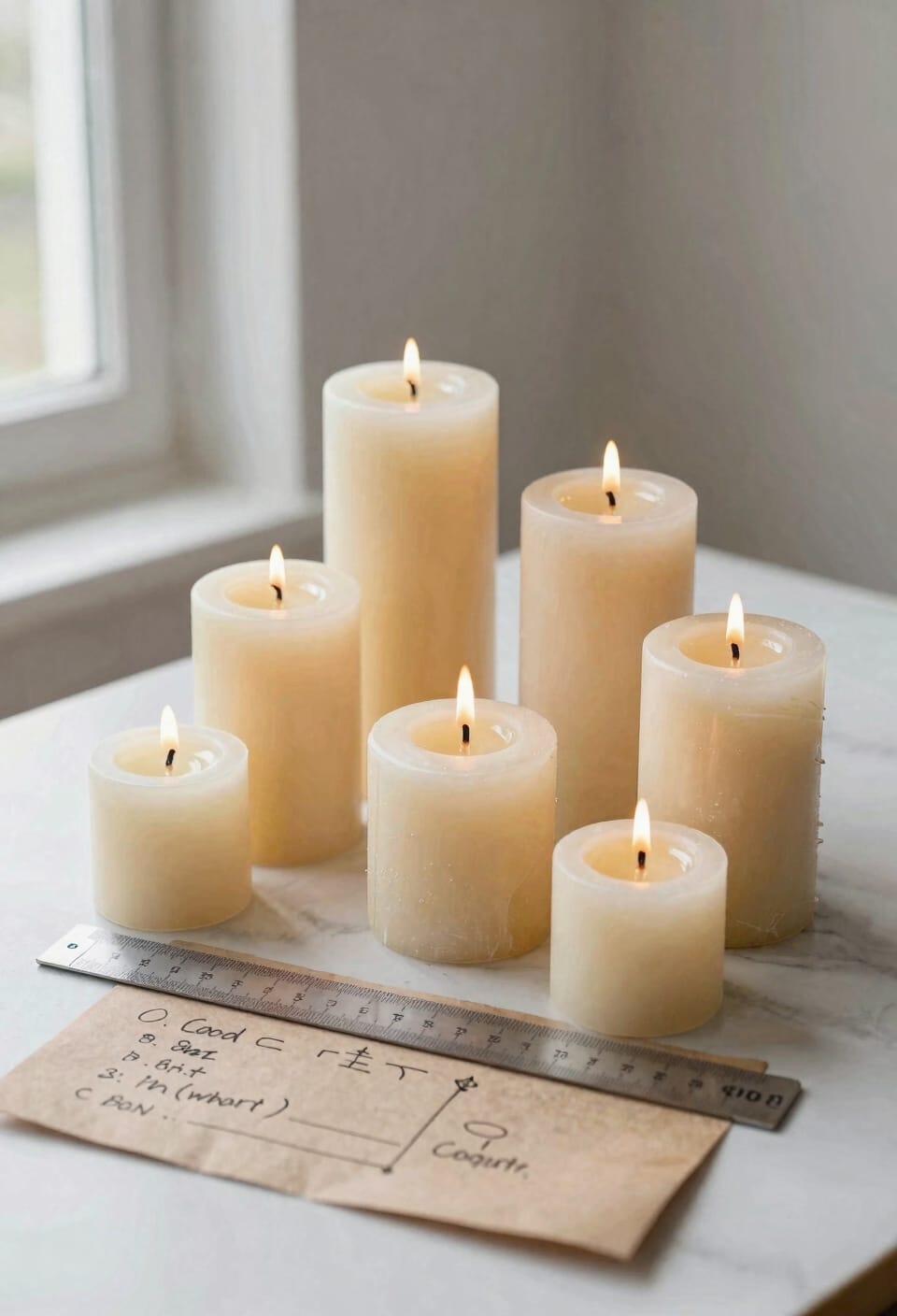
Once you understand how wick count shapes burn time, the next puzzle piece is figuring out what size candle actually makes sense for your space and budget. Here’s the thing: a 4 oz single-wick gives you roughly 20–30 hours, while a 10 oz signature jar stretches to 50–60 hours. That math seems straightforward until you factor in melt pool dynamics and wick positioning effects—because container width actually matters more than you’d think. A wider jar creates a larger melt pool, which means slower, more even burning and better fragrance throw. A 17 oz three-wick soy candle hits 70–90 hours precisely because those multiple wicks work together, creating ideal heat distribution. Size and wick strategy aren’t separate decisions. They’re connected.
Why Your First Burn Sets the Maximum Hours
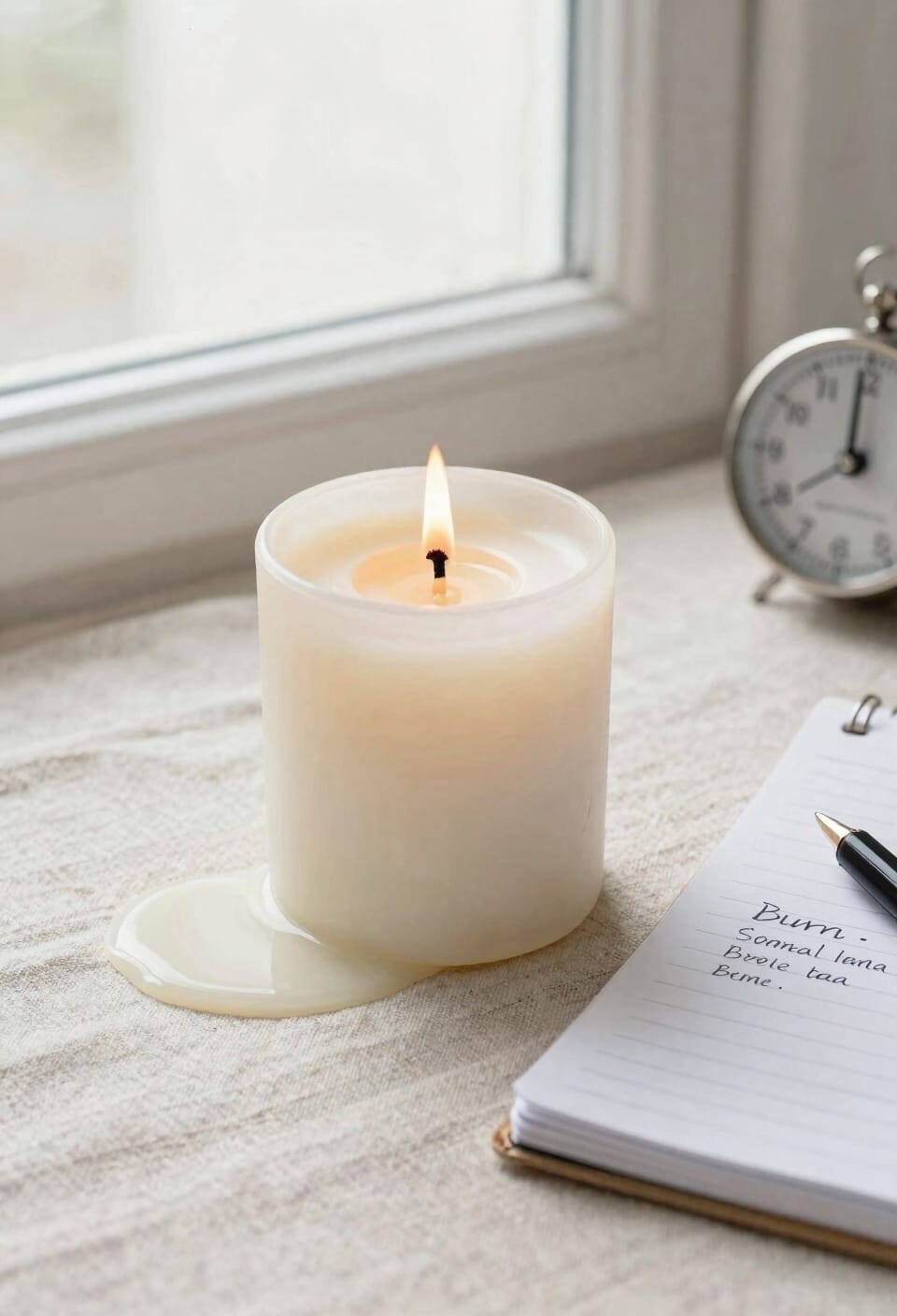
The moment you light a soy candle for the first time, you’re actually setting the stage for every burn that comes after it—and I learned this the hard way after years of wondering why some of my candles seemed to lose their magic halfway through their supposed lifespan. That initial burn creates what’s called a melt pool memory. If you don’t let the wax pool fully form across the entire width during your first burn—ideally two to four hours—the candle will never burn wider than that initial melt pool formation. You’ll get tunneling, where unmelted wax clings to the container’s sides while the middle burns down. That’s not just wasted wax; it’s wasted fragrance hours and money. Get that first burn right, and you unleash the candle’s full potential.
Multi-Wick Candles: Do They Really Burn Longer?
All right, so you’ve nailed that first burn and you’re thinking you’ve got this candle thing figured out—but then you spot a three-wick version of the same scent and wonder if it’ll actually last longer or if you’re just paying more for the aesthetics. Here’s the thing: more wicks don’t automatically mean more hours. What matters is wick placement and how the wicks work together. Three-wick candles create larger heat pooling across the surface, which burns faster than a single wick would. You’re trading longevity for stronger scent throw and quicker fragrance dispersal. A 17-ounce three-wick might burn 60–90 hours, sure, but that same wax weight in a single wick format lasts longer overall. Choose multi-wick if you want intensity, not necessarily lifespan.
Recommended Products
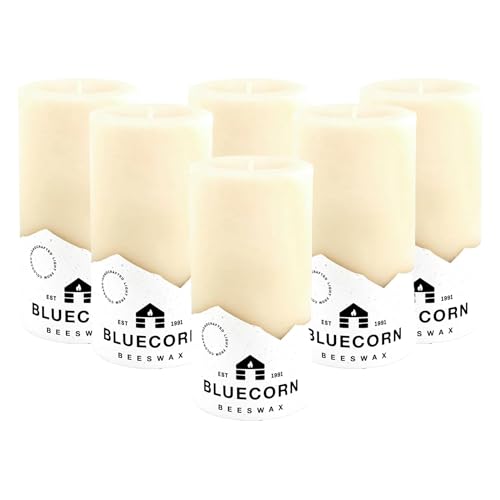
100% Pure Beeswax Candles — Non Toxic & Hypoallergenic: Hand-poured from naturally filtered beeswax for a truly unscented, hypoallergenic white beeswax candle. Each pure beeswax candle features a cotton wick for a clean, dripless burn, completely free from paraffin, soy and synthetic fragrances. A natural, non toxic candle alternative that adds warm, cozy candlelight to any setting.
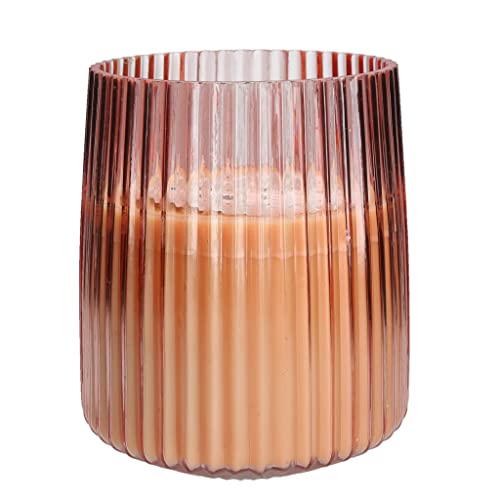
FRAGRANCE: Sweet Grace

Elegant Elephant-Shaped Decorative Candle This fall candle comes in a hand-crafted elephant-shaped ceramic jar finished in luxurious gold, blending artistry with home décor. At 28oz, this large candle doubles as a centerpiece while creating a warm glow. Perfect as an autumn candle or candle gift, it brings style and fragrance to living rooms, bedrooms, or meditation spaces.
Soy Candles vs. Natural Waxes: A Burn-Time Breakdown
If you’ve been wondering whether soy’s actually worth the premium price, the burn time is where I’d make your case—soy wax burns 7–9 hours per ounce, which means you’re getting roughly 50% longer burn than paraffin, and that math compounds fast when you’re talking about a 10-ounce candle instead of a 4-ounce one. Coconut wax edges it out slightly at 8–10 hours per ounce, while beeswax matches soy’s range. Here’s what matters though: plant-based scents tend to perform better in soy’s cooler burn, and you’re getting genuine sustainability benefits too. Natural waxes outlast paraffin consistently, which means fewer candles in your trash and more fragrance hours per dollar spent. That’s worth paying attention to.
5 Burning Habits That Prevent Wasting Wax
Most of your candle’s lifespan doesn’t actually depend on the wax itself—it depends on you, and I learned this the hard way by lighting candles for 20 minutes at a time, wondering why they’d tunnel after three burns. Here’s the thing: you need to commit to proper wick hygiene and burning discipline. Trim that wick to a quarter-inch before each light. Burn for at least two to four hours on your first go so the melt pool reaches the edges—this prevents tunneling entirely. Keep sessions under four hours maximum. Store your candles at consistent, moderate temperatures away from direct sunlight. These habits? They’ll literally double your candle’s lifespan. You’re not just burning wax; you’re protecting your investment.
Soy Candle Burn Times by Size: Quick Reference
Now that you’ve got your burning habits locked in, you’re probably wondering what you’re actually working with—how long you can realistically expect that soy candle to last before it’s just a memory and some leftover wax. Here’s the breakdown: a 4 oz single-wick burns 20–30 hours, a medium 7–9 oz jar hits 40–50 hours, and the signature 10 oz sits around 50–60 hours. Jump to a large 14–17 oz three-wick, and you’re looking at 60–90 hours. Since soy burns at 7–9 hours per ounce, multiply your candle’s weight to estimate duration. Quality wax additives and strong scent throw matter too—they won’t extend burn time, but they’ll maximize what you get from every hour.
Recommended Products

45 LB Case All-natural container blend that is predominately coconut and fortified with vegetable waxes. The wax adheres with a smooth finish and receives color well. Coconut 83 has an excellent fragrance release (cold and hot throw) with a cooler burn profile when dialed in with balanced wicks.

EXTENDED BURN TIME: Delivers an impressive 300-hour burn thanks to its oversized 150 oz format, allowing you to enjoy long-lasting ambiance without the hassle of frequently replacing smaller candles.

Ceramic vessel, Raised lips design, Scented soy wax, 3-wick
Maintenance Practices That Extend Your Candle’s Life
Once you’ve got a soy candle burning in your space, here’s what I’ve learned the hard way: the difference between one that lasts 60 hours and one that fizzles out at 40 comes down to what you do between burns. Trim that wick to a quarter inch before relighting—I’m serious about this one. Debris and buildup cause uneven burning and wasted wax. For jar storage, keep your candles in a cool, dry spot away from direct sunlight, which can fade the wax and mess with fragrance integrity. Those first burns matter tremendously. Give your candle a solid 2–4 hours on that initial light so the melt pool reaches the edges. Skip that, and you’ll tunnel, wasting precious wax and compromising your investment’s longevity.
Frequently Asked Questions
Can I Use Soy Candles in Any Container, or Does Material Affect Burn Time?
I’d recommend using glass containers or metal tins for your soy candles. Container material affects burn time since width influences the melt pool size. I’ve found glass and metal conduct heat consistently, optimizing your candle’s lifespan.
Does Room Temperature or Humidity Impact How Long a Soy Candle Burns?
Yes, they do. I’ve found that ambient temperature and seasonal humidity markedly affect soy candle performance. Cooler rooms with lower humidity allow slower, more even burns, while heat and moisture can cause tunneling and reduce your candle’s lifespan by up to 25%.
What’s the Difference Between Fragrance Throw Duration and Actual Candle Burn Time?
I’ll clarify the distinction: burn time measures how long your candle physically lasts, while fragrance throw duration—your scent longevity—depends on wick size and wax quality. They’re separate metrics affecting your overall experience.
Are Scented Soy Candles More Expensive Than Unscented Varieties With Similar Burn Times?
Yes, they’re pricier—think of fragrance as the premium ingredient seasoning the pot. I’ve found scent concentration drives the price variance markedly. You’re paying extra for those aromatic oils layered into your soy candle versus unscented versions.
How Do I Know if My Soy Candle Is Burning Efficiently or Wastefully?
I’d watch your melt pool—it should reach the container’s edges evenly. Trim your wick to quarter-inch before each burn. If you’re getting tunneling or excessive smoking, you’re burning inefficiently.
Conclusion
You’ve got all the tools now to make your candle money count. I won’t sugarcoat it—I’ve burned through plenty of duds before figuring this stuff out. But here’s the thing: you’re not throwing spaghetti at the wall anymore. Grab quality soy, trim that wick, respect the first burn, and you’ll actually get your money’s worth. Your nose and wallet will thank you.