As an Amazon Associate, we earn from qualifying purchases. Some links on this site are affiliate links at no extra cost to you. Our recommendations are based on thorough research and editorial judgment.

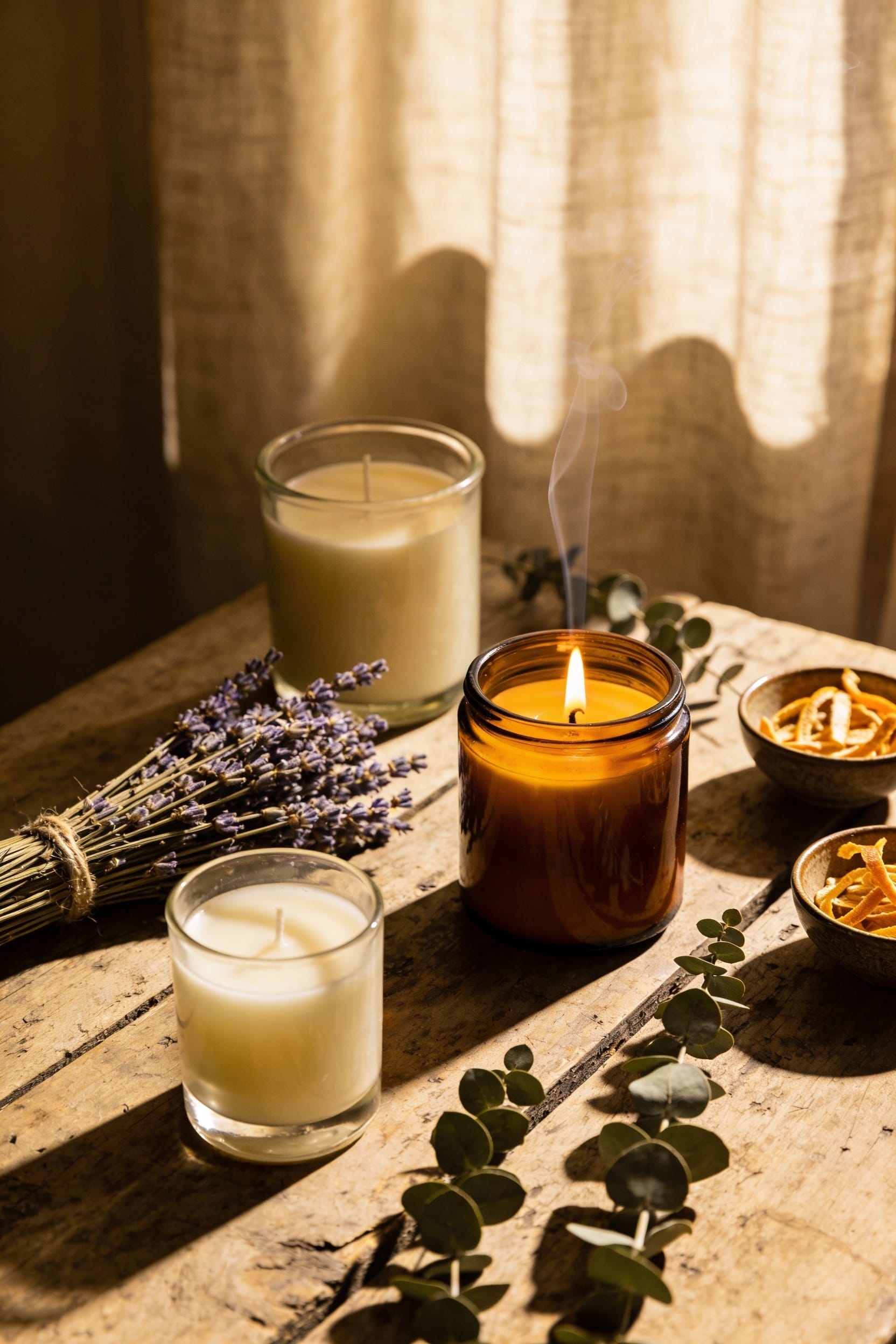
Scented Candles for Depression: Scents That May Help

All right, here’s the thing: scent travels straight to your brain’s emotion center without filtering through logic, which means the right candle can shift your mood in minutes—but only if it actually throws fragrance into your space. Look, citrus lifts serotonin, lavender calms anxiety, and grounding scents like sandalwood deepen sleep, yet none of that matters if you’re burning cheap paraffin that tunnels or loses its scent halfway through. Soy or coconut wax holds fragrance longer, quality wicks prevent tunneling, and matching scent intensity to room size guarantees molecules actually reach your nose. Depression needs professional support; aromatherapy is complementary backup. The specifics of building a routine that genuinely works for you, though, require a closer look.
Key Takeaways
- Citrus scents like lemon, orange, and bergamot may boost serotonin and lift mood through olfactory-limbic pathways.
- Lavender inhalation is associated with stress and depression reduction when paired with complementary floral notes.
- Peppermint and rosemary enhance focus and combat mental fatigue without overwhelming smaller spaces.
- Grounding scents like sandalwood, frankincense, and amber promote calm and support better sleep quality.
- Scented candles work best as complementary support alongside therapy and medication, not as standalone treatment.
Why Scent Works: The Science Behind Mood Shifts
When you light a scented candle, you’re not just filling your room with a pleasant smell—you’re actually triggering a direct chemical conversation between the fragrance molecules and your brain. Your olfactory pathways connect directly to your limbic system, the emotional control center. That’s why scent works so differently than other senses. Unlike sight or sound, fragrance bypasses your logical brain entirely. The molecules travel through your nose straight to areas controlling mood and memory. Here’s the thing: neural plasticity means your brain rewires itself based on repeated sensory input. Light a lavender candle regularly, and your brain begins associating that scent with calm. That’s not placebo—that’s neuroscience. Your candle’s quality matters here too. Poor scent throw means those molecules never reach your olfactory receptors effectively, wasting both money and therapeutic potential.
Best Candles for Citrus Mood Lifting
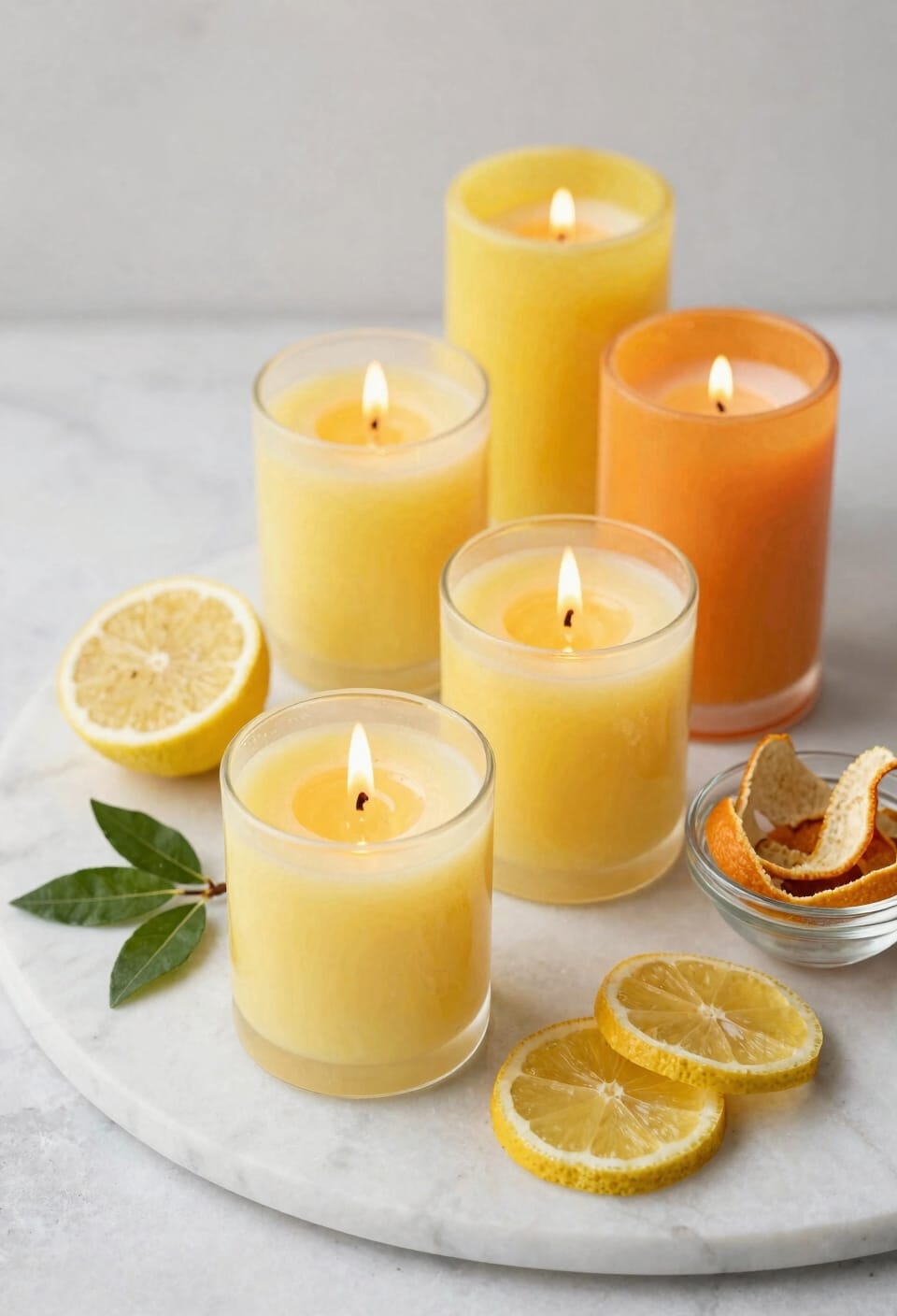
If you’re looking to lift your mood with citrus, you’ve got a genuinely smart choice on your hands—citrus scents hit different because they work with your brain’s chemistry rather than against it. Lemon, orange, and bergamot boost serotonin levels, which means you’re not just smelling something nice; you’re actually triggering a physiological shift toward better mood.
Now, here’s where candle selection matters. I’d recommend citrus scent stacking—layering lemon with a touch of bergamot or orange—to deepen the effect without overwhelming your space. Pair this with zesty wick placement; keep your candle in high-traffic areas where air circulation spreads the scent throw effectively. Look for soy or coconut wax blends, which hold citrus top notes longer than paraffin. You’ll notice the difference immediately.
Recommended Products
![VINEVIDA [128oz] Lavender Vanilla Fragrance Oil for Candle Making and Soap Making - Premium Candle Scents for Soy Candles](https://m.media-amazon.com/images/I/31R0Gq7QbHL._SL500_.jpg)
HIGHEST QUALITY - Our candle fragrance MADE IN THE USA using pure, natural, and raw ingredients. All VINEVIDA products are vegan, free of phthalates, parabens, and other potentially dangerous chemicals.

Wax Weight: 3,632 g/ 128.12 oz

INDULGENT HOLIDAY FRAGRANCE EXPERIENCE - As twilight settles and the first toast is raised, the air turns indulgent with the deep allure of black plum and the vibrant, subtly spiced brightness of cassis. Lush, dark fruit notes unfold like velvet ribbon—ripe, juicy, and brimming with festive warmth. A whisper of winter spice lingers in the background, grounding the sweetness in richness and elegance. This is the scent of celebration—bold, beautiful, and wrapped in seasonal indulgence.
Lavender and Floral Scents for Anxiety Relief
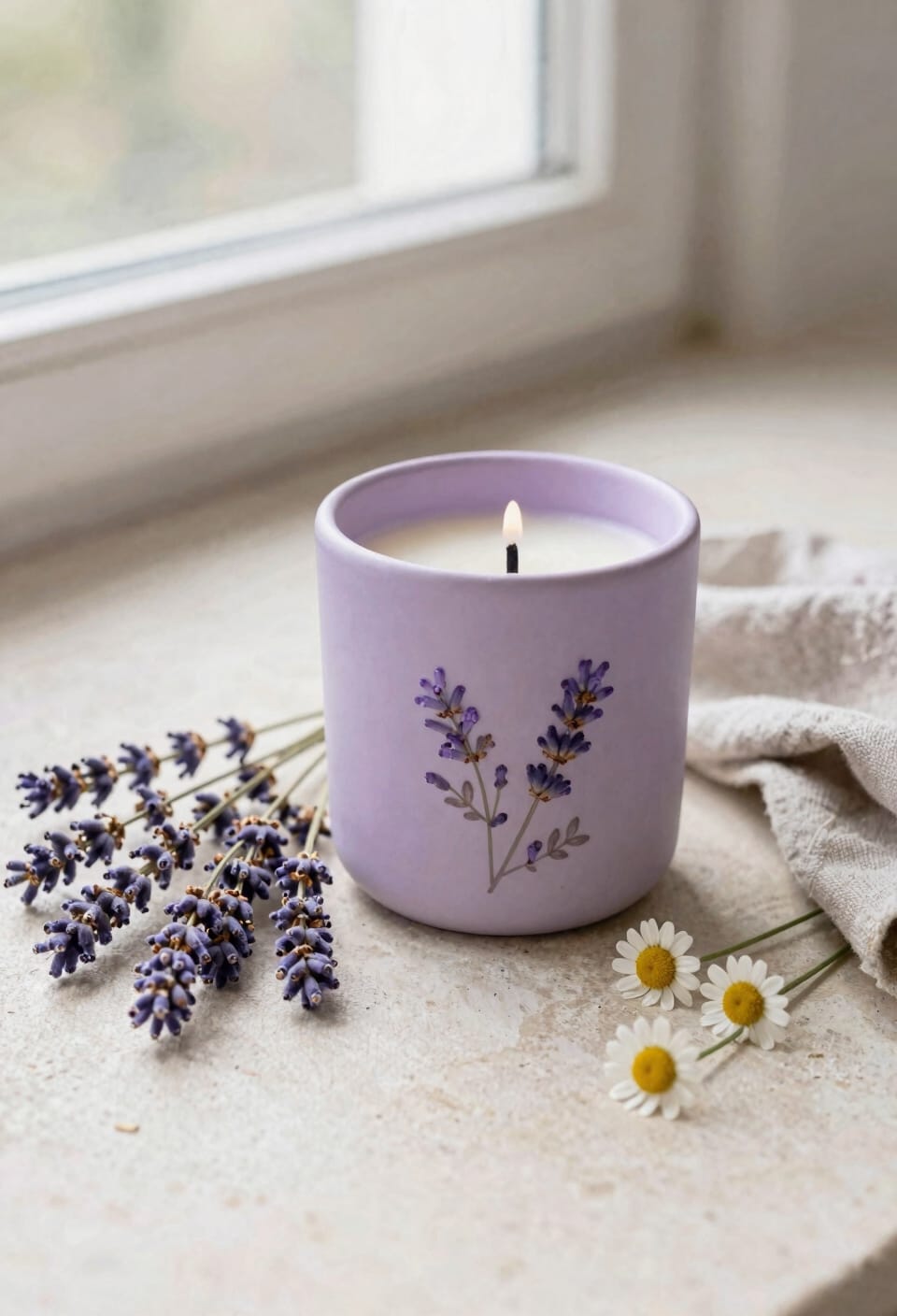
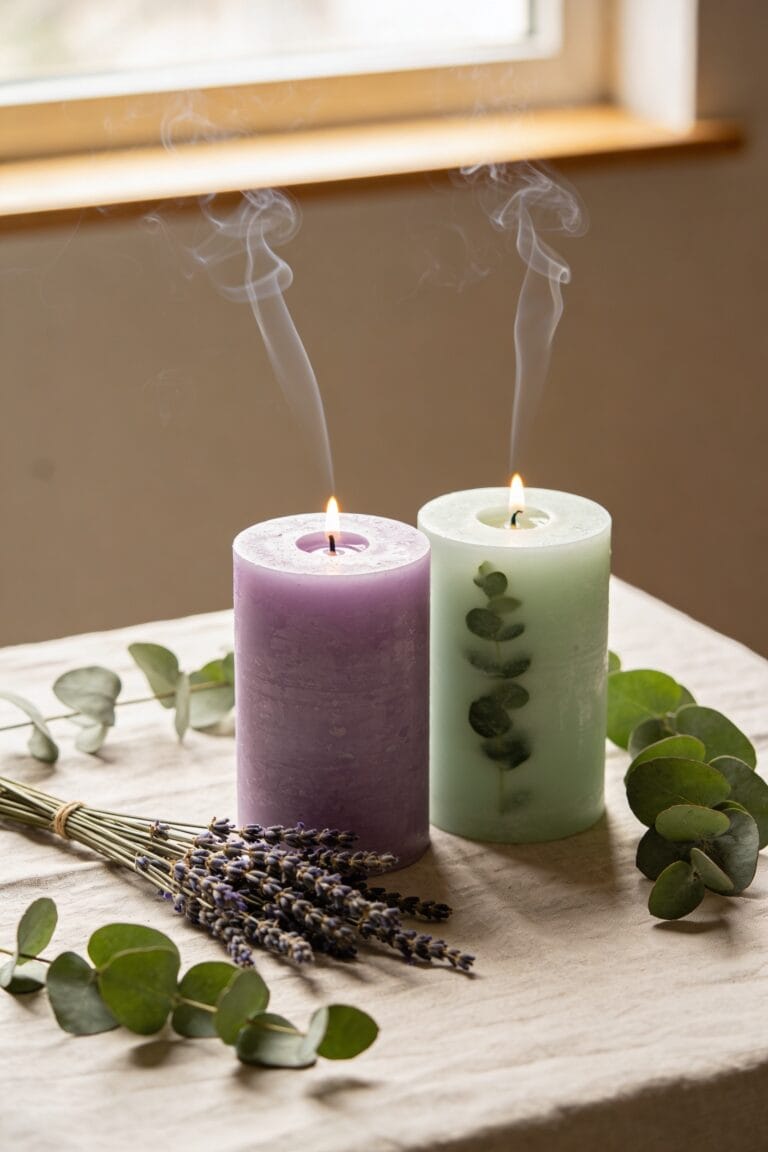
Why does lavender get all the hype when it comes to anxiety relief? Look, it’s earned it. Studies show lavender inhalation genuinely reduces stress and depression markers. But here’s the thing—lavender works even better with strategic floral pairing. Jasmine, for instance, tackles nighttime anxiety when you’re actually trying to sleep. Ylang ylang balances your nervous system by lowering blood pressure and calming fight-or-flight responses.
Now, if you’re buying lavender candles, you want decent soy or coconut wax with quality wicks. Paraffin throws stronger, sure, but soy holds fragrance oils better for consistent scent throw throughout the burn. Check for middle and base notes that support lavender rather than compete with it. That’s what separates disappointing candles from ones that actually help.
Recommended Products

Wax Weight: 3,632 g/ 128.12 oz
WARM, MEMORY-EVOKING FRAGRANCE EXPERIENCE - Indulge, for a moment, in this complex yet captivating fragrance. Time stops as memories flood you with some of the most familiar yet hard-to-describe notes. Like the refreshing sea salt air, the mix of bergamot, bay leaves, and lavender soothes and brings you back to that endless summer holiday. The lingering scent of seductive musk evokes those moments of passion. The moments you thought were forgotten, now come alive.

WARM, MEMORY-EVOKING FRAGRANCE EXPERIENCE - Indulge, for a moment, in this complex yet captivating fragrance. Time stops as memories flood you with some of the most familiar yet hard-to-describe notes. Like the refreshing sea salt air, the mix of bergamot, bay leaves, and lavender soothes and brings you back to that endless summer holiday. The lingering scent of seductive musk evokes those moments of passion. The moments you thought were forgotten, now come alive.
Candles for Focus: Herbal and Minty Options

Look, depression and anxiety get a lot of attention—rightfully so—but let’s talk about what happens when your brain just won’t cooperate with focus and mental clarity. That’s where herbal and minty candles come in.
Peppermint alerts your senses fast. A quality peppermint candle with strong scent throw—burned in a smaller room where it actually performs—can genuinely boost motivation and cognitive stamina. You’ll want soy or coconut wax here; they hold minty fragrance notes better than paraffin.
Rosemary rituals work differently. This scent fights mental fatigue without overpowering you. Pair it with a three-wick candle for consistent burn time and better fragrance distribution.
Here’s the thing: pick candles with clean-burning wicks to avoid tunneling. Your focus deserves a candle that actually delivers what it promises.
Recommended Products

🌿 100% Pure & Undiluted – Steam distilled from premium Cymbopogon nardus with no fillers, carrier oils, or synthetic additives.

An intense Amino Complex strengthens and rebuilds all hair types: Wispy strands get body and shine; frizzy, over-processed hair gets smooth sleekness without flatness.

A MUST HAVE- Discover the unique blend of Edens Garden's Lavender Around The World Essential Oil. Our 'Around the World' oils are sourced from different global regions, enhancing the complexity and richness of their aroma. This Lavender blend offers a sweet, floral scent with herbal undertones, reminiscent of its global origins. Known for encouraging relaxation, improving sleep, and soothing skin irritations, this versatile oil is your go-to companion for wellness and skincare routines.
Grounding Scents That Promote Calm and Sleep
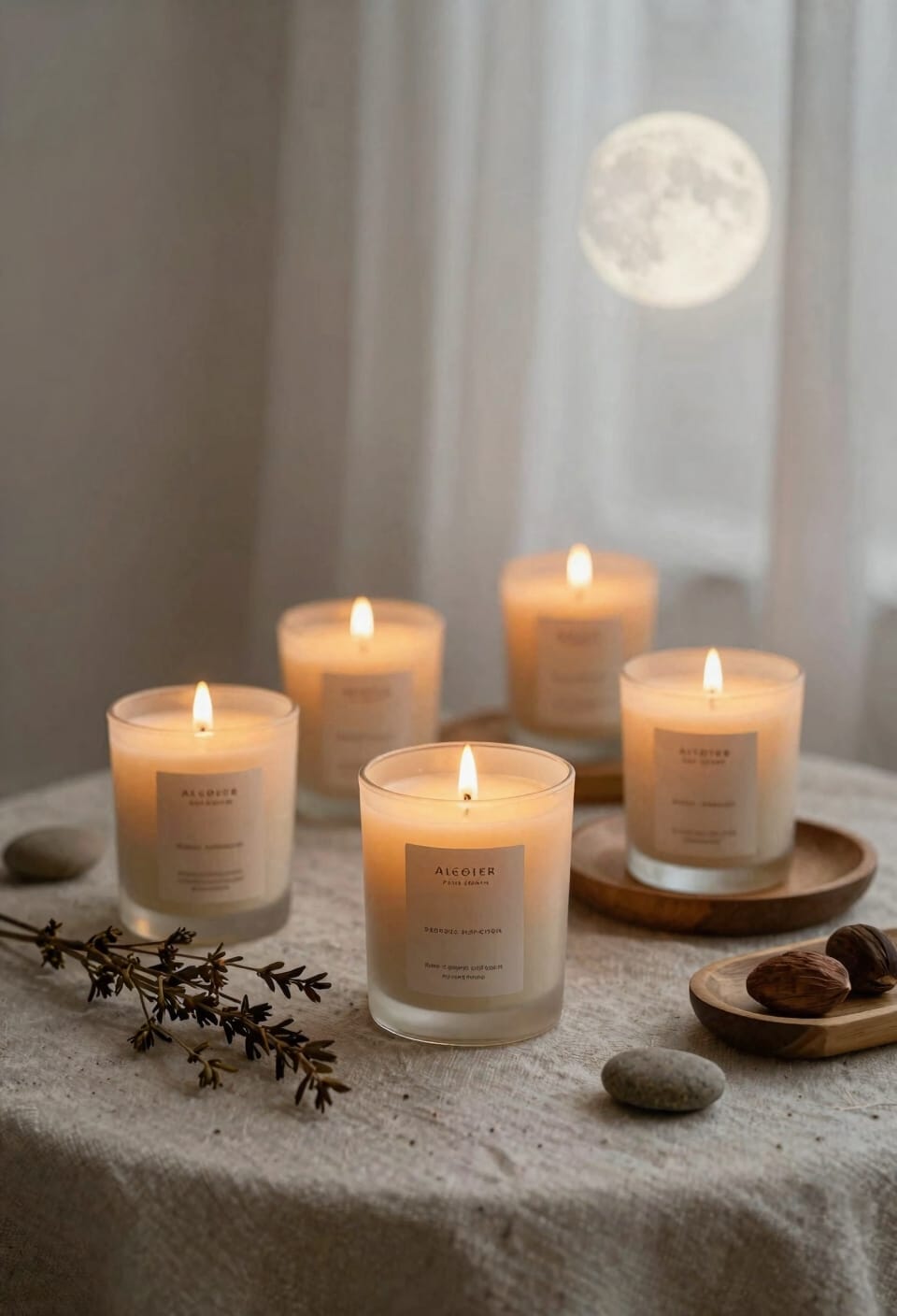
All right, now that we’ve covered the herbal and minty territory—those scents that wake your brain up and get it moving—let’s flip the script entirely. I’m talking about grounding scents: sandalwood, frankincense, and amber. These aren’t performance enhancers. They’re the opposite.
Sandalwood rituals work best with quality soy or coconut wax candles because they hold fragrance oils better, giving you that deep, comforting throw you actually want in a bedroom. Frankincense and amber have those woody base notes that linger without overwhelming the space.
Here’s the thing about sleep hygiene: your candle’s burn time matters. A four-hour minimum means you’re getting consistent scent as you wind down. Light it thirty minutes before bed. Let it settle. You’ll notice your nervous system actually responding.
Recommended Products

SCENT - Feu de Bois evokes fresh pine falling on curls of sandalwood & rare Virginia cedarwood. Smoky leather accords, frankincense & nuances of vanilla are tranquil and comforting.

MASSIVE 8" × 14" LUXURY CANDLE – 300 OZ OF NATURAL COCONUT SOY WAX Make a statement with this Classic Big Ass Candle—our largest candle. This luxury candle delivers bold presence, elegant style, and room-filling fragrance. Perfect as a centerpiece for living rooms, great rooms, and upscale spaces.

Our candles are highly scented using a unique blend of premium essential oil fragrances, which ensures a memorable fragrance experience.
Layer Scents for Stronger Results
Once you’ve found individual scents that work for your mood, the real magic happens when you start layering them—combining two or three complementary fragrances to amplify their effects and hit multiple emotional needs at once. Scent layering creates mood synergy that’s genuinely stronger than any single candle burning alone.
Here’s the thing: lavender and lemon together give you calm *and* energy—perfect when you’re depressed but need to function. Sandalwood with bergamot? Grounding plus uplifting. You’re effectively stacking benefits without overwhelming your senses.
The trick is burning complementary candles simultaneously in the same room, letting their scent throw blend naturally. Start with one quality candle, then add a second with good wick quality and burn time. Your nose adapts quickly to single scents anyway—layering keeps things fresh and effective.
Choose by Mood Goal, Scent Intensity, and Budget
Now that you’ve got the layering technique down, the real question becomes: which candles do you actually *buy*? Start by identifying your primary mood goal—are you chasing calm or clarity? That decision narrows everything down. Next, consider scent intensity and scent longevity. Budget tiers matter too. High-end soy candles throw stronger fragrance and last longer, but mid-range options work fine if you’re testing what actually resonates with you. I’ve wasted money on expensive duds, so don’t feel pressured to splurge immediately. Match intensity to room size—smaller spaces need gentler throws. Finally, align everything with your actual budget. There’s no point buying premium candles you can’t afford to burn regularly. Start modest, burn strategically, upgrade when you’ve figured out what works for you.
Recommended Products

CENTERING, TRANQUIL FRAGRANCE EXPERIENCE - Take in the green tea's subtle yet clarifying note and let it guide you into a state of peace and balance. Soft lotus petals calm the mind while sandalwood and bergamot create a refreshing yet grounding aromatic experience.

EXTENDED BURN TIME: Delivers an impressive 300-hour burn thanks to its oversized 150 oz format, allowing you to enjoy long-lasting ambiance without the hassle of frequently replacing smaller candles.

🕯 Premium Scented Candle Gift Set – Includes 4 beautifully crafted soy wax jar candles, each with a unique and elegant fragrance.
Build Your Daily Scent Routine
Most people don’t think about their scent routine the way they’d think about their skincare routine or their coffee order, but you should—because consistency actually matters when you’re using candles to manage your mood. Morning rituals set your emotional tone, so start there. Light a citrus or peppermint candle with strong scent throw to kickstart clarity and motivation. Throughout your day, rotate based on what you need—lavender for afternoon stress, bergamot for evening wind-down. Keep a scent journal tracking which candles shift your mood most effectively. Note burn times, fragrance intensity, and how long the effects last. This data helps you build a personalized rotation that actually works, not just smells nice.
Red Flags: When to Pause Aromatherapy and Seek Support
While building a scent routine can genuinely help you manage your mood day-to-day, it’s important to recognize when candles alone aren’t enough. If you’re experiencing sudden symptom worsening—deeper depression, increased anxiety, or persistent hopelessness—that’s your signal to pause the aromatherapy and reach out for professional support. Scented candles are wonderful tools, but they’re not substitutes for therapy or medical intervention when things escalate.
Have emergency contact planning in place before you need it. Know your therapist’s number, your doctor’s availability, or your local crisis line. You deserve real help when candles can’t cut it. There’s no shame in recognizing those limits. Think of aromatherapy as part of your wellness toolkit, not the entire toolbox. Your mental health matters more than any scent routine ever could.
Frequently Asked Questions
Can I Use Scented Candles Alongside My Current Depression or Anxiety Medications Safely?
I can’t guarantee safety without knowing your specific medications. You’ll want to discuss potential medication interactions with your doctor or psychiatrist during a clinical consultation before adding scented candles to your treatment routine.
How Long Does It Typically Take to Notice Mood Improvements From Scented Candles?
I’ve found that some people experience immediate effects within minutes of inhaling scented candles, while others notice delayed benefits after consistent use over days or weeks. Your response timeline depends on personal sensitivity.
Which Scents Are Best for People With Sensitive Noses or Fragrance Allergies?
I’d recommend you explore hypoallergenic blends or unscented alternatives if you’ve got a sensitive nose. Chamomile and sandalwood tend to be gentler options, though patch testing first helps determine your personal tolerance.
Are Essential Oil Candles More Effective Than Synthetic Fragrance Candles for Mood Support?
I’d say essential oil candles offer better aromatherapeutic efficacy because they provide ingredient transparency about what you’re actually inhaling. You’ll know exactly which therapeutic compounds you’re getting for genuine mood support.
Can Children and Pets Safely Be Around Scented Candles Used for Mood Enhancement?
Have you considered where you’re placing that candle? I’d recommend using child safe scents like lavender and chamomile while ensuring pet safe placement—high shelves away from curious noses and tails keep everyone protected.
Conclusion
You’ve got a solid toolkit now—scent truly can shift your mood when you pick the right match. But here’s the thing: don’t put all your eggs in one basket. Candles work best alongside sleep, movement, and connection. If you’re struggling hard, they’re a lovely complement, not a cure. Trust your nose, build what works for you, and know when to reach out for real support.