As an Amazon Associate, we earn from qualifying purchases. Some links on this site are affiliate links at no extra cost to you. Our recommendations are based on thorough research and editorial judgment.

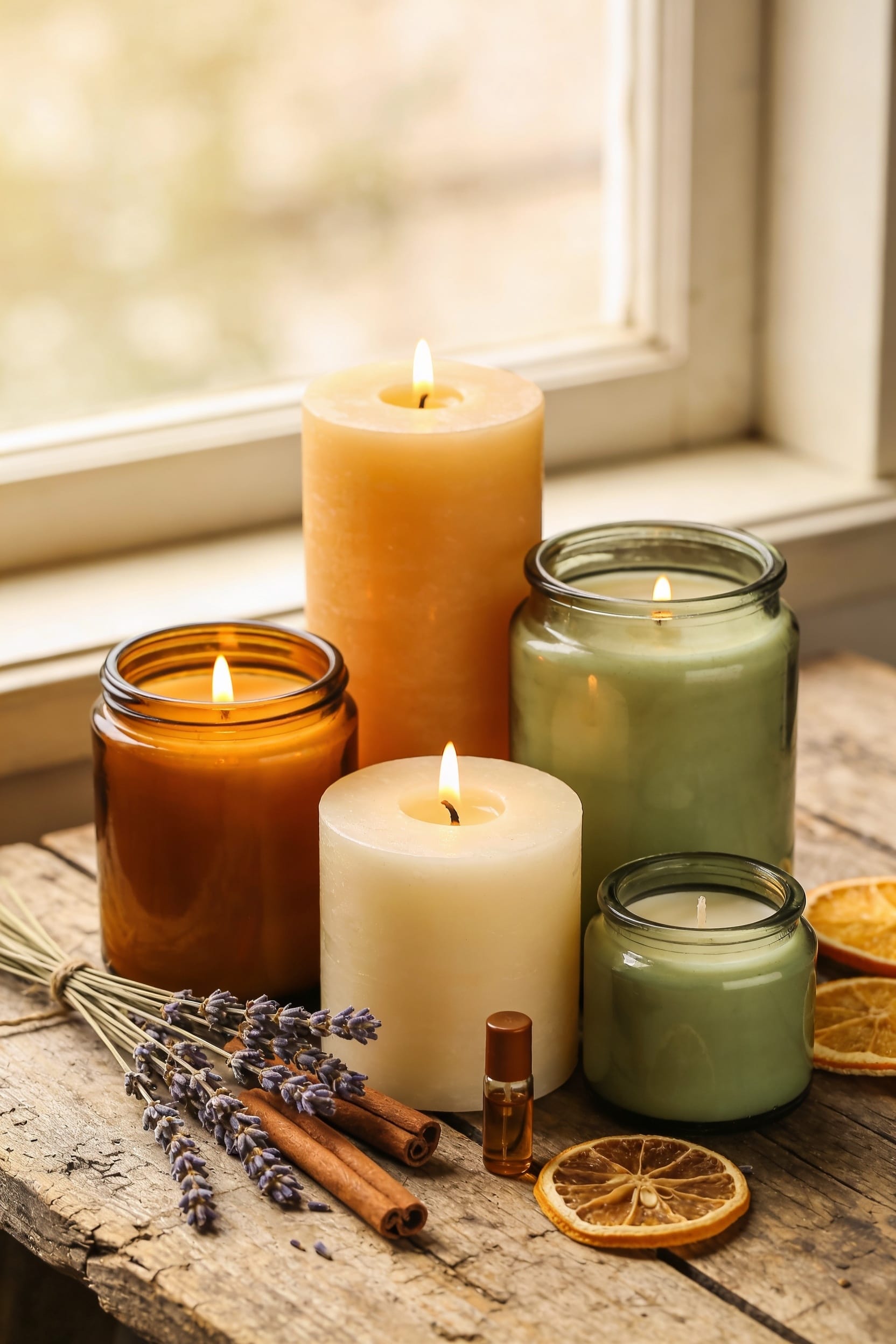
Most Popular Candle Scents Ranked (and Why They Sell)

Vanilla tops the charts because it hits comfort and warmth—that soothing base note lingers long after the flame goes out. Lavender‘s right behind it, backed by actual stress-relief research. Citrus energizes mornings and kitchens with those quick-hitting top notes. Jasmine brings luxury vibes for evenings. Eucalyptus appeals to wellness buyers dodging florals. But here’s the thing: what sells depends on your wax choice, fragrance concentration, and wick quality—those factors determine whether a scent throws across the room or fizzles near the flame. Stick around to learn which combinations actually work.
Key Takeaways
- Vanilla ranks as the top-selling base note due to its universal comfort association with safety, warmth, and holiday nostalgia.
- Lavender dominates the relaxation market because research-backed stress reduction and calming properties drive bedtime and wellness-focused purchases.
- Citrus scents lead morning and kitchen sales by providing energizing top notes that clear mental fog and boost alertness.
- Pumpkin spice generates seasonal urgency and nostalgia-driven demand, dominating autumn sales through limited availability and marketing strategies.
- Jasmine and eucalyptus capture niche markets—jasmine appeals to luxury evening seekers while eucalyptus attracts wellness-focused, non-floral preference buyers.
Vanilla: The #1 Comfort Scent
If you’ve ever burned a vanilla candle and felt your shoulders drop about two inches, you’re not alone—and there’s actually a reason for it. Vanilla accords tap into comfort psychology—that deep, primal association with safety and warmth. Your brain connects vanilla to desserts, holidays, hugs. It works.
Now, here’s what matters for performance: vanilla candles with quality soy or coconut wax throw better than cheap paraffin blends. You want a candle that actually scents your room, not just the immediate area around the flame. Look for vanilla as a base note paired with complementary warmth—cinnamon, amber—that extends burn time and prevents tunneling. A good wick matters too. Skip the disappointment. Invest in brands that prioritize wax quality and fragrance concentration. Your space deserves better than waxy smoke.
Recommended Products

MASSIVE 8" × 14" LUXURY CANDLE – 300 OZ OF NATURAL COCONUT SOY WAX Make a statement with this Classic Big Ass Candle—our largest candle. This luxury candle delivers bold presence, elegant style, and room-filling fragrance. Perfect as a centerpiece for living rooms, great rooms, and upscale spaces.

MASSIVE 8" × 8" LUXURY CANDLE –150 OZ OF NATURAL COCONUT SOY WAX Make a statement with this Baby Big Ass Candle—our smaller of the two iconic oversized design. This luxury candle delivers bold presence, elegant style, and room-filling fragrance. Perfect as a centerpiece for living rooms, great rooms, and upscale spaces.

UNIQUELY HANDMADE: Perfect for a relaxing ambiance! Each scented candle is crafted from a real coconut shell, providing a unique and sustainable touch. Hand-poured charm at its finest.
Lavender: Second Place for Stress Relief

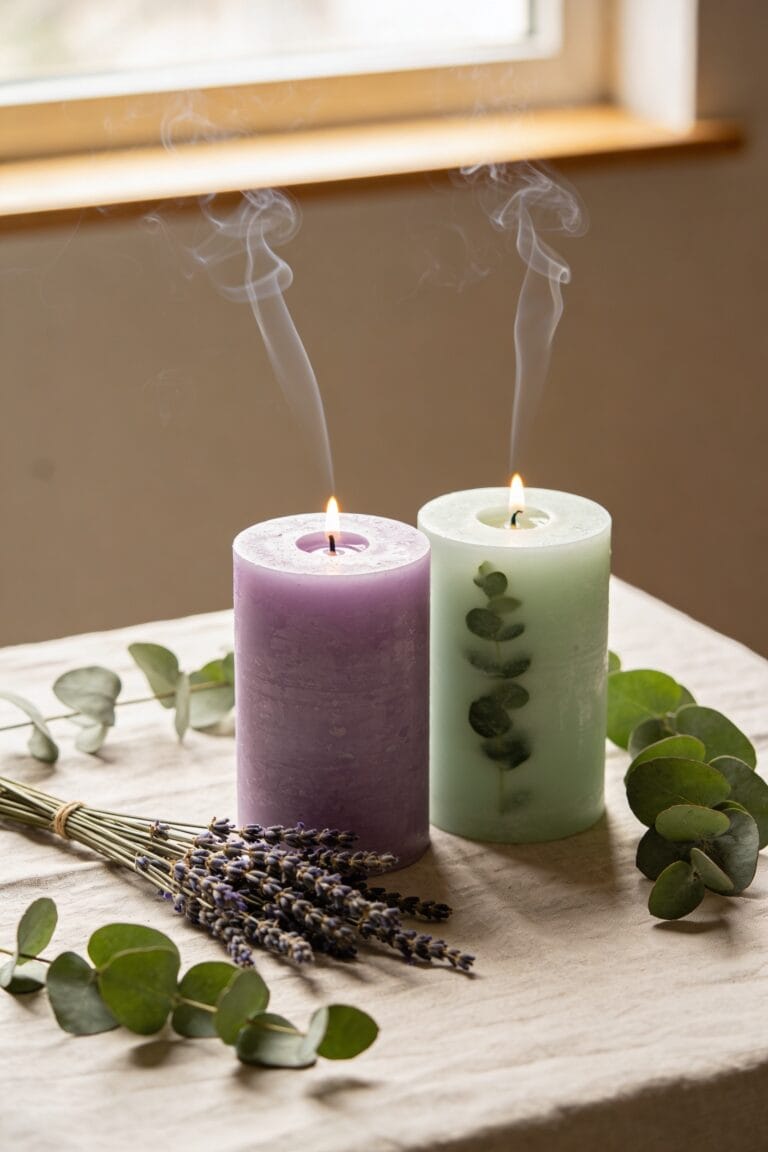
Burning lavender isn’t just about making your bedroom smell nice—it’s actually tapping into one of the most research-backed aromatics for genuine stress reduction. Look, I’ve tested enough lavender candles to know which ones actually deliver that calming effect versus those that just smell like perfume.
The powdery, herbal middle notes slow your mind down. That’s why it dominates bedroom rituals and spa packaging everywhere. You’ll want a quality soy or coconut blend here—they hold lavender’s delicate scent better than paraffin without scorching it. Check your wick quality too; a thicker wick creates better scent throw, which matters when you’re counting on aromatherapy.
Burn time varies, but aim for four to six hours per session. Honestly, lavender’s versatility year-round makes it a smart investment.
Citrus: Energizing Spaces and Mornings

Unlike lavender’s powdery calm, citrus wakes you up—and I mean actually wakes you up, not just masks the smell of yesterday’s coffee. Lemon, bergamot, grapefruit, orange—these top notes hit fast with energizing zest that clears mental fog. You’ll notice the scent throw is typically sharp and immediate, which works brilliantly in kitchens during morning routines. Now, here’s the thing: citrus performs best in soy or coconut wax blends because they hold those volatile top notes longer without burning off too quickly. Pair morning citrus with mint or lime for added sharpness. The brightness cuts through heaviness, making your space feel crisp and intentional. It’s invigorating without being cloying—genuinely useful if you’re not into sweet-scented rooms.
Jasmine: Luxury and Romance for Evenings
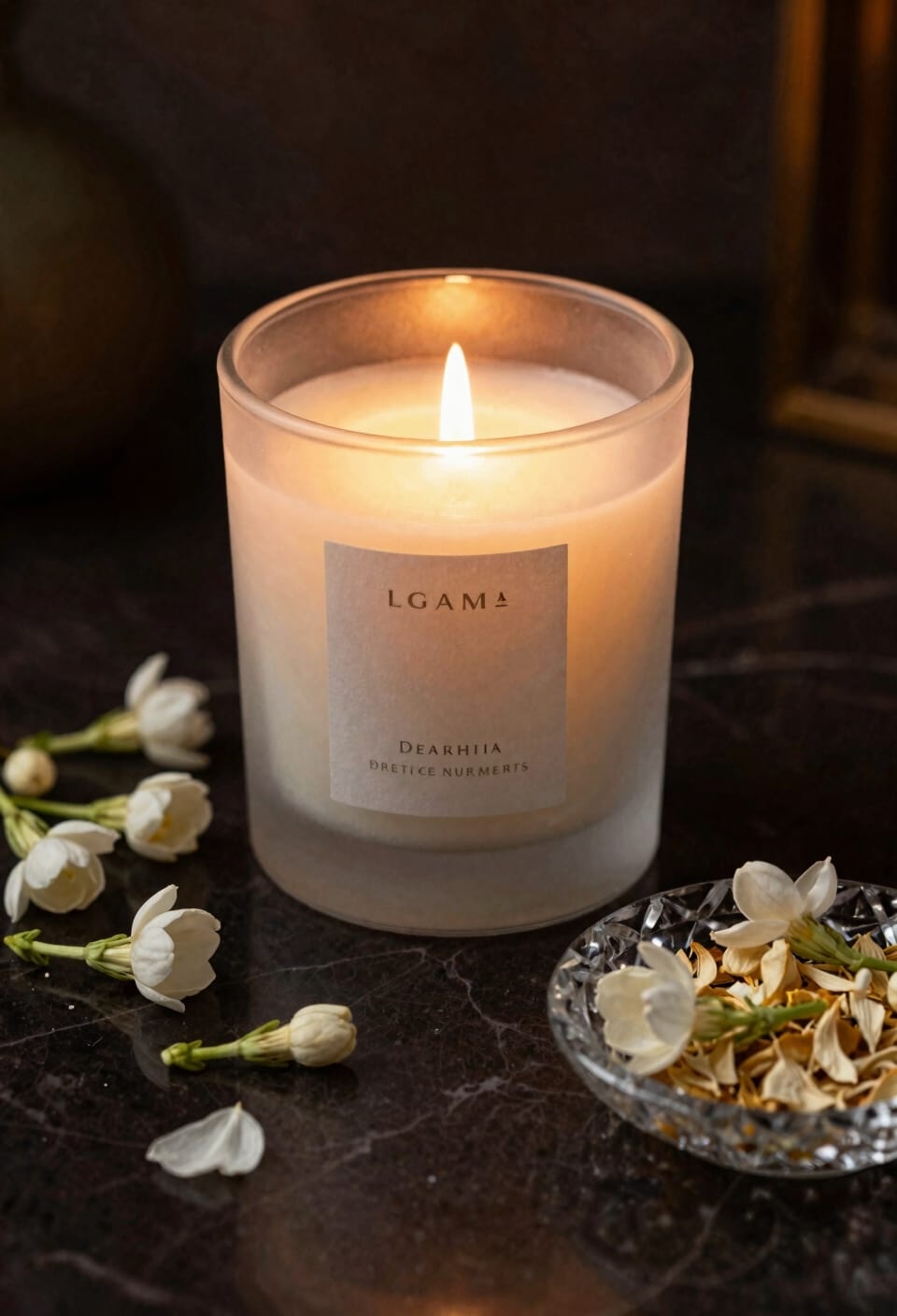
While citrus yanks you out of bed with its sharp clarity, jasmine does the opposite—it pulls you into evening with a completely different energy. This lush, exotic floral delivers that intoxicating sweetness that screams luxury without trying too hard. I’m talking intimate evenings and vintage glamour—the kind of scent that makes your living room feel like a high-end hotel lobby.
Here’s the thing: jasmine’s got serious staying power, which means you’ll want a quality soy or coconut wax blend to let those middle notes breathe properly. The scent throw should be noticeable but not aggressive—you want people noticing when they walk in, not getting walloped. A quality wick matters here too, since jasmine needs consistent heat to bloom fully. It’s the candle you light when you actually want to *enjoy* an evening rather than just fill space.
Eucalyptus: Appealing to Non-Floral, Wellness-Focused Buyers
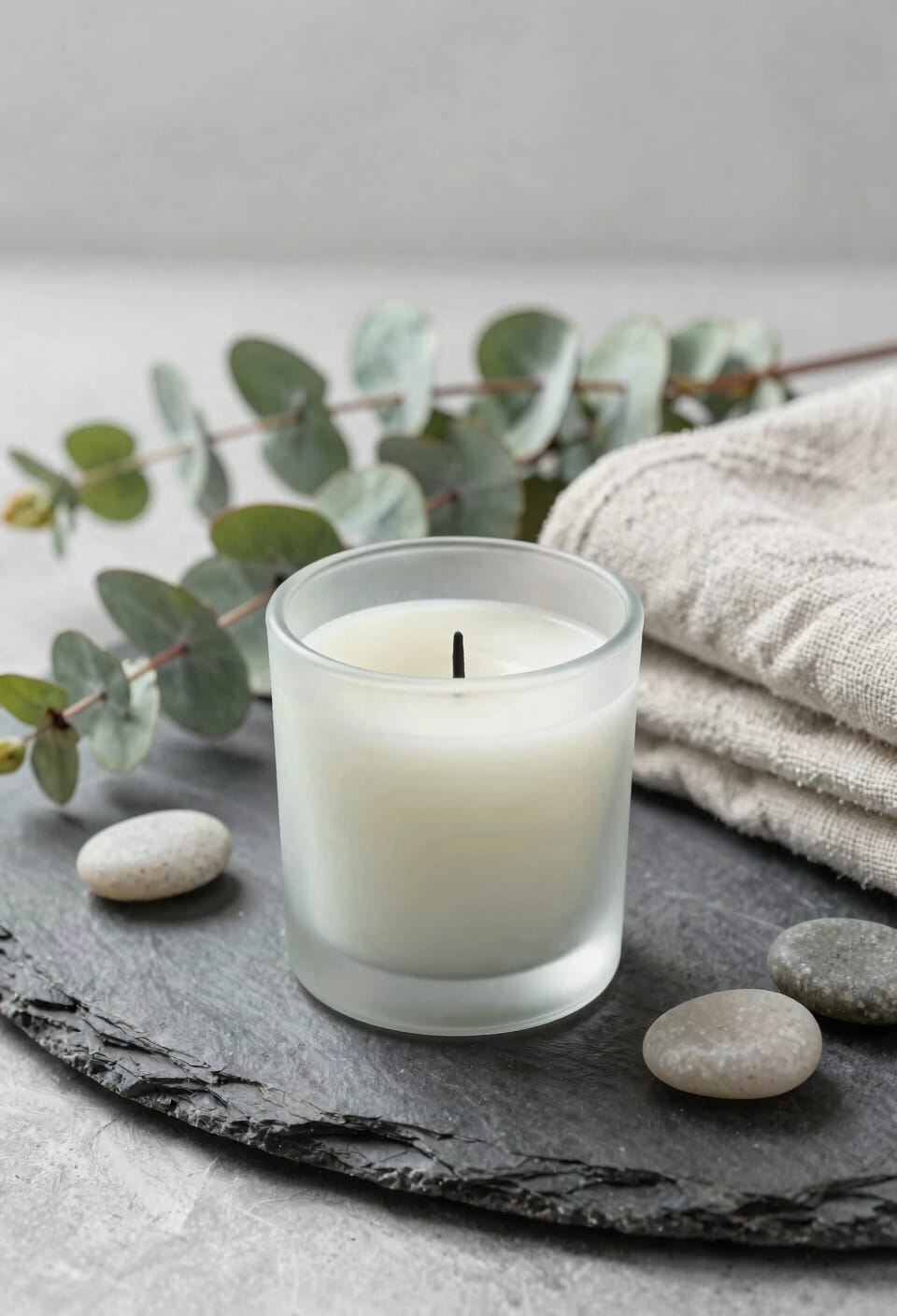
Not every candle lover wants their space smelling like a garden or a dessert shop, and that’s where eucalyptus steps in—sharp, clean, and unapologetically herbal. I’ve noticed eucalyptus appeals to buyers seeking wellness-focused scents rather than sweet profiles, which is why it’s gaining traction in aromatherapy marketing.
Here’s the thing: eucalyptus delivers respiratory wellness vibes without the floral heaviness. Brands are capitalizing on this with minimalist packaging that attracts male-focused fragrances demographics who might skip traditional candles entirely. The scent throw is crisp and immediate—pair it with lime or mint and you’ve got something genuinely invigorating.
You’re looking at a different sensory experience here. It’s botanical, it’s trending, and honestly, it fills a gap for people who want their candles serving actual purpose beyond ambiance.
Pumpkin Spice: Driving Seasonal Autumn Sales
Now, if you’ve been paying attention to candle sales trends, you’ll notice that pumpkin spice doesn’t just rank high—it absolutely dominates the market during fall months, and there’s a genuinely interesting reason why. The magic lies in limited availability and marketing urgency. Retailers create scarcity intentionally, making you feel like you need to grab these harvest aromas before they vanish. It works brilliantly. Beyond the psychology, pumpkin spice taps into community traditions—baking, gatherings, that specific seasonal energy. The blend itself (cinnamon, nutmeg, clove layered over pumpkin) creates a warm base note that lingers well in larger spaces. I’ll be honest: the scent throw on quality pumpkin spice candles is solid. You’re paying for nostalgia and timeliness as much as the actual candle.
Recommended Products

The information below is per-pack only
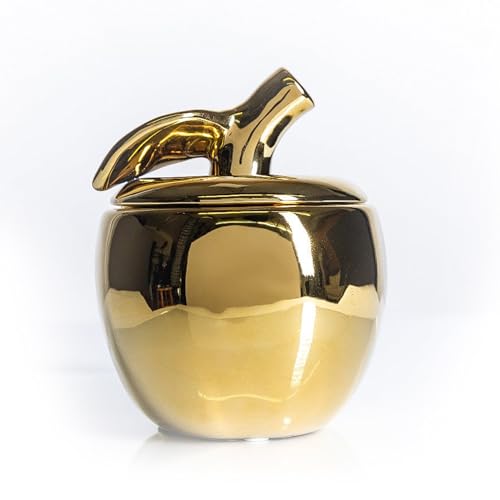
Unique Apple-Shaped Luxury Candle This fall candle stands out with its hand-crafted apple-shaped ceramic jar, combining artistic elegance with home décor beauty. At 40oz, this large candle offers a striking centerpiece for living rooms, dining tables, or entryways. Perfect as autumn candles or a special candle gift, it creates ambiance and doubles as decorative art.

Unique Elephant-Shaped Luxury Candle This fall candle features a hand-crafted elephant-shaped ceramic jar in a sleek black finish, combining artistic charm with home décor elegance. At 28oz, this large candle serves as a bold centerpiece for living rooms, bedrooms, or meditation areas. Perfect as autumn candles or a special candle gift, it creates ambiance while doubling as decorative art.
How Rooms and Seasons Change What Customers Want
Beyond the seasonal marketing tactics and nostalgia plays, here’s what actually matters: the candle you’re burning in your bedroom isn’t going to perform the same way or satisfy you the same way as one you’re burning in your kitchen, and what smells perfect in January probably won’t feel right come July.
I’ve learned this the hard way. Vanilla works beautifully in a bedroom where you want calm, but it feels cloying in an open plan living area where you need something fresher. Citrus energizes your kitchen during that holiday shift from winter to spring, yet feels jarring before bed.
Season shifts your preferences too. Color temperature changes, daylight varies—your scent needs shift with them. Scent education matters here: understanding which fragrance notes suit which rooms at which times prevents wasted money.
Recommended Products

The OS12500 is the most powerful portable ozone generator and is perfect for deodorizing and eliminating odors in extra- large spaces such as locker rooms, banquet halls, hotel suits, apartments, offices, restaurants, and commercial properties. It will eliminate even the most severe odors caused by tobacco, smoke, pets, water and flood damage and more

King of Floral Essential Oils - Because of its highly fragrant aroma Jasmine Oil is regarded as leader of Floral Scented Oils throughout the aromatherapy industry. It belongs to the Oleaceae botanical family and has a warm, musky, sweet, exotic, euphoric aroma that uplifts mood, creates a romantic mood and also increase self-confidence.

Modern Round Coffee Table: This drum coffee table features a stylish design, the unique mushroom shape with fluted design will effortlessly blend with your existing decor, whether you prefer a contemporary or minimalist style
Creating Custom Blends Customers Crave
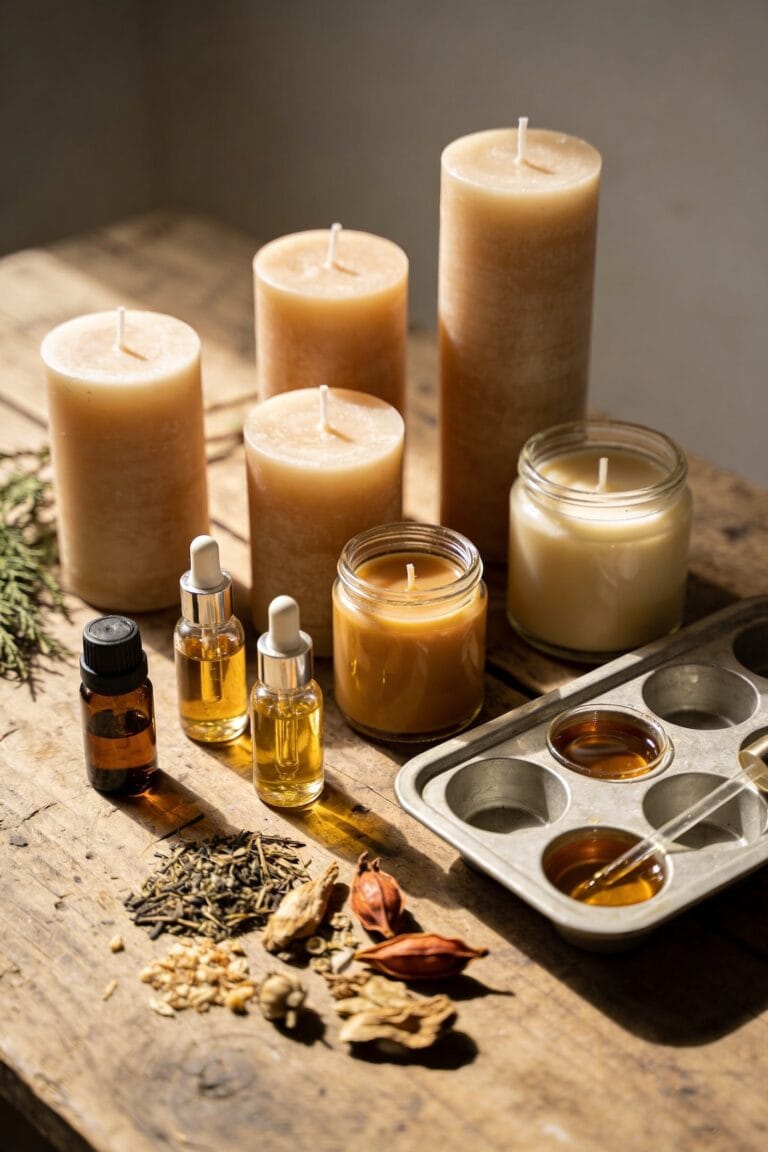
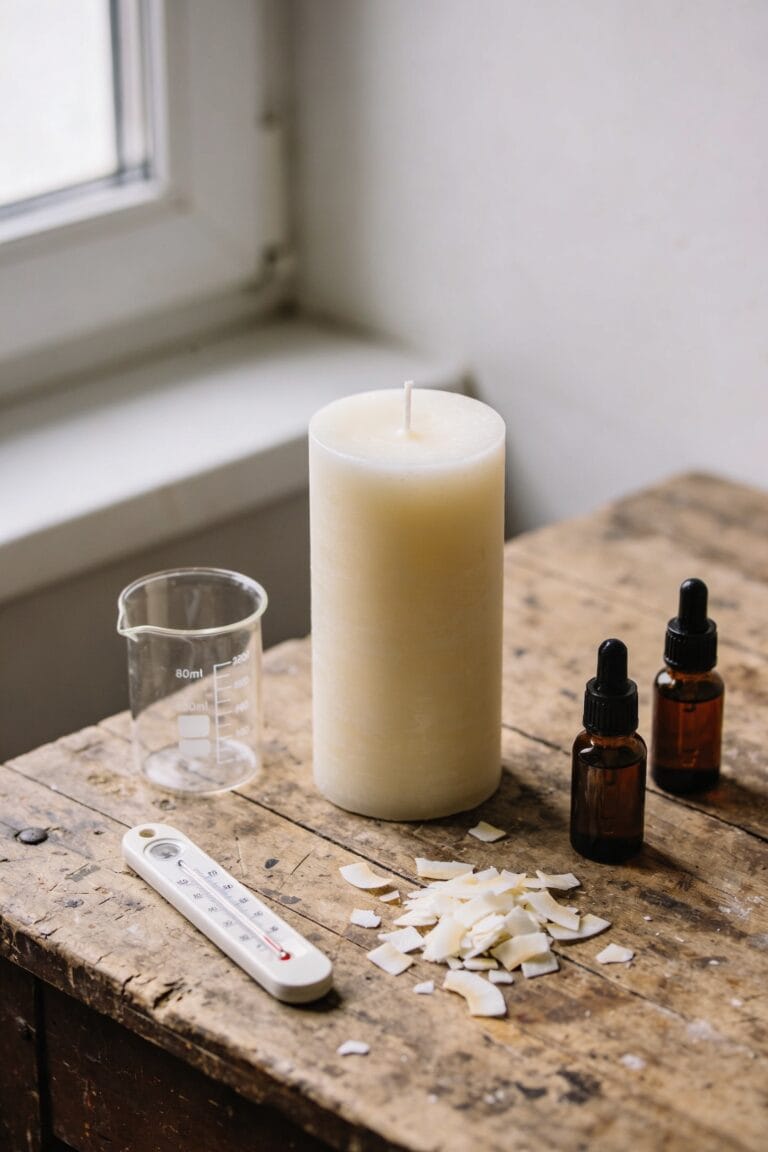
Once you’ve figured out what you actually want to smell in each room and season, the real fun begins: building your own custom blends. I’ve learned that pairing vanilla with eucalyptus creates unexpected sophistication, while jasmine and citrus deliver evening elegance without cloying sweetness. Start with limited batch releases—test small quantities before committing to larger pours. Scent testing workshops help you understand how fragrance notes interact: top notes hit first, middle notes develop, base notes linger. Your soy or coconut wax choice matters here too; it affects how quickly those notes disperse and how long they’ll actually perform. Mix what excites you, not what you think should work. That’s where the magic happens.
Recommended Products

BLACK BUTTER BODY OIL: Our body oil offers the quality of all scented and perfume oils. This oil is quality and is uncut which will last all day long. And we offer a distinctively clean line of products that are made with vegetable glycerin. This perfume black butter scented body oil envelops you in an alluring fragrance that lasts all day.
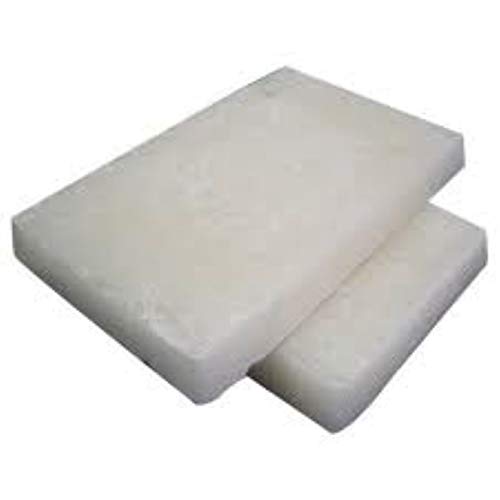
45 Pound Case Please Note the weight on slabbed wax can vary slightly

Minimal Smoke, Maximum Charm - Breathe easy with clean-burning, clean tech foton candle sand that set the mood. Our candles are designed for a pure, enchanting glow that enhances your space without the smoke.
Choosing Your Candle Business Scent Strategy
If you’re launching a candle line or revitalizing your existing collection, you’ll want to nail down your scent strategy before you’re drowning in inventory you can’t move. Start by mapping scent placement across your range—anchor with bestsellers like vanilla and lavender, then layer in seasonal offerings and niche profiles. Your brand storytelling matters here; decide whether you’re luxury, approachable, or wellness-focused. That choice shapes everything from fragrance percentages to pricing tiers. Don’t overcomplicate packaging aesthetics trying to appeal to everyone. Instead, let your scents guide the visual direction. You’re building a collection that makes sense together, not a scattered grab bag. Focus your energy where it counts.
Recommended Products

BETEL LEAF OIL: This sheer essence Betel Leaf essential oil also known as Piper Betle oil is undiluted and uncut therapeutic grade oil which is extracted with natural process to preserve its therapeutic properties.

BLUE TANSY OIL: Sheer essence Blue Tansy Essential Oil also known as Tanacetum Annuum oil is undiluted and uncut therapeutic grade oil which is extracted with natural process to preserve its therapeutic properties

Frequently Asked Questions
How Long Do Popular Candle Scents Typically Last When Burned?
I’d say burn time varies based on wick size and candle quality, but most popular scents last 25-40 hours. You’ll notice scent throw remains strongest during the first half; longevity depends on your room’s ventilation.
Are Synthetic Fragrance Oils Safer Than Natural Essential Oils in Candles?
I’d say synthetic oils are like a controlled recipe—they’re rigorously tested for health impacts and offer consistent scent stability. Natural oils vary widely, making synthetics potentially safer, though both can work well in quality candles.
Which Scent Combinations Work Best for Layering in Multi-Wick Candles?
I’d recommend layering vanilla amber with citrus basil for multi-wick candles. The creamy vanilla grounds your blend while amber adds warmth, and citrus basil creates brightness that energizes without overwhelming the cozy base notes you’ve established.
How Do Candle Scent Preferences Vary Across Different Age Demographics?
I’ve found that 73% of millennials choose scents tied to childhood memories. You’ll notice generation differences: older consumers gravitate toward vanilla’s comforting warmth, while younger folks embrace citrus energy. Scent nostalgia drives purchasing across all ages, though their triggers differ markedly.
What’s the Cost Difference Between Premium and Budget Candle Fragrances?
I’ve found that premium candles typically cost 2-3x more than budget options, with scent markup accounting for much of this difference. You’re effectively paying for superior fragrance concentration and quality ingredients across price tiers.
Conclusion
Look, I stumbled into my vanilla obsession the same week my friend swore by eucalyptus—funny how that works. You’ve got to trust what resonates with you, because your customers will feel that authenticity. Start with scents you’d actually burn yourself, test them seasonally, and don’t overthink it. Your perfect blend’s already waiting; you just need to light it.