As an Amazon Associate, we earn from qualifying purchases. Some links on this site are affiliate links at no extra cost to you. Our recommendations are based on thorough research and editorial judgment.

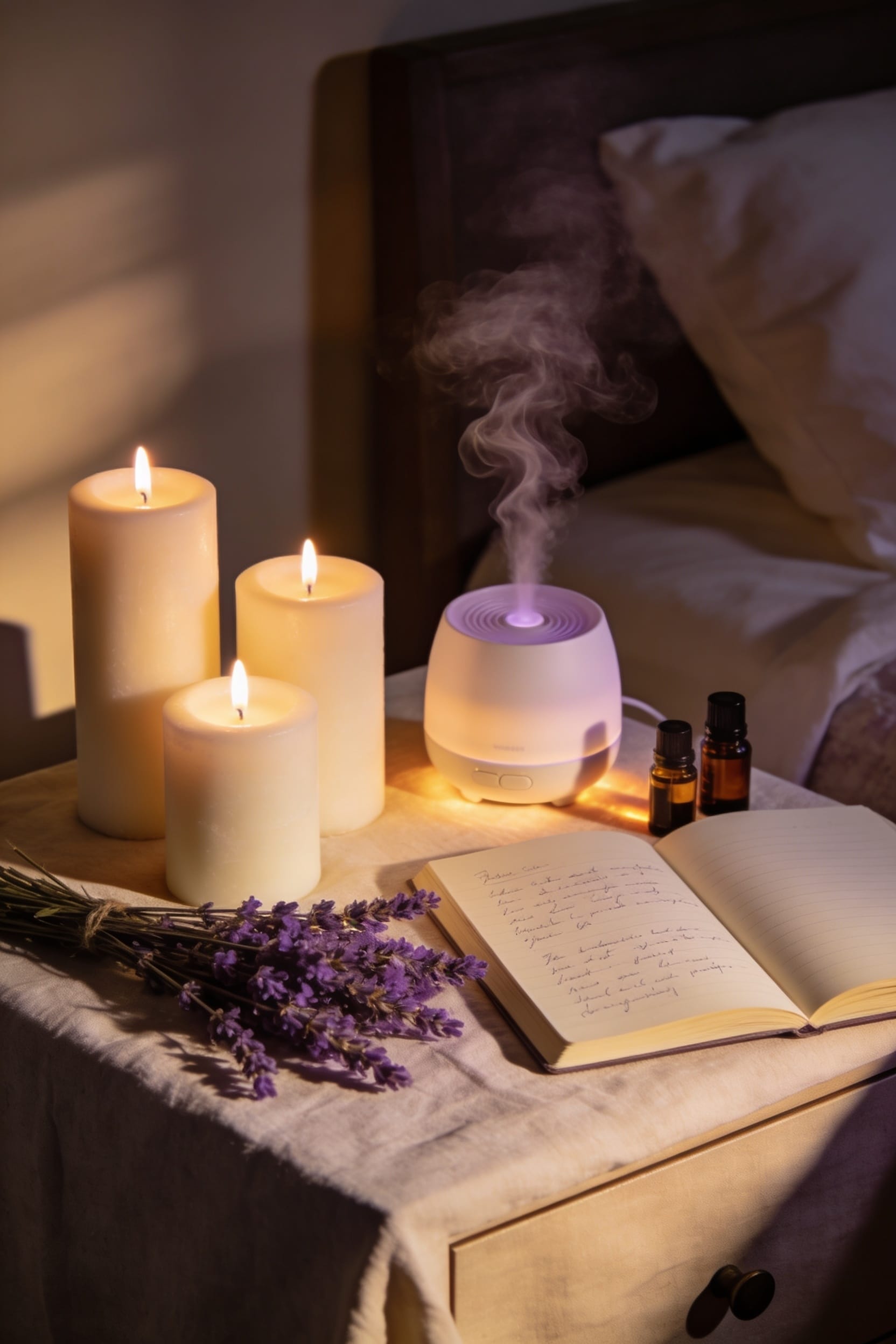
Do Candles Help You Sleep? Scents and Science Explained

Scent molecules travel directly from your nose to your brain’s emotional centers, shifting your mood within minutes—but here’s the thing: it only works if you’re burning the right candle the right way. Lavender has the strongest science backing it for sleep, though your personal preference honestly matters more than any study. All right, burning a candle twenty minutes before bed on a stable surface, with a trimmed wick, can genuinely help—especially when combined with solid sleep hygiene and a scent you actually enjoy consistently.
Key Takeaways
- Scent molecules travel directly from nose to brain’s limbic system, producing near-immediate mood and relaxation shifts.
- Lavender has the strongest scientific evidence for improving sleep quality due to its linalool compound affecting the amygdala.
- Burn candles 20 minutes before bed, trim wicks to quarter-inch, and ensure full wax pool formation for safety.
- Personal scent preference and associative memories often outweigh generalized evidence in determining candle effectiveness for sleep.
- Chamomile, vanilla, jasmine, and sandalwood complement lavender; layering scents can outperform single-note approaches for better results.
How Scent Reaches Your Brain for Better Sleep
When you light a scented candle, you’re not just filling your room with a nice smell—you’re actually triggering a direct pathway straight to your brain’s emotional control center. Here’s the thing: scent molecules travel through your olfactory pathways—those neural highways connecting your nose directly to your brain—bypassing your thinking mind entirely. This olfactory activation hits your limbic system, the part that governs emotions and relaxation. Unlike other senses that pass through your brain’s filter first, smell goes straight to the amygdala. That’s why a whiff of lavender can instantly shift your mood before you’ve consciously registered it. Your candle’s scent throw matters here—stronger projection means more molecules reaching your olfactory receptors, triggering deeper limbic activation and better sleep readiness.
Lavender vs. Lychee: What the Research Actually Shows
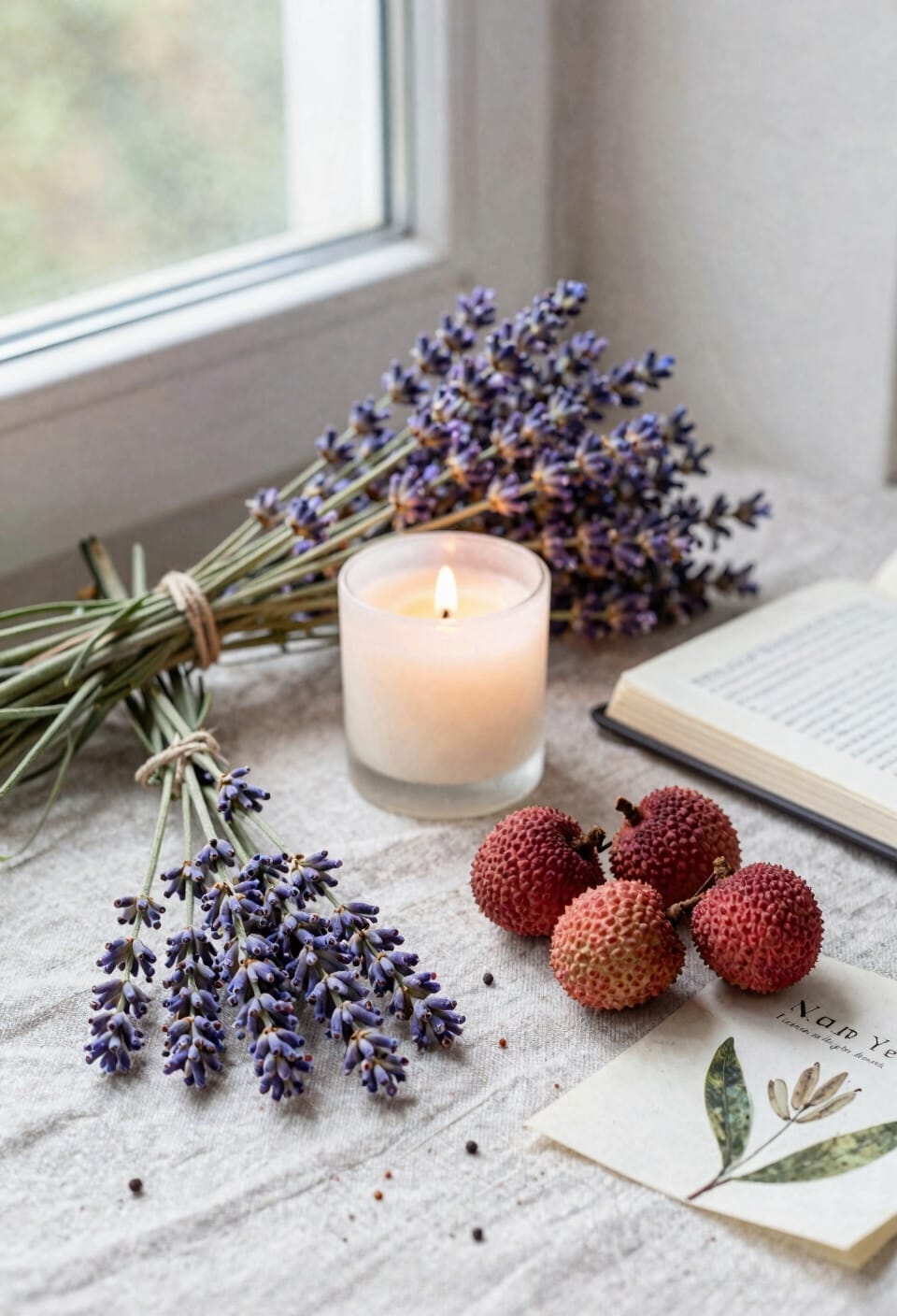
If you’ve been scrolling through candle reviews, you’ve probably noticed lavender gets all the hype—and honestly, the research backs it up. Lavender mechanisms work through linalool, a compound that directly impacts your amygdala, the brain’s emotional center. Systematic reviews show it consistently improves sleep quality, especially in high-stress settings.
Now, lychee efficacy is where things get interesting. A recent pilot study found lychee-scented candles improved sleep quality just as remarkably—but here’s the catch: it’s the first real study on lychee, with only 26 participants. We don’t yet understand what’s actually working in lychee the way we do with lavender.
Look, both work for some people. Your personal scent preference matters more than the science sometimes.
Recommended Products

Transform any space with our invigorating essential oils! Whether you're seeking a lively home ambiance or a refreshing start to your day, our oils are ideal for enhancing your diffuser experience.

THE HOTEL: Immerse yourself in the epitome of luxury with our iconic The Hotel fragrance. This exquisite blend of lavender, lemon, orange, juicy peach, red rose, geranium, and fresh pine evokes the sophistication and tranquility of a refined hotel.

Which Candle Scents Work Best for Sleep?
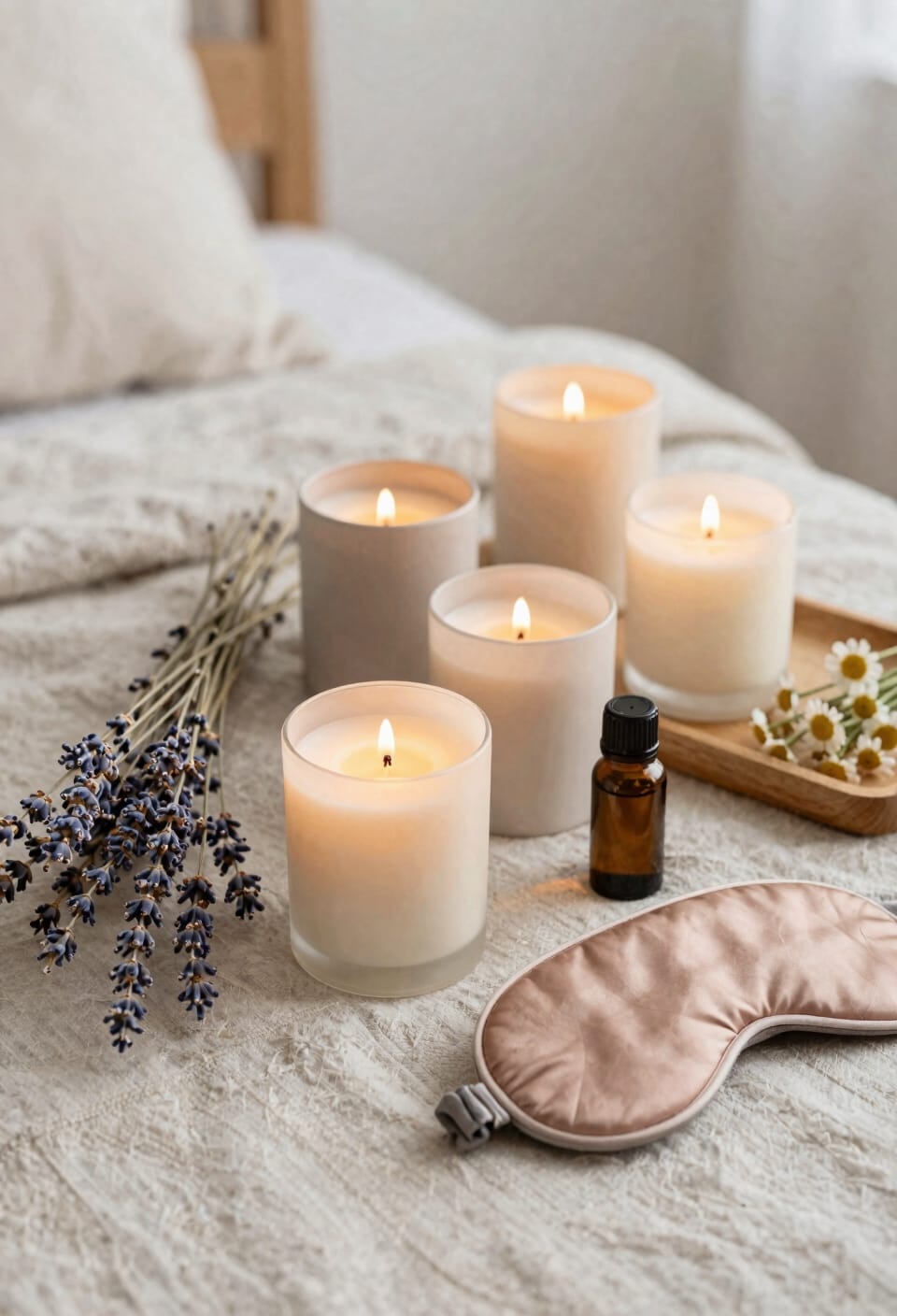
Now, here’s where I’d love to tell you there’s one perfect candle scent that works for everyone—but you already know that’s not how this works. Your aromatherapy rituals depend entirely on what your nervous system actually responds to, not what some study says should work.
That said, lavender‘s got the strongest evidence backing it up. Chamomile brings a gentler vibe. Vanilla adds warmth. Jasmine and sandalwood create peaceful atmospheres. But here’s the thing: scent layering—combining complementary fragrances—often works better than relying on a single note.
The real magic isn’t the candle itself. It’s burning it consistently before bed, building that scent-sleep association your brain starts craving. Your personal preference matters more than the chemistry. Find what actually calms you down, then stick with it.
Recommended Products

HEALTH SUPPORT FORMULA: Presented in easy-to-swallow liquid drops, Formula N is a herbal tonic carefully crafted to nourish the body and enhance overall well-being

A MUST HAVE- Discover the unique blend of Edens Garden's Lavender Around The World Essential Oil. Our 'Around the World' oils are sourced from different global regions, enhancing the complexity and richness of their aroma. This Lavender blend offers a sweet, floral scent with herbal undertones, reminiscent of its global origins. Known for encouraging relaxation, improving sleep, and soothing skin irritations, this versatile oil is your go-to companion for wellness and skincare routines.

TRANQUIL NIGHTTIME HARMONY- Immerse yourself in the soothing and serene ambiance created by our Good Night Essential Oil Blend. This meticulously crafted blend combines the calming notes of Lavender, Sweet Majoram, Chamomile, Bergamot, Ylang Ylang, Sandalwood, Key Lime, Vanilla CO2, and Roman Chamomile. The resulting aroma is a symphony of tranquility that evokes an atmosphere of relaxation, peace, and unwinding after a long day.
How to Burn Candles for Better Sleep
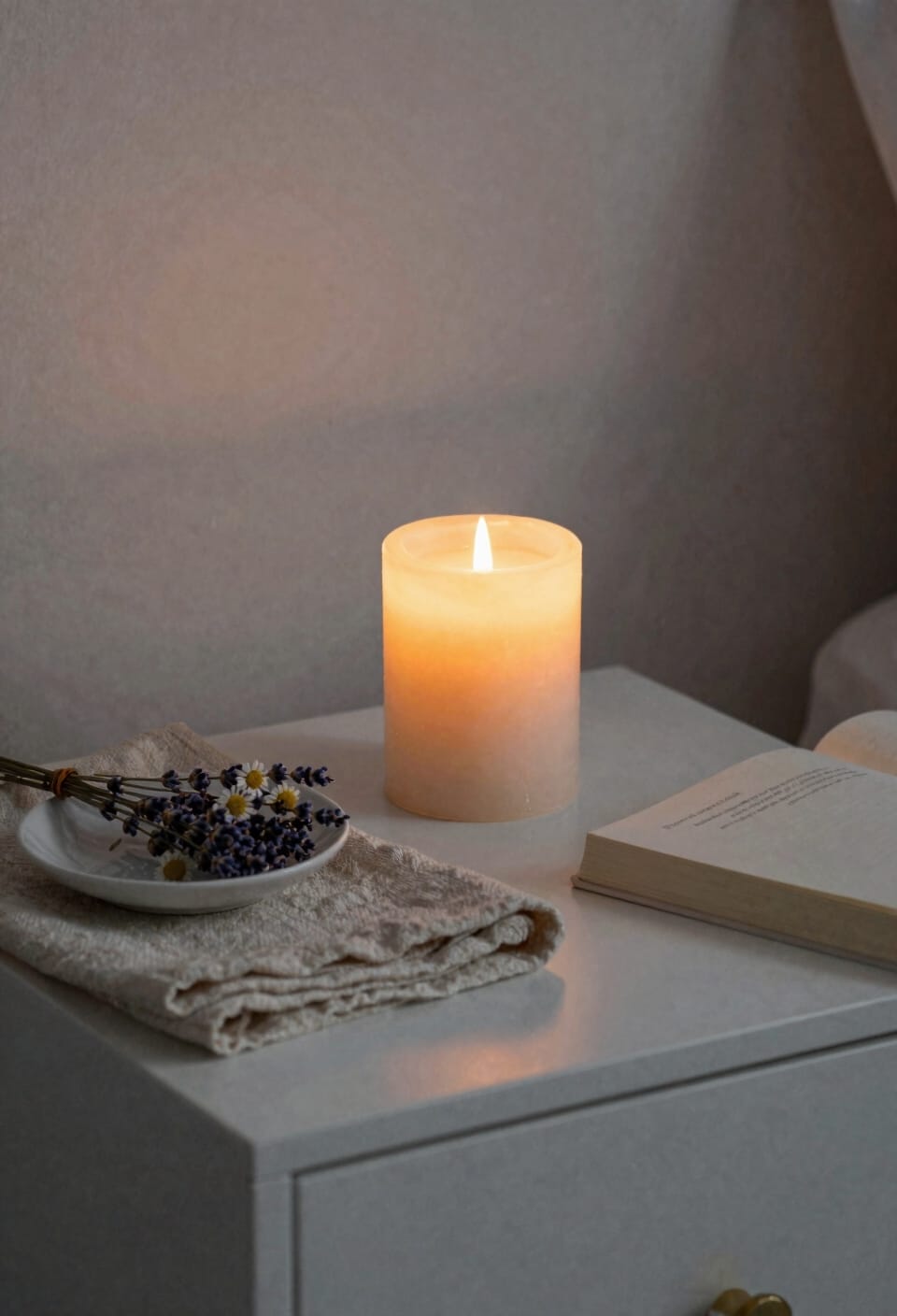
Beyond just lighting a candle and hoping for the best, there’s actually a technique to getting genuine sleep benefits from the ritual. Start by burning your candle about 20 minutes before bed—this gives the scent time to settle into your space and your nervous system. For safe placement, position it on a stable surface away from drafts, curtains, and anything flammable. Now, wick maintenance matters more than you’d think. Trim that wick to about a quarter inch before each burn to prevent excessive smoking and uneven melting. Let the wax pool fully across the top on your first burn to avoid tunneling. Extinguish completely before sleep, and pair this with solid sleep hygiene for real results.
Recommended Products

BLUE LOTUS ESSENTIAL OIL: Sheer Essence Blue Lotus Essential Oil is extracted from the majestic mauve-colored flowers of the Nymphaea caerulea plant, native to Egypt and the Indian subcontinent. It is considered one of the most rare and precious extracts, also known as the Egyptian lotus or blue water lily oil.

GIVE YOURSELF THE GIFT OF INVIGORATING SLEEP: A good night’s sleep is essential for a happier, healthier life. Natural wood bed frame helps regulate temperature and promote healthy airflow for a more supportive, comfortable, and restful sleep

【Rattan Headboard 】: This headboard is crafted from natural rattan and finished by hand with careful attention to detail. It delivers a pleasant, cool sensation when touched, making it a comfortable choice during warmer weather. Its subtle, smooth wood-grain texture and rich, natural hue bring a touch of the outdoors into your indoor space, helping to create a more balanced and inviting living setting.
Why Your Scent Preference Beats Any Sleep Candle
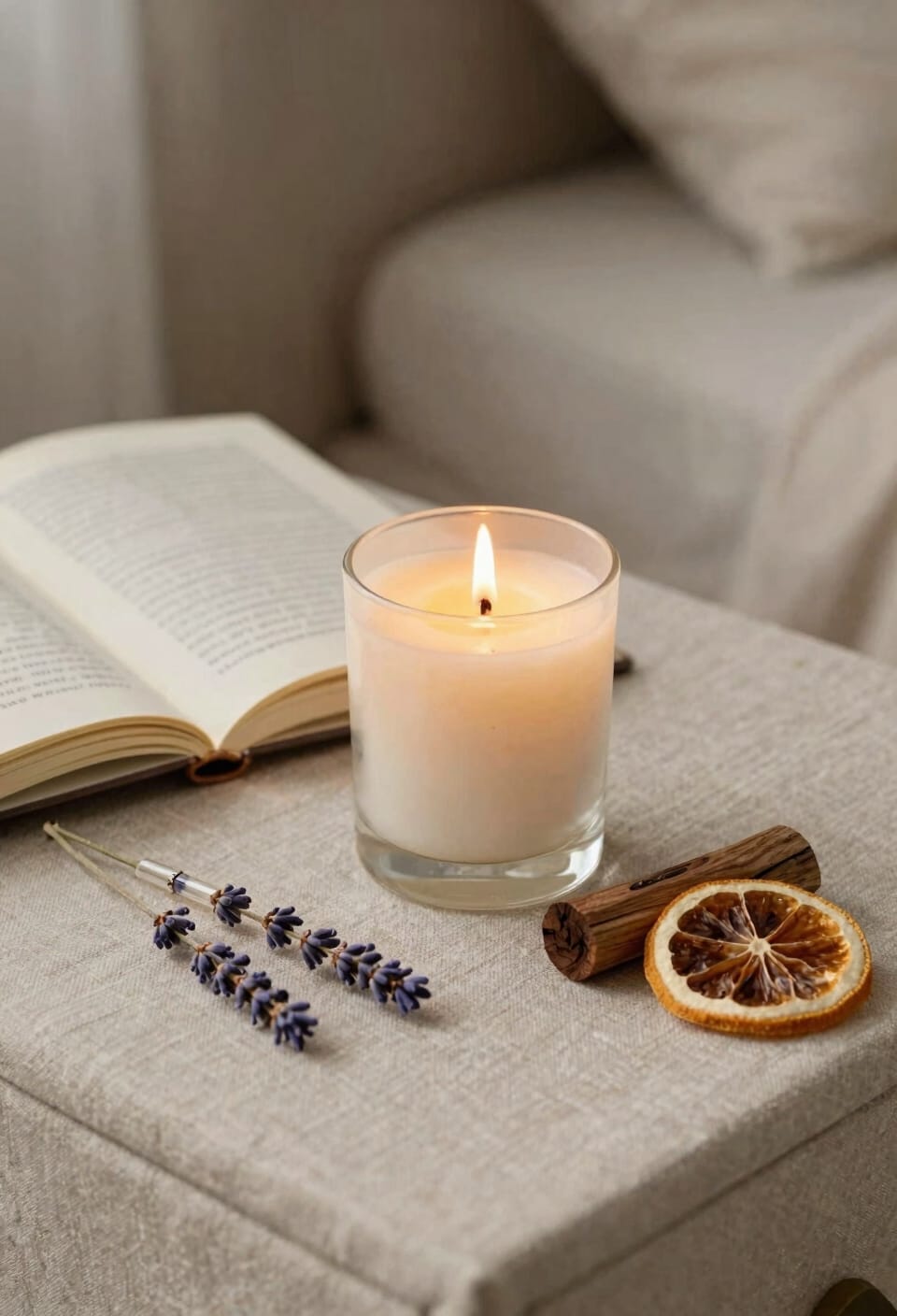
You could spend a fortune chasing the “best” sleep candle on the market—lavender this, chamomile that, lychee-scented whatever—but here’s what the science actually shows: your personal preference matters more than any ingredient list or marketing claim.
Look, a scent that triggers personal memories or carries cultural context will work better for you than something some study deemed “optimal.” Your amygdala doesn’t care about rankings. It cares about associations.
If vanilla reminds you of your grandmother’s kitchen, that warmth signals relaxation faster than any clinical evidence supporting chamomile ever could. The candle you’ll actually burn consistently—the one you genuinely enjoy lighting—beats the “perfect” option gathering dust on your shelf.
Trust what works for you.
Frequently Asked Questions
Can Candles Improve Sleep Quality if I Have Sleep Disorders Like Insomnia or Apnea?
Candles can complement your sleep routine through relaxation, but they’re not a treatment for insomnia or apnea. I’d recommend combining them with behavioral strategies and seeking medical consultation to address your underlying sleep disorder properly.
How Long Does It Take to Notice Sleep Improvements From Using Scented Candles?
You’ll likely notice sleep improvements within 2-4 weeks with consistent use, though there’s significant individual variation. The initial adjustment period involves building a scent-sleep association, so patience and regular bedtime rituals yield the best results.
Are There Any Safety Risks or Side Effects From Nightly Candle Aromatherapy Use?
When I burn candles nightly, I watch for skin irritation and indoor air quality concerns. If you’re sensitive, prolonged exposure may irritate airways. I’d recommend using candles three times weekly instead, ensuring proper ventilation always.
Can I Use Candles for Sleep if I’m Pregnant, Nursing, or Taking Medications?
I’d recommend consulting your doctor about pregnancy safe scents and potential medication interactions before using candles for sleep. Certain oils may affect you differently during pregnancy or nursing, and some aromatherapy compounds can interfere with medications.
Do Diffusers or Sprays Work as Well as Candles for Sleep Aromatherapy Benefits?
I’d say diffusers and sprays can work, but delivery methods matter. Candles provide consistent scent dispersal that builds ritual association. Diffusers offer flexibility, though results vary by essential oils used and room size.
Conclusion
you’re the expert on what makes you sleep better. According to the National Sleep Foundation, 64% of people find scented candles helpful for rest, but that stat only matters if lavender actually works for *you*. Skip the hype, trust your nose, and remember that the best candle’s the one you’ll actually light. Your preferences beat any research study.