As an Amazon Associate, we earn from qualifying purchases. Some links on this site are affiliate links at no extra cost to you. Our recommendations are based on thorough research and editorial judgment.

Candle Wax Types Compared: Which Is Best for You?

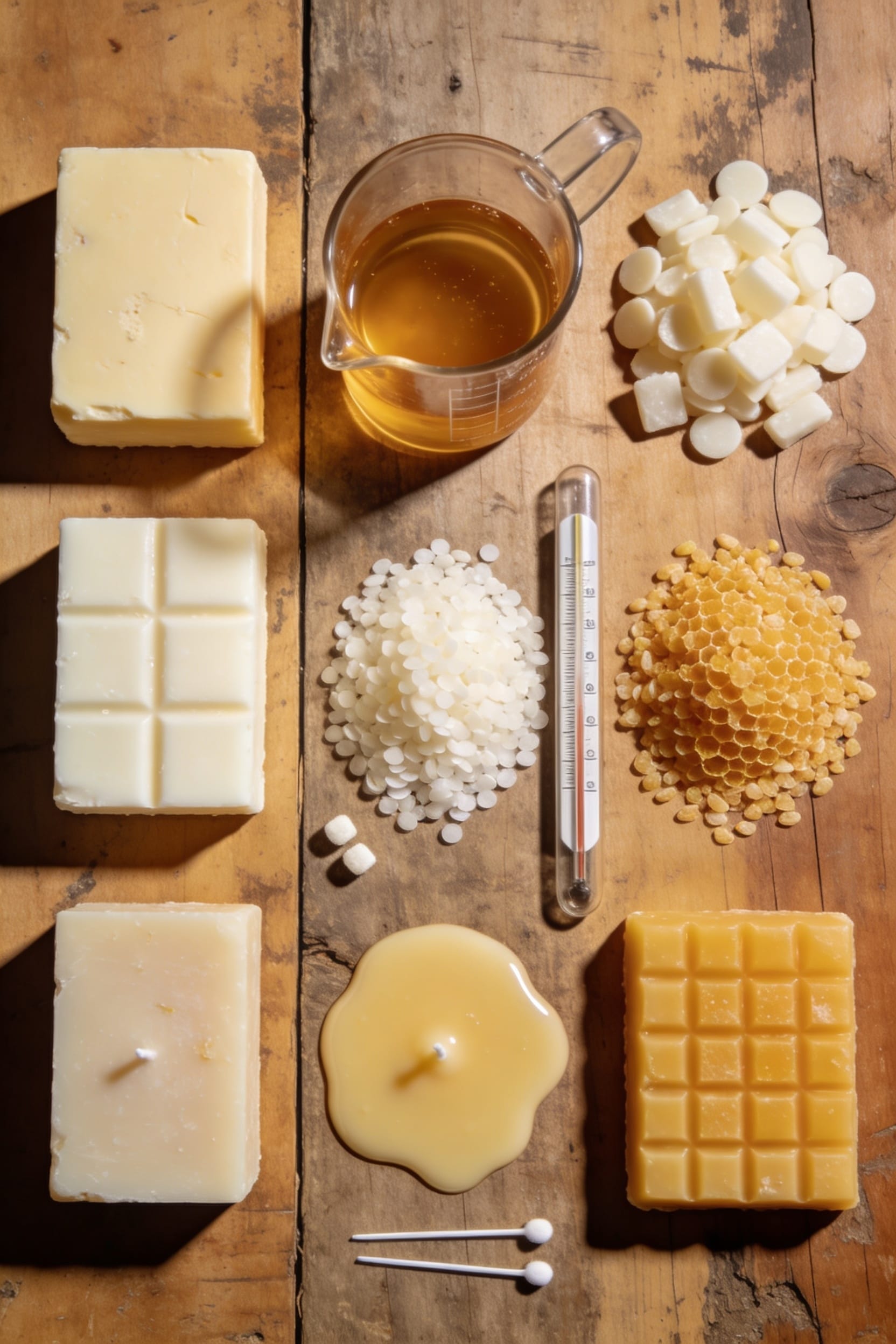
there’s no single best wax because it depends entirely on what matters to you. Want maximum scent on a budget? Paraffin’s your answer, though it’ll smoke more. Prefer a cleaner burn and don’t mind spending extra? Soy or coconut blends deliver luxury without breaking the bank. The real move is matching wax to your priorities—cost, performance, ethics, or aesthetics—then testing small batches before committing. Stick around to discover how each wax actually performs in practice.
Key Takeaways
- Paraffin wax offers maximum scent throw and lowest cost ($1–2/lb), ideal for budget-conscious candle makers.
- Soy and coconut waxes provide cleaner burns and luxury performance; blend them for quality without excessive cost.
- Beeswax delivers the cleanest burn and longest life but costs $5–8/lb; best for premium containers.
- Wax choice depends entirely on your priorities: cost, performance, ethics, aesthetics, or community impact—not generic rankings.
- Test small batches before bulk purchasing to confirm wick compatibility, scent throw, and burn performance with your chosen wax.
Choose the Right Wax for Your Candle Goals
Look, picking the right wax is where most candle-making decisions actually get made—and it’s way more important than people realize. Your choice fundamentally shapes everything else: scent throw, burn time, and how your candle actually performs in a room.
I’ve learned this the hard way. If you’re chasing maximum fragrance diffusion, paraffin and coconut wax deliver serious scent throw. Want something that lasts longer and burns cleaner? Soy’s your baseline. Planning scent layering with multiple fragrance notes? You’ll need a wax that holds complexity without getting muddled.
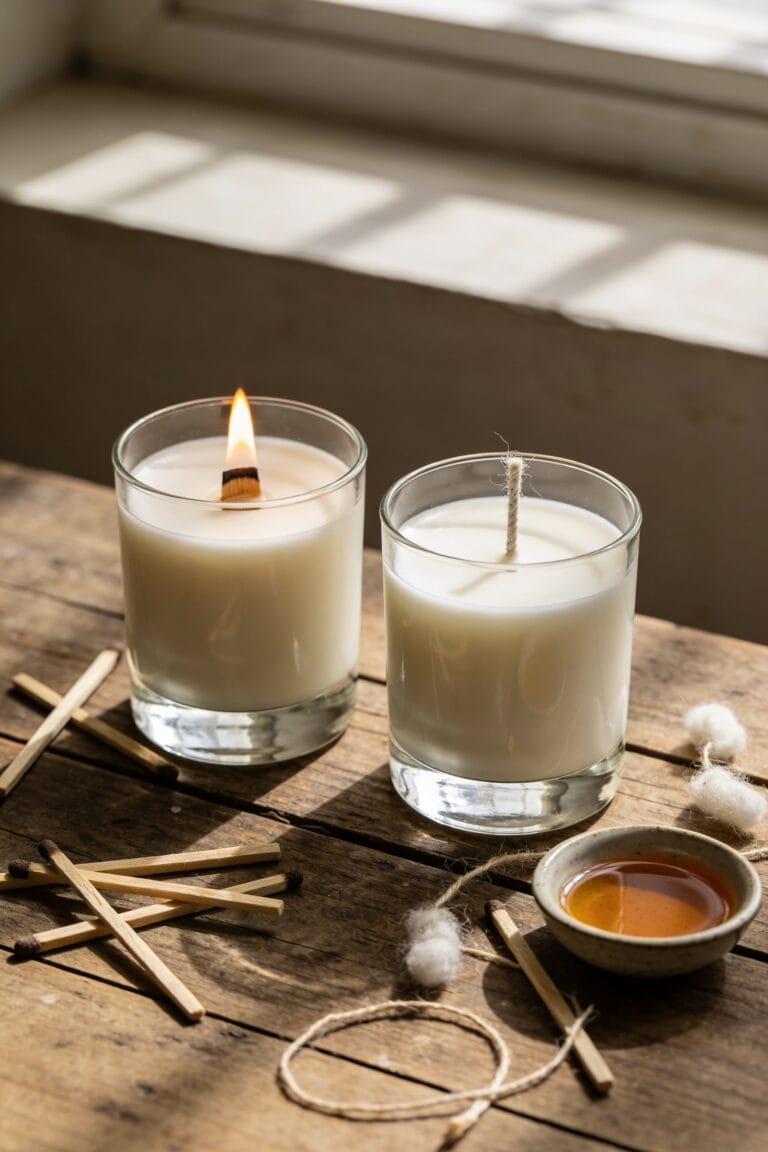
Here’s the thing—wick selection depends entirely on your wax choice too. Different waxes have different densities, so they need different wick sizes. Pick wrong on wax, and even the perfect wick won’t save you from tunneling or weak scent throw.
Paraffin Wax: Maximum Scent on a Shoestring Budget
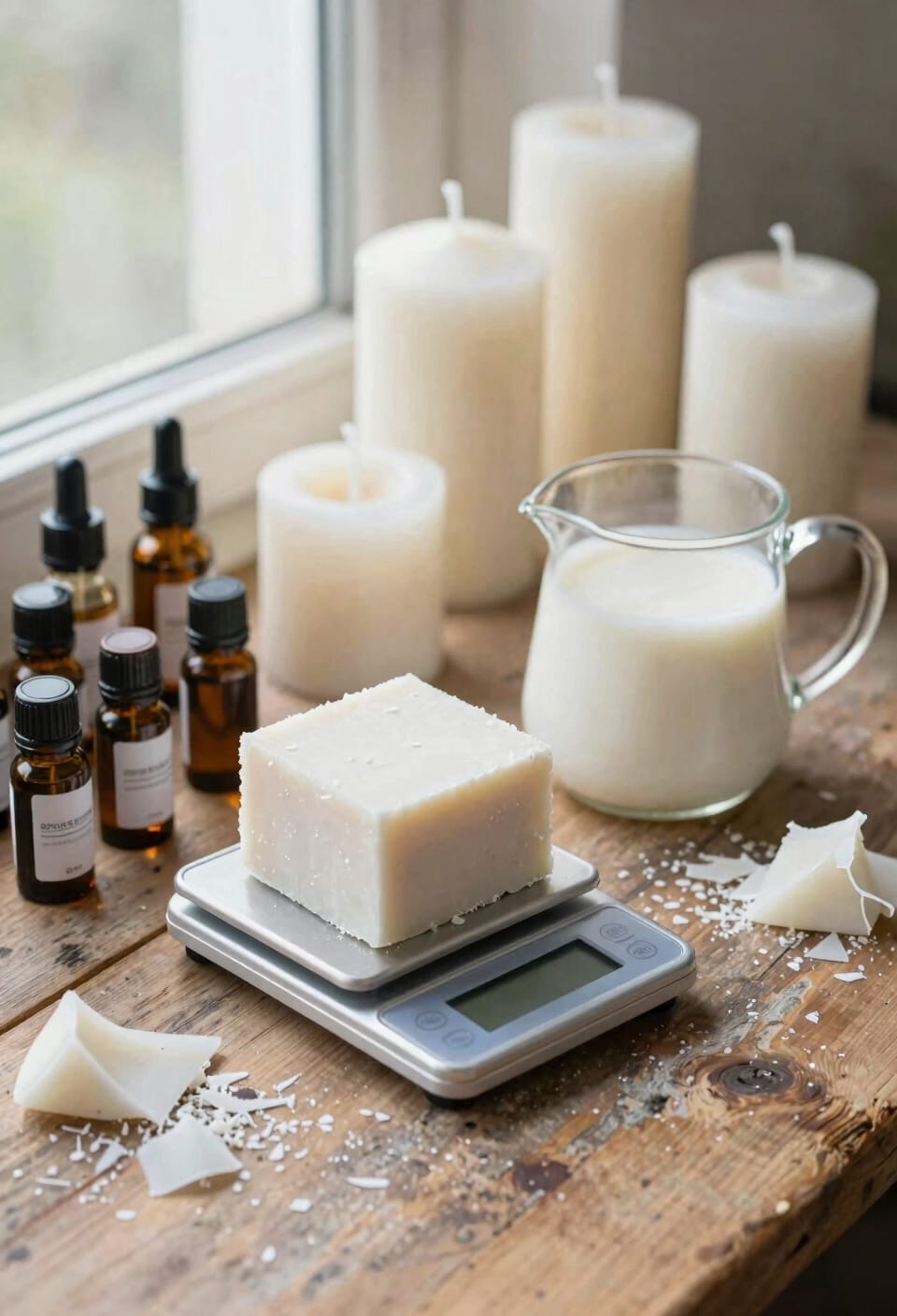
If you’re serious about scent throw but your budget isn’t exactly unlimited, paraffin wax is where you start—and honestly, where a lot of experienced candle makers keep coming back to, no matter what they experiment with.
Here’s why: paraffin excels at scent maximization. It holds fragrance oils better than most alternatives, meaning you get powerful, room-filling scent from every burn. At just $1–2 per pound, it’s unbeatable for budget blends that don’t sacrifice performance.
Now, paraffin isn’t perfect. It burns smokier and produces more soot than natural waxes. But if you’re choosing between a high-scent paraffin candle and a low-scent soy one, the paraffin wins every time for fragrance diffusion.
The versatility matters too—multiple melting points let you create votives, pillars, or containers without reformulating constantly.
Recommended Products

Professional Wax Melter for Candle Making or Soap Making, Melter 3 Gallon Stainless Tank, Extra Deep for Your Larger Batches Of Candles or Soap, This Has Been Designed From Customers Requests and is Unlike Other Competitors.

100% Pure Beeswax Candle: Hand-poured from naturally filtered beeswax for a rich, golden glow. These clean burning candles are free from paraffin, soy, and synthetic fragrances. Each 1-wick dripless pillar candle features natural cotton candle wicks and pure candle wax for a long-lasting burn and warm, cozy candle light.

You know it as: Pearled Wax, Pearled Candles, Candle Pearls, Pearl Wax, Candle Powder, Granulated Natural Plant Based Wax.
Soy Wax: The Eco-Conscious Workhorse
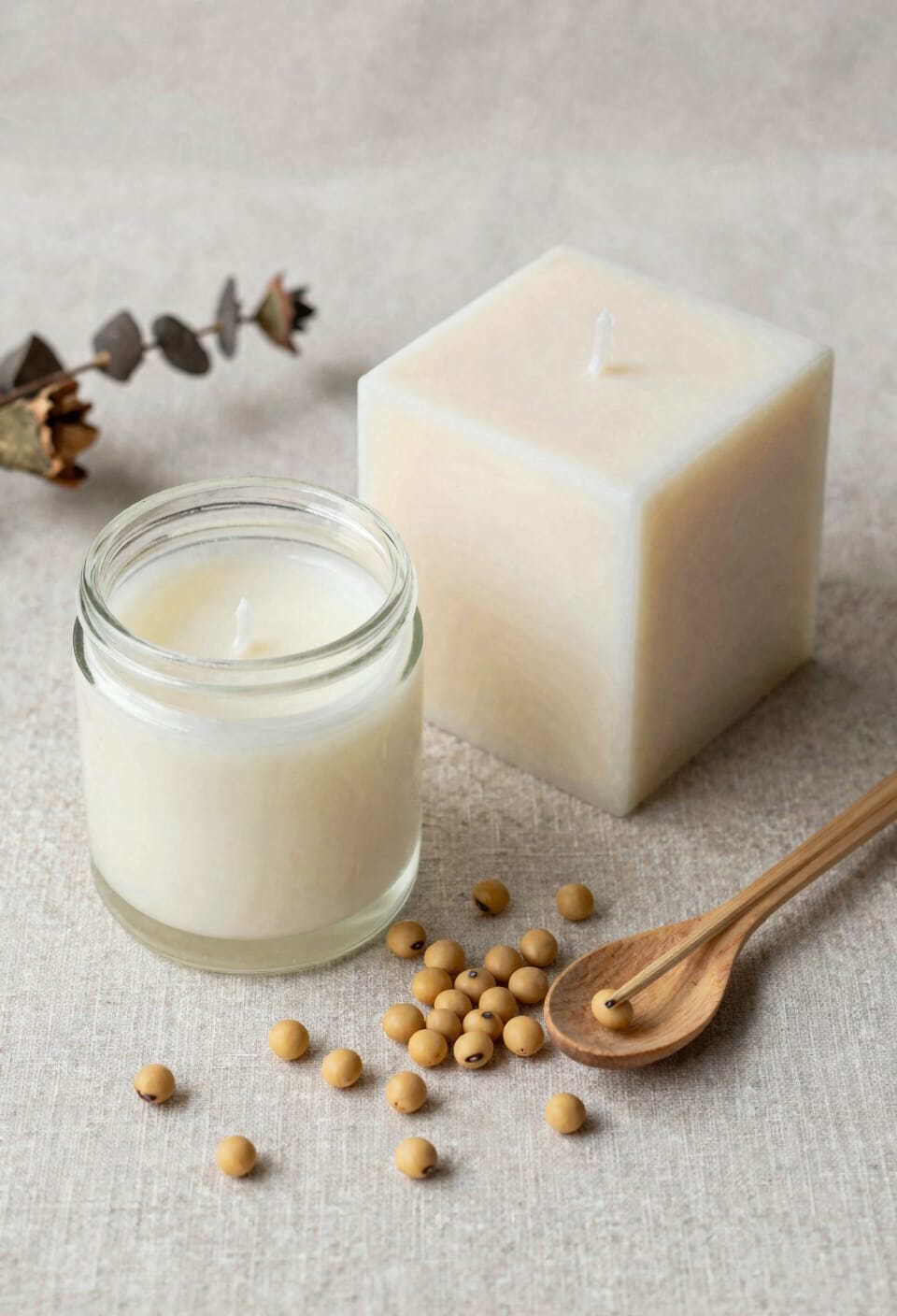
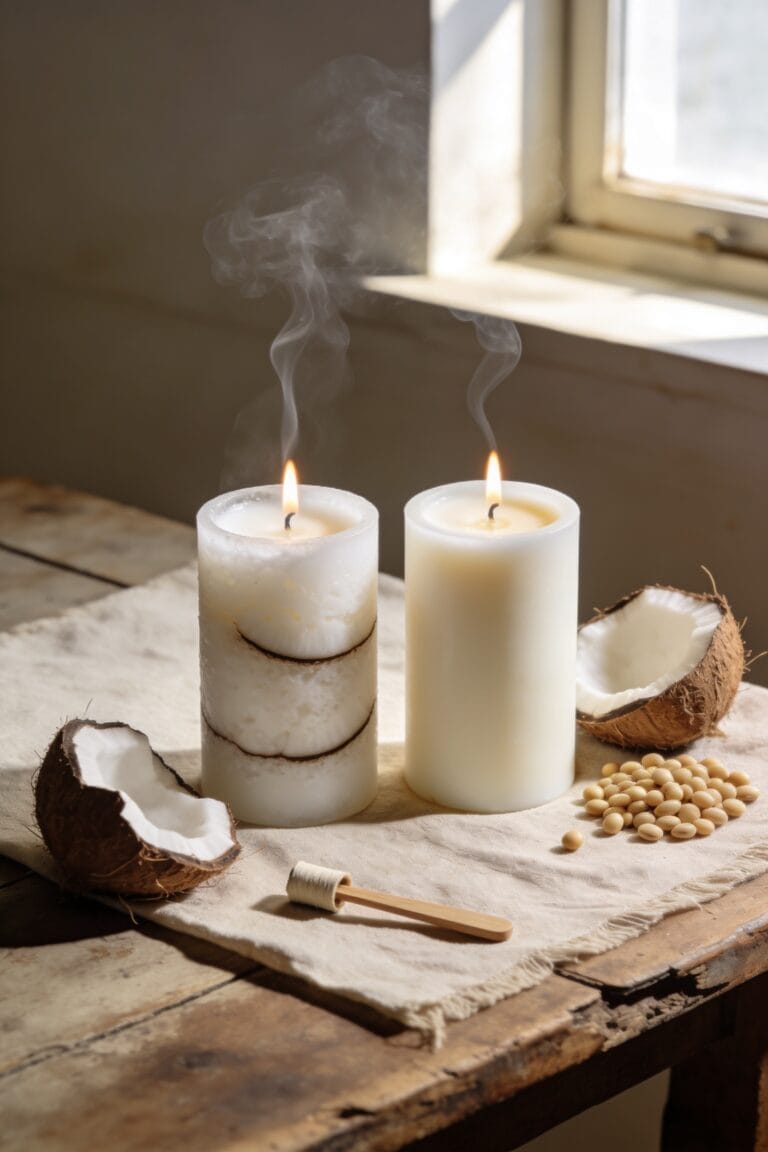
Now, here’s where things get interesting: soy wax doesn’t chase scent throw the way paraffin does, but it trades that single-minded focus for something you might value even more—a cleaner burn, longer-lasting candles, and the ability to sleep at night knowing you’re not filling your room with petroleum byproducts. Made from hydrogenated soybean oil, it’s 100% biodegradable and renewable, which matters if sustainable sourcing aligns with your values. You’ll get 45 to 50 hours of burn time—up to 30% longer than paraffin. The trade-off? Temperature sensitivity causes frosting, and melt pooling requires proper wick sizing. Many community workshops teach soy techniques specifically because it demands precision. At $1–2 per pound, it’s affordable enough that you can experiment without guilt.
Recommended Products

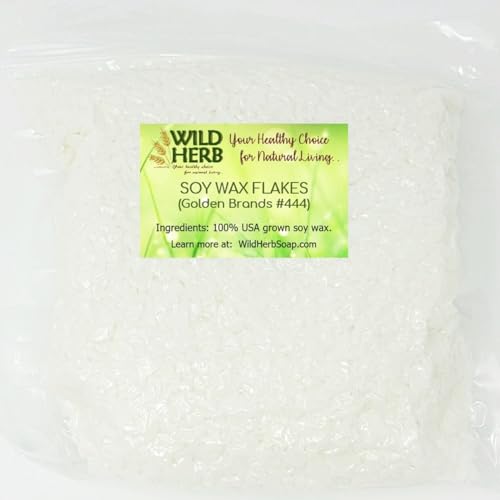
Wax Material: Our candle making flakes are made of hydrogenated soybean oil, specifically Golden Brand 444, designed for container and tea light candles

SOY CANDLE MAKING KIT FOR ADULTS: Make your own candles with our candle making supplies kit: natural soy wax for candle making 50 lb bag, 500 cotton candle wicks for candle making, 500 candle wick stickers for candle making, 10 wick holders.
Coconut Wax: Premium Performance and Scent Throw
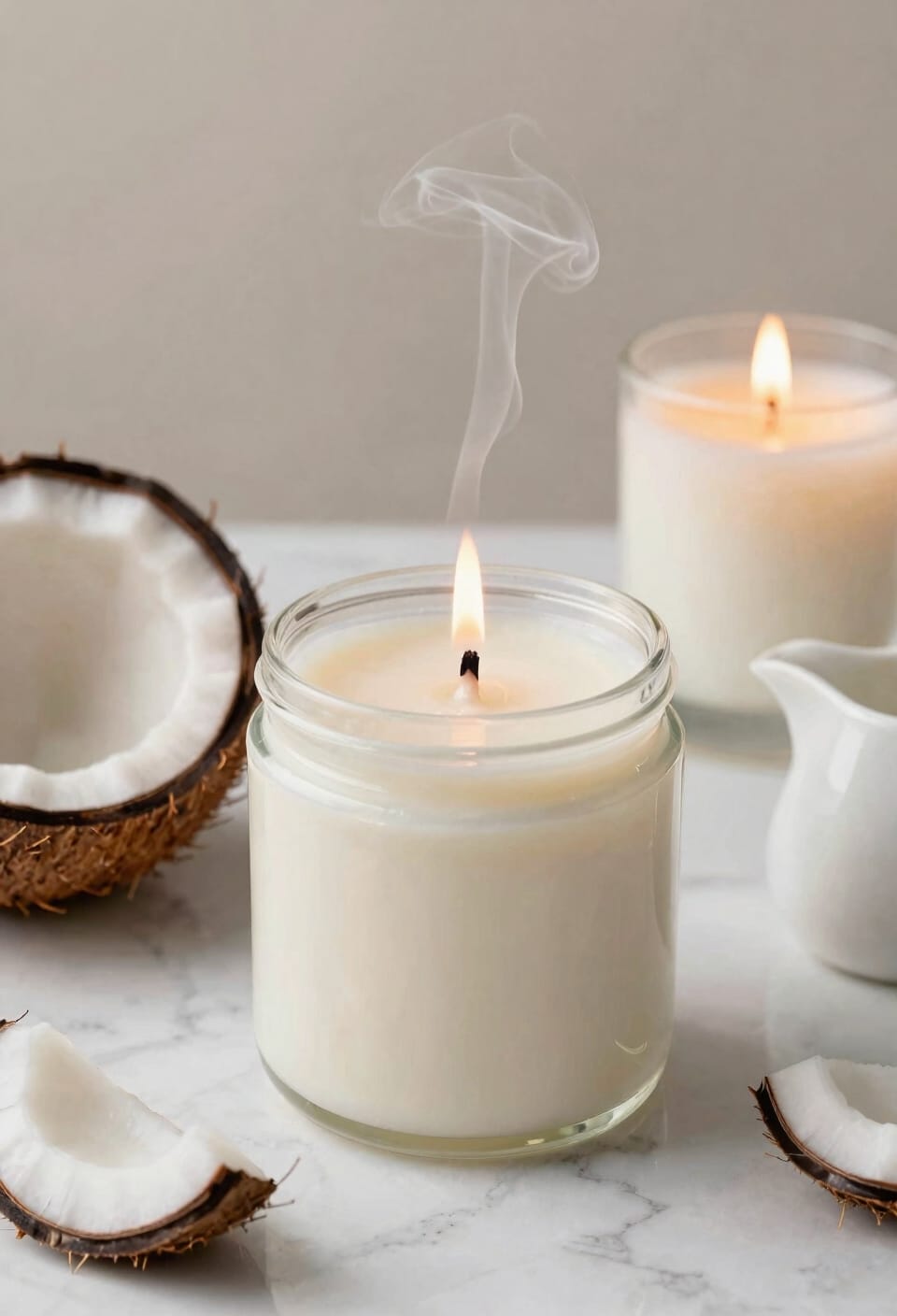
Coconut wax enters the scene as the premium player you’ll want to contemplate if you’re willing to spend a little more for noticeably better performance—and I’m talking specifically about scent throw that can genuinely outperform paraffin and soy in the same room. Look, at $3–5 per pound, it’s pricier, but here’s what you’re getting: a wax that burns slowly and cleanly with minimal soot while delivering exceptional fragrance retention throughout the candle’s life. The creamy texture blends beautifully with soy to create quality blends that enhance overall performance. I’ll be honest—sustainable sourcing matters here, and availability can be spotty since many makers blend it rather than use it solo. Worth it if scent throw is your priority.
Recommended Products

Industrial 67 Lbs Capacity Wax Melting Pot Pro Package Model: Includes Large Spout, Lid, Pouring Pot, Stirring Spoon. Cutting-edge technology ensures rapid melting of soy wax, paraffin, coconut, and beeswax for efficiency. It's perfectly suitable for most Wax types and Melt & Pour soap bases. Its user-friendly temperature guage allows temperature adjustment from from low to high temperature which maintains roughly 100 - 350 degrees Fahrenheit.

BLACK BUTTER BODY OIL: Our body oil offers the quality of all scented and perfume oils. This oil is quality and is uncut which will last all day long. And we offer a distinctively clean line of products that are made with vegetable glycerin. This perfume black butter scented body oil envelops you in an alluring fragrance that lasts all day.

65 LBs Capacity Wax Melting Pot Pro Package Model: Includes Large Spout, Lid, Pouring Pot, Stirring Spoon. Cutting-edge technology ensures rapid melting of soy wax, paraffin, coconut, and beeswax for efficiency. While it can't be used for lye soap making due to aluminum's reactivity with lye, it's perfectly suitable for Melt & Pour soap bases. Its user-friendly temperature guage allows temperature adjustment from from low to high temperature which maintains roughly 100 - 350 degrees Fahrenheit.
Beeswax: Natural Burn Quality at a Premium Price
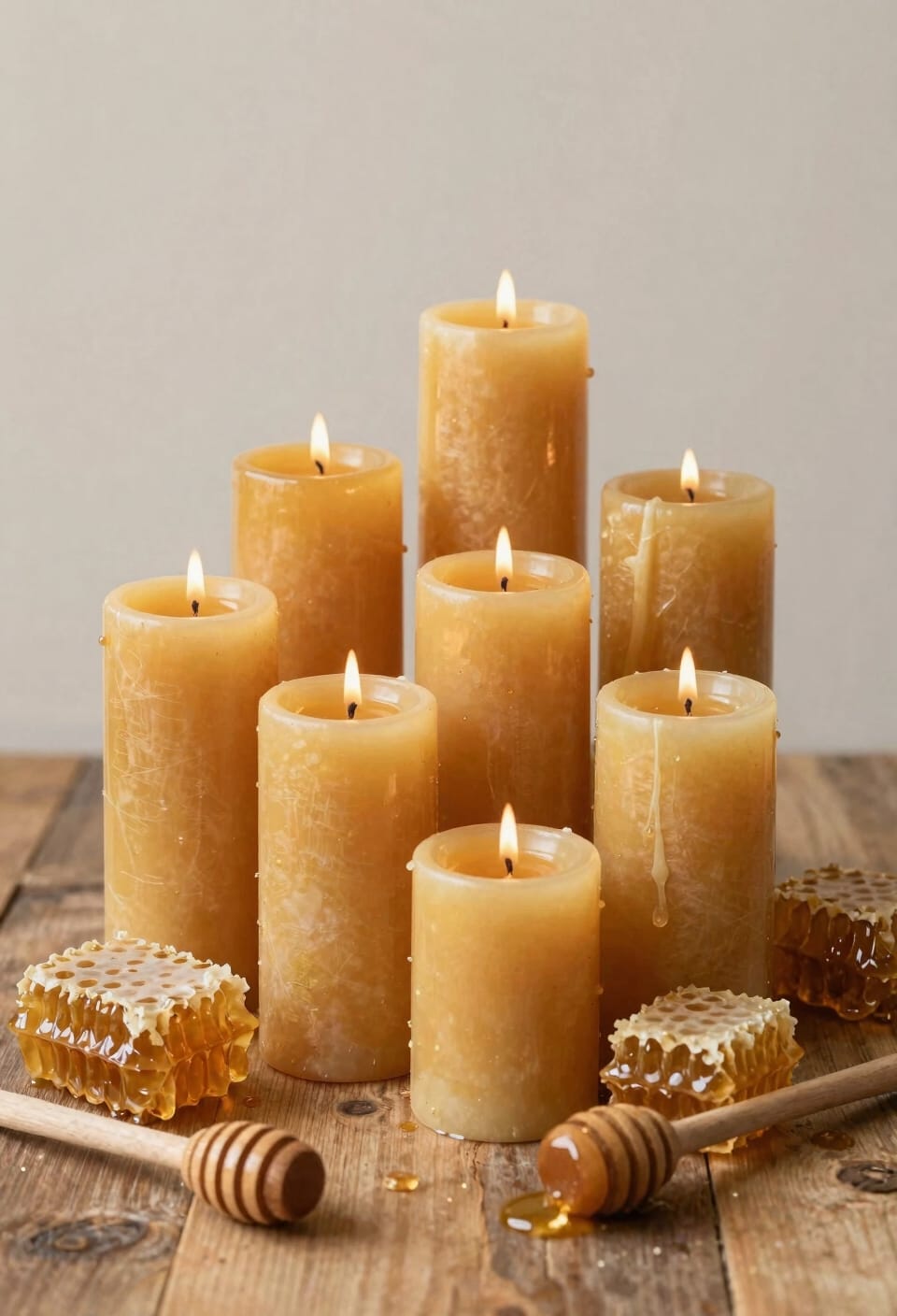
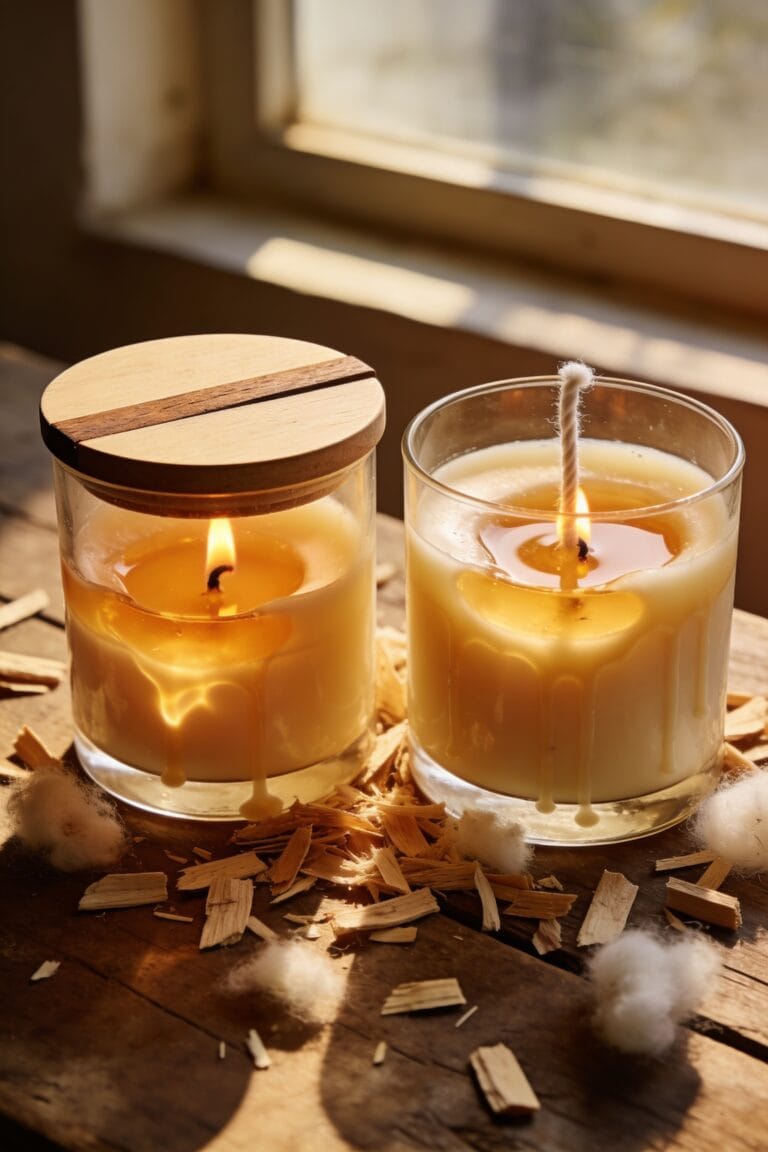
While coconut wax’s exceptional scent throw is undeniably impressive, there’s another natural player that commands respect for entirely different reasons—beeswax, the stuff that honeybees actually produce to build their honeycombs. Here’s the thing: beeswax burns cleaner and longer than most alternatives, producing minimal soot while releasing a subtle honey aroma that some of you will absolutely love. The catch? You’re looking at $5–8 per pound, making it pricier than everything except high-end coconut blends. Before committing, prioritize source verification—quality matters here, and you want pure beeswax from reputable beekeepers. It works best for container and pillar candles. If budget allows and you appreciate natural, understated scent with exceptional burn quality, beeswax deserves serious consideration.
Recommended Products

Yellow Beeswax is a natural wax formed by honey bees. The wax is discarded by the worker bees in or at the hive. The hive workers collect it and use it to form cells for honey storage. It becomes colored yellow from the pollen. Our 100% pure natural yellow beeswax is in pellet form, which makes working with it easy. Save time with no messy clean up from having to grate it.

DIMENSIONS: 22cm x 5-6mm SKINNY (9" by 7/32 inch); Height: 22 cm (9 inches), thickness at base: 0.21 inch (5-6mm): 22cm x 7mm (9" by 5/16 inch); Height: 22 cm (9 inches), thickness at base: 0.28 inch (7mm); 27cm x 7mm (11" by 5/16 inch); Height: 27 cm (11 inches), thickness at base: 0.28 inch (7mm); 32cm x 7mm (13" by 5/16 inch); Height: 32 cm (13 inches), thickness at base: 0.28 inch (7mm);

BURNING TIME: 22cm (9 inches) SKINNY - approximately 1 hour; 22cm (9 inches) - approximately 1 - 1.5 hours; 27cm (11 inches) - approximately 1.5 - 2 hours; 32cm (13 inches) - approximately 2 hours; For maximum burn time place the candles in an area with minimal air movement. Avoid drafty areas such as near open windows, vents, or fans.
Palm Wax: Crystalline Beauty With Ethical Trade-Offs
If you’re drawn to candles that look as good as they smell, palm wax might’ve caught your attention—and I get it, because those crystalline patterns that form as the wax cools are genuinely beautiful. The design techniques create this natural aesthetic that feels almost luxurious without the luxury price tag ($2–3 per pound). Here’s where it gets complicated though: sourcing ethics matter. Palm oil production raises real environmental concerns, so if sustainability’s important to you, you’ll want to research your supplier carefully. That said, palm wax does deliver good scent throw and works perfectly for pillars and votives. It sets fast, which means quick pouring. Just weigh the visual appeal against your values before committing.
Recommended Products

ILLUMINATE PERFECT MOMENTS: Elevate your candlelight service, wedding, or first communion with our 4.25" x 1/2" white prayer candles. Perfect for centerpieces, our white candle is ideal for religious ceremonies, Shabbat, and devotional settings, providing a serene glow for any altar supplies or table.

45 Pound Case A luxurious, creamy coconut apricot candle wax blend for luxury candle making. This candle wax also has a very small amount of refined food grade paraffin wax to help with wax performance. We have found that this small addition of paraffin wax enhances its burn characteristics that candle makers love.

You know it as: Pearled Wax, Pearled Candles, Candle Pearls, Pearl Wax, Candle Powder, Granulated Natural Plant Based Wax.
Gel Wax: Transparency and Decorative Possibilities
Now, gel wax opens up a whole different lane if you’re the type who wants your candle to be as much a visual statement as a scent delivery system. I’m talking transparent aesthetics that let you embed keepsakes—think shells, dried flowers, or decorative beads suspended in crystal-clear wax. It’s genuinely beautiful when done right.
The catch? You’ve got to nail your pouring temperature. Too hot and you’ll get cloudiness or bubbles that’ll ruin that pristine look. Too cold and embedding becomes a hassle. The scent throw is solid, so you’re not sacrificing fragrance for aesthetics here.
Honestly, gel wax suits people who want conversation pieces on their coffee tables, not just background ambiance. It costs more than paraffin, demands precision, but delivers something genuinely Instagram-worthy.
How to Compare Candle Waxes by Burn Time and Soot
Aesthetics matter, sure, but what you really want to know is how long a candle actually burns and whether it’s going to coat your ceiling with soot. Here’s the thing: soy wax typically outperforms paraffin by about 30%, giving you 45 to 50 hours versus fewer burns before the wick dies. Paraffin’s the culprit behind most soot—it burns smokier and dirtier, period. Coconut wax burns slow and clean, making it worth the premium if you’re sensitive to air quality. Now, wick maintenance matters more than you’d think. A properly trimmed wick prevents excessive smoking regardless of wax type. Pair that with decent ambient ventilation, and you’ll notice the difference immediately. Test small batches before committing to bulk purchases.
Match Wax Types to Your Candle Formats
Once you’ve settled on a wax type that fits your burn-time and soot preferences, the next decision’s actually pretty straightforward—you’ve got to match that wax to the candle format you’re making, because not every wax plays nice with every mold. Soy wax thrives in container compatibility situations, where its lower melting point keeps things stable. Paraffin, meanwhile, handles taper suitability beautifully since it hardens quickly and cleanly. Coconut wax works well blended into containers for premium results. Beeswax suits both containers and pillars. Palm wax sets fast, making it ideal for votives and pillars where you need definition. Gel wax demands container use to show off those embedded decorations. Pick your format first, then choose the wax that naturally fits it.
Your Decision: Balancing Cost, Performance, and Values
If you’ve made it this far, you’re probably wondering which wax actually makes sense for *your* situation—and I’m not going to pretend there’s one perfect answer because there isn’t. Here’s the thing: your decision hinges on what matters most to you. Cost-conscious? Paraffin wins. Care about personal ethics and supply chain transparency? Soy or beeswax deserve consideration. Worried about packaging waste and community impact? Coconut or soy candles from responsible makers align better with those values. Budget’s flexible? Blend coconut with soy for performance and luxury without breaking the bank. The smartest choice reflects your actual priorities, not some generic ranking. That’s it. Pick based on what you genuinely value.
Frequently Asked Questions
Can I Mix Different Wax Types Together to Create Custom Candles?
Yes, I can mix different wax types together. You’ll need to take into account blended compatibility and make sure pouring temperatures align properly. I’ve found that soy and coconut wax blend particularly well for enhanced performance.
How Do I Store Candle Wax Properly to Maintain Its Quality?
I’d store your wax in cool storage areas away from direct sunlight and heat sources. I’d also recommend label rotations to track purchase dates, ensuring I’m using older stock first and maintaining peak quality throughout.
What’s the Difference Between Fragrance Throw and Scent Throw in Candles?
I’ll tell you straight: there’s no difference. “Fragrance throw” and “scent throw” are interchangeable terms describing how well your candle’s fragrance diffuses throughout a room. Both refer to scent longevity and the strength of fragrance dispersal.
Are There Any Health or Safety Concerns With Burning Certain Wax Types?
Where there’s smoke, there’s fire—and I’d caution you that paraffin wax produces considerable soot, potentially triggering allergen exposure concerns. Natural alternatives like soy and coconut minimize these respiratory risks markedly.
How Do I Calculate the Correct Amount of Wax Needed for a Candle?
I’d multiply your container’s volume in cubic inches by 0.9 to account for the melt pool and wick size variations. You’ll want slightly less wax than total capacity, ensuring proper fragrance absorption and burn performance.
Conclusion
Your perfect candle is out there, waiting like a key in a lock—you just need to find the right fit. Now you know wax types matter, scent throw varies, and your budget doesn’t have to dictate quality. Pick what aligns with your values and nose. Then light it, pay attention, and adjust next time. You’ve got this.