As an Amazon Associate, we earn from qualifying purchases. Some links on this site are affiliate links at no extra cost to you. Our recommendations are based on thorough research and editorial judgment.

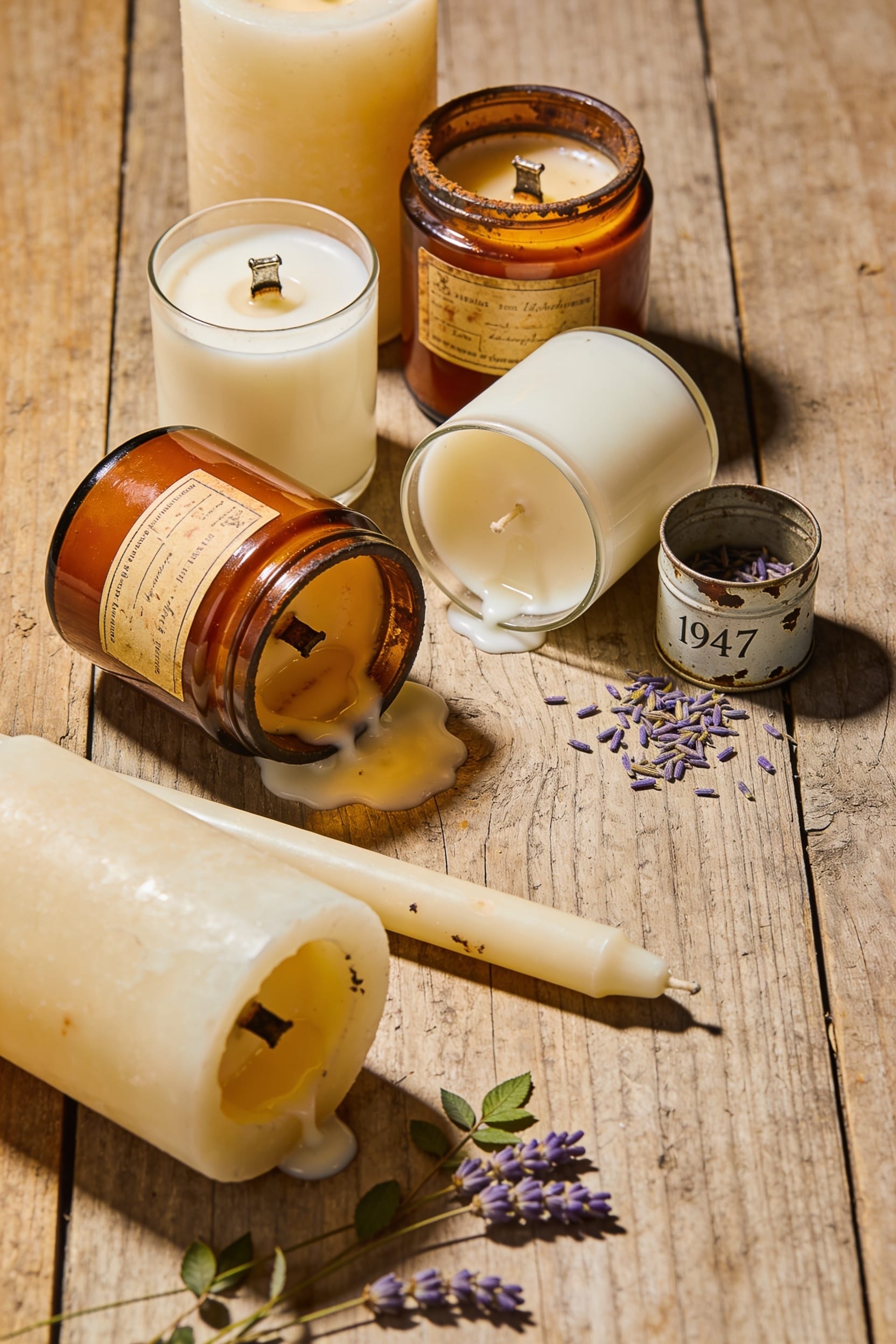
Do Candles Expire? Shelf Life and Storage Explained

Candles don’t expire like food, but they absolutely degrade—fragrance chemistry breaks down after 12–18 months with proper storage, and burn performance declines around year one. Paraffin wax stays stable indefinitely, while natural waxes like soy and coconut peak around 1–2 years. The real culprit? Fragrance oils evaporate and migrate through wax over time. Keep yours in cool, dark spots with lids sealed tight, store upright, and rotate older candles first. Understanding why your scent throw fades faster than you’d expect changes everything about how you’ll shop next.
Key Takeaways
- Candles don’t expire like food but degrade over time, with fragrance potency declining after 12–18 months of storage.
- Paraffin wax lasts indefinitely while natural waxes like soy and coconut peak around 1–2 years before degrading.
- Store candles upright in cool, dark places with lids on to prevent fragrance loss and wax deterioration.
- Warning signs of degradation include discolored wax, tunneling, weak scent throw, and difficulty keeping the wick lit.
- Warm-room exposure or wick replacement can revive some candles, but severely degraded ones may require replacement instead.
Do Candles Actually Expire?
Look, I’ve definitely thrown away candles thinking they’d gone bad, only to later wonder if I’d wasted perfectly good wax—so I get why this question matters. Here’s the thing: candles don’t expire like food, but they do degrade. The real culprit? Scent chemistry breaks down over time. Your fragrance stays potent for about 12-18 months with proper storage, then gradually loses its punch. Burn time suffers too. After a year or so, that candle won’t perform like it did fresh. Now, the wax itself? Paraffin holds up indefinitely under decent conditions. But soy and coconut wax fade faster. Store yours upright in cool, dark spots, keep the lid sealed, and you’ll squeeze maximum life from every candle you own.
How Long Do Different Wax Types Last?

Now that we’ve established candles don’t actually expire like milk or yogurt—they just gradually lose their charm—let’s talk about the real variable: what’s actually holding that fragrance. Paraffin wax? That stuff’s practically immortal under decent conditions. Soy and coconut wax candles, though, peak around 1-2 years unburned. Here’s where it gets interesting: wax longevity directly impacts blend stability. Natural vegetable waxes degrade faster than paraffin, meaning your carefully crafted fragrance notes fade quicker. Unscented plain wax lasts forever because, well, there’s nothing to go bad. The takeaway? Your wax type matters more than you’d think. It’s not just about what burns prettiest—it’s about how long that scent actually sticks around.
Recommended Products


SCENT - Feu de Bois evokes fresh pine falling on curls of sandalwood & rare Virginia cedarwood. Smoky leather accords, frankincense & nuances of vanilla are tranquil and comforting.

MASSIVE 8" × 14" LUXURY CANDLE – 300 OZ OF NATURAL COCONUT SOY WAX Make a statement with this Classic Big Ass Candle—our largest candle. This luxury candle delivers bold presence, elegant style, and room-filling fragrance. Perfect as a centerpiece for living rooms, great rooms, and upscale spaces.
How to Store Candles for Maximum Longevity
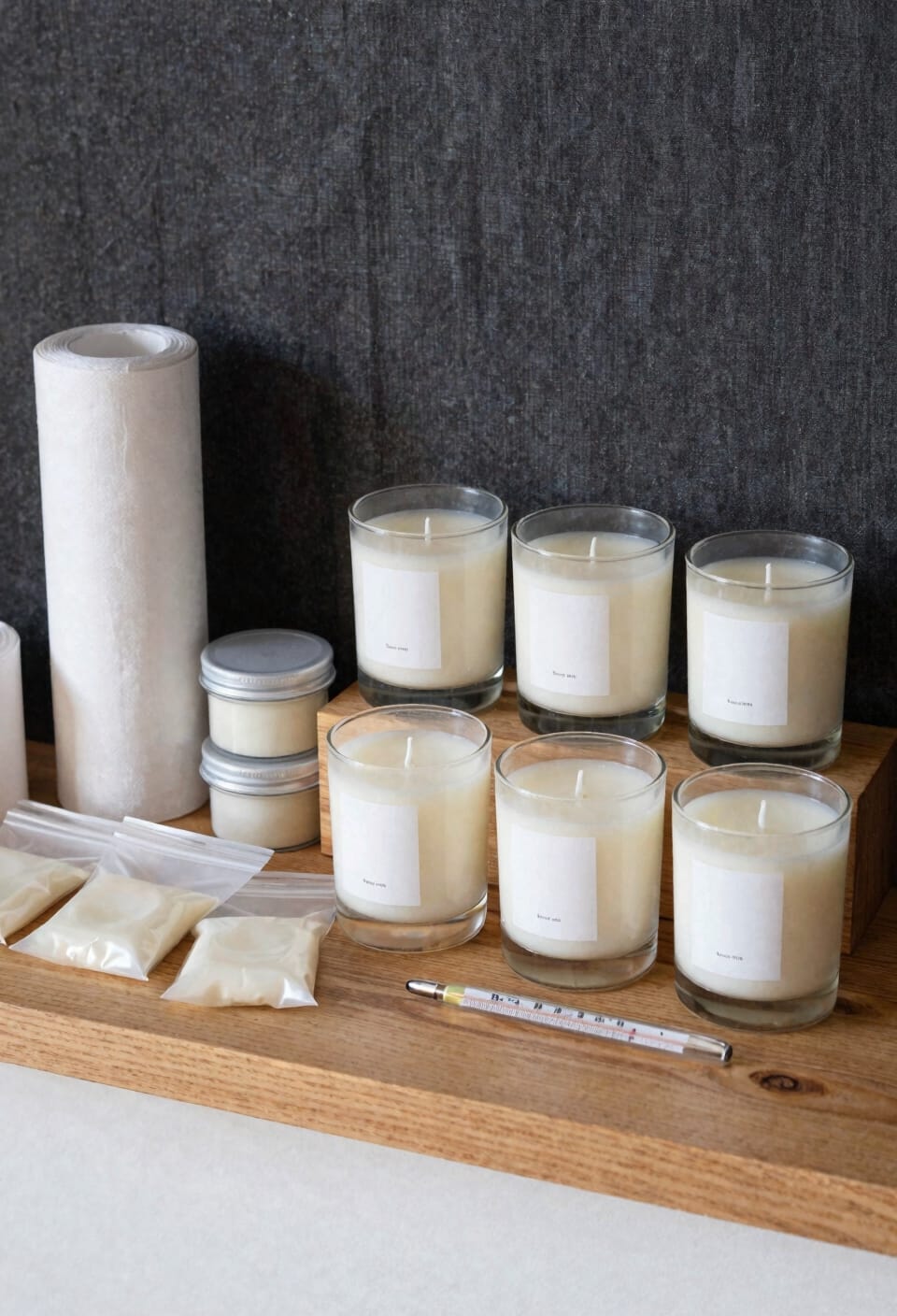
Beyond picking the right wax type, what you do with your candles between purchases and lighting matters just as much—maybe more. Here’s the thing: airtight storage is your best friend. Keep those lids on, use containers that seal properly, and you’ll lock in fragrance that’d otherwise fade into nothing. Temperature control matters too. I’ve learned this the hard way—stashing candles near vents or sunny windowsills wrecks them faster than you’d think. Store yours in a cool, dry spot away from direct sunlight and extreme heat swings. Keep them upright so the wax doesn’t shift around. Rotate your collection so older candles get burned first. These simple moves stretch your candles’ lives from months into years, honestly.
Recommended Products

DURABLE - These 12 oz. decorating canning mason jars are made of high quality durable glass making them perfect for your favorite sweet tea, cold glass of water, or even a ice cold brew. These glass mason jars would be a perfect addition to your restaurant or bar.
CONTENTS Comes with 10 bowls with a lid for each

CHILDPROOF JAR WITH PUSH-DOWN-AND-TURN LID: These clear 2oz glass jars with lids measure W: 2.24” x H: 2.17” and feature a flush child-resistant cap that requires a simultaneous push-down-and-turn motion to open. The lids meet state compliance for all CPSC and ASTM child safety requirements. Ideal as child proof jars for storing vitamins, supplements, gummies, and medications at home or for retail sale, giving you and your customers reliable peace of mind.
Why Does Candle Scent Fade Faster Than the Wax?
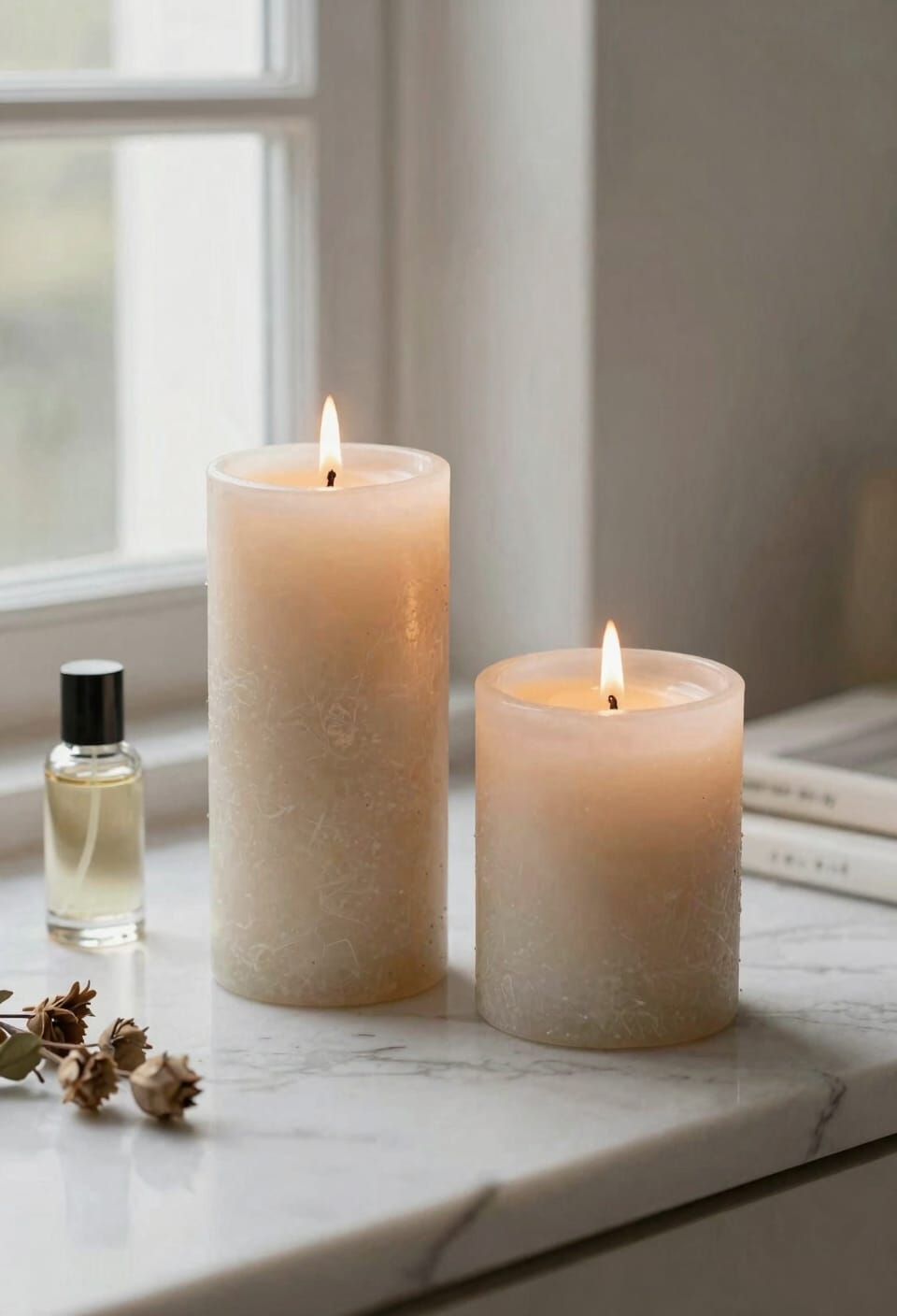
While keeping those lids sealed and storing your candles away from heat and light does wonders for preservation, you’ve probably noticed something frustrating: the wax can stick around looking perfectly fine while the scent has already checked out. Here’s the thing—fragrance oils contain volatile compounds that naturally evaporate over time, especially when exposed to air or temperature fluctuations. Even sealed candles experience scent migration as these molecules gradually escape through the wax itself. Your wax is stable; those aromatic molecules aren’t. Essential oils degrade fastest, typically losing potency within 12-18 months, while the waxy base could theoretically last indefinitely. So that candle sitting on your shelf might look brand new but smell disappointingly faint when you finally light it.
Warning Signs Your Candle Has Degraded

So you’ve pulled out that candle you bought months ago, lit it up with high hopes, and… nothing. No scent throw. That’s your first visual cue something’s off. Look, degraded candles show themselves pretty clearly if you know what to watch for. Discolored wax, strange odors, or a texture that’s absorbed moisture—these are safety hazards worth noting. You might notice uneven burning or tunneling, where only the center burns down. Shortened burn time’s another red flag. If the wick won’t stay lit or burns too aggressively, that’s degradation talking. Mold in poor storage conditions? That’s a hard pass. Trust your gut here. When a candle stops performing, it’s time to replace it and reassess your storage setup.
Recommended Products

CLEAN BURN PERFORMANCE: Formulated as a clean burn tiki torch fuel that produces a low smoke flame for comfortable outdoor gatherings. This tiki oil helps minimize odors while lighting patios, paths, and backyard spaces.

Endless Design Possibilities - Pour Foton pearls into any suitable container to turn it into a candle. Get crafty with our generous stash of 30 premium candle wicks for candle making, ensuring your foton pearled candle's style always matches the season and your mood.
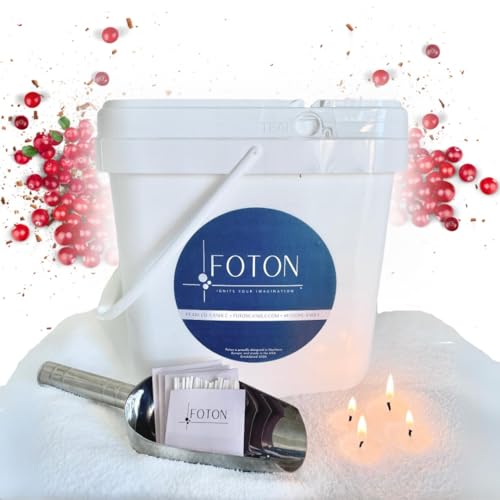
Minimal Smoke, Maximum Charm - Breathe easy with clean-burning, clean tech foton candle sand that set the mood. Our candles are designed for a pure, enchanting glow that enhances your space without the smoke.
How to Revive an Expired Candle
Before you toss that disappointing candle in the trash, know that there’s actually a decent chance you can breathe new life into it—or at least extract some remaining value. For scent rejuvenation, try placing your candle in a warm room for a few hours; sometimes dormant fragrance oils activate with gentle heat. If the wick’s compromised, wick replacement is your best bet—grab a quality replacement wick, anchor it to the base, and you’re back in business. Now, I’ll be honest: not every candle’s worth saving. But if you’ve got decent wax underneath and just a dull scent throw, these tricks often work. You might surprise yourself with what’s salvageable.
Recommended Products

NOTE: PLEASE DOUBLE CHECK THE SIZE OF YOUR BALANCER SHAFT BEFORE ORDERING SO YOU GET THE CORRECT SIZE

Important Sizing Note: Please double check the size of your balancer shaft before ordering to ensure you get the correct size for your equipment
Shaft Size Verification Required: Please double check the size of your balancer shaft before ordering to ensure you get the correct 36mm size for proper fitment
What Damages Candles Most: UV, Heat, and Humidity
Now that you know how to salvage a candle that’s past its prime, let’s talk about what actually kills them in the first place—because honestly, understanding the enemy is half the battle. UV damage is your candle’s worst nightmare. Sunlight literally melts wax and bleaches color while destroying fragrance molecules. Heat warping follows close behind; if your candle sits near a window or vent, you’re accelerating degradation faster than you’d think. Humidity‘s equally sneaky—it gets absorbed into the wax, messing with texture and potentially inviting mold. Store your candles in cool, dark spaces away from temperature swings. Keep them in airtight containers if possible. Basically, treat them like you’d treat yourself in summer: somewhere shaded and cool.
Recommended Products

BRAND: Ucanpack | SIZE: 3x3x10 Inches | PACK: 500 Pcs

BLANK 4" x 2" MAILING LABELS - printable 10-up rectangle labels - roaded corners for easy peeling - customizable - for inkjet & laser printers

Blank 2.5 inch Round Labels - printable medium white circle labels, 12 labels per sheet, 60,000 blank labels total - compatible with inkjet and laser printers
Frequently Asked Questions
Can I Burn a Candle After Its Scent Has Completely Faded?
Yes, I can burn a candle after its scent has faded. While wick maintenance guarantees proper burning, scent restoration isn’t possible, but the wax still burns. You’ll get light and ambiance without fragrance.
Do Unscented Candles Last Longer Than Scented Candles?
Yes, unscented candles outlast scented ones markedly. I’d say unscented longevity extends years indefinitely, while fragrance degradation limits scented candles to 1-2 years prime use. You’re getting extended burn time with unscented options.
Is It Safe to Use a Candle With Mold on It?
I’d strongly advise against using a candle with uninvited guests. Mold remediation isn’t worth the health risks—respiratory issues and allergic reactions can develop from burning contaminated wax. Discard it safely instead.
Can Freezing a Candle Extend Its Shelf Life?
I don’t recommend freezing candles despite freezer myths suggesting it extends shelf life. Cold temperatures cause wax crystallization, damaging the candle’s texture and burn quality. Instead, I’d store yours in a cool, dry place away from sunlight.
Do Candle Storage Containers Affect How Long They Last?
Like Pandora’s box, what you store your candle in matters greatly. I’d recommend glass jars or vented tins—they’re your best bet. Airtight containers preserve fragrance longest, protecting your candle’s longevity markedly.
Conclusion
Look, your candles aren’t doomed to become waxy tombstones. With proper storage—cool, dark, away from humidity—you’ll extend their life like Dorian Gray prolonged his beauty. Yes, scent fades faster than wax burns, but that’s the trade-off. Pay attention to warning signs, handle heat and UV like they’re your candle’s enemies, and you’ll get every penny’s worth. Smart choices now mean fewer regrets later.